High-precision instrumentation and safety systems engineered for critical infrastructure and demanding industrial operations.
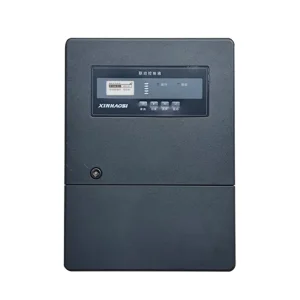
Understanding structural shifts, regulatory compliance protocols, and safety integration vectors globally.
Carbon Monoxide (CO)—often referred to in industrial toxicology as the "silent killer"—poses a perpetual challenge to environmental safety across commercial and industrial operations. Colorless, odorless, and tasteless, it cannot be detected by human senses, meaning detection depends entirely on electrochemical sensor accuracy and mechanical reliability. In global industrial facilities, carbon monoxide risks arise from incomplete combustion in boiler systems, industrial furnaces, gas-powered cargo equipment, refineries, and manufacturing pipelines. Failing to deploy reliable monitoring systems exposes operations to regulatory penalties, operational downtime, and life-safety liabilities.
Globally, the installation of carbon monoxide detection systems is governed by strict regulatory frameworks. In North America, standards like OSHA Section 1910.146, UL 2034, and NFPA 720 dictate the installation, testing, and signaling requirements of CO alarms in commercial workspaces and residential structures. In Europe, EN 50291 establishes parameters for gas detection in domestic premises, while EN 50402 outlines functional safety requirements for gas detection systems in industrial applications. These guidelines require detection devices to maintain consistent calibration, high reliability, and integrated automation paths, such as initiating emergency ventilation or tripping a solenoid safety valve during alarm events.
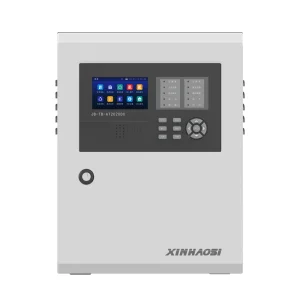
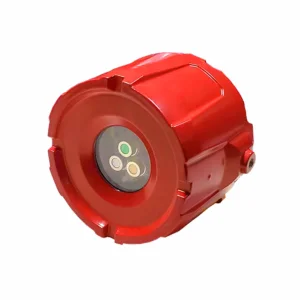
Utilizes precision catalytic reactions to generate a micro-ampere current proportional to CO concentrations, offering low power consumption and high specificity.
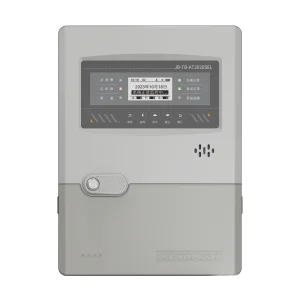
Industrial systems must meet Safety Integrity Level 2 requirements, ensuring system diagnostics verify hardware performance to minimize failure probabilities.
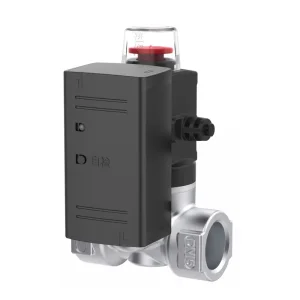
Combines ambient monitoring with physical gas line isolation, preventing secondary ignition hazards by stopping fuel delivery when a leak is detected.
China's gas detection and solenoid safety valve manufacturing industry has shifted from low-cost assembly to highly automated, vertically integrated production. This evolution is driven by localized components, automated calibration chambers, and dedicated logistics frameworks. Standard factories rely on manual processes, whereas advanced manufacturers use automated testing systems that subject every gas sensor to targeted, temperature-controlled mixtures to verify response characteristics.
By housing all assembly processes—from surface-mount technology (SMT) for PCBs to plastic injection molding and calibration—in high-capacity production zones like Southwest China, manufacturers minimize supply chain disruptions. This infrastructure allows companies to handle large OEM orders, offering customized firmware and enclosure adjustments while maintaining stable lead times.
Furthermore, having an in-house CNAS-accredited calibration laboratory (accredited under the ILAC-MRA framework) ensures that test reports conform to ISO/IEC 17025. This validation guarantees that export shipments arrive pre-calibrated and compliant with destination import standards, reducing installation times for international projects.

Deep dive into Xinhaosi's industrial ecosystem, R&D breakthroughs, and manufacturing capabilities.
Founded in 2003, Xinhaosi has established itself as a reliable brand in the global gas safety sector. Over the past twenty years, the company has built a comprehensive production and service system. This infrastructure integrates research and development, automated manufacturing, global distribution, and professional technical support. It also features OEM/ODM flexibility and CNAS-Accredited laboratory calibration services. These capabilities enable the production of safety devices designed to operate reliably in harsh environments.
The company's product portfolio spans industrial and residential gas detection systems, emergency shut-off solenoid valves, and municipal gas pipeline monitoring networks. Annually, Xinhaosi manufactures and delivers tens of millions of units globally. Its products serve critical industries including petrochemical processing, urban gas distribution networks, automotive assembly facilities, pharmaceutical plants, and metallurgy.

Operating under strict ISO 9001 quality management protocols, Xinhaosi's product range holds essential national and international certifications. These include National Compulsory Product Certification (3C), explosion-proof certification (Ex d IIC T6 Gb), fire product approvals, and CPA measurement instrument type approvals. For global markets, products are certified to CE and SIL standards, ensuring seamless integration into functional safety systems.
Xinhaosi's in-house laboratory is accredited by the China National Accreditation Service for Conformity Assessment (CNAS). It operates in compliance with the international testing and calibration laboratory standard, ISO/IEC 17025. This calibration traceability ensures that all data generated during environmental testing, cross-sensitivity evaluation, and long-term stability testing is internationally recognized under the ILAC-MRA framework, providing customers with verified performance data.
Innovation at Xinhaosi is supported by a portfolio of over 50 patents and software copyrights. Key innovations include a graphical gas monitoring and alarm software system. This platform uses historical trend data to enable predictive maintenance, reducing field equipment failure rates by more than 30% by identifying sensor drift before fault conditions occur.
Additionally, Xinhaosi has developed safety valves with integrated flow monitoring capabilities. This design combines mechanical shut-off functions with digital flow rate analysis. It allows the system to differentiate between standard gas consumption patterns and low-level pipeline leaks. The company also pioneered the bus-type gas leakage monitoring system, providing a high-capacity, single-loop safety network for complex industrial facilities.
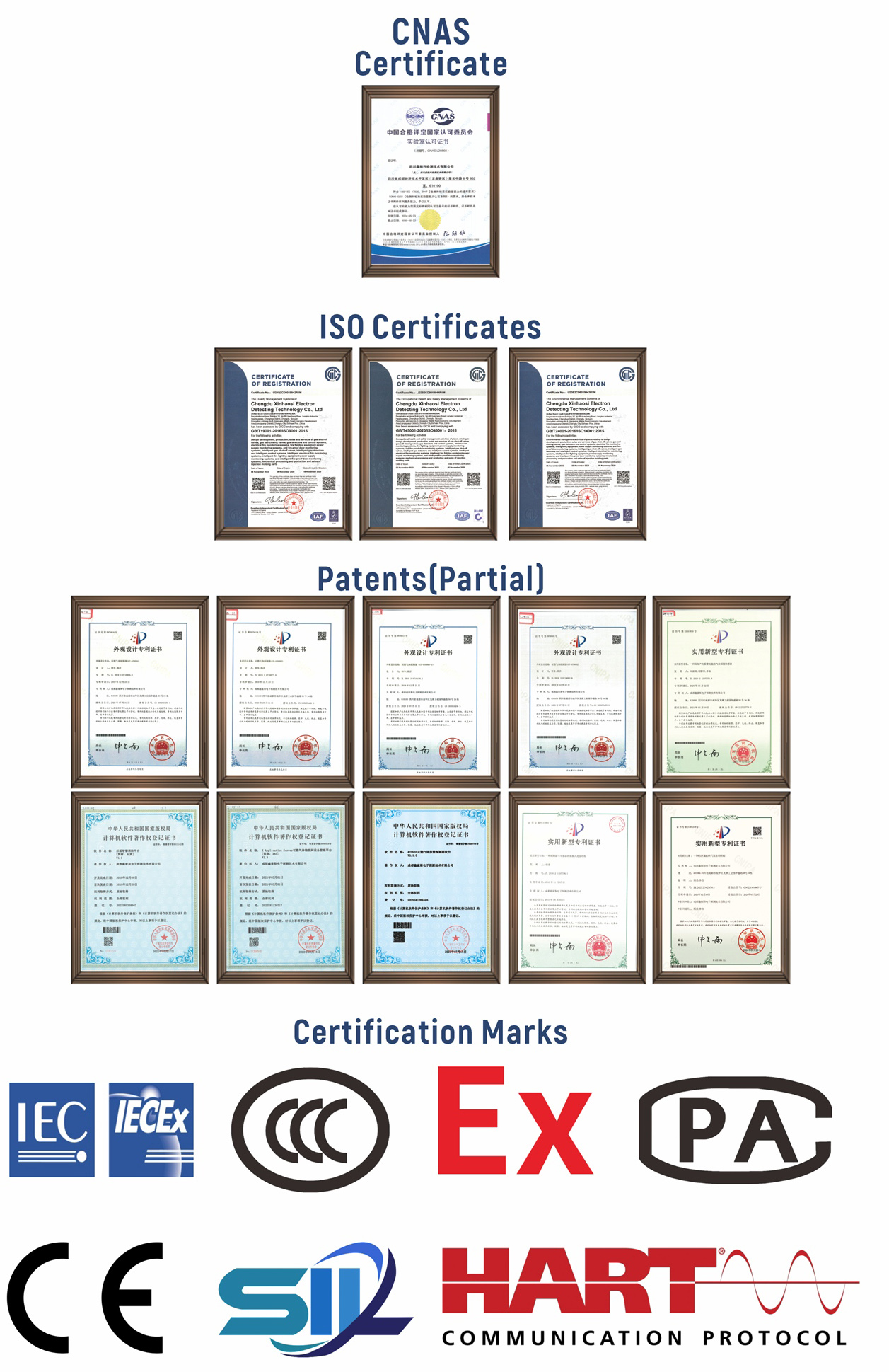
Deploying specialized gas safety architectures across distinct environmental zones.
Underground parking facilities risk carbon monoxide accumulation from vehicle exhaust. Integrating detector arrays with localized ventilation controllers ensures exhaust fans activate only when CO levels rise. This automated approach maintains safe air quality while optimizing energy consumption.
High-capacity steam generation plants and boiler rooms rely on heavy combustion processes. Incomplete combustion can lead to localized CO hazards. Positioning electrochemical detectors near combustion chambers and integrating them with automatic fuel shut-off valves provides prompt hazard mitigation.
Modern homes with gas-fired heating systems require reliable household combustible and CO alarms. Integrated units, connected to shut-off solenoid valves, provide automated protection by isolating the domestic gas supply at the meter immediately upon alarm activation.
Key trends redefining the design, deployment, and operation of gas monitoring equipment.
The global gas safety industry is transitioning from isolated warning units to integrated, cloud-connected monitoring systems. The incorporation of Internet of Things (IoT) communication protocols—including NB-IoT, LoRaWAN, and Wi-Fi—allows gas detectors to stream real-time concentration data directly to cloud-based monitoring platforms. This connectivity enables centralized safety dashboards to track status, calibration schedules, and alarms across multiple sites from a single interface.
Simultaneously, gas shut-off valves are becoming more intelligent. Future designs will incorporate flow monitoring and diagnostic sensors directly into the valve assembly. These smart valves communicate with the gas detector controller to execute automated safety actions, such as shutting down gas lines during seismic events, downstream pressure drops, or confirmed sensor alarms.
Furthermore, developments in sensor technology are improving electrochemical cells, reducing cross-sensitivity to hydrogen and volatile organic compounds (VOCs). This reduces false alarms in industrial environments. Combined with software that tracks long-term sensor drift, modern systems can predict sensor failure, allowing maintenance teams to schedule replacements before safety coverage is compromised.
Critical quality and compliance metrics for global procurement departments evaluating gas safety manufacturers.
Ensure detectors carry relevant approvals, such as CE, SIL-2, ATEX, and CPA. Verify these documents are issued by accredited testing bodies.
Confirm the manufacturer operates an ISO/IEC 17025 accredited laboratory, ensuring calibration processes meet international standards.
Verify controllers support industry-standard protocols, including Modbus RTU, 4-20mA analog, and dry contact relays for external system control.
Specify appropriate ingress protection ratings (IP66/IP67) and operating temperature ranges to suit the installation environment.
Over two decades of engineering research, manufacturing expansion, and safety technology development.
Technical responses to common engineering and procurement inquiries regarding CO monitoring systems.
Reliable household gas detection systems and safety shut-off systems designed for residential applications.