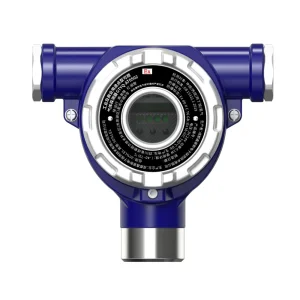
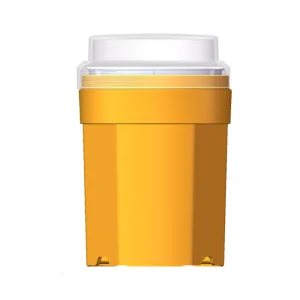
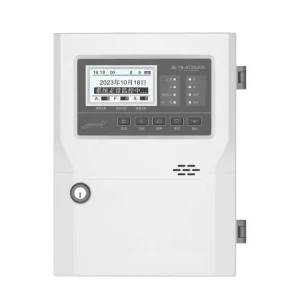
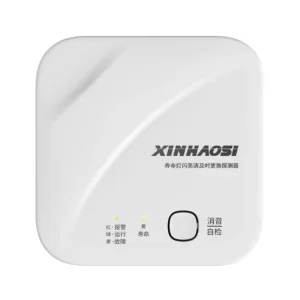
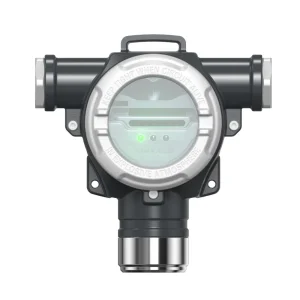
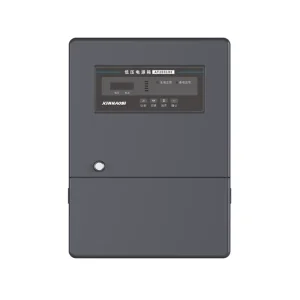
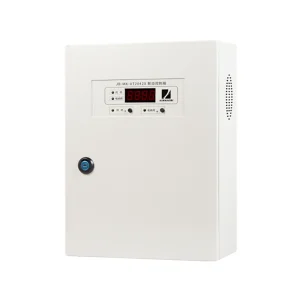
Our core range of explosion-proof detection systems, processing transmitters, and intelligent control interfaces tailored for heavy industrial environments.
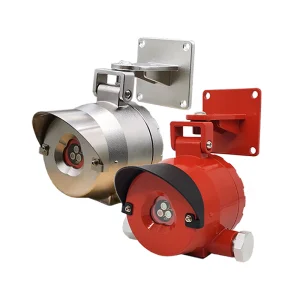
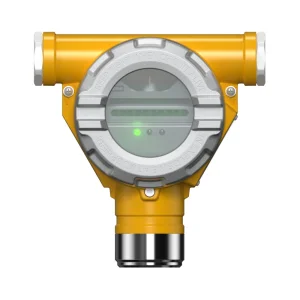
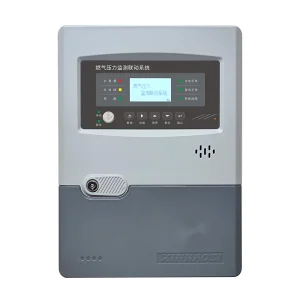
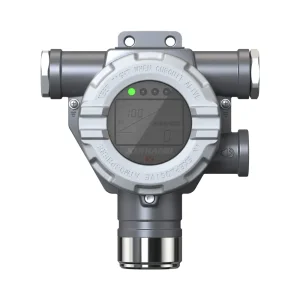
Founded in 2003, Xinhaosi stands as one of the most influential and trusted brands in the global gas safety and environmental monitoring industries. Over the past twenty years, we have systematically engineered a robust, vertical service and production ecosystem. This system integrates pioneering R&D labs, state-of-the-art automated manufacturing lines, digital global distribution networks, expert technical support, and comprehensive CNAS-accredited calibration services that conform to rigorous international standards.
Our diversified product architecture encompasses industrial and residential gas detection systems, emergency shut-off valves (solenoid valves), and IoT-driven urban pipeline network monitoring platforms. We specialize in designing detection solutions for complex working environments where stability and reliability are paramount. Our annual capacity reaches tens of millions of units, trusted by leading enterprises in oil & gas, petrochemical processing, water treatment, pharmaceutical synthesis, electronics manufacturing, and metallurgical processes.
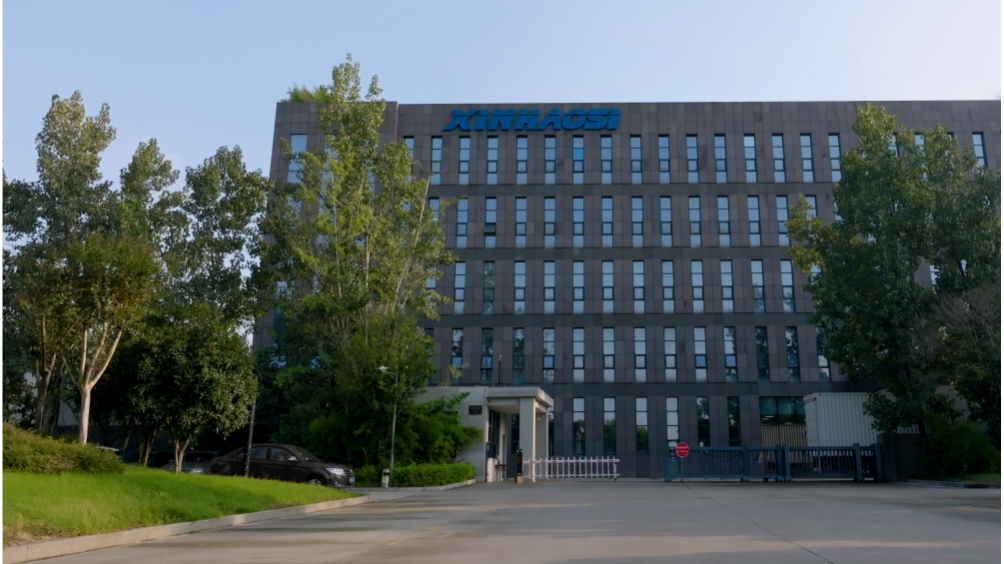
Chengdu HQ & Research Center
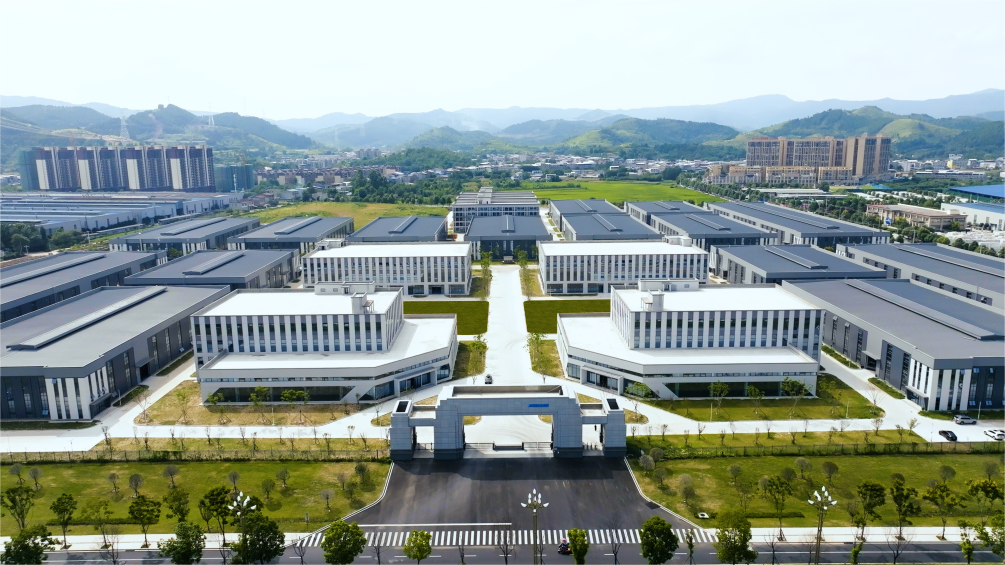
Deyang Intelligent Production Base
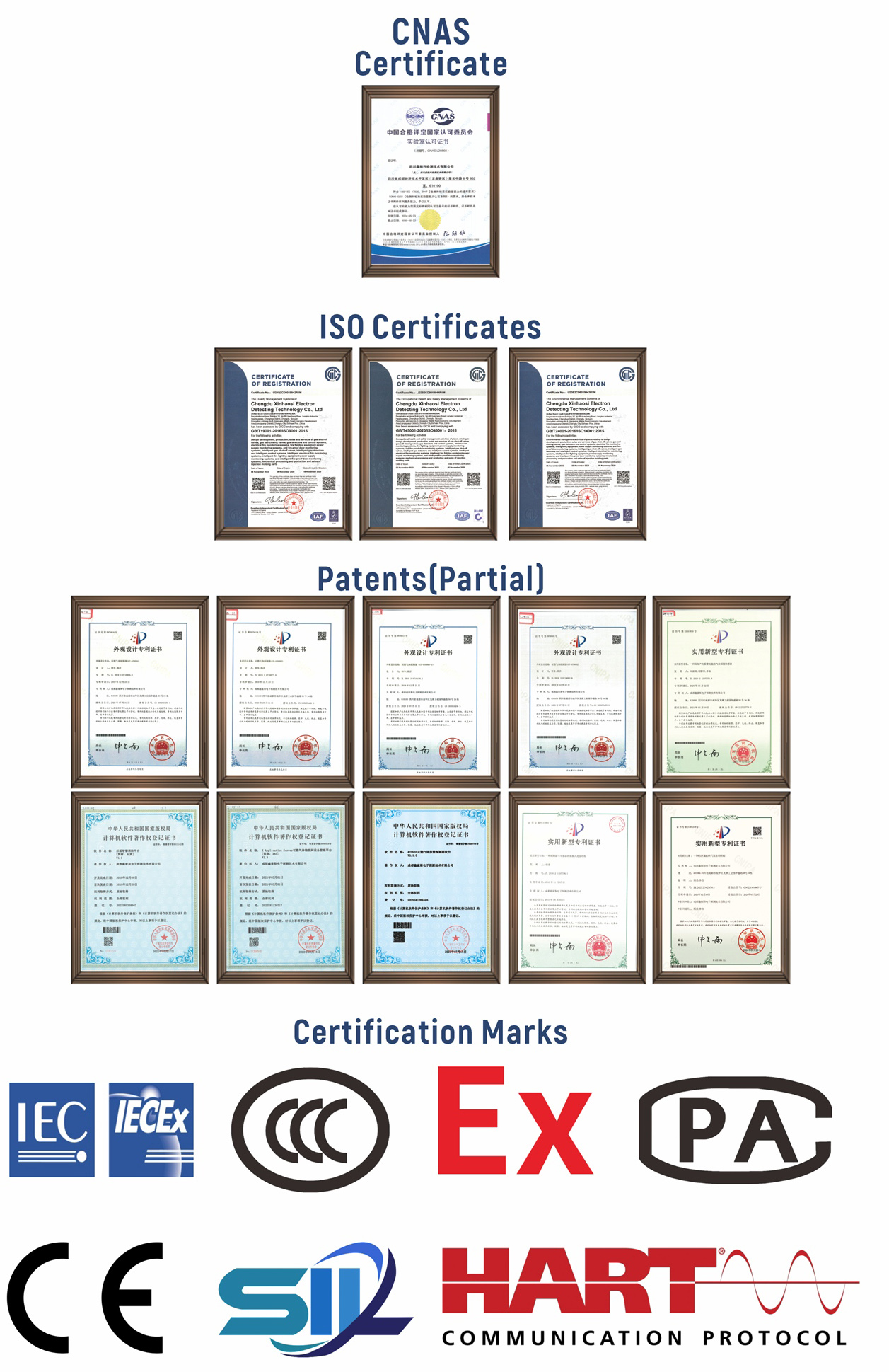
Xinhaosi operates under the strict guidelines of the ISO9001 Quality Management System. Our flagship products carry all major global certifications, including national compulsory Products Certification (CCC), China Ex-proof Certification, Fire Product Certifications, CPA measurement instrument type approvals, and international safety conformities like CE and SIL2/3 (Safety Integrity Level). This level of certification guarantees that our gas detection hardware delivers high reliability in hazardous, volatile environments.
In terms of research and intellectual property, Xinhaosi boasts more than 50 patents and software copyrights. Among our landmark innovations is a graphical gas detection and alarm monitoring system that implements advanced predictive maintenance algorithms, reducing unexpected field failures by over 30%. Our custom CNAS-accredited calibration laboratory (accredited under ISO/IEC 17025) ensures that every chlorine gas sensor, combustible detector, and transmitter is calibrated against national physical standards, enabling seamless compliance audits for global procurement teams.
A statistical overview of our manufacturing scale, research investments, and market foot-print.
A comprehensive analysis of electrochemical safety systems, global compliance demands, and the rise of Factory 4.0 production hubs.
Modern chlorine (Cl₂) gas sensor architectures are transitioning from traditional wet electrochemical designs to solid polymer electrolyte (SPE) and optical sensing platforms. Advanced sensors now incorporate micro-electromechanical systems (MEMS) technology, which significantly decreases warm-up times and reduces power consumption. These solid-state developments eliminate electrolyte leakage risks, allowing sensors to operate reliably across wide temperature ranges (-40°C to +50°C) and harsh industrial processes.
Procurement teams targeting gas monitoring devices now demand SIL2 certification, ATEX/IECEx explosion-proof ratings, and full conformity to EN 50270 (EMC compatibility). For chlorine detection, cross-sensitivity profiles represent a critical selection metric; the sensor must operate with minimal drift in environments containing hydrogen sulfide (H₂S), sulfur dioxide (SO₂), or nitrogen oxides (NOx). Fast T90 response times (typically under 30 seconds) are mandatory.
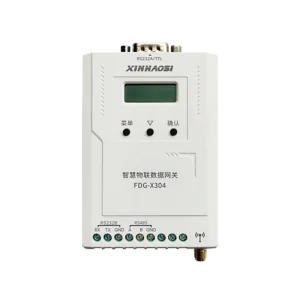
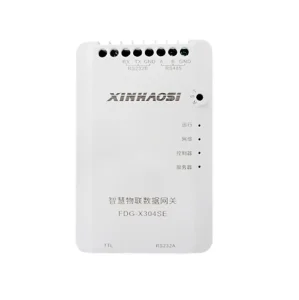
Static alarms are no longer sufficient. Modern safety frameworks mandate intelligent data gateways that aggregate sensor telemetry using RS485 Modbus RTU or wireless protocols (LoRaWAN, 4G, 5G). Integrated platforms like our FDG-X304 Intelligent Data Gateway coordinate real-time status tracking with automated shut-off solenoid valves and remote control centers, providing an integrated, end-to-end protective barrier.
The global shift toward supply chain diversification demands industrial safety equipment partners who can guarantee stable raw material sourcing, lean manufacturing processes, and predictable delivery timelines. Xinhaosi’s newly completed Deyang Factory is built on Industry 4.0 principles, utilizing automated SMT (Surface Mount Technology) assembly lines, automated PCB optical testing (AOI), and robotic sensor calibration chambers.
By localizing component sourcing and combining raw sensor design with in-house molding and enclosure casting, Xinhaosi ensures immunity to global supply shocks. Our vertical integration guarantees that we can ramp up production to meet high-volume municipal or petrochemical infrastructure orders, while our modular design architectures allow us to offer rapid turnaround on custom OEM/ODM modifications, calibration ranges, and communication protocols.
How chlorine gas and toxic gas detection systems are deployed across diverse global industries to protect lives and secure valuable assets.
Chlorine is widely utilized for disinfection and biological control in water treatment. Because water plants are typically located close to populated areas, the failure of a chlorine dosing line poses immediate public safety risks. Our gas pressure transmitters and toxic gas detectors monitor storage tanks, dosing rooms, and distribution pipe junctions to initiate emergency shutdowns instantly.
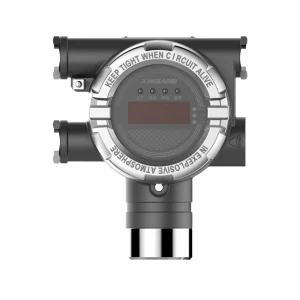
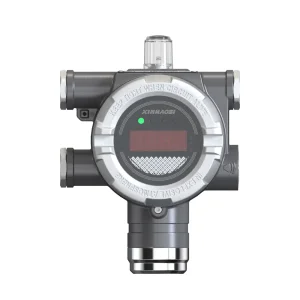
In chemical processing plants where chlorine serves as a key reagent for PVC, polyurethane, or chlorinated hydrocarbon synthesis, high ambient temperatures, high relative humidity, and aggressive background gases are common. Xinhaosi’s explosion-proof combustible and toxic gas detectors feature rugged cast-aluminum housings and IP66 ratings to withstand these demanding conditions.
The electronics industry uses chlorine and other corrosive gases for dry etching processes. Even sub-ppm leaks can contaminate silicon wafers and harm cleanroom operators. Our high-resolution, low-drift sensors detect trace concentrations and interface directly with cleanroom HVAC systems to trigger rapid emergency exhaust sequences.
Trace the evolution of Xinhaosi from a regional safety device supplier to a global technological partner.
Foundation and Initial R&D: Established on April 17, 2003. Launched our first-generation gas leakage alarms and fire safety products, building a foundation of engineering expertise in China.
Industrial Expansion & Valve Production: Initiated production of specialized gas safety solenoid valves. Expanded our OEM client base and relocated our office headquarters to the Longtan Industrial Park to support a larger workforce.
Rapid Scale Up: Reached 10 million units in cumulative detector sales. Relocated production to our custom-built Chengdu factory. Established a comprehensive sales and support network across China, and introduced intelligent fire power monitoring systems.
The IoT Integration: Developed and launched our in-house IoT Cloud safety platform. Achieved National High-Tech Enterprise status and qualified as a tier-1 supplier for China's top five energy and gas conglomerates.
Petrochemical Focus & Deyang Hub: Began construction on our Deyang manufacturing base. Established our Petrochemical & International Business Division to better serve foreign markets, and received the Sichuan Provincial Technology Center designation.
Smart City & Automation Frontiers: Commenced full operations at the Deyang Factory. Rolled out advanced urban pipeline gas network monitoring products, next-generation wireless gas transmitters, and AI-enabled shut-off safety valves.
In-depth answers to key technical questions from procurement officers, plant safety engineers, and compliance managers.
Electrochemical sensors provide high sensitivity, excellent selectivity, and low power consumption, making them ideal for detecting toxic gases like chlorine. Unlike metal oxide semiconductor (MOS) sensors, electrochemical designs are less cross-sensitive to ambient temperature and humidity variations. Additionally, they offer a direct, linear output relative to gas concentrations in parts per million (ppm), which simplifies calibration and integration with transmitters and PLCs.
We recommend calibrating chlorine sensors every 6 months under standard operating conditions. Because chlorine is a highly reactive, corrosive gas, frequent exposure to target gas concentrations can degrade the sensor's active catalyst layer. Other factors that limit lifespan include persistent exposure to extreme humidity levels (below 15% RH or above 90% RH) and cross-contaminants like hydrogen sulfide. The average lifespan of a high-quality electrochemical chlorine sensor is typically 2 to 3 years.
SIL2 (Safety Integrity Level 2) certification ensures that the safety system meets strict target probability limits for dangerous failures on demand. This provides plant operators with verified statistical confidence that the unit will operate correctly when a leak occurs. Explosion-proof (Ex-proof) housing designs (e.g., Ex d IIC T6 Gb) are essential because they prevent any internal electrical spark or thermal energy from escaping the enclosure and igniting explosive gas atmospheres in hazardous industrial zones.
Our industrial gas detector portfolio supports a wide variety of output configurations, including standard 3-wire 4-20mA analog signals, RS485 Modbus RTU digital loops, and addressable bus communication. For modern IoT-connected facilities, our data gateways can convert these inputs into Ethernet, 4G cellular, or LoRaWAN protocols, allowing data transmission to local control rooms, SCADA networks, or cloud-based monitoring platforms.
Yes. Supported by our dedicated R&D team and in-house molding, PCB manufacturing, and calibration facilities, we offer comprehensive OEM and ODM services. This includes custom branding, custom housing designs, modified sensor ranges, specialized firmware integration, and tailored communication protocols to ensure compatibility with legacy safety infrastructure.
A further selection of our certified combustible gas detectors, intelligent gateways, and domestic safety systems.