Founded in 2003, Xinhaosi is one of the most influential and trusted brands in the global gas safety industry. Over the past two decades, we have steadily built a robust and comprehensive production and service system, which integrates cutting-edge R&D, intelligent manufacturing with advanced automation equipment, digital marketing across global channels, professional after-sales support with an experienced technician team, flexible OEM/ODM services, as well as CNAS-Accredited laboratory calibration services that meet international standards.
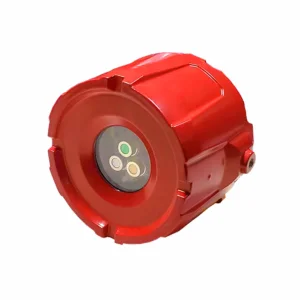
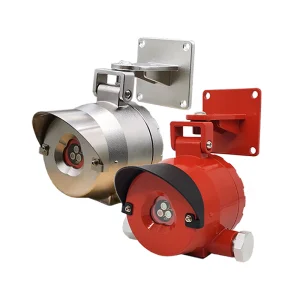
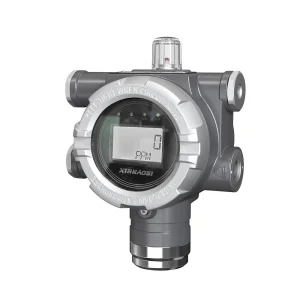
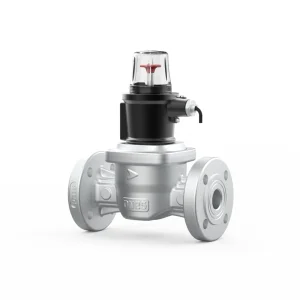
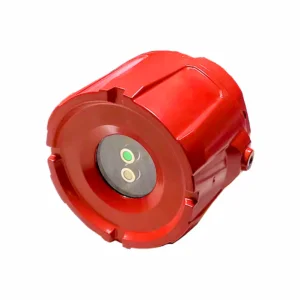
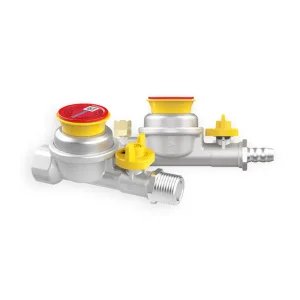
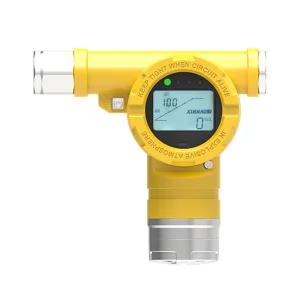
Our diversified product portfolio covers industrial & residential gas detection & alarm systems, industrial & household gas solenoid valves, and urban gas pipeline network monitoring systems—all engineered to adapt to complex working environments and strict safety requirements. We produce and sell tens of millions of units annually, catering to a wide range of industries that demand reliable gas detection solutions, including oil & gas exploration and production, petrochemicals, urban gas distribution, automotive manufacturing, pharmaceuticals, new energy, steel production, and beverage processing.

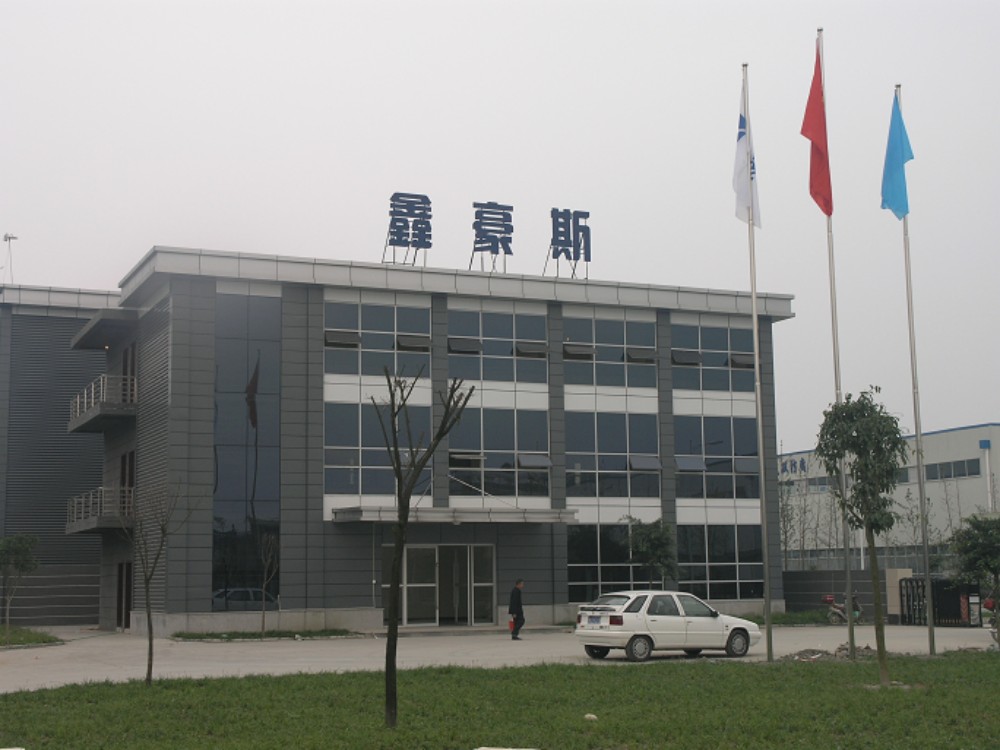
Chengdu Factory & Office Headquarters
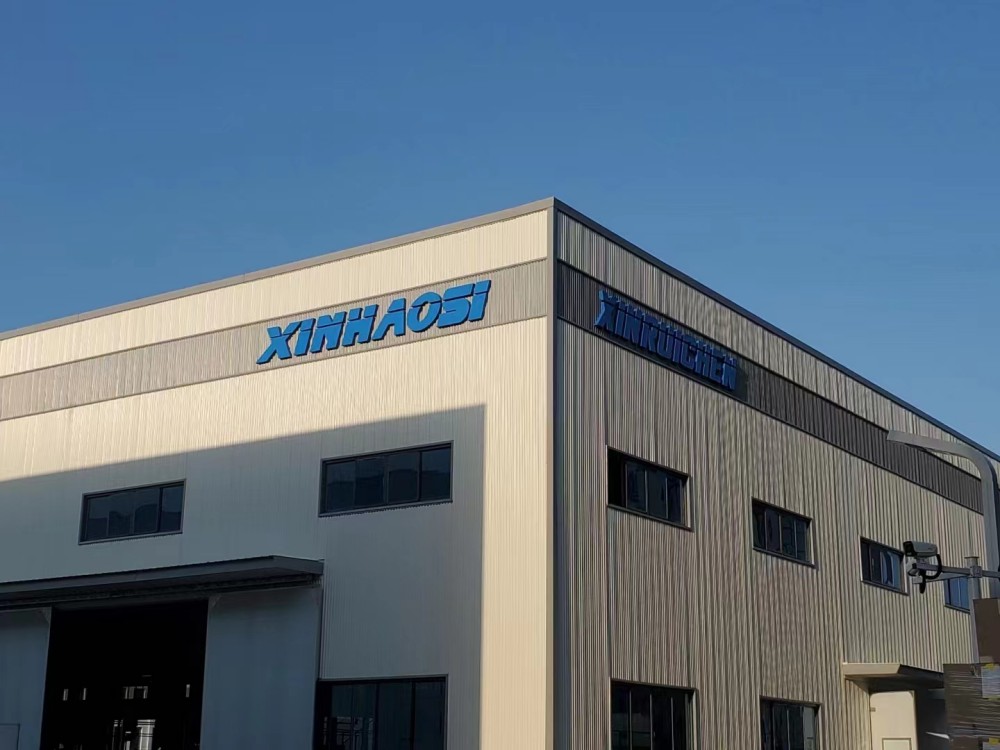
With our newly completed Deyang Factory online, Xinhaosi has expanded its manufacturing footprint to optimize production efficiency and quality control. Guided by the core mission of “Making Gas Safety Accessible Everywhere,” we consistently deliver high-performance, reliable products and customized solutions tailored to each client’s unique needs.
Every item we manufacture undergoes rigorous quality control tests, and every service we provide is backed by our professional technical team, fully embodying our unwavering commitment to safeguarding gas safety across both industrial workplaces and residential environments, and striving to build a safer world with sustainable gas safety technologies.

Deyang Factory Industrial Zone
Adhering to ISO9001 quality management system standards, Xinhaosi's core products have obtained a full range of authoritative certifications, including national compulsory Products Certification, explosion-proof certification, fire product certification, CPA measurement instrument type approval certificate, and international approvals as CE, SIL. Additionally, Xinhaosi holds honors such as "National Quality Integrity Benchmark Enterprise" , "National Quality Leading Enterprise in the Gas Alarm Industry," member of the China Fire Protection Association, and the main drafting organization for the national standard of solenoid valves, further confirming its industry influence and reputation.
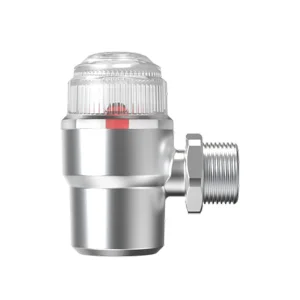
In the field of intellectual property, Xinhaosi has built a robust innovation system with over 50 patents and software copyrights. These patents cover core technological areas, including a graphical monitoring system for gas detection and alarm, which enables predictive maintenance based on historical data to reduce equipment failure rates by over 30%, and a solenoid valve with flow monitoring functionality that integrates flow detection and alarm capabilities. The company also pioneered China's first networked bus-type gas leakage monitoring system and the only maximum-point gas leakage monitoring system certified by the Ministry of Public Security, demonstrating its leading position in cutting-edge technological research.
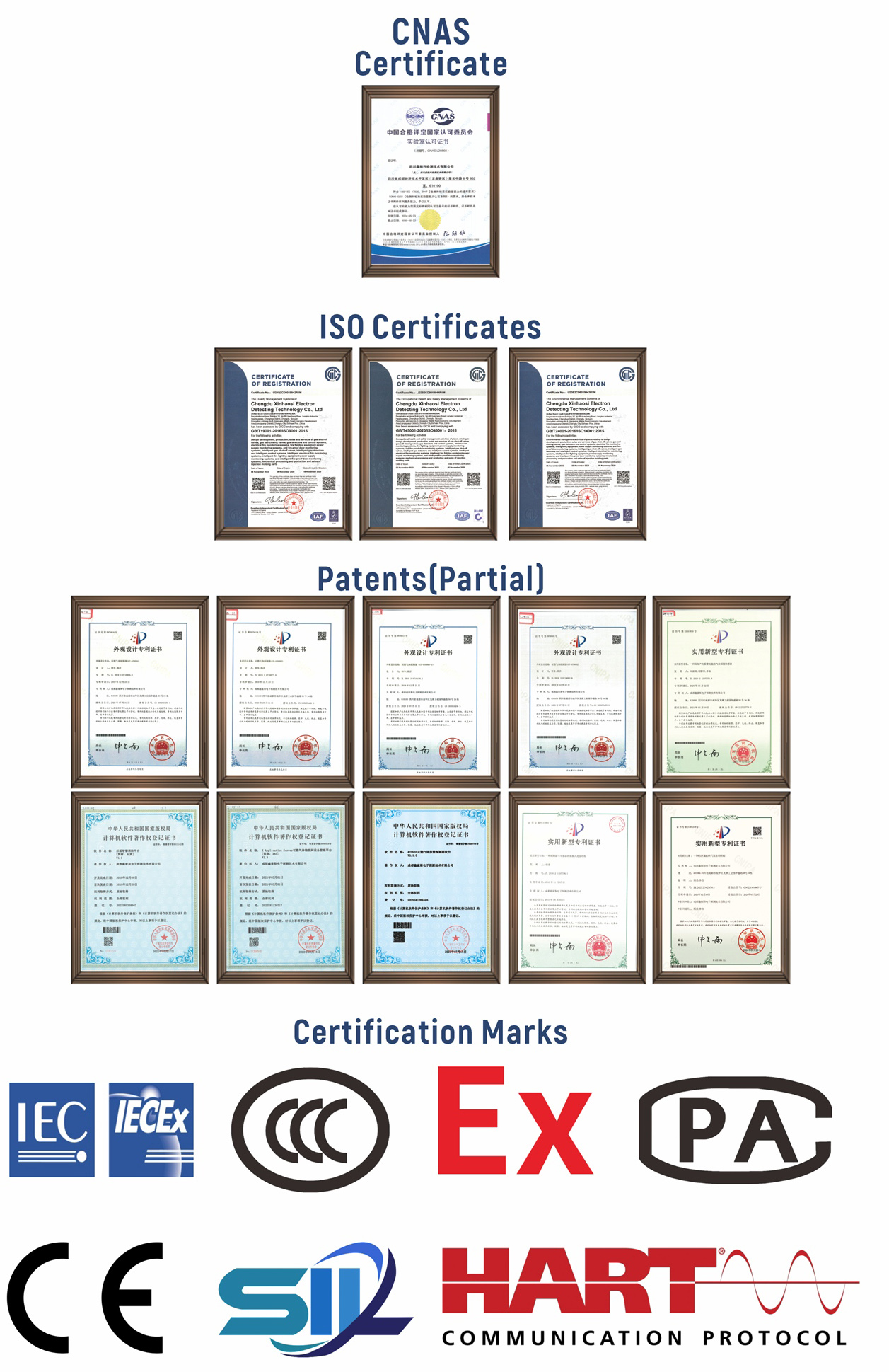
Our in-house laboratory is accredited by the China National Accreditation Service for Conformity Assessment (CNAS), recognized both domestically and internationally under the ILAC-MRA framework. It operates in accordance with ISO/IEC 17025, the international standard for testing and calibration laboratories. It provides reliable and traceable testing services for gas detection and alarm products, solenoid valves, and related safety equipment. Test reports issued by the CNAS-accredited laboratory are widely accepted by regulatory authorities, certification bodies, and customers in China and overseas, helping to ensure product quality, safety compliance, and market access.
A twenty-year evolution from a local innovator to an international benchmark in gas safety systems.




An authoritative guide on gas sensing technologies, electrochemical stability, macro-industry applications, and localized regulatory compliance.
The global carbon monoxide (CO) detector market is undergoing a seismic paradigm shift driven by legislative mandates, IoT integrations, and the demand for autonomous, maintenance-free life safety devices. Historically, CO detectors were coupled with AC power lines, with backup battery installations acting as a secondary redundancy. Today, structural changes in building safety codes globally—such as NFPA 72 (National Fire Alarm and Signaling Code) in the United States and EN 50292 in Europe—highly favor or mandate standalone battery operated CO detectors. Standalone battery designs isolate the detection array from power grid failures, ensuring continuous, uninterrupted operation during storms, blackouts, or local infrastructure breakdowns.
From a manufacturing standpoint, the dominant industry trend centers around the transition to 10-year sealed lithium battery architectures. Buyers and regulatory bodies no longer accept the periodic maintenance headaches and disposal hazards associated with standard alkaline batteries. By combining high-density Lithium Manganese Dioxide (Li-MnO2) battery chemistry with low-dropout (LDO) regulators and ultra-low-power microcontrollers (MCUs) that remain in sleep states for 99% of their lifespan, manufacturers can guarantee 10 years of continuous operation without battery changes. This structural evolution significantly reduces lifetime ownership costs and minimizes false alarms triggered by degraded battery performance.
The core sensor technology powering top-tier battery operated CO detectors is electrochemical gas sensing. Unlike semiconductor-based gas sensors, which require energy-intensive heater elements, electrochemical cells operate at room temperature, making them highly compatible with strict battery budget constraints. These sensors work through a gas-phase oxidation reaction where carbon monoxide molecules entering the sensing chamber are oxidized at a working electrode (anode) containing noble metal catalysts like Platinum (Pt). This chemical reaction produces electrons, generating an electrical current directly proportional to the carbon monoxide concentration in the ambient air.
To ensure high reliability, modern manufacturing requires addressing the challenges of temperature and humidity drift. Under extreme cold or arid desert environments, the water content within the electrochemical electrolyte can fluctuate, altering sensor sensitivity. Leading manufacturers solve this by utilizing multi-layered gas-permeable PTFE membranes, solid-state gel electrolytes, and complex temperature compensation algorithms programmed into the detector's MCU. These algorithms dynamically adjust the amplifier gain based on real-time readings from internal thermistors, maintaining sensor accuracy within ±5% across operating ranges from -10°C to +50°C.
Utilizing high-impedance amplifier circuits and deep-sleep MCU configurations, minimizing quiescent current draw down to less than 3 microamps (µA) during monitoring cycles.
Integration of chemical filters to eliminate cross-sensitivity from common household vapors like ethanol, isopropyl alcohol, and volatile organic compounds (VOCs).
Real-time firmware self-checks that continually evaluate sensor impedance, horn circuitry functionality, and battery voltage levels to guarantee long-term dependability.
For B2B procurement managers, supply chain directors, and wholesale safety distributors, choosing a manufacturing partner goes far beyond basic unit costs. Industrial buyers operate under stringent liabilities, making factory qualification and manufacturing consistency the primary criteria. Key sourcing priorities include:
In municipal and industrial safety, standalone carbon monoxide alarms are increasingly being integrated into wider safety systems. At the macro level, smart city initiatives and commercial real estate assets are incorporating wireless battery operated CO detectors equipped with Sub-GHz or LoRaWAN communication chipsets. This allows a building’s facility management platform to receive immediate, geo-targeted notifications of gas leaks before human tenants are exposed to the gas. These wireless detectors are critical for utility companies monitoring underground utility vaults, residential complexes, and light-industrial facilities where laying down hardwired conduit is financially prohibitive.
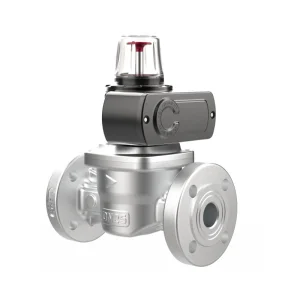
Furthermore, by linking wireless battery-powered CO alarms to automatic shut-off gas solenoid valves (such as Xinhaosi’s XF3 or CT-XF5 industrial solenoid valves), safety networks can perform automated hazard mitigation. If a detector detects carbon monoxide concentrations exceeding safe thresholds (e.g., 100 ppm for more than 10 minutes), it transmits a wireless trigger command to the pipeline control box, immediately sealing off the upstream fuel line to prevent further accumulation of toxic gas. This closed-loop safety architecture minimizes human error and protects property assets and personnel in high-risk zones.
Gas detection products must meet strict regional standards to legally access global markets. For the North American market, manufacturers must align their product engineering with UL 2034 (Standard for Single and Multiple Station Carbon Monoxide Alarms), which defines strict operational response curves based on exposure time and gas concentration. In the European Union, the benchmark standard is EN 50291, which sets performance guidelines for residential and light commercial CO detection equipment, requiring CE marking and third-party laboratory verification (e.g., LPCB or VdS certifications).
A global manufacturer must support localization beyond just labels and manuals. Localized technical support includes regional frequency compliance (such as FCC Part 15 in the US and RED compliance in Europe), specialized mounting configurations for local drywall or masonry, and software adaptations to match regional alarm sounds (like Temporal 4 patterns). Working with a manufacturer that operates CNAS-accredited testing laboratories, calibrated to ISO/IEC 17025 standards, guarantees that pre-compliance testing is highly accurate. This helps B2B buyers navigate the compliance processes of their target markets smoothly and quickly.
Looking ahead, the development of battery operated CO detectors will follow two main paths: sensor hybridization and artificial intelligence at the edge. Modern safety demands are shifting away from single-hazard sensors toward multi-gas threat detection. The next generation of safety systems will feature combined Carbon Monoxide and Methane (CH4) or Propane (C3H8) detectors, operating off a unified, long-lasting battery module. Achieving this requires developing low-power MEMS catalytic beads or non-dispersive infrared (NDIR) optical sensors that run on advanced pulse-width modulation (PWM) cycles, only drawing power during short measurement windows.
Additionally, edge-based machine learning algorithms are being integrated into detector MCUs to perform real-time pattern analysis of gas concentration curves. By analyzing how quickly gas levels rise, these smart systems can distinguish between a slow, dangerous build-up of CO from a faulty heating appliance and a brief, harmless spike from kitchen activities. This predictive diagnostic model improves safety, reduces liability for property managers, and lowers maintenance calls, positioning future safety systems as proactive partners in building security.