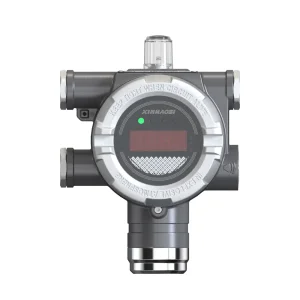
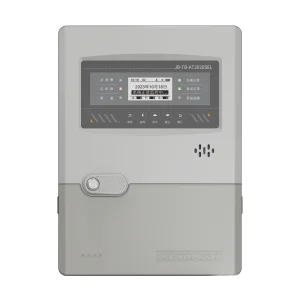
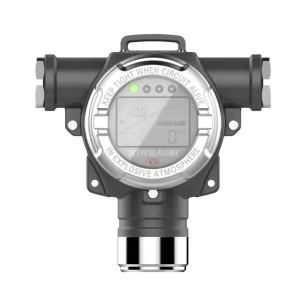
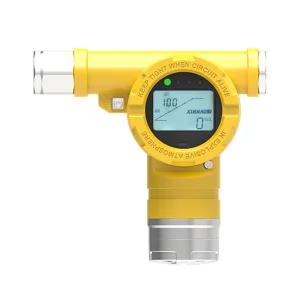
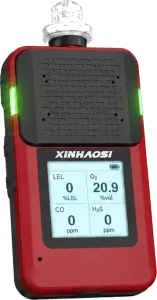
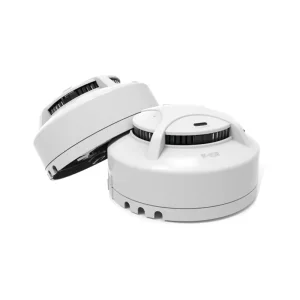
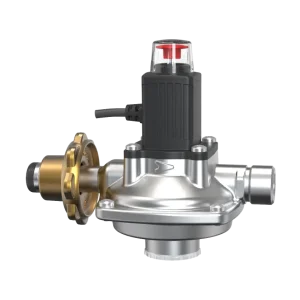
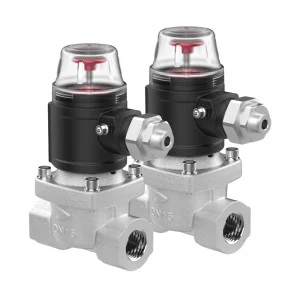
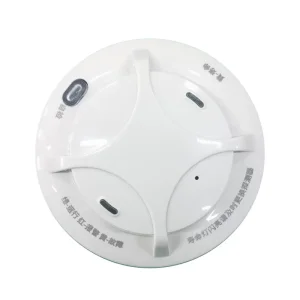
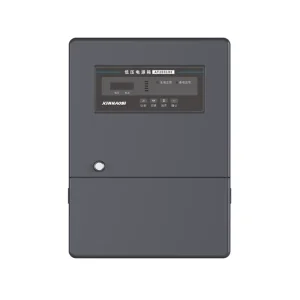
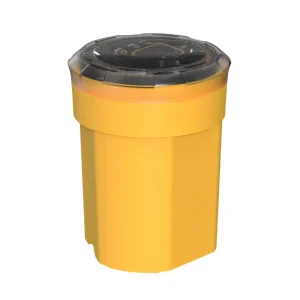
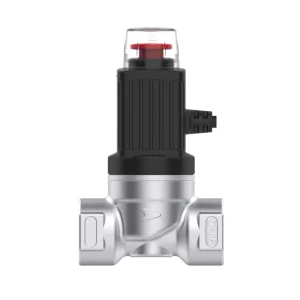
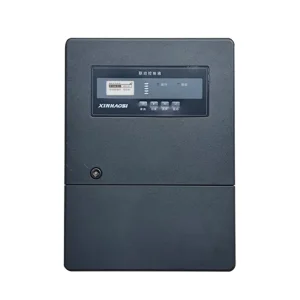
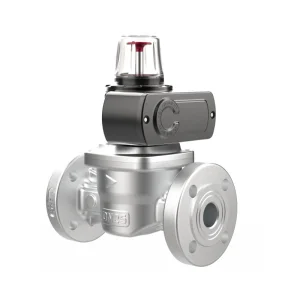
Explore our foundational line of industrial-grade detectors, solenoid safety valves, control boxes, and monitoring hardware designed for extreme operational reliability.
Years of Safety R&D
Patents & Copyrights
Annual Production Units
ISO/IEC 17025 Certified Lab
Carbon Monoxide (CO), commonly designated as the "silent killer," is a tasteless, colorless, and odorless toxic gas generated through the incomplete combustion of hydrocarbon fuels. For enterprise buyers, municipal developers, and HVAC distributors, acquiring high-performance detection units is not merely a purchasing decision—it is a critical compliance and safety liability. Modern battery carbon monoxide detectors rely heavily on advanced electrochemical sensor systems that undergo strict electronic redox reactions to yield measurable electrical current, precisely proportional to ambient CO concentration levels (ppm).
By leveraging dedicated lithium battery cells or high-performance alkaline systems, contemporary CO alarms provide uninterrupted monitoring without reliance on localized power grids. This makes them highly versatile for complex structural zones such as multi-family residential frameworks, off-grid industrial substations, and underground transportation networks. Our detectors utilize customized microcontrollers programmed with advanced digital signal processing (DSP) algorithms, enabling them to cross-reference sensor degradation curves and filter out potential cross-interference from household gases like methane, ethanol, and hydrogen.
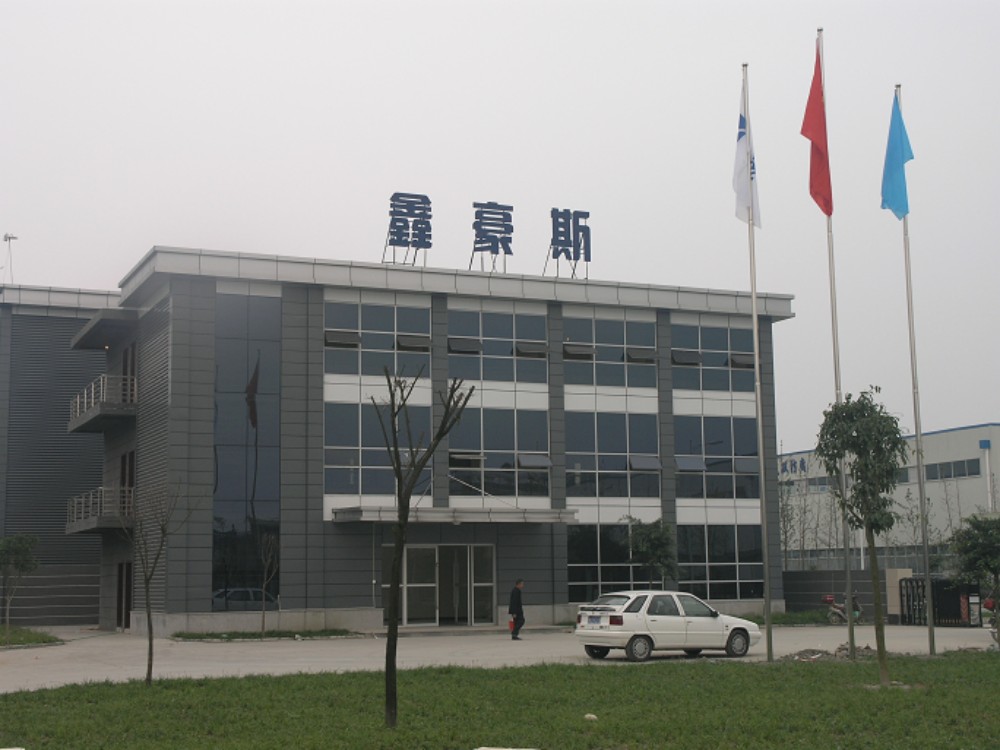
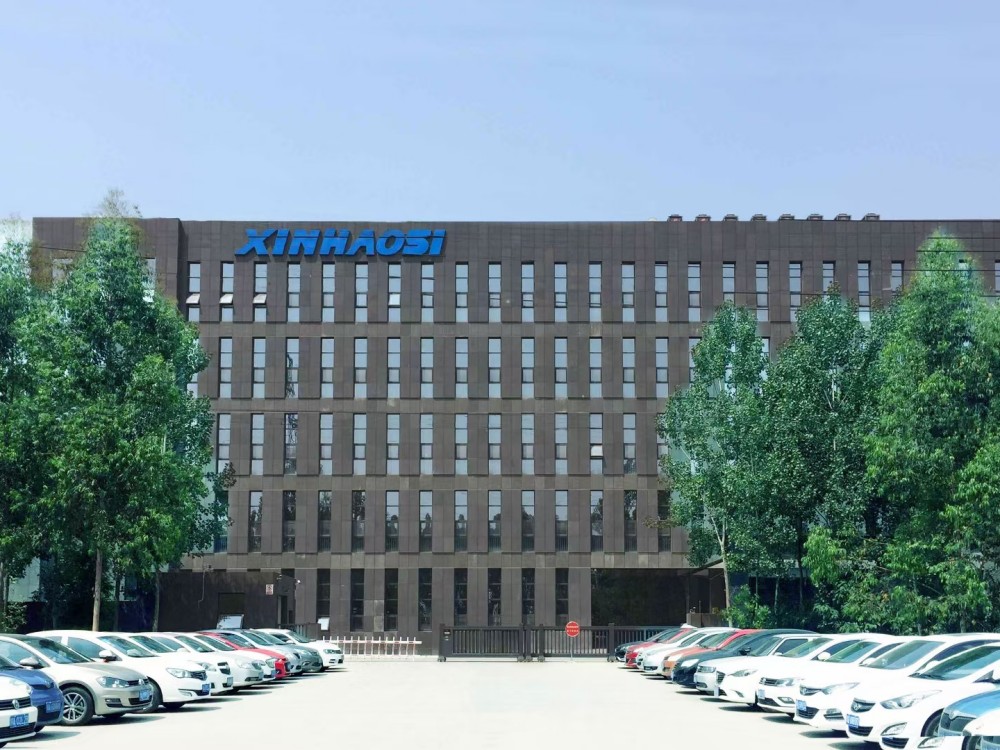
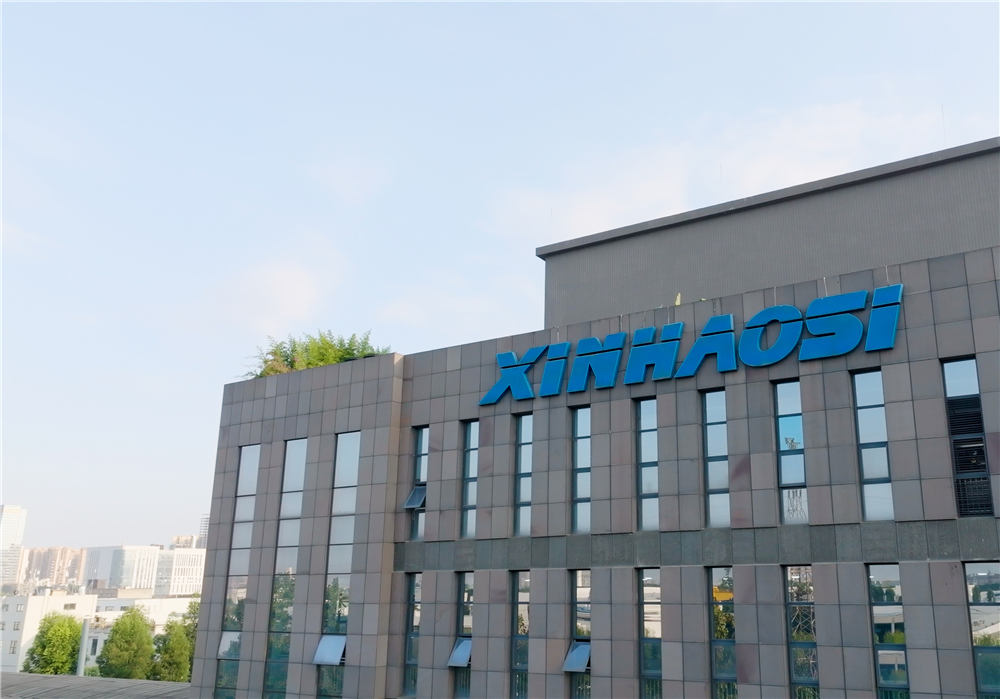
Operating dual high-efficiency production hubs across Sichuan to fulfill bulk international safety demands with consistent accuracy and certified quality control.
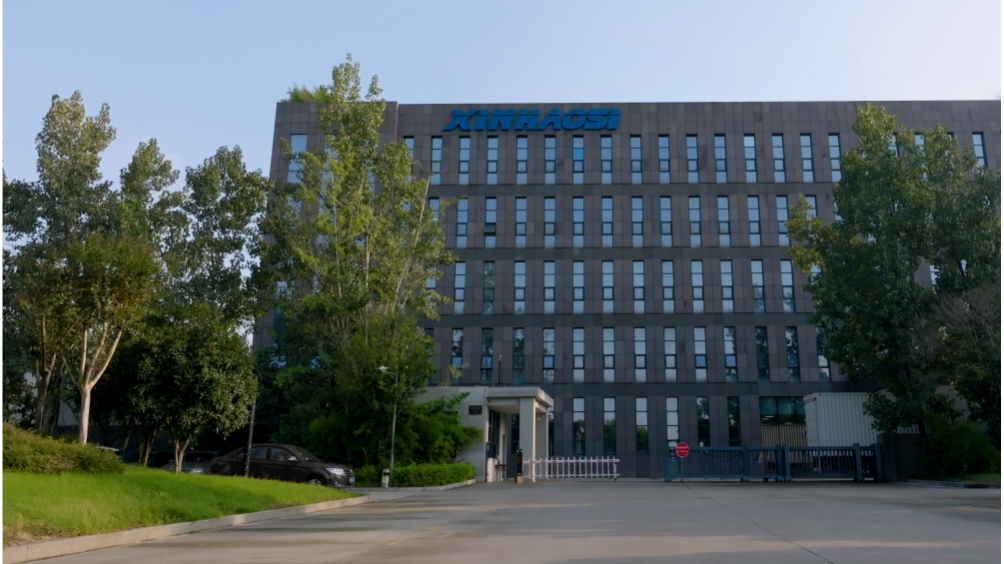
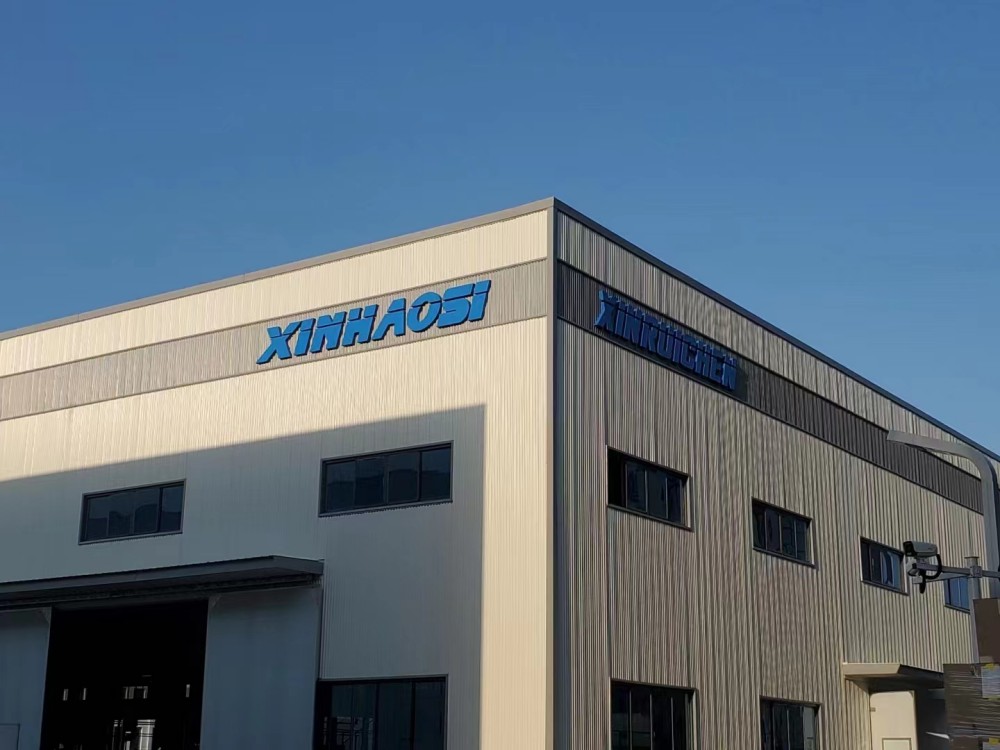
Chengdu Factory & Corporate Headquarters

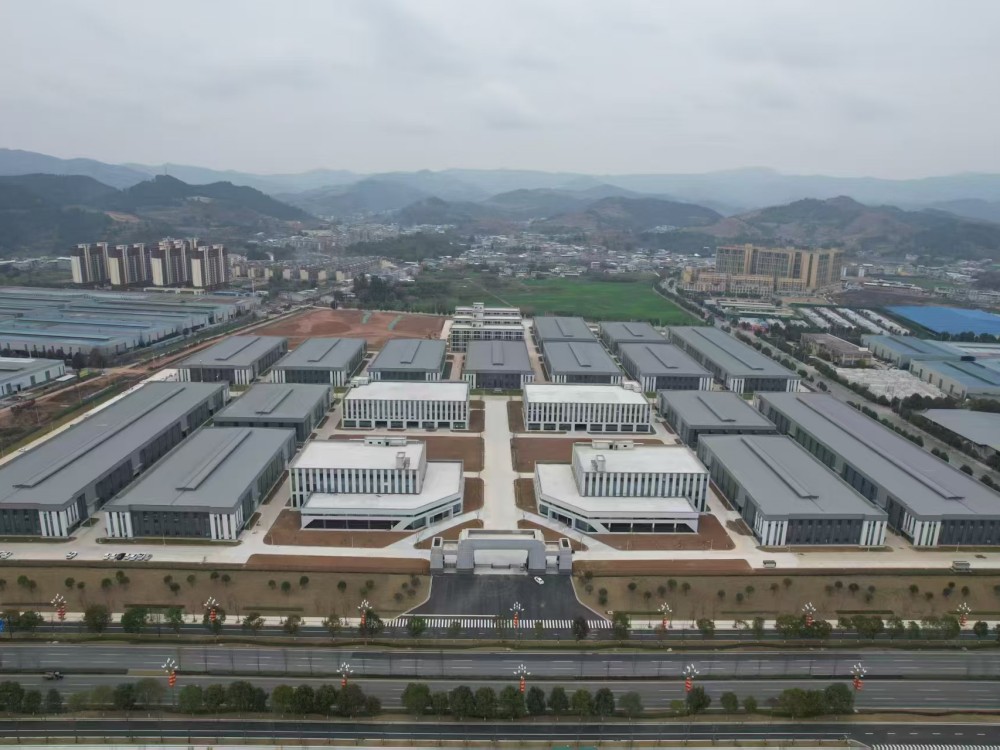
Deyang Advanced Smart Production Base
For B2B buyers sourcing from safety suppliers, supply chain resilience is paramount. Operating out of Chengdu and Deyang, Xinhaosi leverages the robust industrial cluster of Western China. Our integration of vertical supply lines allows us to produce tens of millions of units annually across residential gas alarms, industrial sensors, and intelligent shut-off valves. This dual-factory infrastructure guarantees continuous supply security, insulating our international clients from regional industrial disruptions.
Our Deyang base focuses on high-speed SMT assembly, automated calibration chambers, and comprehensive stress testing. By integrating component manufacturing, calibration, and enclosure plastics molding under one umbrella, we achieve production efficiencies that translate to premium, competitive safety hardware. We offer customized OEM/ODM packages tailored for specialized markets, satisfying specific voltage structures, language localized panels, and protocol integrations (e.g., Modbus, LoRaWAN, Zigbee, or standard 2-wire bus networks).
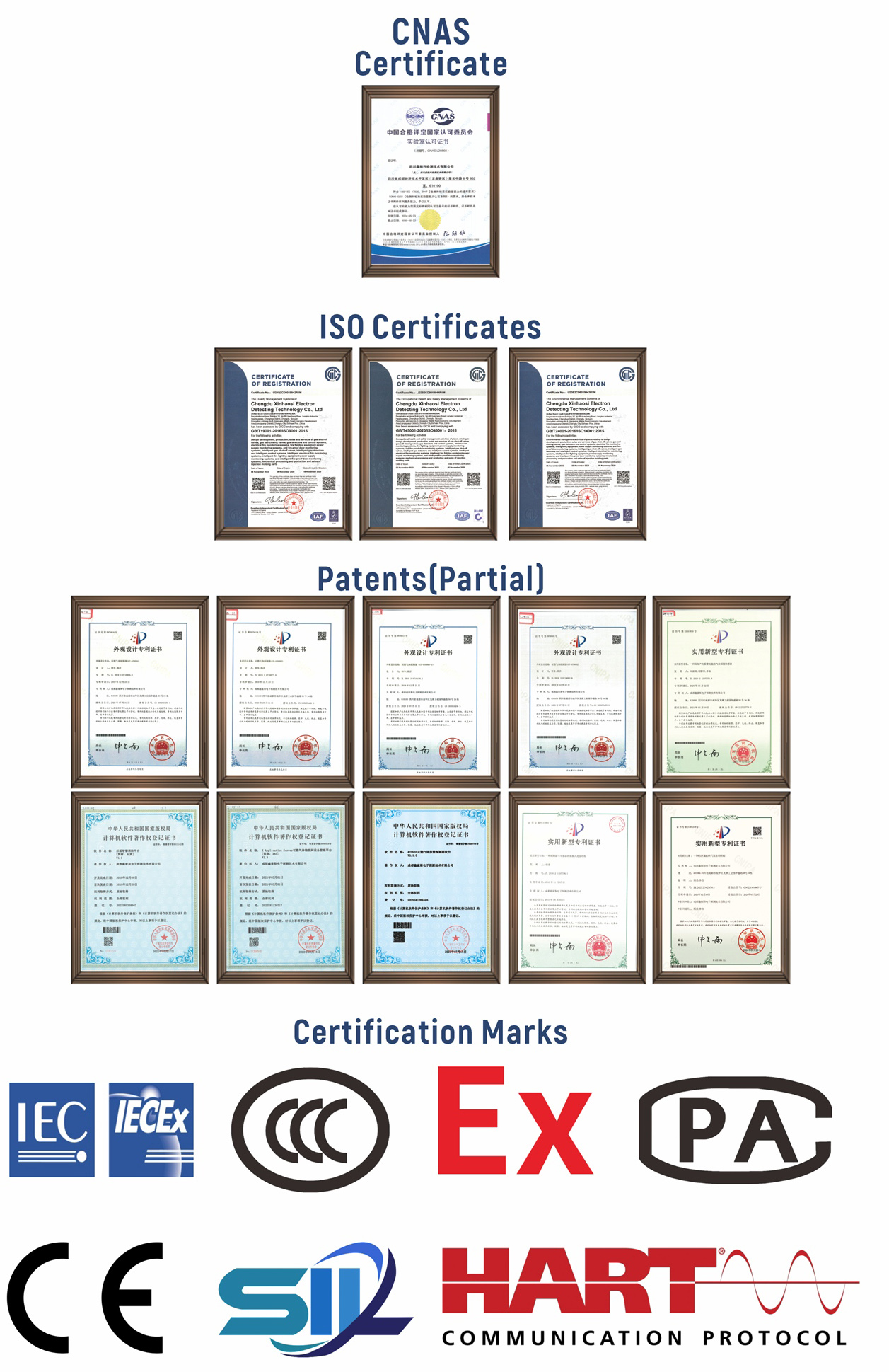
Our commitment to security is backed by deep compliance and intellectual property. Working under the strict guidelines of ISO9001 Quality Management Systems, our engineering core has obtained a full range of authoritative global and domestic certifications. These include national compulsory Product Certification (CCC), specialized explosion-proof certifications, fire product certification, CPA measurement instrument type approvals, and prestigious international safety marks including CE and SIL (Safety Integrity Level).
In terms of innovation, we hold over 50 patents and software copyrights. This includes our proprietary graphical gas safety monitoring system, which uses historical data matrices to implement predictive maintenance protocols, successfully reducing field failure rates by up to 30%. Furthermore, our unique flow-monitoring solenoid valve technologies allow for integrated pipeline management and automatic shutoffs, preventing downstream hazards.
Crucially, our testing laboratory is accredited by the China National Accreditation Service for Conformity Assessment (CNAS). Functioning under the strict regulatory parameters of the ILAC-MRA mutual recognition framework, our laboratory operates in compliance with ISO/IEC 17025. This status ensures that our calibration methods, sensor testing arrays, and humidity/temperature test chambers provide internationally valid data sheets accepted by global regulatory authorities.
How we help multinational companies navigate localized certification codes, legal safety metrics, and dynamic fire safety standards.
We configure sensor algorithms to comply with UL 2034 (US) and EN 50291 (Europe) alarm response curves. This includes verifying specific PPM thresholds and preventing nuisance alarms caused by minor transient CO spikes.
We provide tailormade programming to match local building codes, including custom buzzer patterns (Temp-4 CO signal), visual LED indicator styles, and digital telemetry packages for local wireless networks.
We field a dedicated technical engineering team capable of providing localized integration support for real estate developers, safety inspectors, and distributors during project commissioning phases.
Purchasing CO detectors without localized compliance parameters often leads to failed inspections, legal exposure, and insurance voidance. Xinhaosi ensures every batch is customized to target market regulations and comes with verified, traceable test data from our ISO/IEC 17025 calibrated testing laboratory.
Where high-accuracy battery-operated carbon monoxide detection systems are deployed to protect personnel, assets, and regulatory status.
Battery-operated CO alarms are a cost-effective safety choice for modern multi-family apartments, hotels, and student housing. Free from hardwired infrastructure constraints, they mount easily on drywall or plaster ceilings near fossil-fuel heating elements, individual gas ranges, and centralized laundry facilities.
Accumulation of automotive exhaust makes parking garages a primary source of carbon monoxide risk. While commercial zones use our wired detectors like the AT2004BIV-CO, battery-powered auxiliary sensors serve as critical, independent backups in pedestrian lobbies and elevators during power outages.
In processing facilities, chemical plants, and heavy manufacturing sites, safety instruments must operate independently of localized electrical faults. Battery-powered monitors protect maintenance teams working along gas transmission channels and remote utility distribution substations.
At Xinhaosi, we hold ourselves to the standard that gas safety should not be compromised. For more than twenty years, our philosophy has centered on developing robust, zero-failure systems. Because carbon monoxide is toxic even in small concentrations, our engineering teams focus on reducing sensor drift, improving battery longevity, and simplifying field installations.
Our corporate footprint encompasses several main business areas: Residential Gas Safety (household detectors, automated solenoid shutoffs), Industrial Risk Mitigation (explosion-proof transmitters, central monitoring panels), and Smart Municipal Solutions (urban pipeline flow controls and remote cellular telemetry devices). This comprehensive approach makes Xinhaosi a trusted partner for safety directors worldwide.
As the primary drafting organization for China's national standards on household gas solenoid valves, Xinhaosi actively steers regulatory metrics. We look beyond traditional detection by integrating IoT platforms, low-power mesh networks, and AI-enabled diagnostics into our systems.
This forward-looking perspective drives our R&D team to develop low-power sensors, extending the lifespan of battery-powered devices. By combining stable sensor chemistry with low-power radio communication, we provide modern industrial complexes with long-lasting safety coverage, keeping them compliant for years to come.
A look back at our evolution from a regional manufacturing startup to a globally recognized gas safety enterprise.

Direct answers from our compliance engineers regarding sensor lifespans, factory calibrations, customization, and lead times.
Our electrochemical carbon monoxide sensors have an operational life of 7 to 10 years, depending on the environment. Over time, the internal electrolyte can dehydrate and the catalyst can degrade. To manage this, our devices include built-in end-of-life (EOL) timers that alert building maintenance when replacement is necessary.
Yes. Our internal laboratory is accredited by the CNAS under the ISO/IEC 17025 standard. Through the ILAC-MRA mutual recognition agreement, our calibration records and testing data sheets are recognized by major international certification bodies and regulatory agencies worldwide.
Absolutely. We provide comprehensive B2B OEM and ODM services. This includes custom plastic injection molding, localized language branding, custom packaging, circuit board revisions for local wireless frequencies, and modified programming for regional compliance.
Every CO detector undergoes multi-stage automated gas chamber calibration. We expose units to precise concentrations of carbon monoxide gas under controlled temperature and humidity conditions. Sensor curves are calibrated on the chip, and data from every production lot is logged for quality assurance.
Standard OEM production runs typically range between 4 to 6 weeks, depending on order size and customization requirements. High-volume orders benefit from our dual-factory capacity, allowing us to keep production schedules predictable and reliable.
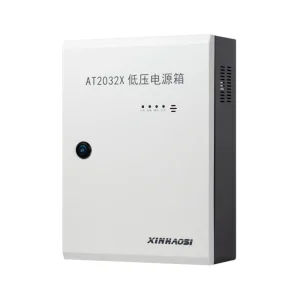
Explore our high-performance explosion-proof gas detectors, low-voltage power units, and intelligent controllers for comprehensive facility safety.