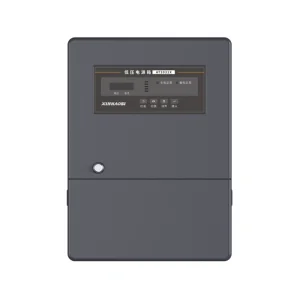
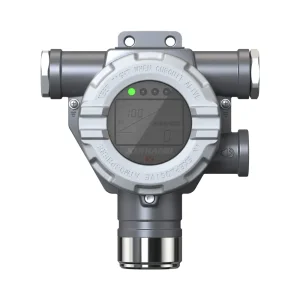
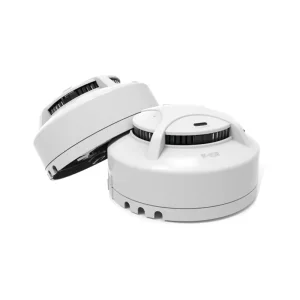
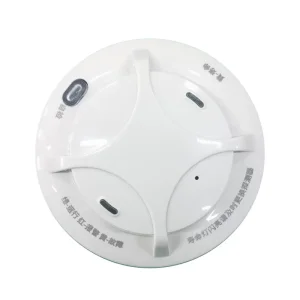
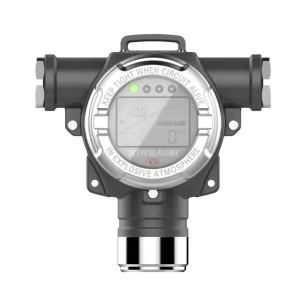
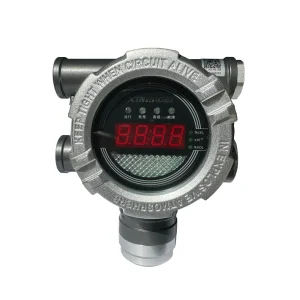
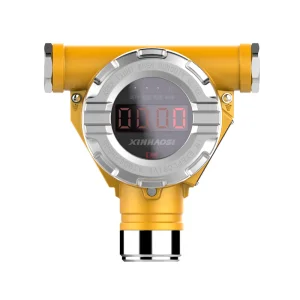
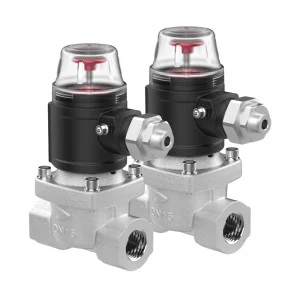
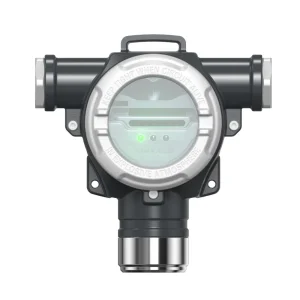
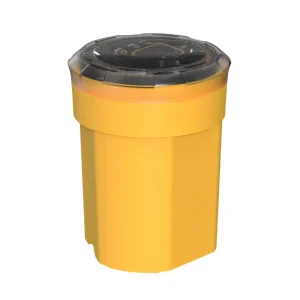
Engineered for extreme environments, delivering certified explosion-proof monitoring and real-time gas alarm controls.
Navigating toxicity hazards, operational reliability, and the necessity of robust continuous monitoring systems.
In modern industrial setups, leakage events of even a few parts per million (ppm) of Ammonia can pose immediate hazards to human health, damage agricultural inventory, and cause severe systemic shutdown of refrigeration plants. Selecting high-quality Ammonia sensors from certified factories is no longer just a regulatory checklist item—it is a critical operational safeguard. Under Google’s strict E-E-A-T (Experience, Expertise, Authoritativeness, and Trustworthiness) evaluation parameters, buyers demand deep transparency regarding technical sensor performance, calibrated manufacturing methodologies, and proven traceabilities. This whitepaper serves as an authoritative guide for global procurement departments, offering deep insights into technology roadmaps, factory capabilities, and global safety standards.
From traditional electrochemical principles to laser-based absorption architectures.
The industry benchmark for low ppm detection. Operates via current changes generated when ammonia molecules oxidize at the sensing electrode. Known for high linearity, rapid response (T90 < 30s), and minimal power consumption. Future paths focus on non-consumable, solid-state electrolytes to combat sensor drying and prolong operational life up to 5 years.
Optimal for detecting flammable thresholds (LEL levels) of Ammonia in industrial plants. Utilization of metal oxide semiconductor (MOS) structures changes resistance in the presence of reducing gases. Innovations center on nanostructured composite materials that lower operating temperatures and reduce cross-sensitivity to humidity changes.
The absolute pinnacle of high-accuracy NH3 gas monitoring. Utilizes a narrow-wavelength laser swept across a specific absorption line of Ammonia, measuring light attenuation. Offering zero cross-sensitivity to other gases, zero calibration drift, and operation in harsh environments, this technology defines the future roadmap for high-end heavy chemical installations.
The integration of Artificial Intelligence (AI) and the Internet of Things (IoT) into contemporary sensor heads enables real-time drift compensation. Machine learning models analyze environmental variables such as temperature, relative humidity, and background gases to mathematically correct sensor outputs. This reduces false alarms by over 40% and significantly extends the intervals between physical calibration sessions.
Tailored gas monitoring systems designed for distinct hazardous domains.
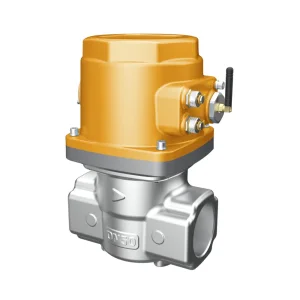
Ammonia's superior thermodynamic properties make it the refrigerant of choice for modern logistics warehouses. However, high-pressure liquid lines present constant burst risks. Solutions rely on networked electrochemical transmitters paired with automated fast-acting solenoid shutdown valves. The moment sensor nodes register ambient NH3 levels exceeding 25 ppm, ventilation protocols activate, and isolation valves seal the loop.
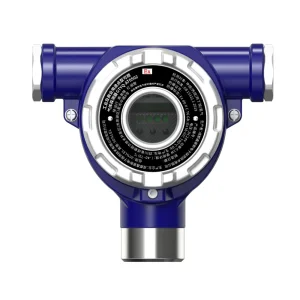
Operating in environments containing high levels of corrosive agents and dust requires robust, explosion-proof housings. Sensor integration utilizes stainless steel or heavy alloy bodies with dust caps and sintered filters. Devices carry SIL2 functional safety ratings, assuring long-term reliability under severe ambient chemical stress.
Combining state-of-the-art automation with rigorous quality inspection gates.
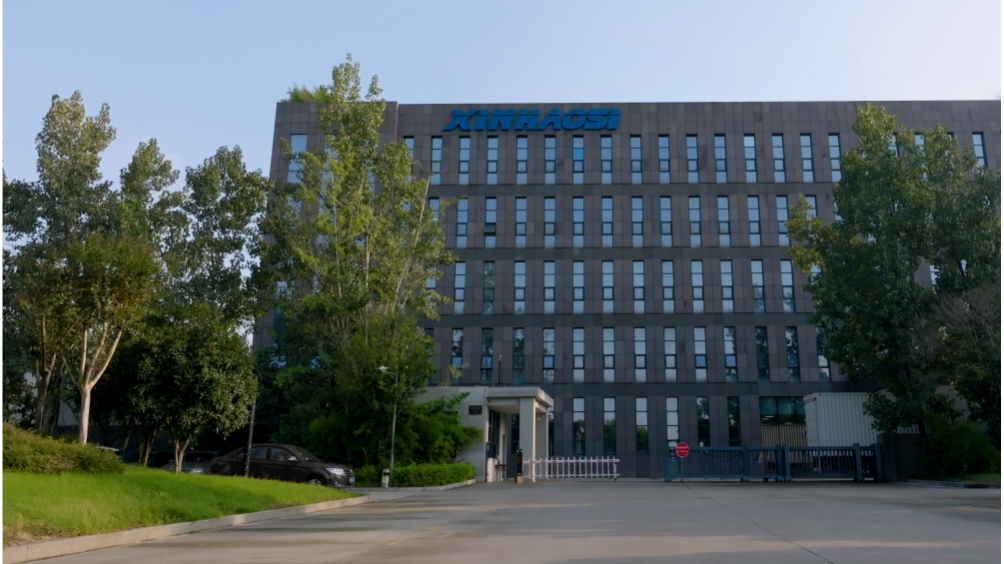
Chengdu Headquarters & Core Research Center
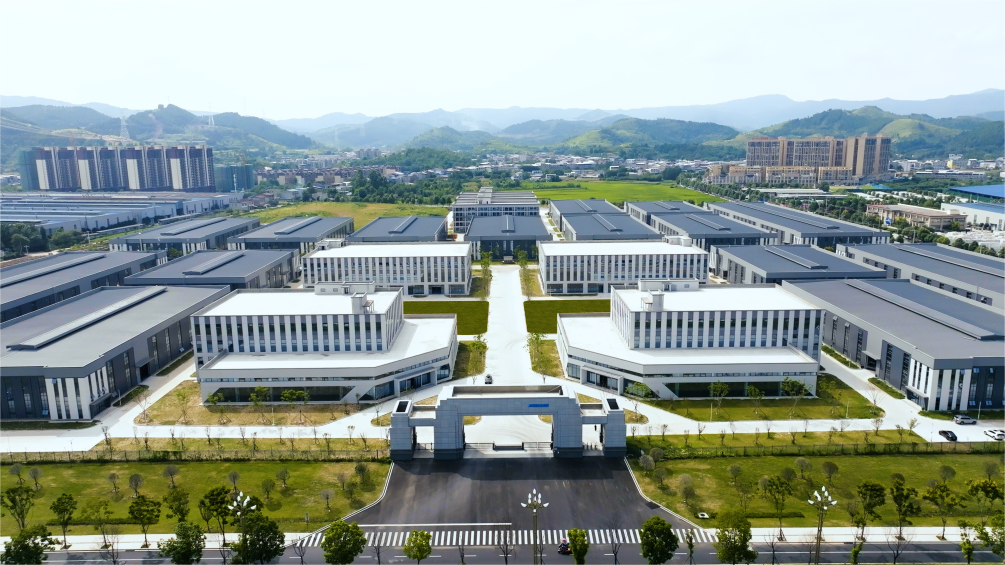
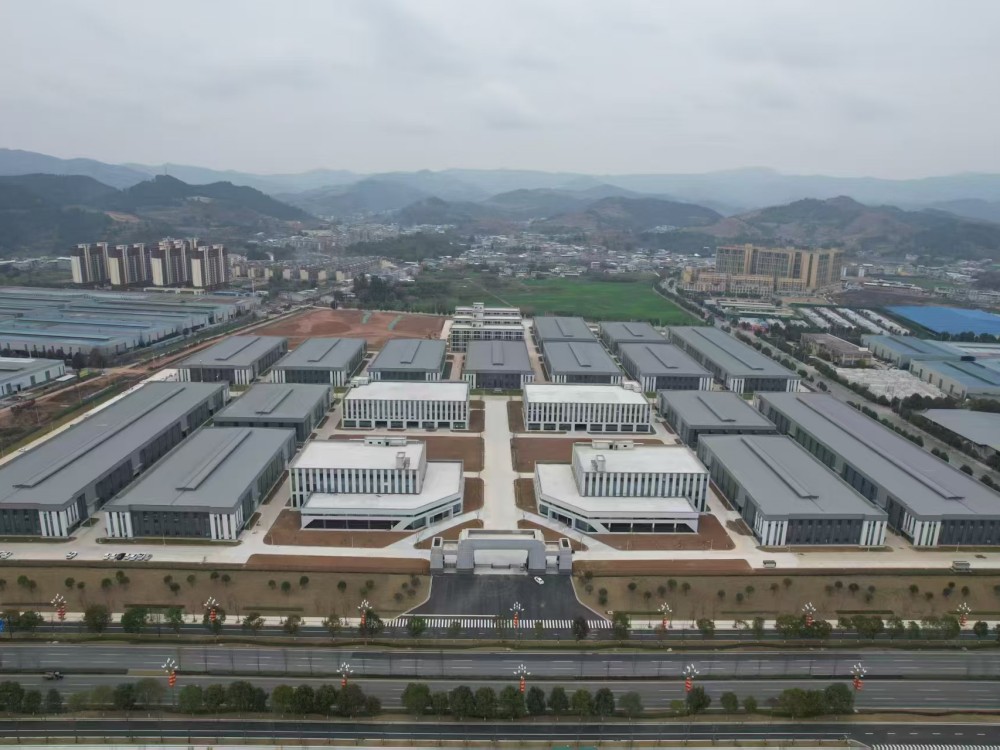
Deyang Smart Manufacturing & Assembly Base
China’s industrial transformation has culminated in Factory 4.0, characterized by high automation, digitized supply chain lines, and computerized precision calibration. Production lines leverage smart robotics, automated SMT setups, and high-throughput calibration facilities.
Our manufacturing ecosystem spans across two primary hubs: the Chengdu Base, focusing on core technology R&D, electrical designs, and national certifications; and the newly established Deyang Factory, designed for automated assembly, volume manufacturing, and mass testing. The automated assembly systems guarantee that gas transmitters and solenoid valves achieve high mechanical precision, yielding unmatched stability and batch consistency. This localized vertical integration safeguards component supply chains, preventing delays for urgent global infrastructure projects.
Deciphering regulatory benchmarks for cross-border engineering validation.
For multinational procurement agents, purchasing gas detection systems demands absolute compliance with regional standards. Industrial Ammonia sensor systems must satisfy rigorous testing regimes. Here are the core specifications demanded by global projects:
Sensing equipment operating in classified areas must hold ATEX, IECEx, or local equivalent certifications to ensure the sensor casing will not ignite external atmospheres under fault conditions.
Requires CPA type approvals and precise laboratory calibration parameters, certifying the sensors exhibit low drift and accurate reading replication across broad temperature ranges (-40°C to +70°C).
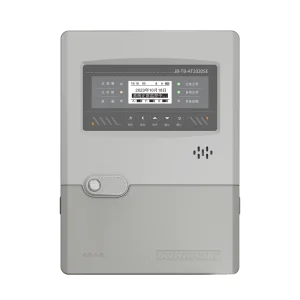
SIL (Safety Integrity Level) ratings verify the safety-critical function of the gas alarm controller and linked solenoid shutdown loops, establishing verifiable failure rate data.
Over two decades of proven brand leadership in global gas safety and IoT systems.
Founded in 2003, Xinhaosi is one of the most influential and trusted brands in the global gas safety industry. Over the past two decades, we have steadily built a robust and comprehensive production and service system, which integrates cutting-edge R&D, intelligent manufacturing with advanced automation equipment, digital marketing across global channels, professional after-sales support with an experienced technician team, flexible OEM/ODM services, as well as CNAS-Accredited laboratory calibration services that meet international standards.
Our diversified product portfolio covers industrial & residential gas detection & alarm systems, industrial & household gas solenoid valves, and urban gas pipeline network monitoring systems—all engineered to adapt to complex working environments and strict safety requirements. We produce and sell tens of millions of units annually, catering to a wide range of industries that demand reliable gas detection solutions, including oil & gas exploration and production, petrochemicals, urban gas distribution, automotive manufacturing, pharmaceuticals, new energy, steel production, and beverage processing.
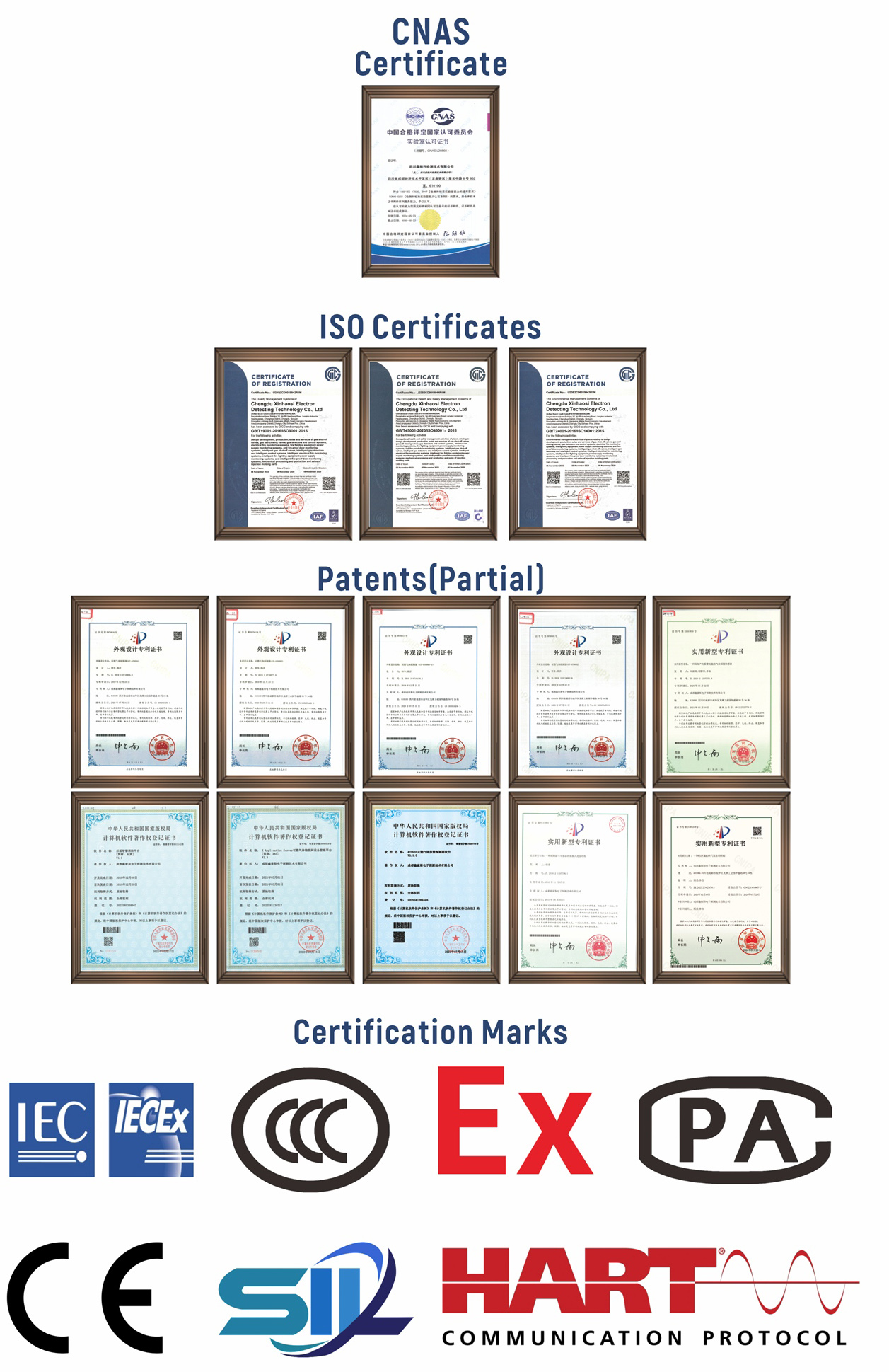
Adhering to ISO9001 quality management system standards, Xinhaosi's core products have obtained a full range of authoritative certifications, including national compulsory Products Certification, explosion-proof certification, fire product certification, CPA measurement instrument type approval certificate, and international approvals such as CE and SIL. Additionally, Xinhaosi holds honors such as "National Quality Integrity Benchmark Enterprise", "National Quality Leading Enterprise in the Gas Alarm Industry," membership in the China Fire Protection Association, and acts as the main drafting organization for the national standard of solenoid valves, further confirming its industry influence and reputation.
In the field of intellectual property, Xinhaosi has built a robust innovation system with over 50 patents and software copyrights. These patents cover core technological areas, including a graphical monitoring system for gas detection and alarm, which enables predictive maintenance based on historical data to reduce equipment failure rates by over 30%, and a solenoid valve with flow monitoring functionality that integrates flow detection and alarm capabilities. The company also pioneered China's first networked bus-type gas leakage monitoring system and the only maximum-point gas leakage monitoring system certified by the Ministry of Public Security, demonstrating its leading position in cutting-edge technological research.
Our in-house laboratory is accredited by the China National Accreditation Service for Conformity Assessment (CNAS), recognized both domestically and internationally under the ILAC-MRA framework. It operates in accordance with ISO/IEC 17025, the international standard for testing and calibration laboratories. It provides reliable and traceable testing services for gas detection and alarm products, solenoid valves, and related safety equipment. Test reports issued by the CNAS-accredited laboratory are widely accepted by regulatory authorities, certification bodies, and customers in China and overseas, helping to ensure product quality, safety compliance, and market access.
Tracing our evolution from a specialized startup to a national standard-setter.
● Established on April 17th, 2003.
● Launched the 1st generation of gas leak alarms and fire fighting products.
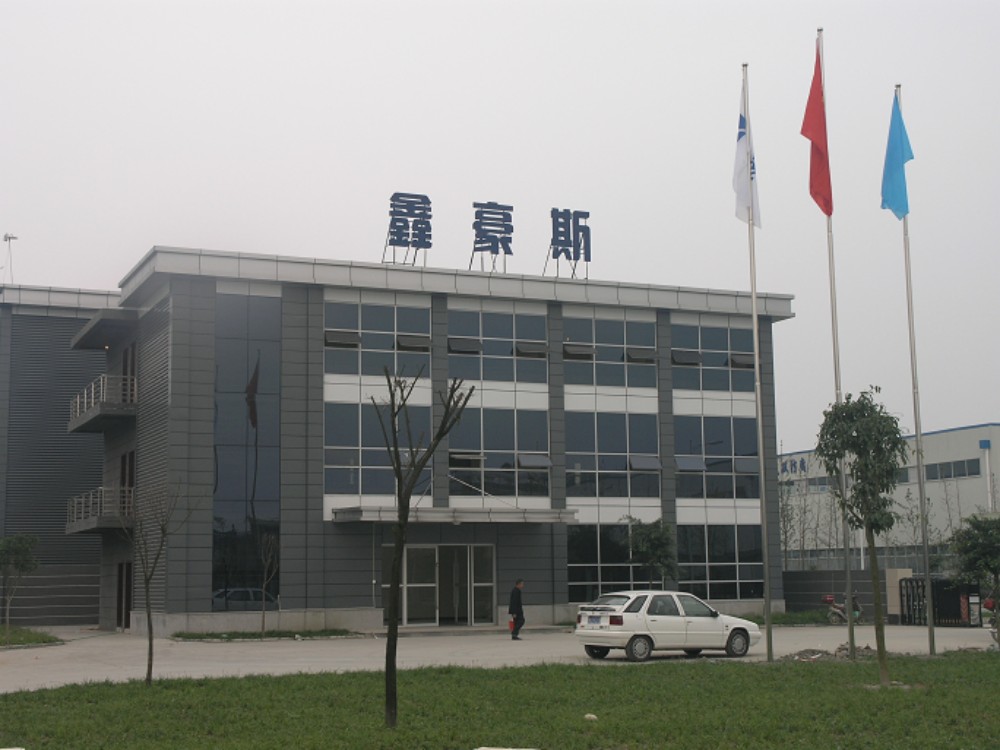
● Initiated in-house gas safety valve production lines.
● Expanded OEM business and relocated to the Longtan Industrial Park office building.

● Achieved milestone of 10 million cumulative gas detector units sold.
● Moved into dedicated Chengdu factory and completed national service network coverage.
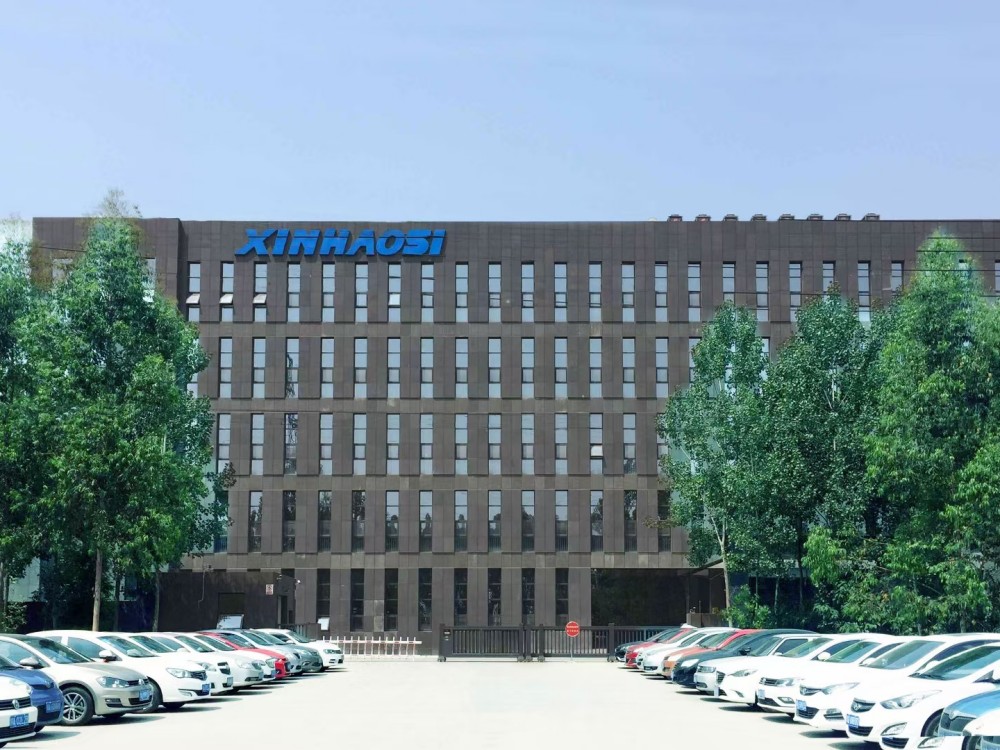
● Launched proprietary cloud IoT safety platforms.
● Awarded High-Tech Enterprise status and verified as an official supplier to Top 5 gas groups.
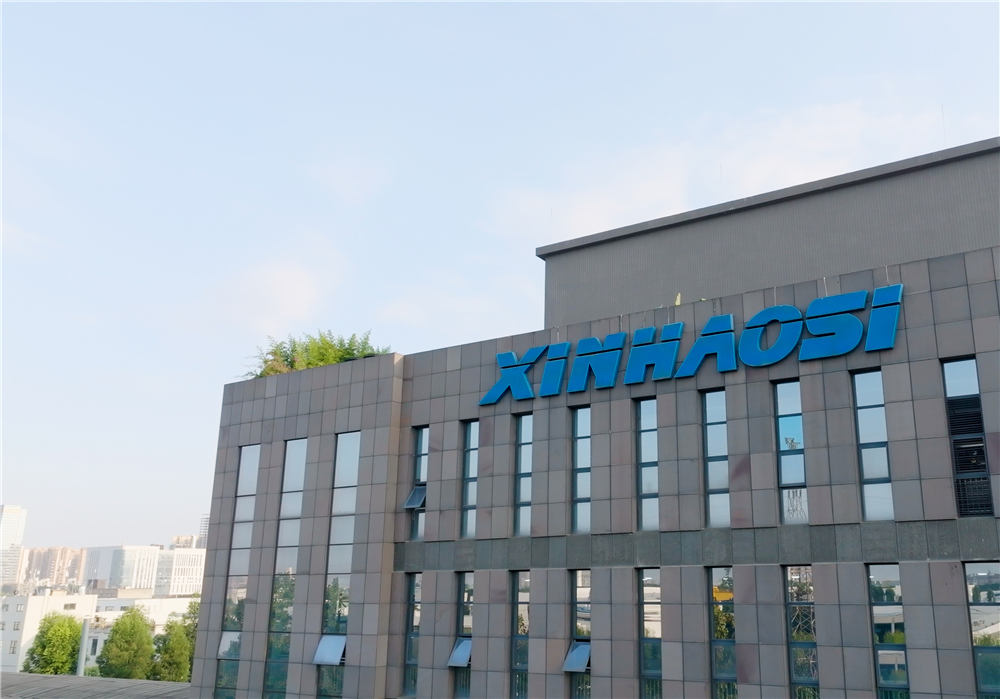
● Initiated Deyang production base construction.
● Formed dedicated Petrochemical and International Business Divisions.
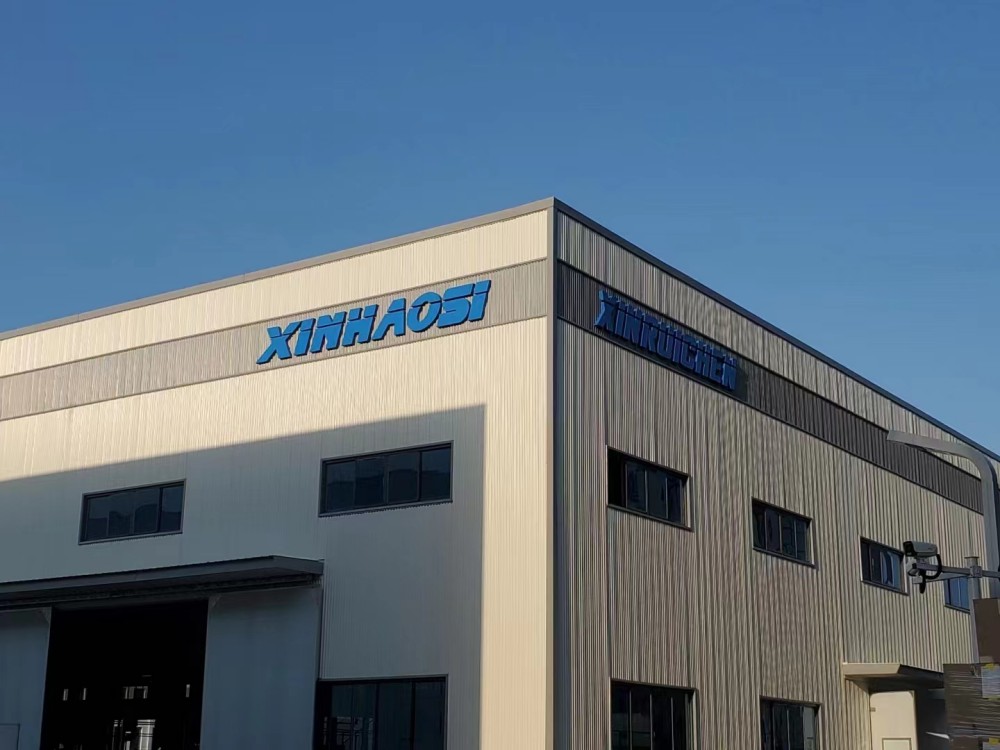
● Deyang automated factory goes fully operational.
● Unveiled new-gen pipeline monitors, wireless IoT alarms, and AI safety valves.
Answering high-intent technical questions from engineers and procurement specialists.
Integrated safety elements providing smart network monitoring and automated emergency shutoff functions.