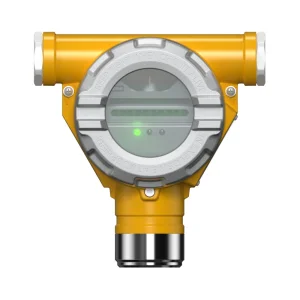
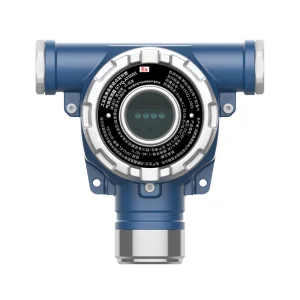
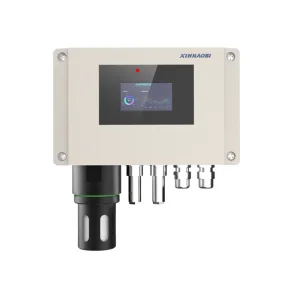
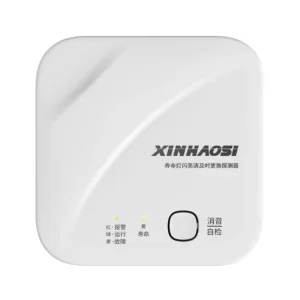
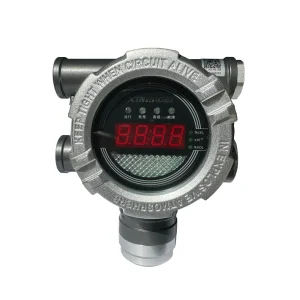
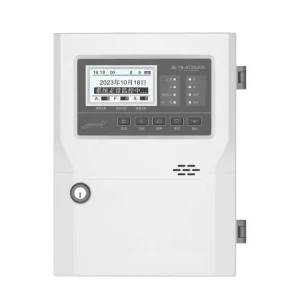
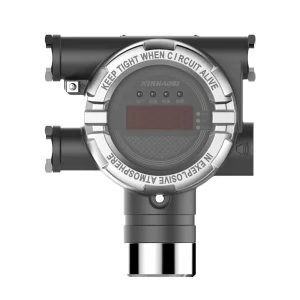
Engineered for high reliability, certified precision, and seamless integration into hazardous locations and safety systems.



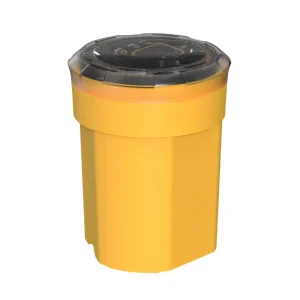
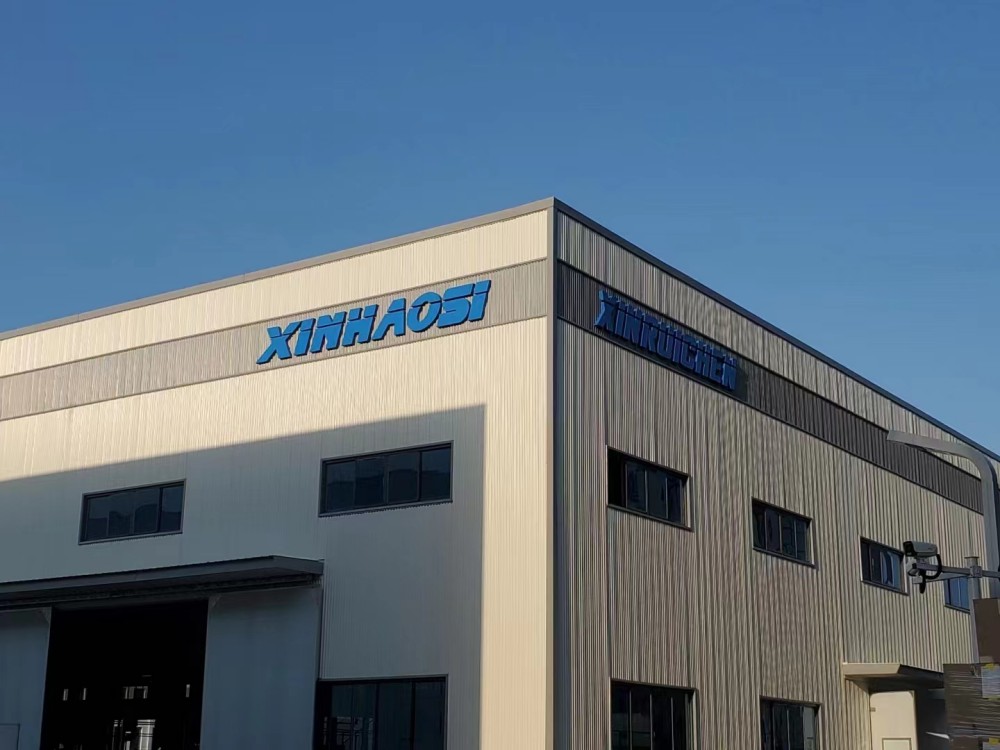
Xinhaosi is globally recognized for its exceptional leadership in the design, engineering, and manufacturing of advanced industrial gas safety controls and pipeline automation technologies.
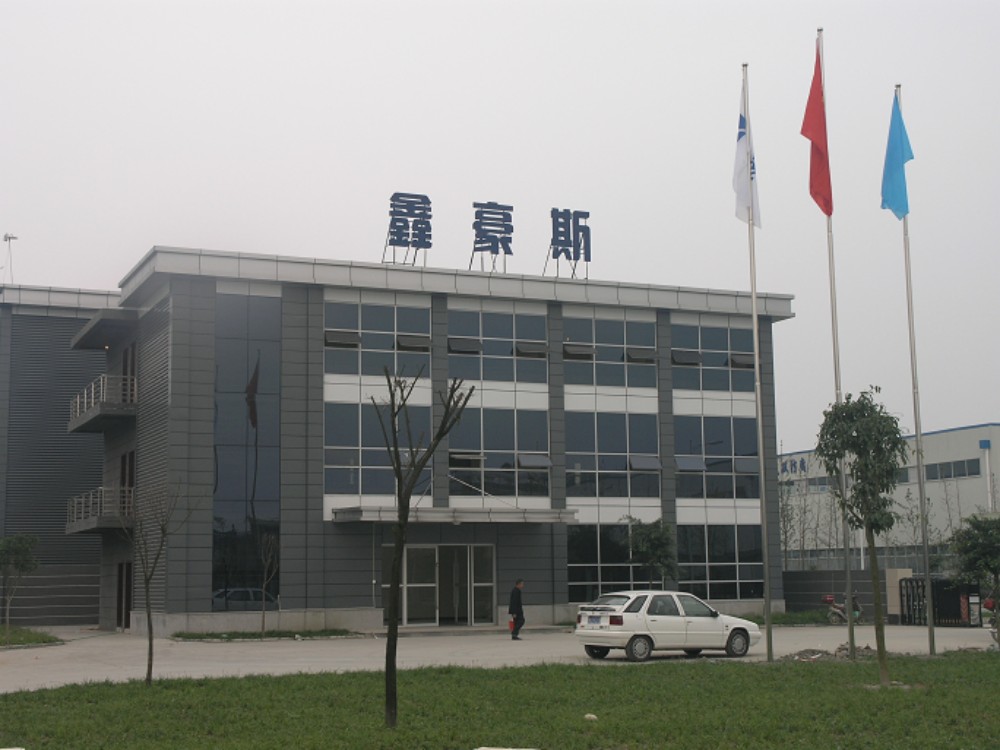
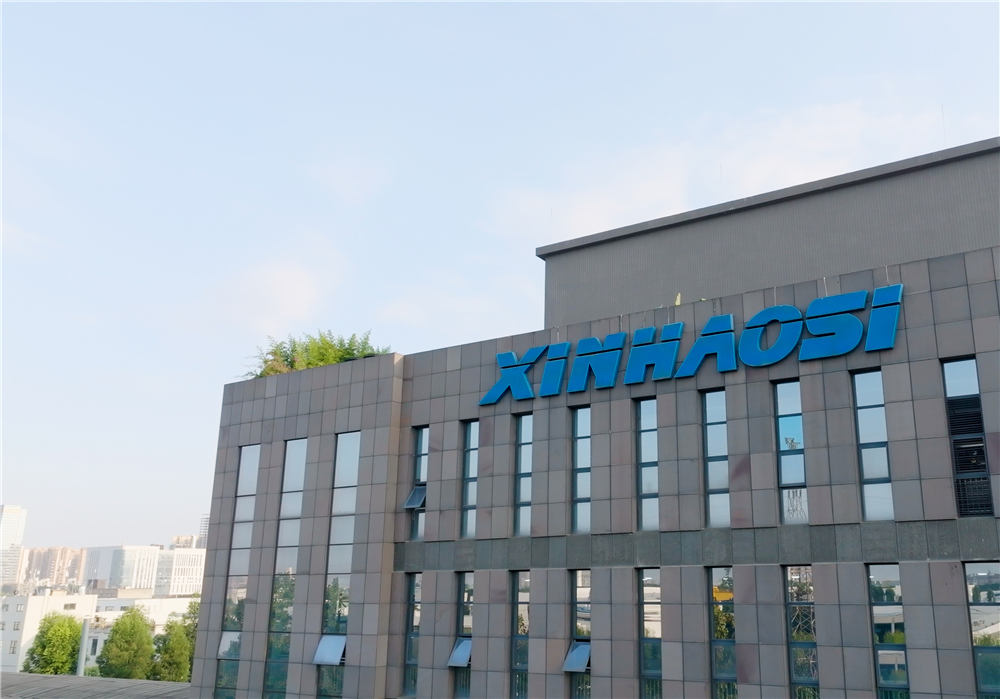
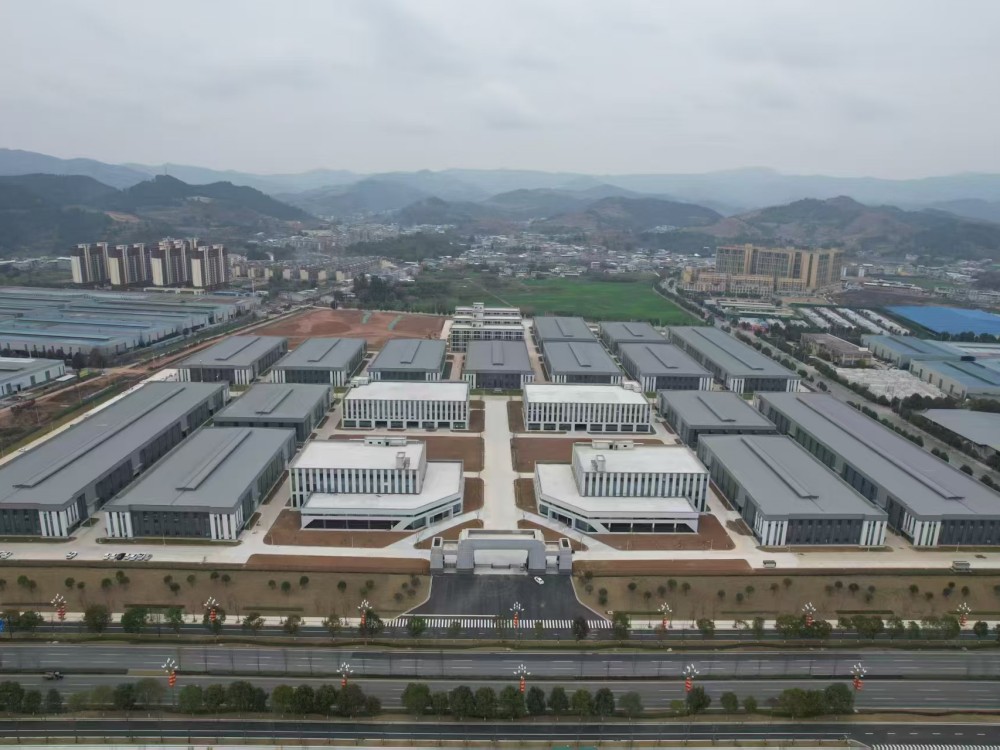
Founded in 2003, Xinhaosi is one of the most influential and trusted brands in the global gas safety industry. Over the past two decades, we have steadily built a robust and comprehensive production and service system, which integrates cutting-edge R&D, intelligent manufacturing with advanced automation equipment, digital marketing across global channels, professional after-sales support with an experienced technician team, flexible OEM/ODM services, as well as CNAS-Accredited laboratory calibration services that meet international standards.
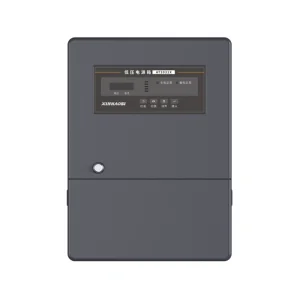
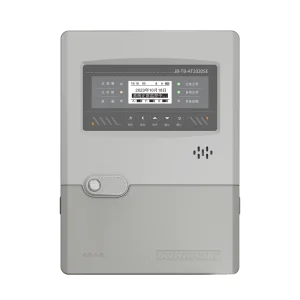
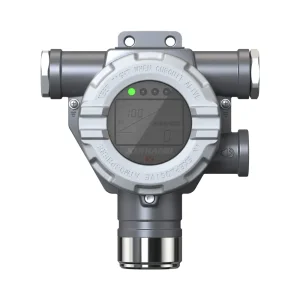
Our diversified product portfolio covers industrial & residential gas detection & alarm systems, industrial & household gas solenoid valves, and urban gas pipeline network monitoring systems—all engineered to adapt to complex working environments and strict safety requirements. We produce and sell tens of millions of units annually, catering to a wide range of industries that demand reliable gas detection solutions, including oil & gas exploration and production, petrochemicals, urban gas distribution, automotive manufacturing, pharmaceuticals, new energy, steel production, and beverage processing.
Guided by the core mission of “Making Gas Safety Accessible Everywhere,” we consistently deliver high-performance, reliable products and customized solutions tailored to each client’s unique needs. Every item we manufacture undergoes rigorous quality control tests, and every service we provide is backed by our professional technical team, fully embodying our unwavering commitment to safeguarding gas safety across both industrial workplaces and residential environments, and striving to build a safer world with sustainable gas safety technologies.


In modern industrial plants, gas safety is not merely about device selection; it requires a systematic, integrated approach to combustion safety management.
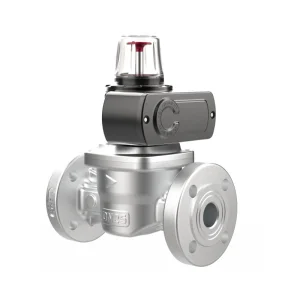
Gas solenoid valves serve as the ultimate mechanical line of defense. By incorporating direct-acting and pilot-operated solenoid valves into double-block and bleed systems, we ensure instant isolation of fuel gas supply lines. This design mitigates risks associated with flame-out conditions on multi-burner systems, thermal oxidizers, and industrial kilns.
For large-scale commercial structures and process facilities, our solenoid valves integrate directly with main emergency shutoff panels. Actuated via electrical signals from fire alarm panels, seismic sensors, or remote gas detectors, our low-power solenoid systems close within milliseconds, halting gas flow to prevent secondary explosions.
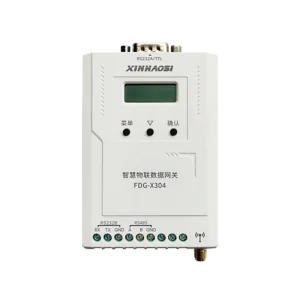
Moving beyond static mechanical components, our valves feature state-of-the-art telemetry integration. By communicating over Modbus, HART, or wireless networks via our intelligent data gateways, the valve status, line pressure, and cycle count can be monitored in real-time by SCADA systems, maximizing plant uptime.
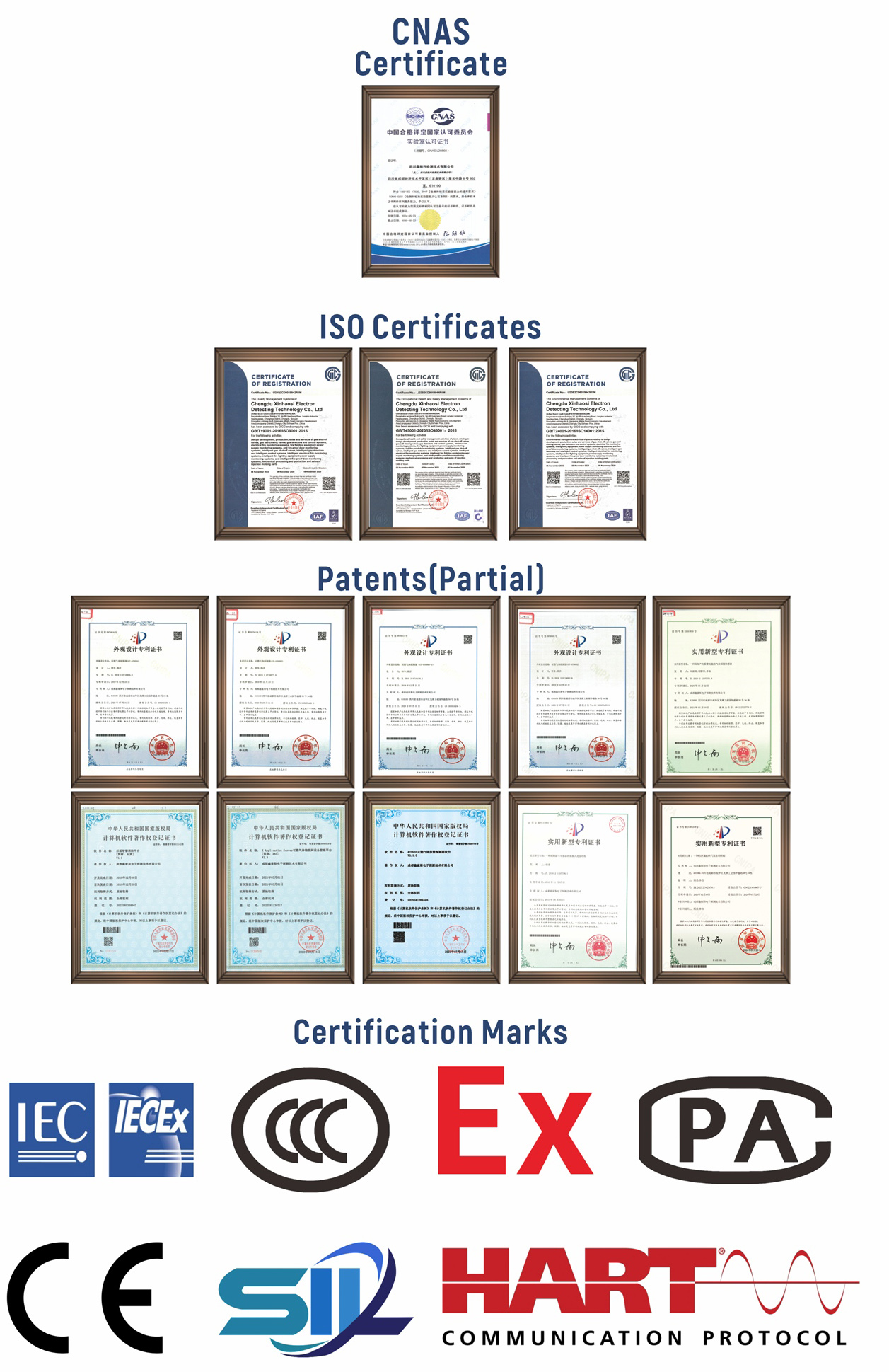
Our unwavering commitment to research, intellectual property, and international accreditation guarantees the reliability of every safety critical component we ship.
Adhering to ISO9001 quality management system standards, Xinhaosi's core products have obtained a full range of authoritative certifications, including national compulsory Products Certification, explosion-proof certification, fire product certification, CPA measurement instrument type approval certificate, and international approvals such as CE and SIL. Additionally, Xinhaosi holds honors such as "National Quality Integrity Benchmark Enterprise" , "National Quality Leading Enterprise in the Gas Alarm Industry," member of the China Fire Protection Association, and the main drafting organization for the national standard of solenoid valves, further confirming its industry influence and reputation.
In the field of intellectual property, Xinhaosi has built a robust innovation system with over 50 patents and software copyrights . These patents cover core technological areas, including a graphical monitoring system for gas detection and alarm, which enables predictive maintenance based on historical data to reduce equipment failure rates by over 30%, and a solenoid valve with flow monitoring functionality that integrates flow detection and alarm capabilities. The company also pioneered China's first networked bus-type gas leakage monitoring system and the only maximum-point gas leakage monitoring system certified by the Ministry of Public Security, demonstrating its leading position in cutting-edge technological research.
Our in-house laboratory is accredited by the China National Accreditation Service for Conformity Assessment (CNAS), recognized both domestically and internationally under the ILAC-MRA framework. It operates in accordance with ISO/IEC 17025, the international standard for testing and calibration laboratories. It provides reliable and traceable testing services for gas detection and alarm products, solenoid valves, and related safety equipment. Test reports issued by the CNAS-accredited laboratory are widely accepted by regulatory authorities, certification bodies, and customers in China and overseas, helping to ensure product quality, safety compliance, and market access.
A macroeconomic overview of the industrial gas valve market, highlighting regulatory demands, technology adoption, and sustainability transitions.
Globally, strict standards dictate the safety performance of gas flow control systems. In Europe, the EN 161 standard governs automatic shutoff valves for gas burners and gas appliances, mandating Class A classifications for main supply lines. Across North America, ANSI Z21.21 / CSA 6.5 standards regulate automatic valves for gas appliances. Xinhaosi align manufacturing practices directly with these standards to ensure seamless global market integration.
As the energy sector transitions towards decarbonization, blending hydrogen into existing natural gas infrastructure presents a significant challenge for sealing materials and valve design. Hydrogen embrittlement and higher leak rates require specialized elastomers, such as engineered FKM or HNBR, alongside explosion-proof solenoid housing classifications (Ex d IIC T6) capable of mitigating hydrogen's high-flammability risk profiles.
Procurement directors and plant managers are shifting focus from initial capital expenditure (CAPEX) to operational expenditure (OPEX) over the lifecycle of industrial valves. Solenoid valves equipped with high-durability coils (Class H insulation, continuous duty rated), low power consumption profiles, and predictable mean time to dangerous failure (MTTFd) parameters offer superior total cost of ownership (TCO).
Understanding the unique environmental and mechanical requirements of specialized gas installations.
In environments filled with corrosive hydrocarbon vapors and saline coastal air, standard brass-body valves are insufficient. We recommend and supply heavy-duty cast steel and stainless steel (316L) solenoid valves equipped with flameproof enclosures. These valves are rated for Zone 1 and Zone 2 hazardous areas, protecting process loops from accidental ignition.
For municipal natural gas networks, our valves operate in remote locations. These require low-power, latching solenoid mechanisms that draw current only during state transitions (open/close). They operate seamlessly in conjunction with local solar power systems and cellular RTUs to provide grid-wide safety control.
Located in basements or rooftops of high-rise commercial structures, safety systems require direct linkages to carbon monoxide and combustible methane sensors. In the event of a gas leak or power loss, the solenoid valve operates via fail-safe spring-return mechanics, cutting fuel lines to keep building occupants safe.
A projection of how digitalization, materials science, and AI are transforming gas safety over the next decade.
Future gas solenoid valves will incorporate sensors directly into the coil housing. By measuring coil temperature, current draws, and valve stem travel time, the valve can predict issues like mechanical sticking, coil degradation, or seal wear before they lead to functional failures, feeding data directly to cloud-based monitoring dashboards.
As remote IoT deployment grows, future designs will utilize energy-harvesting technologies (such as thermoelectric generators harnessing pipeline temperature differences or micro-turbines) to power local valve telemetry, reducing dependence on battery replacements in remote networks.
To combat hydrogen embrittlement and permeation, Xinhaosi is researching advanced polymers and surface coatings. These technologies will allow current pipeline infrastructure to handle high concentrations of hydrogen safely without risking external gas leakage.
Tracing our evolution from a specialized regional manufacturer to a global leader in gas safety solutions.


Comprehensive engineering and procurement support from our global application team.
Explore our complete catalog of industrial-grade components designed to deliver reliable safety and isolation performance.