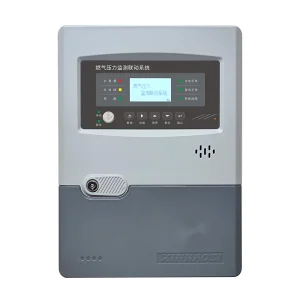
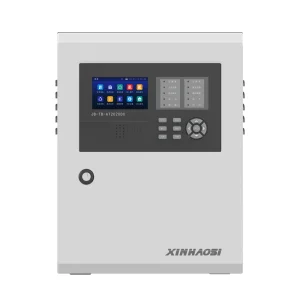
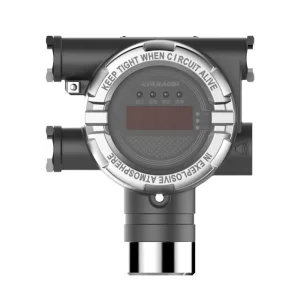
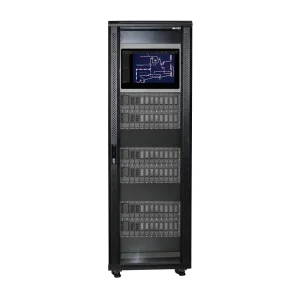
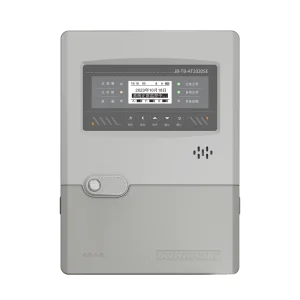
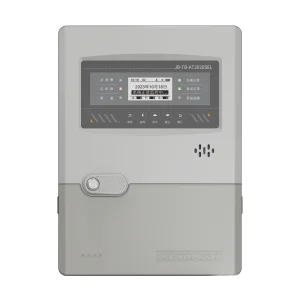
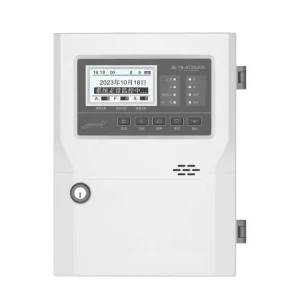
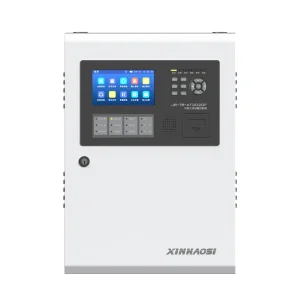
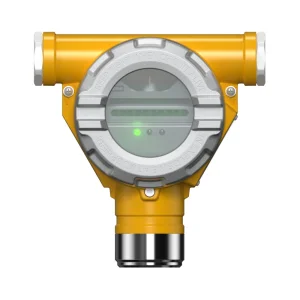
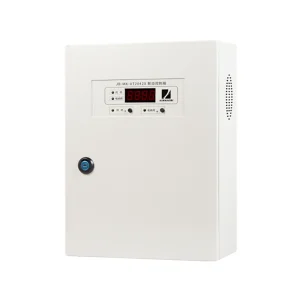
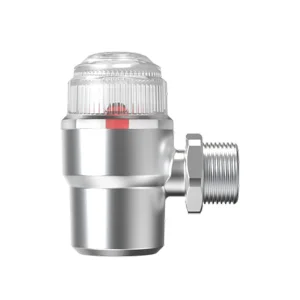
Explore our high-performance controllers optimized for tropical industrial environments, featuring RS485 communication, MODBUS protocol integration, and real-time monitoring.
As Indonesia's economic engine, the Special Capital Region of Jakarta (DKI Jakarta) and its surrounding industrial satellites (Bekasi, Karawang, Tangerang, and Depok) represent one of Southeast Asia's most dense concentrations of industrial activity. Amidst this rapid modernization, managing industrial gas safety is not just a regulatory obligation but a critical pillar of operational continuity. The deployment of robust Gas Detector Controllers serves as the central nervous system for environmental safety, hazardous area classification, and automated accident prevention.
This document serves as an engineering whitepaper exploring the deployment dynamics, technical requirements, and global supply chain opportunities of gas detector controllers tailored specifically for the Jakarta market. We analyze local regulatory frameworks (such as SNI and K3 guidelines set by the Ministry of Manpower), investigate key local application environments, and explain how the integration of China's Industry 4.0 manufacturing processes provides unparalleled supply chain resilience for Indonesian enterprises.
Jakarta’s geographic position, paired with massive infrastructural investments such as the expansion of the Tanjung Priok Port, has catalyzed an influx of manufacturing plants, chemical storage terminals, and major commercial developments. However, local operators face unique ambient and systemic challenges.
Tropical Ambient Stresses: The coastal climate of Jakarta features high year-round relative humidity (frequently exceeding 85%) and elevated temperatures. These environmental stressors accelerate sensor degradation and increase the risk of condensation and electrical faults in gas control panels. Our range of controllers is built with robust enclosure ratings (IP65 to IP67) and marine-grade protective coatings to prevent moisture ingress and oxidation, securing uninterrupted operation.
Regulatory Alignment (K3 & SNI): Indonesian safety laws (Undang-Undang No. 1 Tahun 1970 concerning Work Safety) mandate strict preventive guidelines for workplaces with potential explosive or toxic gas risks. The implementation of modern Gas Detector Controllers (such as our JB-TB-AT2020 series) ensures compliance with the Ministry of Manpower’s (Kemnaker) occupational safety standards, preventing costly plant shutdowns, regulatory penalties, and insuring the workforce.
The global industrial safety sector is rapidly shifting from reactive emergency shutdown models to proactive, predictive safety intelligence. At the core of this transition is the advancement of the gas detection control console. Modern deployments prioritize the following key engineering directions:
Modern plants require centralized remote dashboards. Using RS485 Modbus networks, our controllers feed gas concentration telemetry to SCADA systems and cloud-based IoT monitors, allowing engineers in Jakarta to monitor operations from anywhere via secure protocols.
By keeping historical calibration data and drift records, intelligent controllers can predict sensor failures up to 30 days before they occur. This reduces false alarms and allows planned maintenance shutdowns rather than unexpected downtime.
Safety Integrity Level (SIL) ratings certify that the control system will perform its safety function under hazardous conditions. Our controllers are built according to SIL standards, matching the risk reduction requirements of top petrochemical operators.
Founded in 2003, Xinhaosi is one of the most influential and trusted brands in the global gas safety industry. Over the past two decades, we have steadily built a robust and comprehensive production and service system, which integrates cutting-edge R&D, intelligent manufacturing with advanced automation equipment, digital marketing across global channels, professional after-sales support with an experienced technician team, flexible OEM/ODM services, as well as CNAS-Accredited laboratory calibration services that meet international standards (ISO/IEC 17025).
Our diversified product portfolio covers industrial & residential gas detection & alarm systems, industrial & household gas solenoid valves, and urban gas pipeline network monitoring systems—all engineered to adapt to complex working environments and strict safety requirements. We produce and sell tens of millions of units annually, catering to a wide range of industries that demand reliable gas detection solutions, including oil & gas exploration and production, petrochemicals, urban gas distribution, automotive manufacturing, pharmaceuticals, new energy, steel production, and beverage processing.
Guided by the core mission of “Making Gas Safety Accessible Everywhere,” we consistently deliver high-performance, reliable products and customized solutions tailored to each client’s unique needs. Every item we manufacture undergoes rigorous quality control tests, and every service we provide is backed by our professional technical team, fully embodying our unwavering commitment to safeguarding gas safety across both industrial workplaces and residential environments.
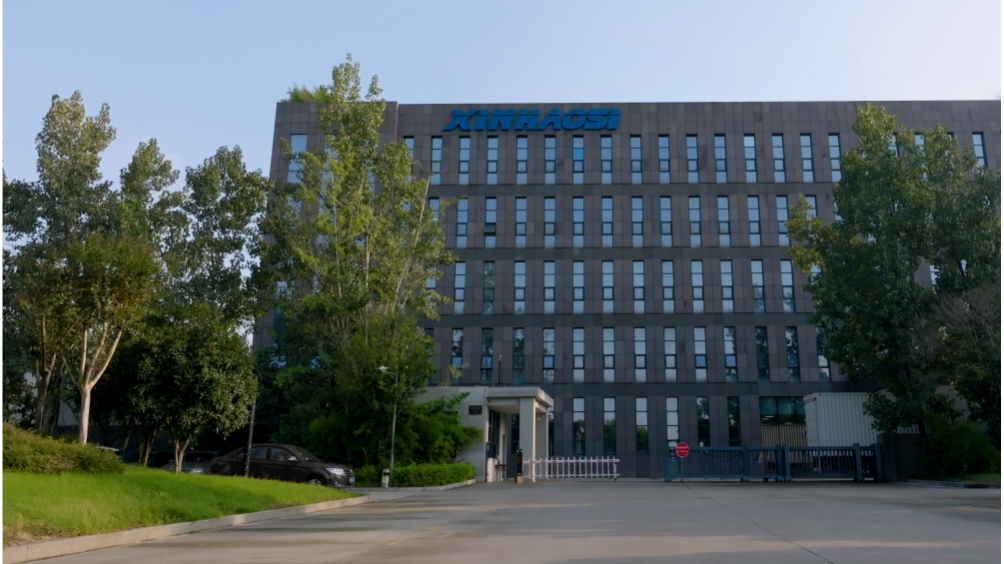
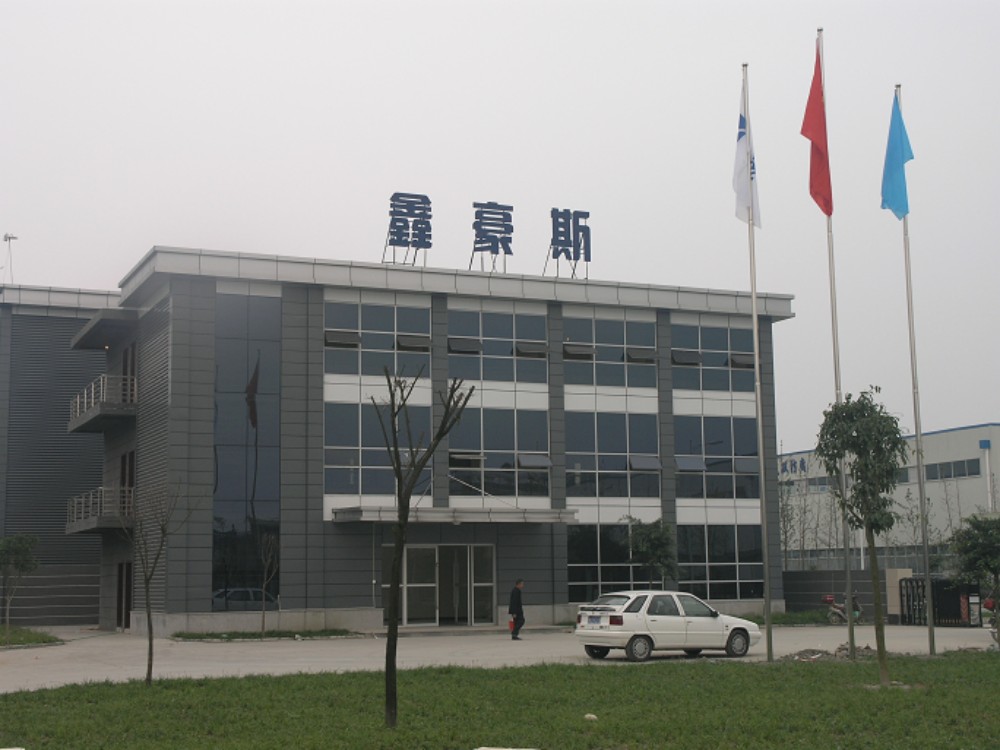
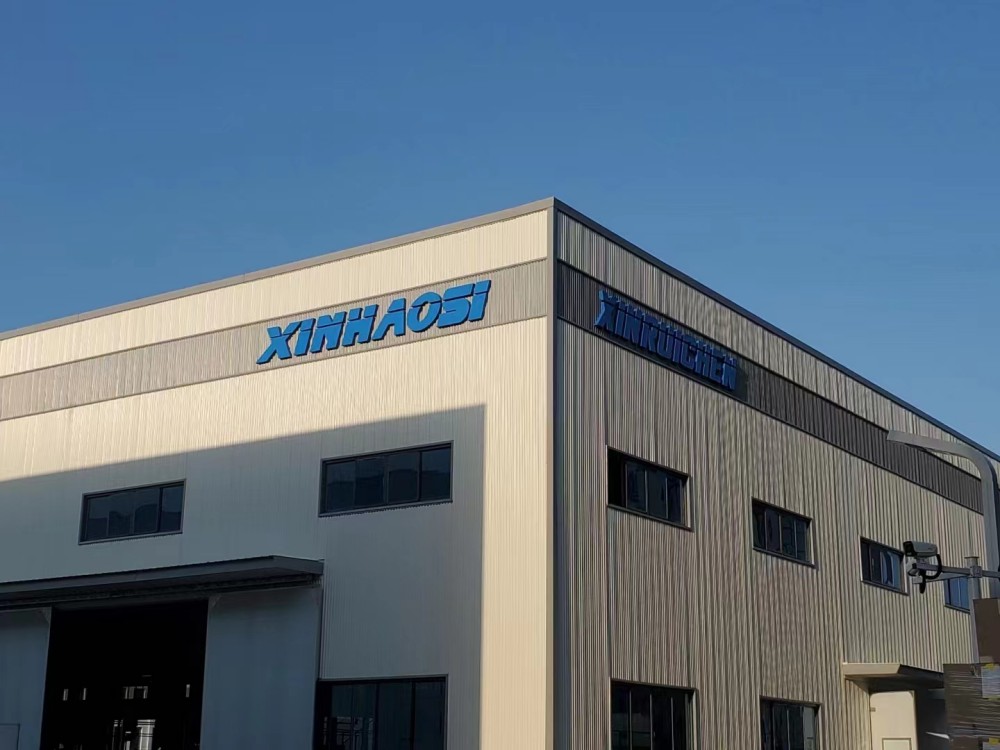
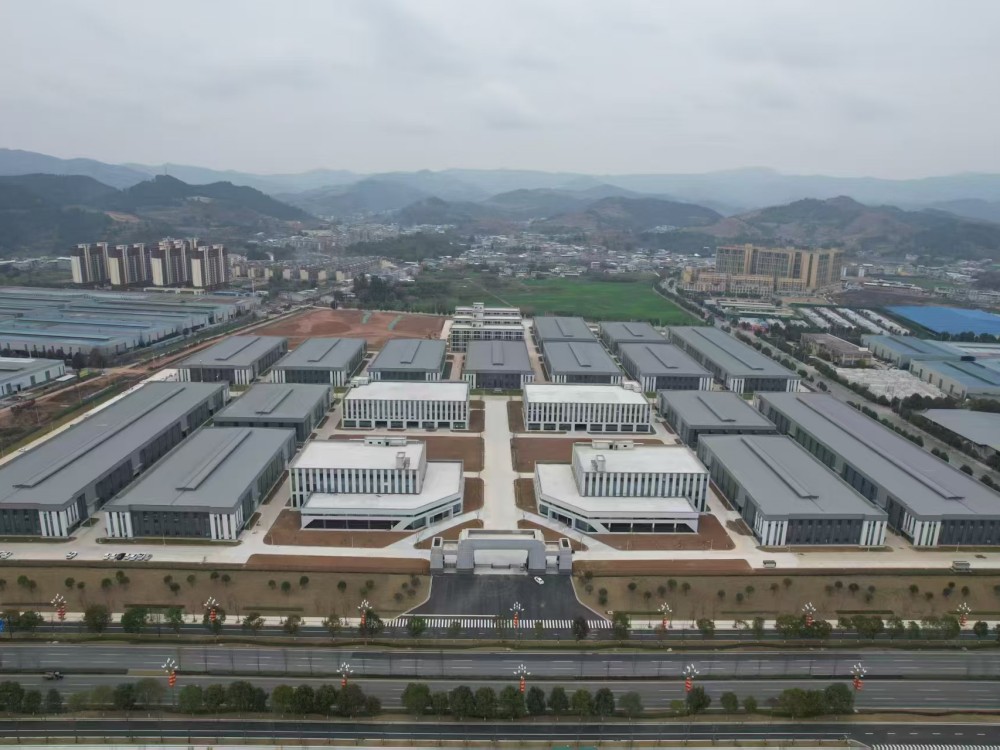
Chengdu Factory & Office
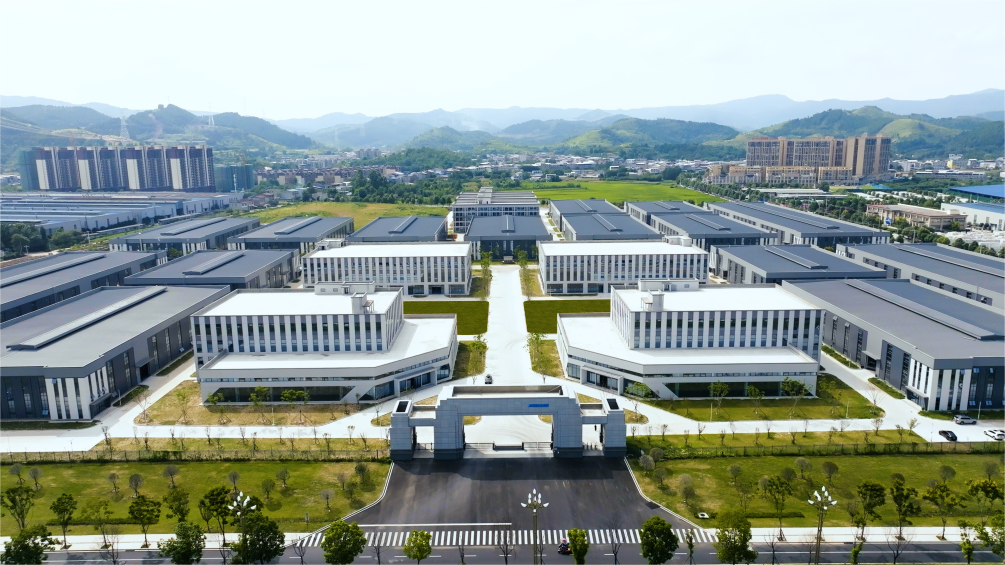
Deyang Factory
Adhering to ISO9001 quality management system standards, Xinhaosi's core products have obtained a full range of authoritative certifications, including national compulsory Products Certification, explosion-proof certification, fire product certification, CPA measurement instrument type approval certificate, and international approvals such as CE and SIL. Additionally, Xinhaosi holds honors such as "National Quality Integrity Benchmark Enterprise", "National Quality Leading Enterprise in the Gas Alarm Industry," member of the China Fire Protection Association, and the main drafting organization for the national standard of solenoid valves, confirming its industry influence.
In the field of intellectual property, Xinhaosi has built a robust innovation system with over 50 patents and software copyrights. These patents cover core technological areas, including a graphical monitoring system for gas detection and alarm, which enables predictive maintenance based on historical data to reduce equipment failure rates by over 30%, and a solenoid valve with flow monitoring functionality that integrates flow detection and alarm capabilities. The company also pioneered China's first networked bus-type gas leakage monitoring system and the only maximum-point gas leakage monitoring system certified by the Ministry of Public Security.
Our in-house laboratory is accredited by the China National Accreditation Service for Conformity Assessment (CNAS), recognized both domestically and internationally under the ILAC-MRA framework. It operates in accordance with ISO/IEC 17025, the international standard for testing and calibration laboratories. It provides reliable and traceable testing services for gas detection and alarm products, solenoid valves, and related safety equipment. Test reports issued by the CNAS-accredited laboratory are widely accepted by regulatory authorities, certification bodies, and customers globally, ensuring product quality, safety compliance, and rapid market access.
Collaborating with a technologically advanced manufacturer in China provides industrial buyers in Jakarta with a major competitive edge. Rather than relying on fragmented local assemblers, sourcing directly from an Industry 4.0 integrated plant yields measurable improvements in reliability, lead times, and cost-efficiency:
With an annual output of tens of millions of units, fixed manufacturing overheads are distributed thinly across products. This enables us to incorporate premium, flame-proof hardware and advanced microcontroller boards at price points that regional competitors cannot match.
Human error is the leading cause of calibration drift. Xinhaosi employs fully automated multi-gas calibration chambers, where sensors are calibrated in temperature-controlled chambers using automated robotic flow arms to guarantee consistency.
Our Industry 4.0 factory uses high-speed pick-and-place SMD machines and reprogrammable firmware workflows, enabling rapid customization of Modbus registers, relays, and localized visual displays without delaying shipping dates.

Gas safety setups vary depending on the industrial and urban landscape. Below, we detail how our gas controllers adapt to the key sectors driving Jakarta's economy:
As one of Indonesia's busiest maritime entryways, Tanjung Priok handles heavy chemical shipments, liquid petroleum gases (LPG), and liquid natural gas (LNG). Our explosion-proof controllers, such as the PMC-X602C and JB-TB-AT2020DX, are integrated with toxic and combustible sensors to detect early leakages in tank farms, setting off visual and acoustic alarms and triggering emergency shut-off valves.
The Pulogadung Industrial Estate and Cikarang manufacturing zone host major food processing and automotive paint lines. Food processing facilities require carbon dioxide and ammonia leak detection for refrigeration systems, while automotive plants demand solvent and VOC vapor tracking. Our multi-channel controllers allow operators to monitor up to 64 detector channels from a single panel, ensuring localized safety.
Modern skyscrapers in Jakarta's central business district feature underground parking spaces where carbon monoxide (CO) accumulation is a risk. Our AT2004BIV-CO series is designed to connect directly to commercial building automation systems. When CO levels rise, the controller automatically starts the exhaust fans, reducing energy consumption during low-occupancy periods.
Common questions about installing, maintaining, and certifying gas detection systems under Indonesian industrial parameters.
High-humidity environments require controllers with conformal-coated internal boards to prevent moisture-induced corrosion. Furthermore, select detectors with IP66 or higher enclosures. The controller should feature integrated signal filters to prevent false alarms caused by temporary moisture condensation on the optical or electrochemical sensors.
Yes. Our JB-TB-AT2020 series is built with standard RS485 Modbus RTU communication protocols. This allows seamless integration into third-party Distributed Control Systems (DCS), Programmable Logic Controllers (PLCs), and central SCADA networks commonly used in major factories across Cikarang and Karawang.
For hazardous, flammable environments, the equipment must hold Explosion-Proof certification (ATEX/IECEx/CNEx) and functional safety integrity compliance (SIL 2 or SIL 3). Additionally, compliance with the K3 occupational safety standards set by Indonesia's Ministry of Manpower is essential for on-site operation clearance.
In typical industrial environments, sensor calibration should be verified every six months. Under highly corrosive or high-temperature conditions common in coastal Jakarta warehouses, quarterly testing is recommended. Our controllers feature a localized calibration mode that allows technicians to run diagnostics without disrupting the safety loops of other zones.
Get in touch with our engineering team for customized OEM/ODM design services, technical parameters, and factory-direct pricing for the Jabodetabek region.
Send Inquiry NowView our complete range of certified gas pressure transmitters, explosion-proof VOC detectors, sound alarms, and industrial interlock control boxes.