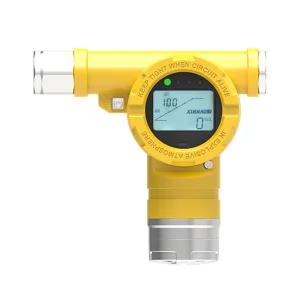
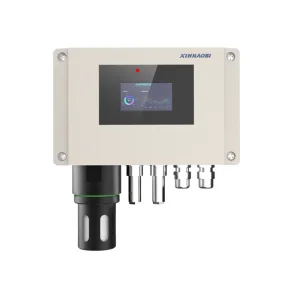
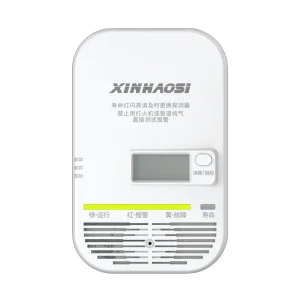
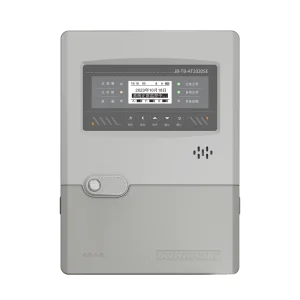
Direct factory-backed solutions, custom configured for gas network infrastructure, explosion-proof environments, and intelligent data management.
In high-stakes industrial operations, the integration of high-performance gas sensors with rapid, automated solenoid valves—commonly referred to in safety frameworks as "Valve 1" emergency systems—serves as the primary barrier against catastrophic system failures.
As global production lines shift toward IoT-driven automation, the reliability of solenoid safety shut-off systems is no longer just a regulatory box to check. It represents the foundation of operational continuity. For petrochemical complexes, municipal urban pipelines, and smart residential buildings, the synergy between a reliable gas detection node and an instantaneous valve shut-off command constitutes a robust defense mechanism. Chengdu Xinhaosi Technology has spent more than two decades refining this safety loop, manufacturing advanced solenoid valves and detection devices designed to meet the strict parameters of global fire, safety, and explosion-proof regulatory standards.
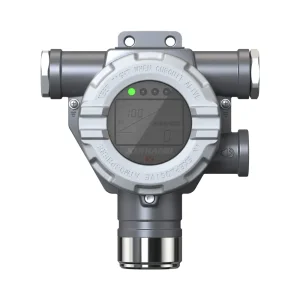
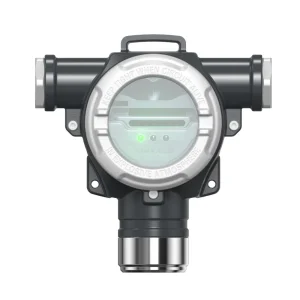
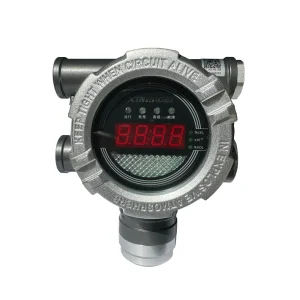
The engineering configuration of an emergency system dictates that in the event of a minor combustible gas buildup, the sensor transmitter dispatches a digitized relay signal to the central controller. The controller immediately energizes or de-energizes the solenoid loop, triggering the safety valve to slice the flow of media in less than 1.0 second. Maintaining such response times over thousands of cycles under extreme temperatures requires world-class manufacturing, premium alloys, and high-precision coils.
Founded in 2003, Xinhaosi stands as one of the most influential and trusted brands in the global gas safety and control valve sector.
We integrate cutting-edge R&D, smart manufacturing, global digital marketing, and dedicated CNAS-accredited calibration laboratories to deliver robust safety systems. Our core mission is "Making Gas Safety Accessible Everywhere," safeguarding billions of industrial and domestic points worldwide.
Our safety systems excel in highly challenging, corrosive industrial settings including petroleum drilling, offshore rigs, metallurgy, pharmaceutical labs, automotive paint lines, and municipal pipeline systems. We supply both heavy-duty industrial assemblies and compact residential smart valve-and-alarm setups.
With tens of millions of units rolling off our manufacturing lines annually, Xinhaosi coordinates a vast global service infrastructure. Our customizable OEM/ODM pipelines ensure quick turnarounds for multinational OEMs and energy conglomerates seeking reliable emergency shut-off units.
Strategically located industrial centers optimizing precision engineering, lean production, and rigorous quality testing.
Serving as the company's innovation nucleus, our Chengdu site coordinates advanced software development, high-frequency signal processing engineering, and CNAS calibration. It houses our precision test benches, environmental chamber simulators, and dedicated international sales division, ensuring alignment with overseas regulatory standards.
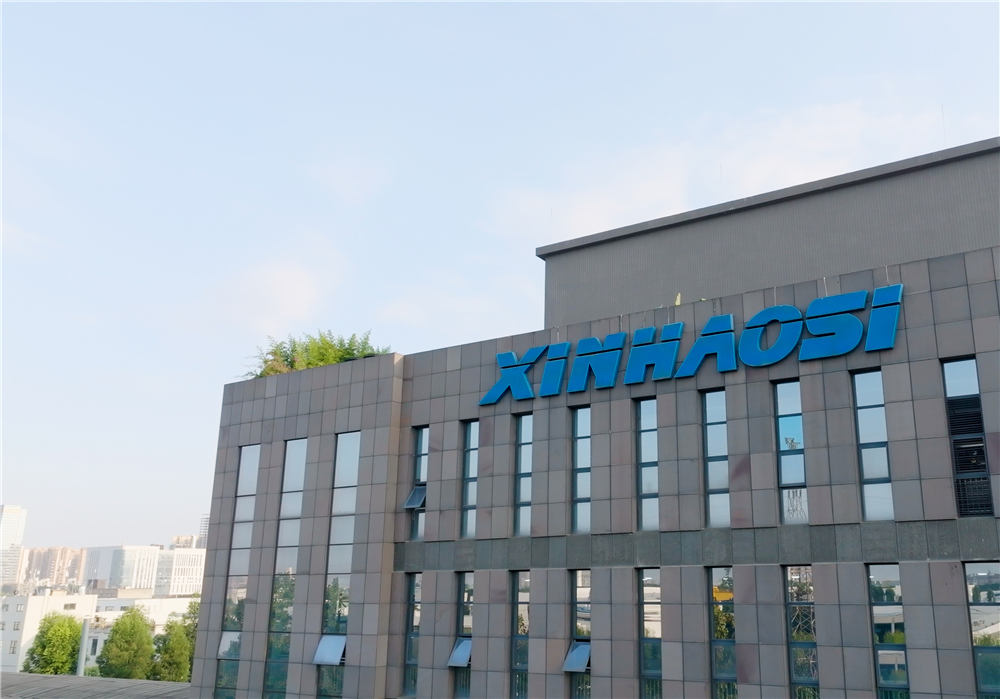
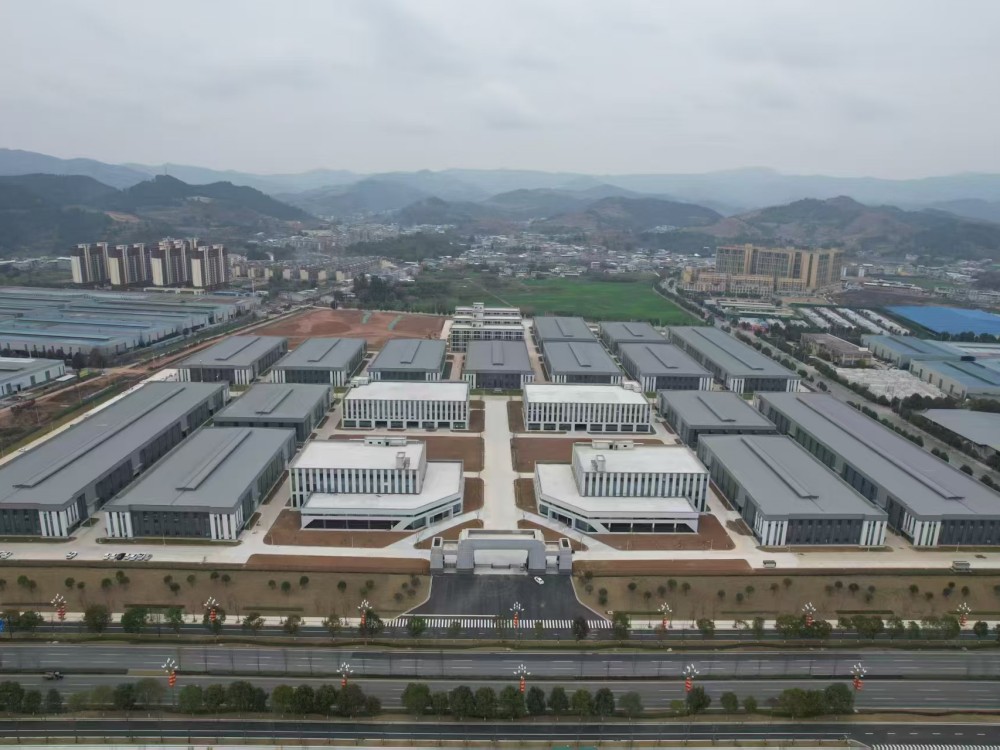
Completed to scale our physical production capacity, the Deyang manufacturing facility operates specialized automated SMT production lines, CNC machining stations for cast copper/aluminum valve bodies, and automated winding assembly for electromagnetic coils. This high-efficiency facility enables massive scalability with stable quality and minimal unit deviation.
China's modern industrial supply chain offers unparalleled depth, which translates directly to performance and cost advantages for global procurement. Xinhaosi harnesses local raw-material and component ecosystems to maintain complete quality traceabilty while significantly lowering capital expenditure. From local high-durability rubber compounding for valve seals to specialized solenoid core alloys, our factories control every parameter. This localized integration enables us to execute rapid prototyping, flexible tooling adjustment, and immediate scalability for global buyers seeking large-scale OEM custom runs.
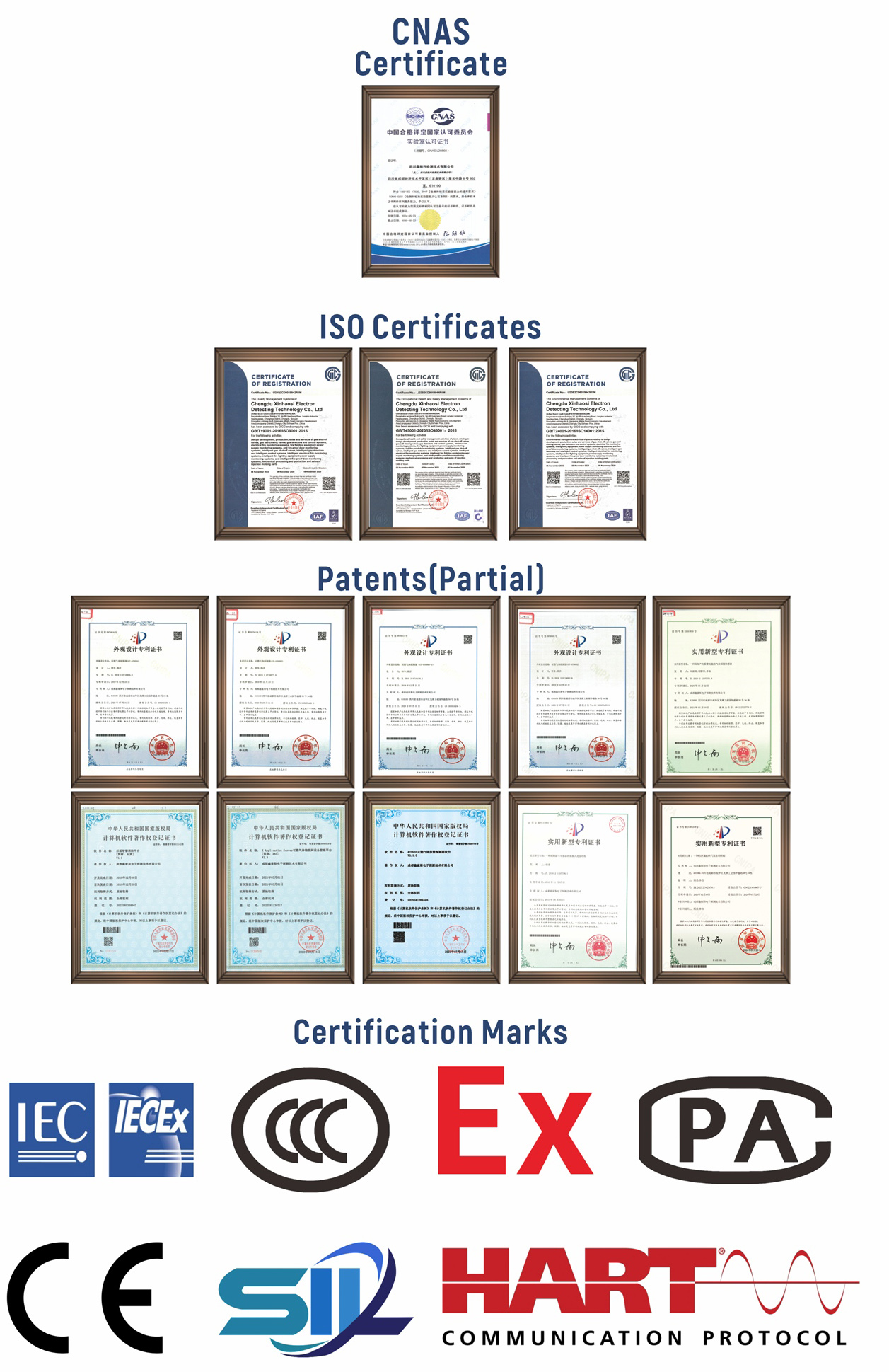
Engineered to strict international criteria. We hold top-tier accreditations guaranteeing performance reliability in high-risk zones.
Operating in alignment with the ISO9001 quality management framework, our main line of gas detectors and emergency solenoid valves are fully compliant with mandatory fire safety requirements, CPA measurement instrument type approvals, explosion-proof classifications, and international CE / SIL2 functional safety certifications.
Our state-of-the-art testing facility is certified by the China National Accreditation Service (CNAS) under the international standard ISO/IEC 17025. This ensures that every test report we generate is globally recognized under the ILAC-MRA framework, giving regulatory compliance assurance in local markets.
Xinhaosi holds over 50 patents and software copyrights. Key innovations include a graphical gas monitoring dashboard that utilizes historical telemetry to run predictive maintenance algorithms—reducing field equipment failure rates by over 30%—and flow-monitoring safety valves.
Adapting safety systems to meet the complex requirements of various modern application scenarios.
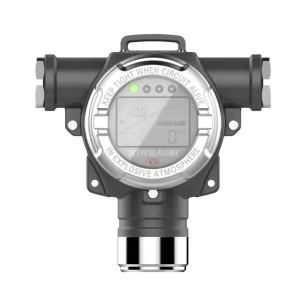
In upstream refining and offshore extraction, corrosive gases and flammable vapors pose constant danger. Our explosion-proof gas transmitters coupled with industrial-grade cast-steel solenoid safety valves (Valve 1) guarantee immediate shut-off if hydrocarbon limits are crossed. The robust housings are designed to resist high salinity and harsh weather environments.
City gas pipelines require networked control across thousands of remote intersections. Leveraging our wireless intelligent pressure monitors and NB-IoT / LoRa gateways, municipal authorities can monitor grid pressure and detect leaks in real-time, executing remote valve closures instantly from central control rooms when safety thresholds are breached.
Lithium-ion production lines and hydrogen storage hubs present unique, fast-spreading hazards. Rapid sensing of trace off-gases combined with ultra-fast shut-off solenoid loops prevents localized thermal runaway events from spreading throughout large industrial facilities.
Commercial buildings, hotels, and restaurant kitchens require robust and cost-effective safety mechanisms. Our networked bus-type leakage systems connect to multiple localized gas alarms, instantly closing the central supply line if a cooker gas leak occurs, protecting customers and assets.
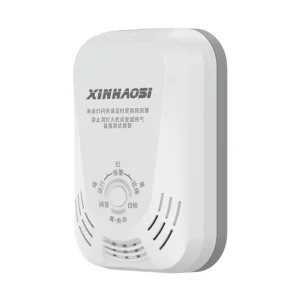
Smart home configurations rely on compact, low-power gas detectors paired with lightweight domestic solenoid valves. If gas escapes from a home appliance, the detector alerts the tenant via a smartphone app and triggers the mechanical valve, stopping the leak before it becomes dangerous.

Selecting the right OEM Valve 1 supplier requires assessing key safety, quality, and supply chain criteria.
1. Functional Safety Compliance (SIL Rating): Verify that the valve components comply with IEC 61508 or equivalent standards. A certified SIL2/3 rating provides third-party assurance that the mechanical unit has a low probability of failure on demand.
2. Material Integrity & Explosion-Proof Ratings: The device housing must match its deployment environment. For harsh locations, demand Ex d IIC T6 Gb class housings or higher, alongside verified corrosion-resistant alloys.
3. Quality Traceability & Verification: Partner with manufacturers whose laboratories hold CNAS/ISO17025 accreditations. This ensures calibration consistency and provides compliant test documentation for local inspectors.
4. Dynamic Customization and Scalability: Ensure the factory offers flexible OEM tooling, custom sensor calibrations, and customized voltage coils to match local power grids.
From a regional technology pioneer in 2003 to a global manufacturer of smart safety systems.
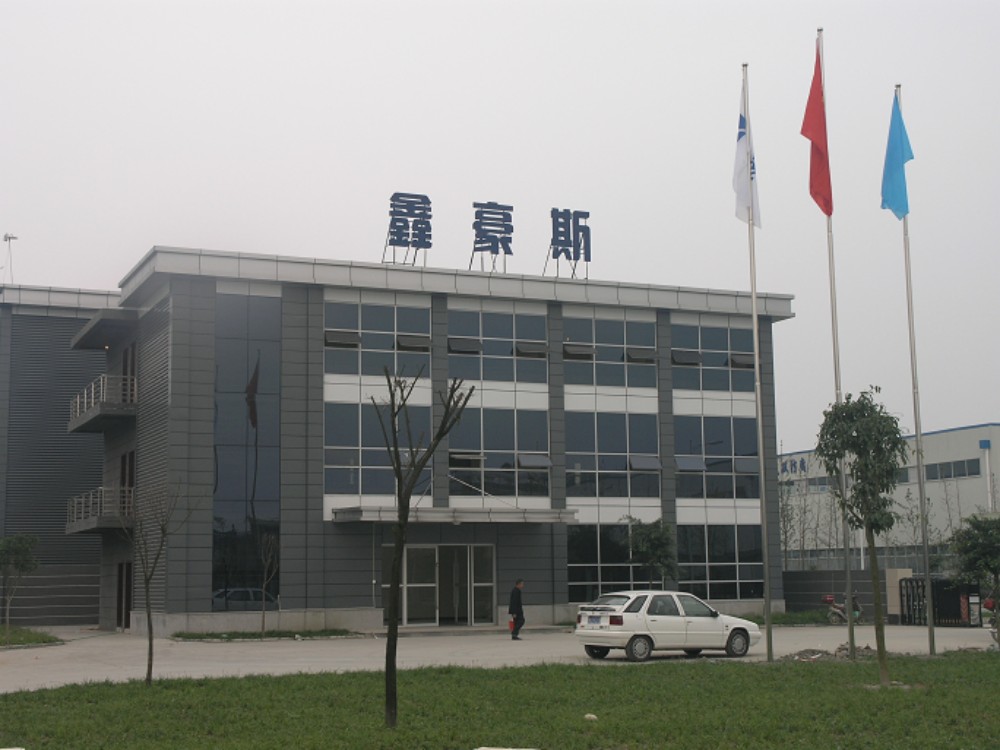
Established on April 17th, 2003. Developed and launched our first-generation gas leak warning systems and specialized firefighting alarm equipment.

Began development and manufacturing of specialized gas safety valves. Expanded OEM partnerships and relocated head offices to the Longtan Industrial Zone.
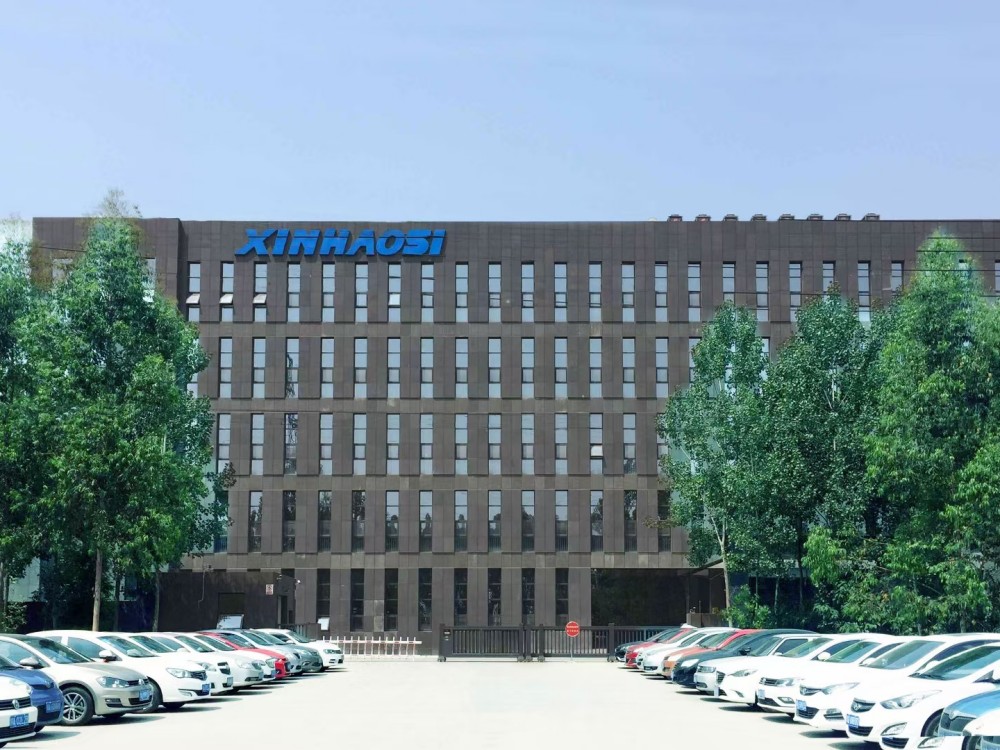
Reached 10 million units in gas safety device sales. Completed construction of our Chengdu factory, establishing a comprehensive sales and support network across China.
Launched our proprietary IoT cloud platform. Added smart fire alarms and emergency evacuation routing systems. Certified as an official supplier to China's top-tier gas providers.
Began construction of the Deyang manufacturing facility. Formed the dedicated Petrochemical & International Projects Division and recognized as the Sichuan Provincial Technology Center.
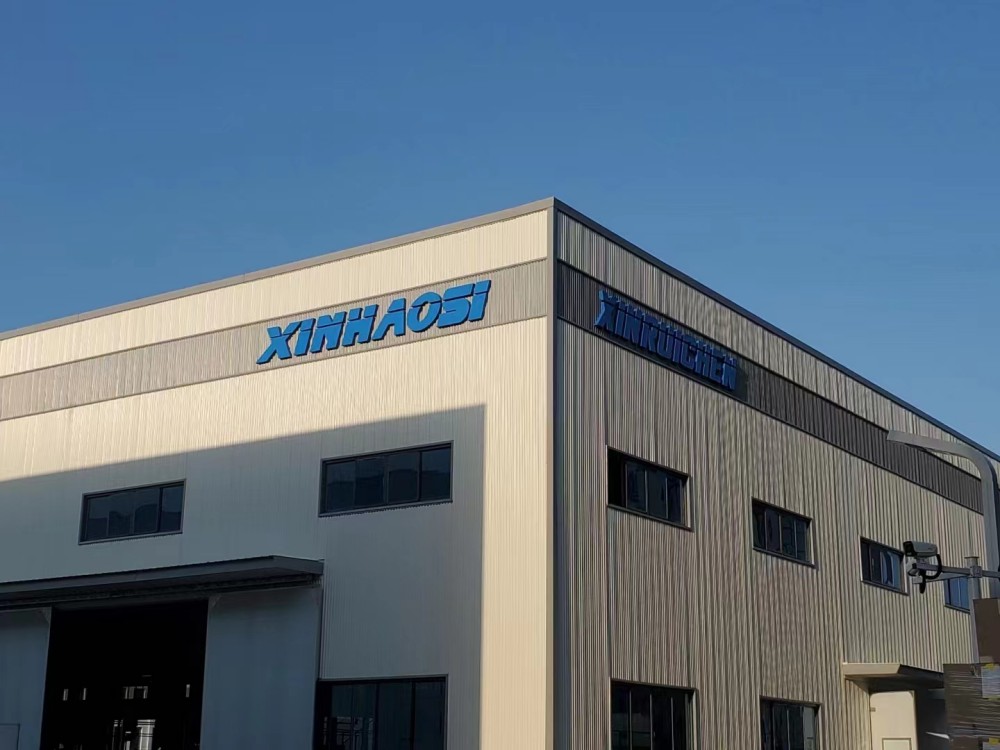
Operationalized the Deyang facility. Rolled out wireless smart pressure monitors and our newest AI-enabled safety solenoid systems to meet changing global demands.
Detailed answers to technical questions about selection, installation, calibration, and maintenance.
Emergency solenoid valves (often labeled "Valve 1" in system diagrams) utilize an electromagnetic coil combined with a pre-loaded spring tension mechanism to execute near-instantaneous closure (typically under 1 second) upon receiving a signal. Motor-driven valves, on the other hand, rely on gear systems and electric motors to slowly open or close the line, taking anywhere from 5 to 30 seconds. While motor-driven valves are suitable for routine flow regulation, only high-speed solenoid safety valves can provide the instant isolation required for emergency gas shut-off.
A CNAS accreditation certifies that our laboratory conforms to the international ISO/IEC 17025 standard for testing and calibration laboratories. Under the ILAC-MRA mutual recognition agreement, test reports and calibration certificates generated by our laboratory are recognized by certification bodies and regulatory authorities worldwide (including the US, EU, and Asia-Pacific). This significantly simplifies local regulatory approvals, verifies sensor accuracy, and ensures your imported systems are fully compliant.
Underground shafts are prone to high humidity, standing water, and significant temperature fluctuations. Standard sensors can suffer from baseline drift or moisture damage under these conditions. Devices like the GT-AT0617 address this by utilizing multi-layered particulate and moisture filters, automatic temperature compensation circuitry, and sealed, explosion-proof housings. The internal sensing elements are calibrated to maintain stability across a wide temperature range, ensuring reliable performance in harsh environments.
SIL (Safety Integrity Level) indicates the functional safety of a system. A SIL2 certification, issued in accordance with IEC 61508, confirms that the emergency system has been engineered, tested, and validated to perform its safety function (shutting off gas flow) with a Probability of Failure on Demand (PFD) between 0.01 and 0.001. This level of reliability is critical in petrochemical, metallurgical, and heavy industrial applications where valve failure could result in severe injury or asset loss.
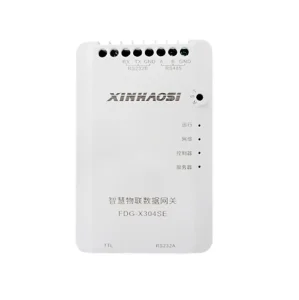
Yes. Our industrial controllers (such as the JB-TB-AT2020SE) and digital gateways support standard industrial protocols, including Modbus RTU, Modbus TCP/IP, and 4-20mA analog loops. For newer, decentralized IoT deployments, our gateways support wireless transmission protocols like LoRaWAN, NB-IoT, and 4G LTE, allowing seamless integration with existing SCADA networks or cloud-based building management dashboards.
Catalytic combustion sensors typically have an operational lifespan of 3 to 5 years under clean conditions, but they can be poisoned by silicones, sulfides, or halogenated compounds, requiring calibration every 6 months. Infrared (IR) sensors, while more expensive initially, are immune to poisoning and can operate reliably for 5 to 10 years, requiring calibration only once a year. Regular calibration ensures the system responds accurately to the target gas concentrations.
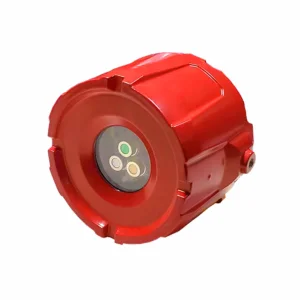
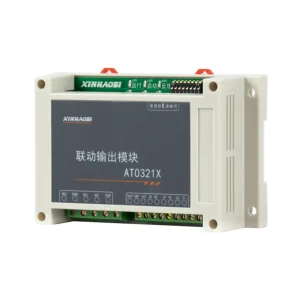
Complete your safety loop with our range of transmitters, output units, home sensors, and multi-channel system controllers.