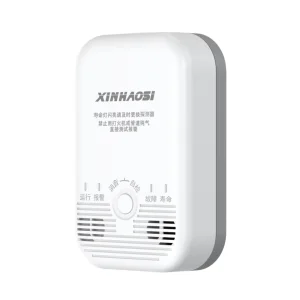
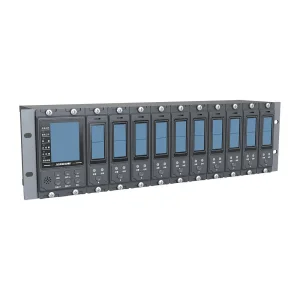
A Technical Whitepaper on Precision Electrochemical Detection and Global OEM Integration Protocols
Sulphur Dioxide (SO₂) is a highly toxic, colorless gas with a pungent, irritating odor, generated predominantly through fossil fuel combustion, metallurgical processing, and chemical production. In concentrations as low as 2 ppm, exposure triggers severe respiratory distress, while acute exposure in industrial environments can be fatal. Consequently, global occupational safety agencies (OSHA, NIOSH, and EU-OSHA) enforce stringent exposure limits (TWA < 2 ppm).
For industrial instrument builders, safety system designers, and engineering contractors, choosing a highly reliable OEM Sulphur Dioxide sensor is not merely about achieving compliance. It is about safeguarding human lives, minimizing industrial emissions, and preventing catastrophic environmental degradation. Precision sensing at the sub-ppm level is required to achieve rapid response and prevent long-term health risks.
Our state-of-the-art OEM Sulphur Dioxide gas sensor platforms are built with proprietary catalysts that resist sulfur poisoning, ensuring excellent baseline stability over thousands of operating hours. This significantly reduces maintenance and calibration overhead in remote industrial applications.
Addressing the complex technical and commercial requirements of global supply chain managers
Industrial procurement demands sensors that operate reliably between -40°C to +50°C. Standard commercial sensors exhibit severe drift in extreme conditions, necessitating integrated heating elements or complex firmware algorithms.
In petrochemical processing, the co-existence of Hydrogen Sulfide (H₂S) and Carbon Monoxide (CO) causes false alarms. Sourcing departments seek sensors utilizing auxiliary chemical filters to isolate SO₂ molecules.
System integrators require OEM components that fit smoothly into SIL-2 (Safety Integrity Level) frameworks and possess ATEX, IECEx, or national explosion-proof certifications for hazardous Zone 1 and Zone 2 environments.
How modern enterprises integrate SO₂ detection within wider emergency response systems
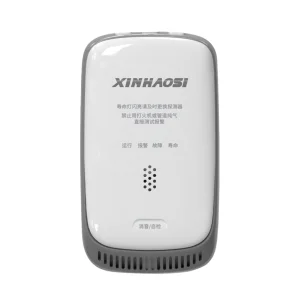
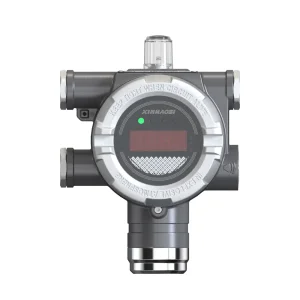
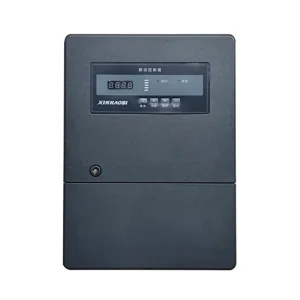
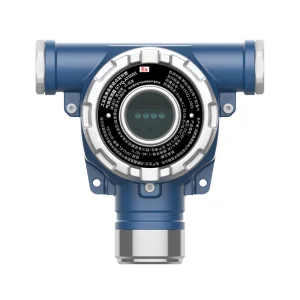
A modern industrial gas safety plan relies on real-time feedback and immediate mitigation. When an OEM Sulphur Dioxide sensor detects concentrations surpassing the pre-defined safety threshold (e.g., 2.0 ppm for warning, 5.0 ppm for critical alarm), the local transmitter communicates directly with the centralized control unit, such as the JB-TB-AT2020LH Gas Detector Controller.
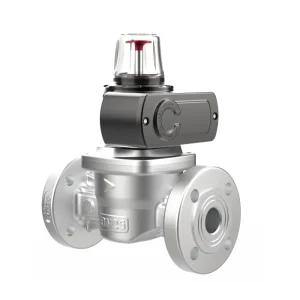
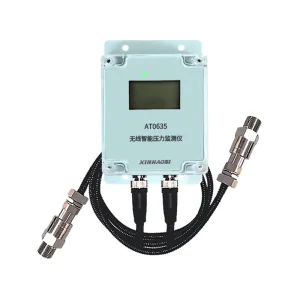
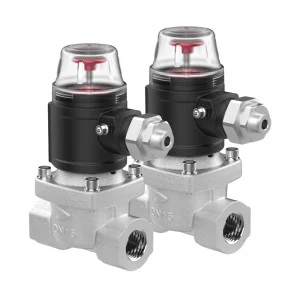
This controller initiates a sequence: it fires a high-output relay signal to actuate safety valves like the KT-XF5 Series Industrial Solenoid Valve to isolate the toxic gas source, activates exhaust fan systems, and reports telemetry through wireless bridges (using technologies seen in the AT0635 Wireless Smart Pressure Monitor series) to cloud SCADA platforms.
This structural integration prevents localized gas leaks from developing into plant-wide explosions or major toxic exposure incidents, protecting both worker safety and capital equipment.
Comparing various gas sensing technologies for Sulphur Dioxide detection applications
| Sensing Technology | Detection Range | Resolution / Sensitivity | Cross-Sensitivity Profile | Operational Lifespan | Suitability for OEM Integration |
|---|---|---|---|---|---|
| Electrochemical (3-Electrode) | 0 - 100 ppm | Excellent (< 0.1 ppm) | Low (with integrated filters) | 2 - 3 Years | High (Ideal for portable & fixed industrial transmitters) |
| Solid-State Semiconductor | 10 - 1000 ppm | Moderate (approx. 1 ppm) | High (Affected by moisture, VOCs) | 5+ Years | Medium (Useful for high-range leak detection) |
| NDIR (Non-Dispersive Infrared) | 0 - 5000 ppm | High (Requires long optical path) | Zero cross-sensitivity | 10+ Years | Low-Medium (High cost, large footprint constraints) |
| Photoacoustic Spectroscopy | 0.01 - 10 ppm | Ultra-High (Sub-ppb level) | Extremely Low | 5+ Years | Low (Laboratory grade, high system cost) |
The industry is shifting rapidly toward solid-polymer electrochemical sensors and low-power IoT-enabled transmitters. Future SO₂ sensing modules will incorporate self-calibration microfluidics and on-chip temperature/humidity correction arrays, effectively eliminating the traditional 6-month manual calibration cycle. This allows for massive, distributed wireless monitoring nodes across entire cities or industrial zones.
Why certified verification and laboratory accreditation matter in the safety sector
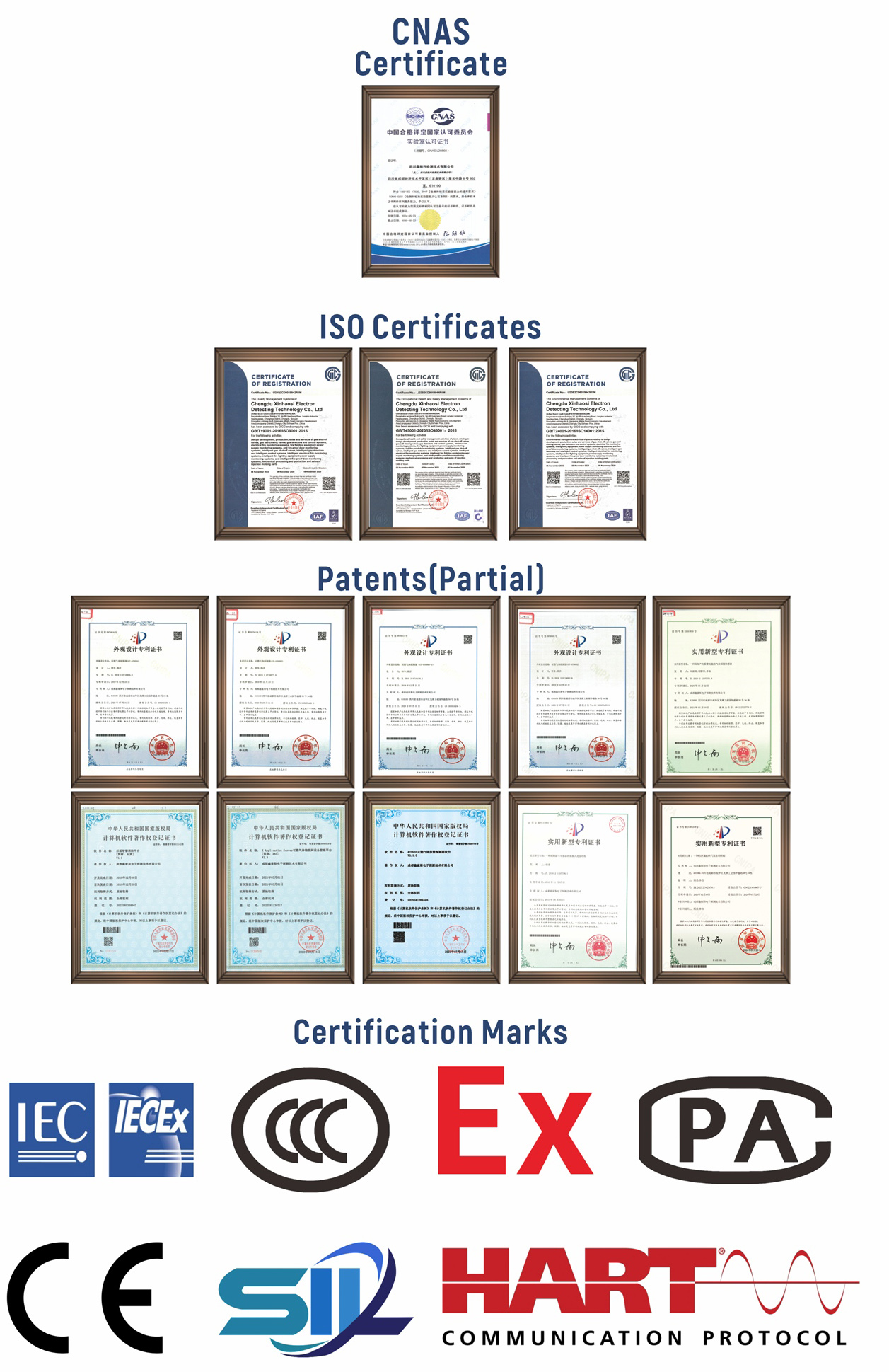
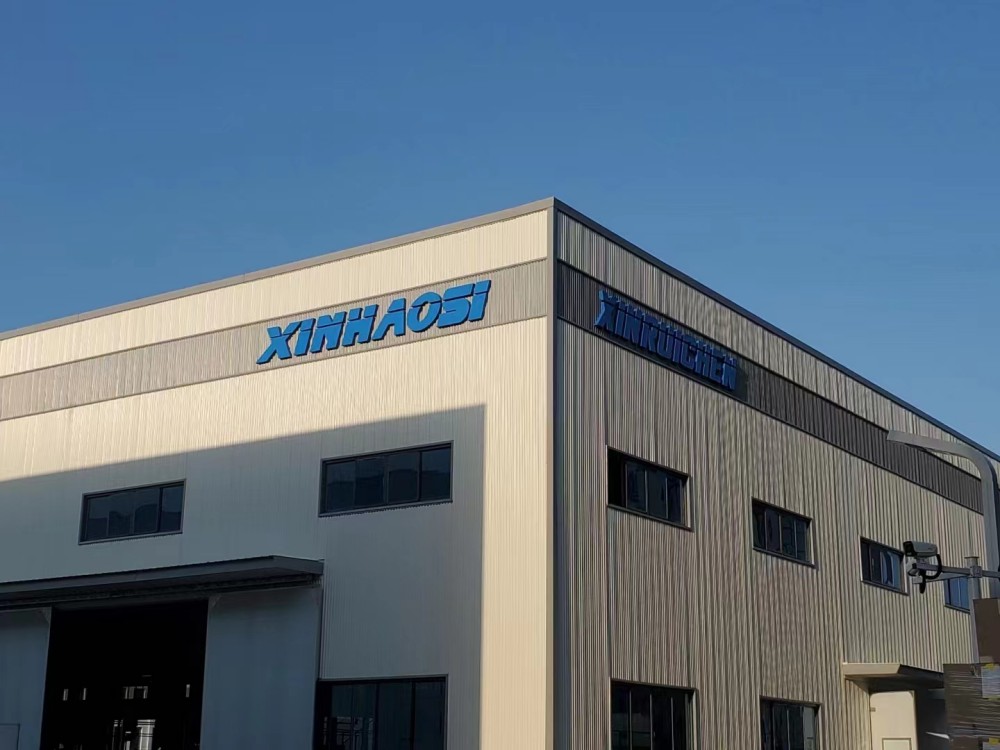
In the safety industry, reliability is everything. Xinhaosi is a market leader in gas alarm manufacturing, operating strict quality controls in line with ISO9001 quality management system standards. The core products are backed by robust certifications, including national compulsory Products Certification, explosion-proof certification, fire product certification, CPA measurement instrument type approval certificates, and international approvals such as CE and SIL.
Further demonstrating our role as an industry leader, Xinhaosi has been honored with titles like "National Quality Integrity Benchmark Enterprise" and "National Quality Leading Enterprise in the Gas Alarm Industry," and serves as a major drafting organization for national solenoid valve standards.
Our in-house calibration facility is accredited by the China National Accreditation Service for Conformity Assessment (CNAS), recognized globally under the ILAC-MRA framework. This ensures that every gas sensor calibrated at our site conforms to ISO/IEC 17025, enabling global traceability, seamless regulatory approval, and fast market access in both domestic and international markets.
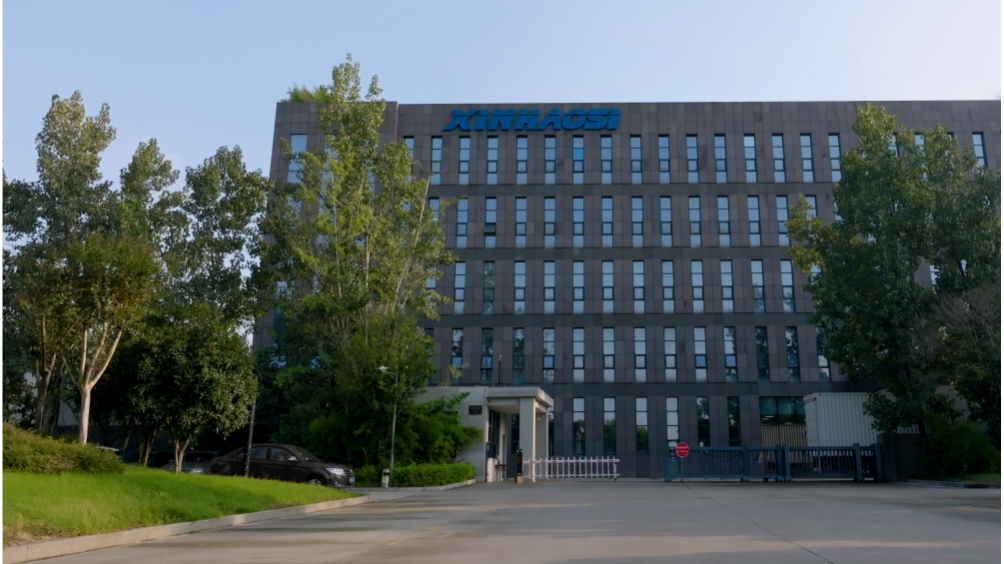
Leveraging 20+ years of high-volume industrial gas protection manufacturing experience
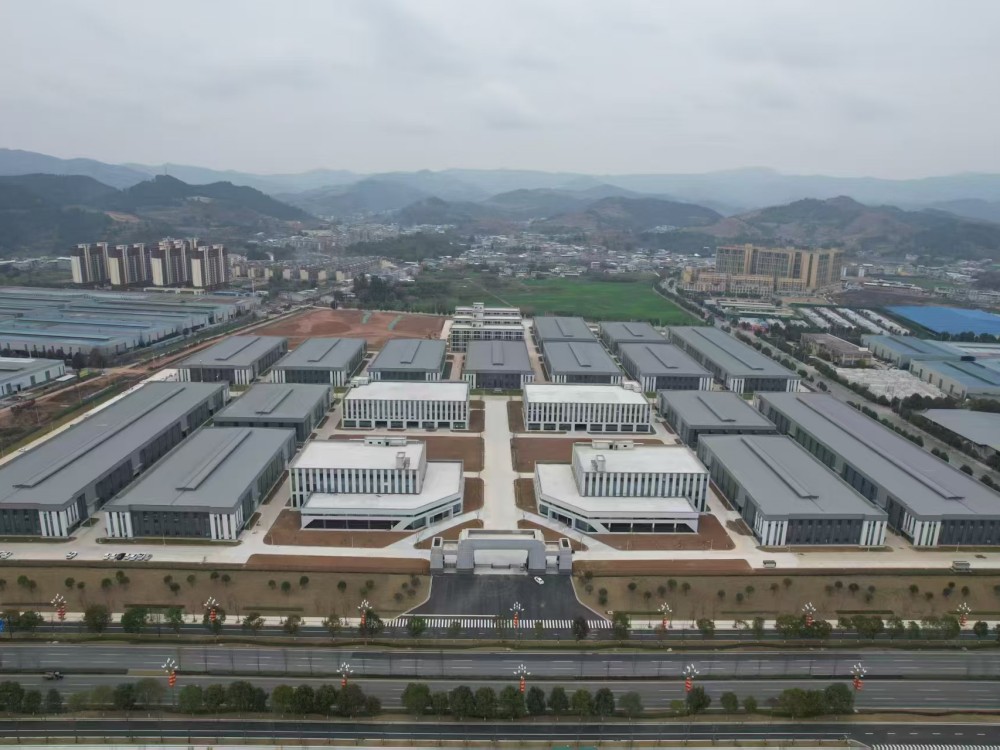
Founded in 2003, Xinhaosi is one of the most influential and trusted brands in the global gas safety industry. Over the past two decades, we have built a comprehensive production and service system that integrates advanced R&D, intelligent manufacturing with automated equipment, digital marketing across global channels, and professional after-sales support with a highly experienced technician team.
Our diversified product portfolio covers industrial & residential gas detection systems, industrial & household gas solenoid valves, and urban gas pipeline monitoring systems—all engineered to perform in harsh environmental conditions and meet strict safety standards. We produce and sell tens of millions of units annually, catering to industries such as oil & gas exploration, petrochemicals, urban gas distribution, automotive manufacturing, pharmaceuticals, new energy, steel production, and beverage processing.
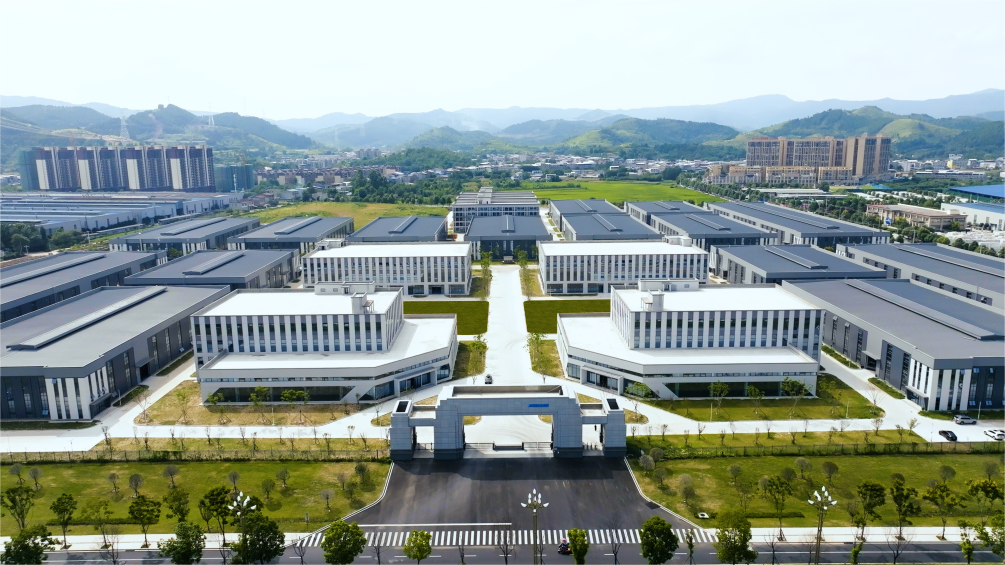
A history of technological breakthroughs and manufacturing expansion from 2003 to 2024 and beyond

Direct answers from our senior electrochemical engineering and compliance directors
Our OEM Sulphur Dioxide sensors use an internal chemical filter layer located directly underneath the outer gas diffusion capillary. This filter media chemically oxidizes and traps H₂S and CO molecules before they reach the working electrode catalyst. This ensures the output current represents the actual concentration of SO₂ gas in the environment.
For standard industrial compliance applications, we recommend checking and calibrating the sensors every 6 months. In cleaner ambient air monitoring settings, this interval can be extended to 12 months, thanks to the low baseline drift (typically <2% signal loss per year) of our proprietary catalyst structures.
Electrochemical cells require an internal water reservoir to maintain electrolyte conductivity. Continuous operation in extremely dry environments (RH < 15%) can result in electrolyte dehydration. For these conditions, we offer specialized gel electrolytes and hermetically designed sensor chambers that maintain hydration over extended dry spells.
We provide multiple interface levels: raw analog sensor outputs (microamperes), pre-amplified voltage boards (0.4V - 2V), and fully digital UART/I²C/RS485 modules. Our digital boards come calibrated and temperaturecompensated, reducing your R&D effort and production assembly times.