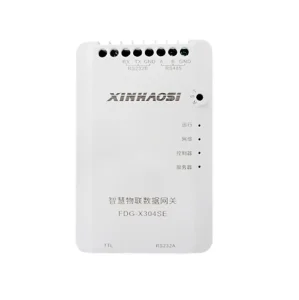
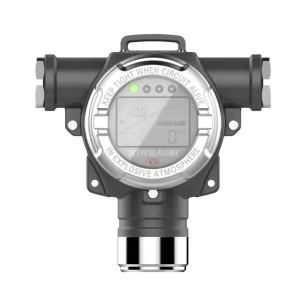
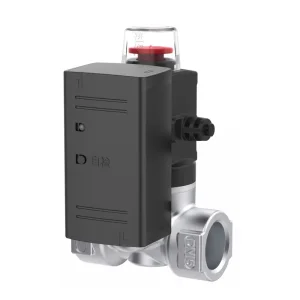
Explore our high-performance OEM solutions, customized for challenging operations worldwide, directly from our CNAS-accredited laboratory and automated factories.
A comprehensive analysis of design architectures, compliance frameworks, and global supply chains for safety executives.
In modern industrial and residential sectors, monitoring combustible gases—principally methane (CH4), LPG (propane/butane), and alternative green gases like hydrogen—has evolved from simple, stand-alone threshold detectors to complex, fully integrated smart networks. Methane leakage presents two extreme threats: toxicity/asphyxiation and explosive combustion. The Lower Explosive Limit (LEL) of methane is roughly 5% by volume in air. To guarantee a high safety margin, gas leak sensors must trigger visual, audible, and system alarms long before this threshold is reached—typically set at 10% LEL or 20% LEL.
As an OEM natural gas leak sensor supplier, our systems are built around sensor technologies tailored to diverse environments:
In global B2B procurement, companies don't just search for "gas alarms." They target critical engineering and supply attributes:
This whitepaper addresses these search intentions by outlining our robust production capacity, advanced certifications, and high-performance gas monitoring solutions.
Founded in 2003, Xinhaosi is one of the most influential and trusted brands in the global gas safety industry. Over the past two decades, we have steadily built a robust and comprehensive production and service system, which integrates cutting-edge R&D, intelligent manufacturing with advanced automation equipment, digital marketing across global channels, professional after-sales support with an experienced technician team, flexible OEM/ODM services, as well as CNAS-Accredited laboratory calibration services that meet international standards.
Our diversified product portfolio covers industrial & residential gas detection & alarm systems, industrial & household gas solenoid valves, and urban gas pipeline network monitoring systems—all engineered to adapt to complex working environments and strict safety requirements. We produce and sell tens of millions of units annually, catering to a wide range of industries that demand reliable gas detection solutions, including oil & gas exploration and production, petrochemicals, urban gas distribution, automotive manufacturing, pharmaceuticals, new energy, steel production, and beverage processing.
Guided by the core mission of “Making Gas Safety Accessible Everywhere,” we consistently deliver high-performance, reliable products and customized solutions tailored to each client’s unique needs. Every item we manufacture undergoes rigorous quality control tests, and every service we provide is backed by our professional technical team, fully embodying our unwavering commitment to safeguarding gas safety across both industrial workplaces and residential environments, and striving to build a safer world with sustainable gas safety technologies.

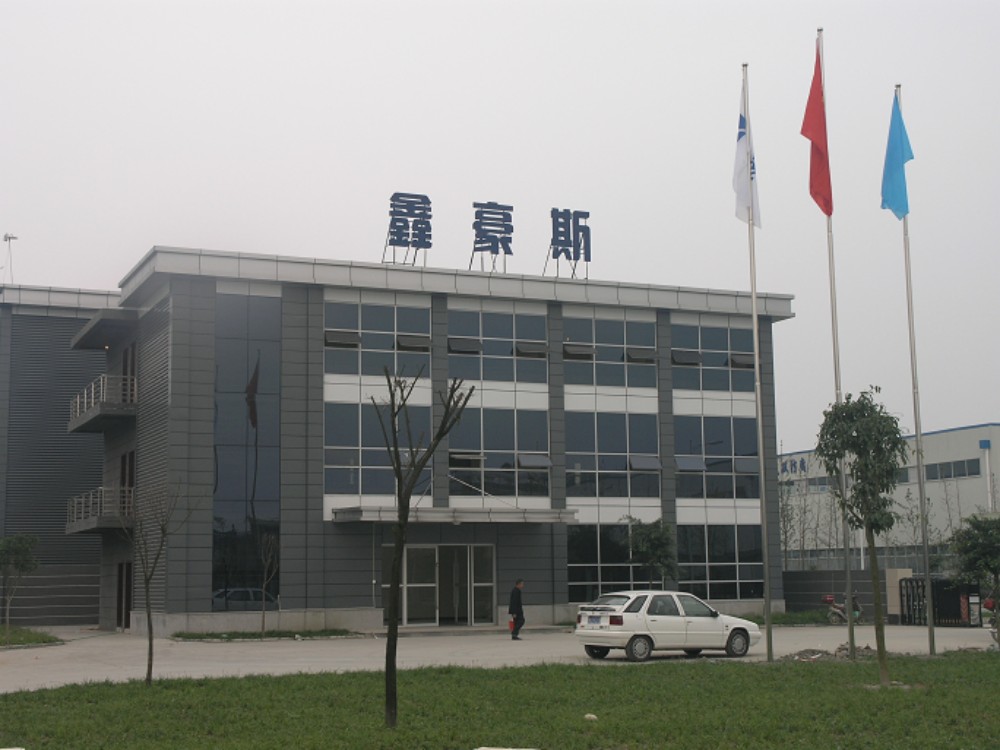
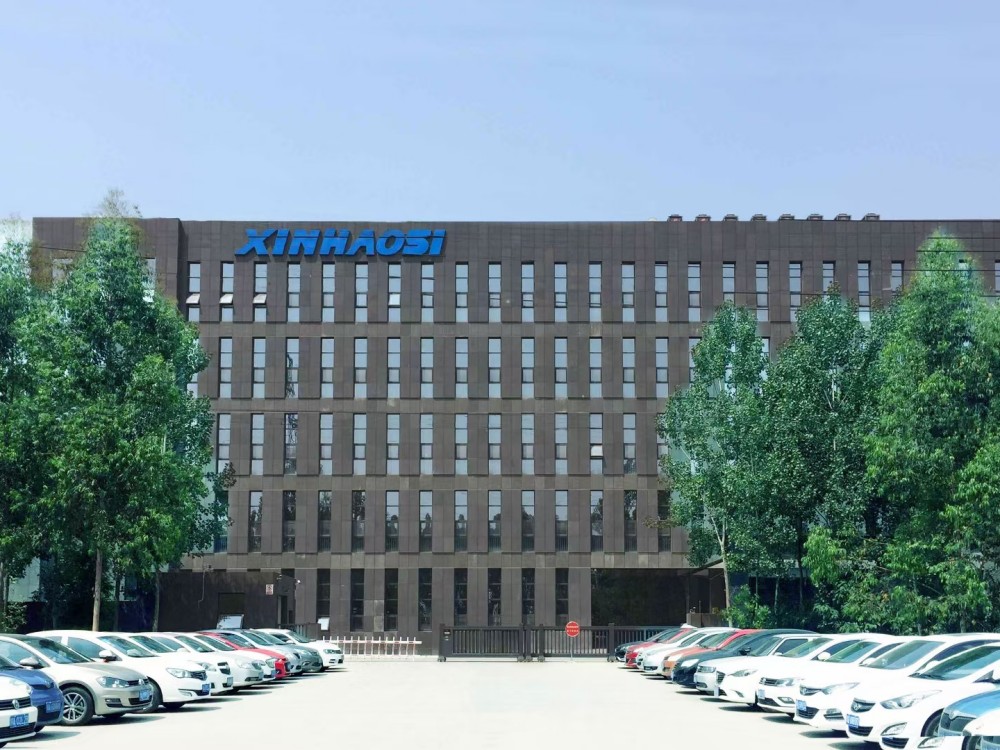
Chengdu Factory & Office

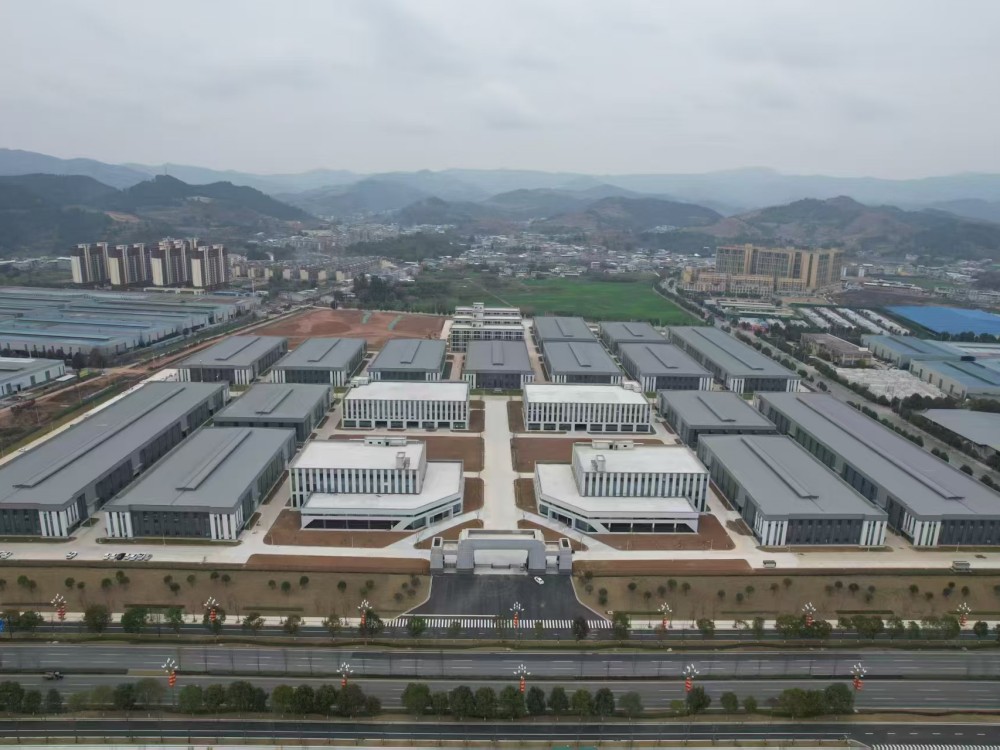
Deyang Factory
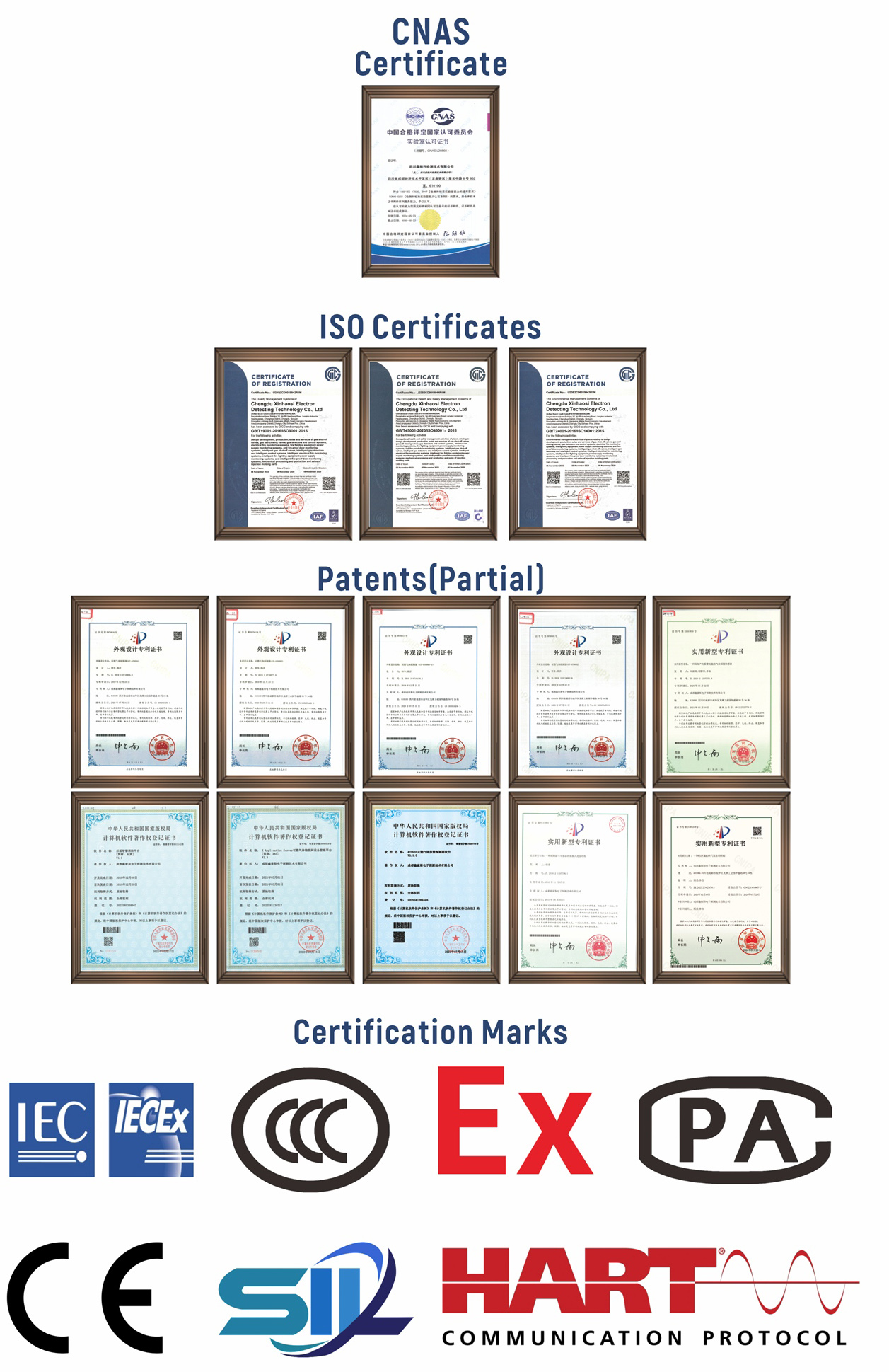
Adhering to ISO9001 quality management system standards, Xinhaosi's core products have obtained a full range of authoritative certifications, including national compulsory Products Certification, explosion-proof certification, fire product certification, CPA measurement instrument type approval certificate, and international approvals as CE, SIL. Additionally, Xinhaosi holds honors such as "National Quality Integrity Benchmark Enterprise" , "National Quality Leading Enterprise in the Gas Alarm Industry," member of the China Fire Protection Association, and the main drafting organization for the national standard of solenoid valves, further confirming its industry influence and reputation.
In the field of intellectual property, Xinhaosi has built a robust innovation system with over 50 patents and software copyrights . These patents cover core technological areas, including a graphical monitoring system for gas detection and alarm, which enables predictive maintenance based on historical data to reduce equipment failure rates by over 30%, and a solenoid valve with flow monitoring functionality that integrates flow detection and alarm capabilities . The company also pioneered China's first networked bus-type gas leakage monitoring system and the only maximum-point gas leakage monitoring system certified by the Ministry of Public Security, demonstrating its leading position in cutting-edge technological research.
Our in-house laboratory is accredited by the China National Accreditation Service for Conformity Assessment (CNAS), recognized both domestically and internationally under the ILAC-MRA framework. It operates in accordance with ISO/IEC 17025, the international standard for testing and calibration laboratories. It provides reliable and traceable testing services for gas detection and alarm products, solenoid valves, and related safety equipment. Test reports issued by the CNAS-accredited laboratory are widely accepted by regulatory authorities, certification bodies, and customers in China and overseas, helping to ensure product quality, safety compliance, and market access.
Why Tier-1 global firms choose Xinhaosi as their central gas safety manufacturer.
Our dual factories in Chengdu and Deyang manage everything from precision sensor assembly to heavy-duty valve body machining, offering unmatched speed and unit-cost efficiency.
Every product undergoes extensive testing under ISO 17025 (CNAS-accredited) guidelines. CE and SIL certifications assure integration compatibility with European and American safety architectures.
We supply localized communication protocols and interface adaptors to match regional SCADA requirements, reducing deployment friction globally.
Reliable gas mitigation requires more than just an alarm. The safety industry relies on the concept of **Functional Safety (IEC 61508)**. When a sensor detects gas concentration exceeding safety thresholds:
A timeline of continuous innovation, geographical expansion, and engineering achievements.
● Established on April 17th, 2003.
● Launched the 1st generation of gas leak alarm & fire fighting products.
● Started gas safety valve production.
● Expanding the OEM business portfolio.
● Moved to our custom office facility in Longtan Industrial Park.

● Achieved 10 million units sold in gas detectors.
● Moved into our primary Chengdu manufacturing facility.
● Established a comprehensive sales and support network across China.
● Launched the Fire Power Monitoring System product line.
● Launched our proprietary in-house developed IoT cloud platform.
● Introduced automatic fire alarm, emergency lighting, and evacuation networks.
● Awarded the National High-Tech Enterprise Certificate.
● Selected as an official partner and qualified supplier for China's Top 5 Gas Utilities.
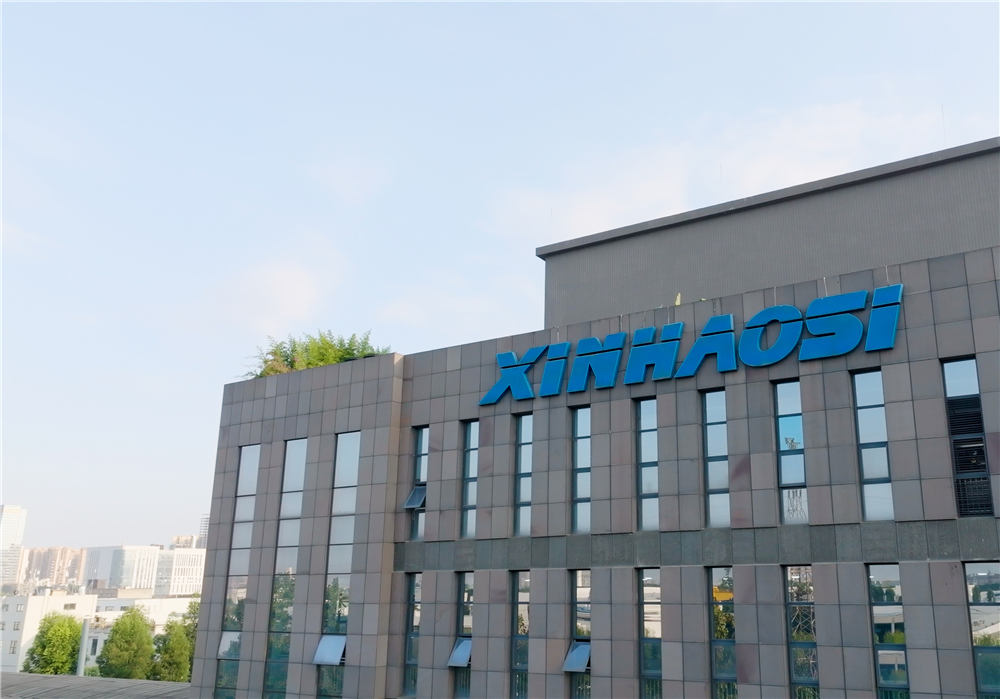
● Initiated construction on our advanced Deyang smart manufacturing plant.
● Founded the dedicated Petrochemical & International Business Division.
● Officially recognized as a Sichuan Provincial Technology Center.
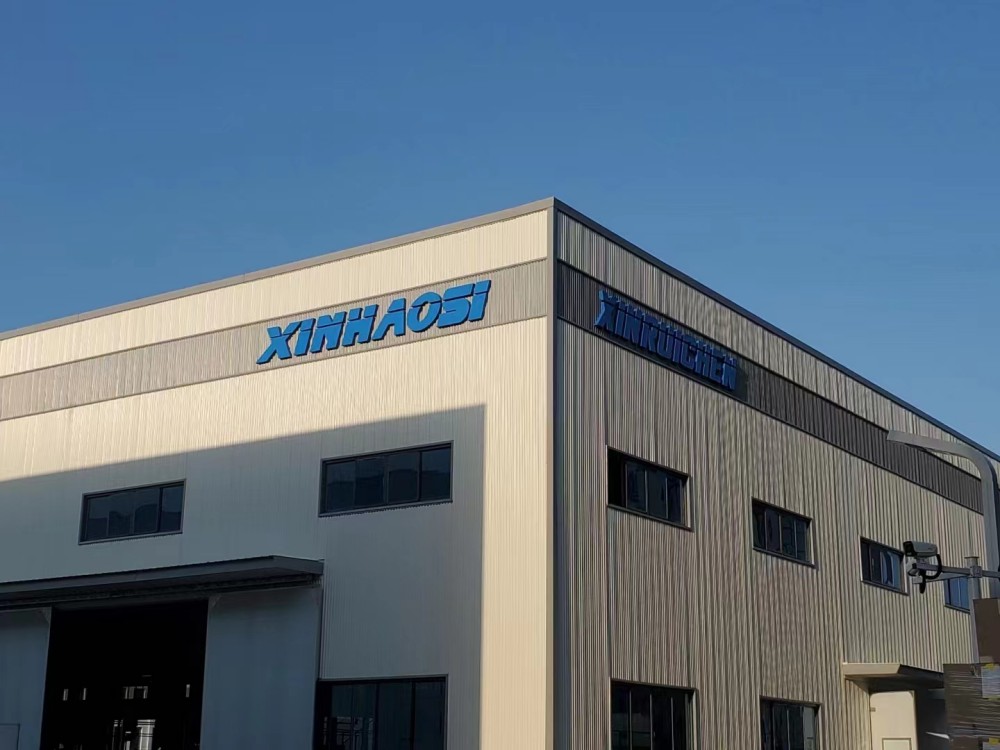
● Deyang smart factory completed and fully operational.
● Launched next-generation urban gas pipeline monitoring products.
● Expanded low-power wireless gas detection lines.
● Pioneered intelligent, AI-integrated safety solenoid valves.
Adapting natural gas sensors to meet specific environmental and regulatory challenges.
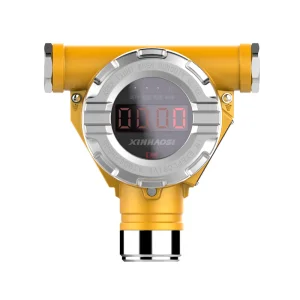
High-pressure custody transfer hubs require flameproof (Ex d) ATEX-certified gas transmitters. They must withstand vibration, wind exposure, and wide temperature swings. Integrating our wireless smart pressure monitors with wireless gas detectors ensures early alert tracking without expensive cable routing.
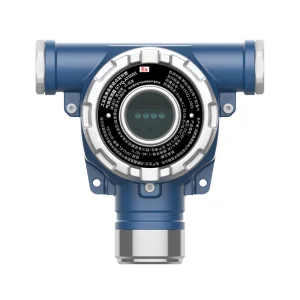
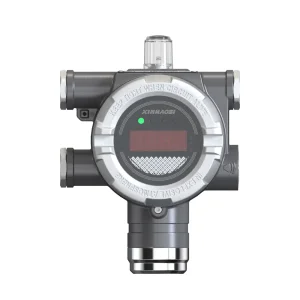
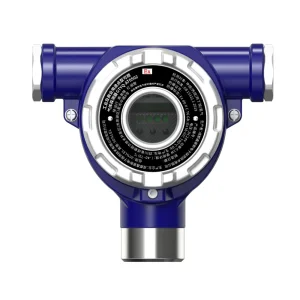
Refineries run complex processes that create explosive atmospheres. Our GTYQ-AT0501 and GTYQ-AT0602A series are housed in rugged, explosion-proof casings with SIL-2 safety ratings. They provide continuous output via 4-20mA and Modbus, connecting directly to the plant's central safety instrumented system (SIS).
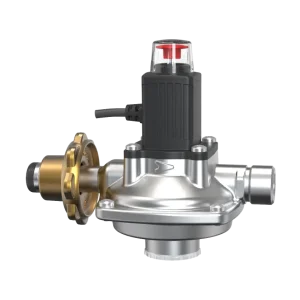
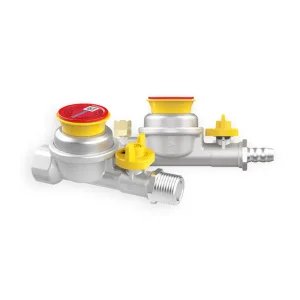
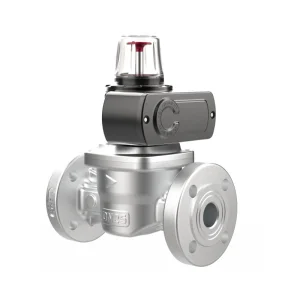
Hotels, schools, and hospitals require reliable systems to satisfy local fire safety codes. In these applications, combustible gas detectors are linked to automatic shut-off valves. This ensures that if a leak occurs at the boiler feed or cooktops, the gas flow is shut down before it poses a hazard.
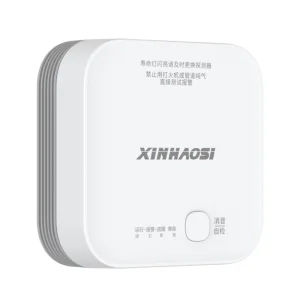
For home environments, aesthetics, low cost, and reliability are key. Our JT-AT2008 series provides local alerts and can signal dry-battery solenoid valves, keeping residences safe even during power cuts.
Answering common questions on installation, compliance, technology choice, and custom OEM processes.
Under typical conditions, industrial combustible gas detectors (both catalytic and electrochemical) should undergo bump testing and calibration checks every 3 to 6 months. High-reliability applications and aggressive environments may require monthly calibration to offset sensor drift and prevent poisoning from silicone compounds or volatile organic solvents.
The lifespan of a gas sensor depends on its core technology. Catalytic bead (pellistor) sensors usually last 3 to 5 years, depending on exposure to harsh contaminants. NDIR infrared sensors can operate reliably for over 8 to 10 years because they do not have consumable chemical components and resist chemical poisoning.
Ex d (Flameproof) enclosures are designed to contain an internal explosion without allowing the flame to escape and ignite the surrounding hazardous atmosphere. Ex i (Intrinsic Safety) designs limit the electrical and thermal energy entering the hazardous area, keeping it below the level required to cause ignition. Our heavy-duty gas sensors, like the GTYQ-AT0501, use Ex d flameproof designs for rugged industrial safety.
Yes. With our R&D team and ISO 9001 certified manufacturing facilities, we offer full OEM/ODM services. This includes hardware design, custom PCB design, custom casing designs, tailored firmware (including communication protocols like Modbus, HART, and BACnet), and assistance in obtaining regional compliance certifications.
SIL (Safety Integrity Level) measures the performance and reliability of a safety system. SIL-2 certification indicates that a device has a low probability of failure on demand (PFD). In high-hazard industrial environments, using SIL-2 rated detectors significantly lowers operational risk and is often required by insurance and safety regulators.
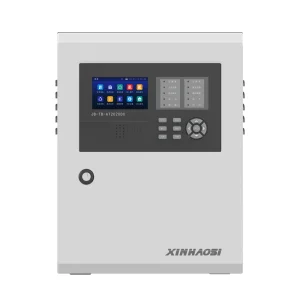
Browse our selection of gas solenoid shut-off valves, controllers, and smart gateways to complete your safety setup.