
Engineered for mission-critical hazardous environments, offering direct factory integration, IECEx/ATEX/SIL certifications, and high physical reliability.
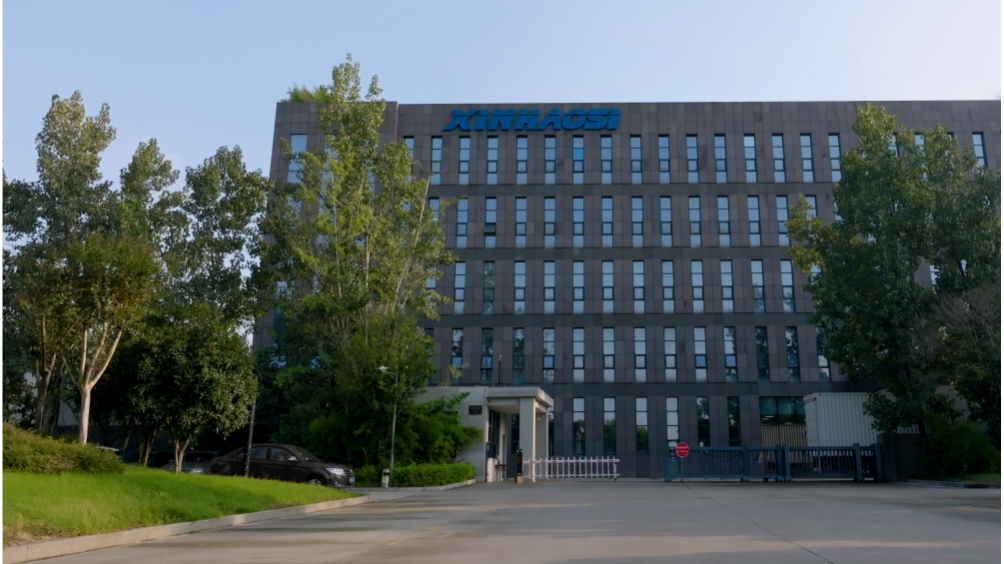
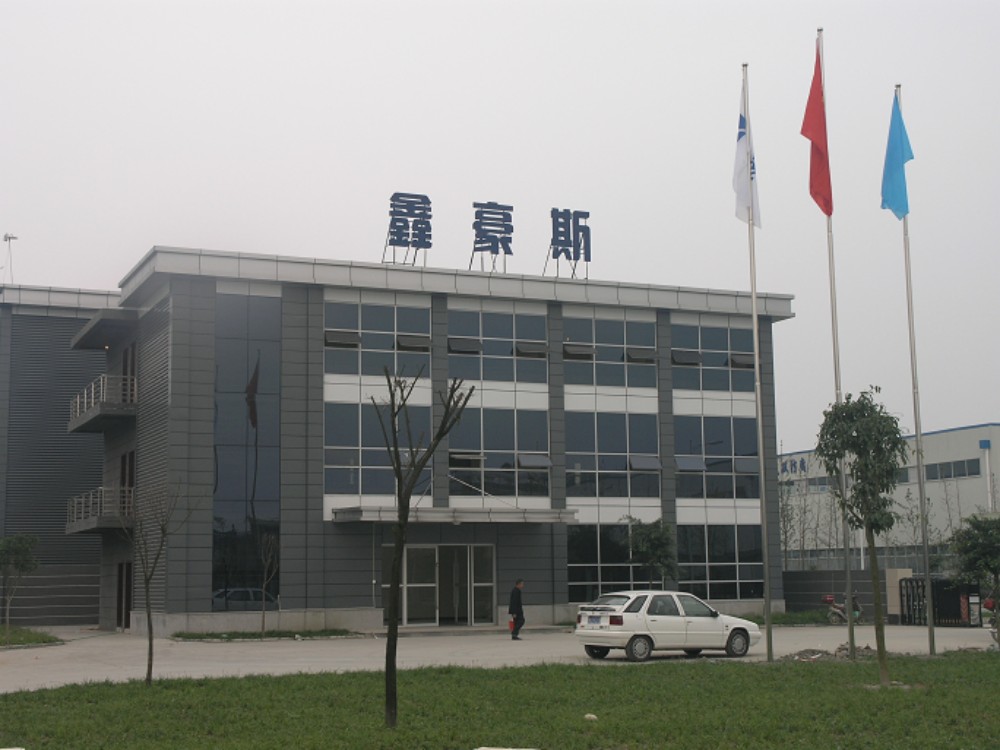
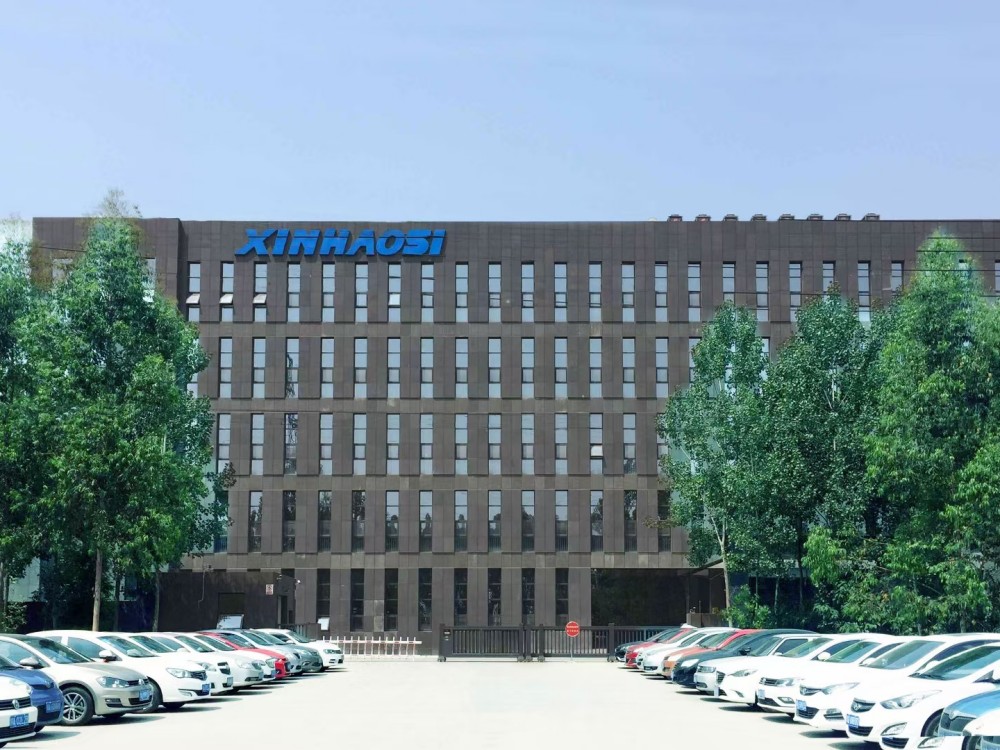
Headquarters and Intelligent R&D Facilities, Chengdu
Founded in 2003, Xinhaosi stands as an industry-leading brand and primary OEM/ODM manufacturer in the global gas safety and methane monitoring sector. Over twenty years of active engagement in hazardous area instrumentation has enabled us to design, manufacture, and distribute millions of industrial and residential safety systems annually.
Our core operational spectrum spans high-precision electrochemical, catalytic combustion, non-dispersive infrared (NDIR), and laser-based methane gas detectors, paired with advanced smart shut-off solenoid valves and central control panels. By controlling the entire manufacturing stack—from sensor core calibration in our CNAS-accredited laboratory to integrated Cloud IoT firmware development—we provide global industrial operations with high reliability under extreme environmental fluctuations.
A comprehensive examination of sensor architectures, physical limitations, cross-sensitivity challenges, and long-term calibration drift in harsh environments.
Utilizes the strong absorption band of Methane at 3.3 μm or 7.7 μm. Highly selective, immune to poison (silicones, $H_2S$), and operates in oxygen-free environments. Ideal for biogas, carbon-capture systems, and landfills.
Measures the temperature change caused by catalytic oxidation of methane on a match-pair active bead. Provides cost-effective, linear detection up to 100% LEL (Lower Explosive Limit) but requires oxygen to operate.
Our upcoming platform utilizing narrow-band absorption spectroscopy at 1653nm. TDLAS provides near-zero cross-sensitivity, sub-ppm detection limits, and remote optical pathway monitoring over distance.
The Challenge of Cross-Sensitivity & Sensor Aging: In complex industrial environments such as chemical production plants, sensor poisoning is a critical failure mode. Catalytic pellistors can be permanently desensitized by exposure to volatile silicones, halogenated hydrocarbons, or hydrogen sulfide ($H_2S$). To mitigate this risk, Xinhaosi utilizes specialized carbon-loaded filters and ruggedized NDIR sensor architectures. Our NDIR sensors incorporate dual-channel detectors (one active channel tuned to the target hydrocarbon wavelength, one reference channel at a non-absorbing wavelength) to compensate for LED aging, optical pathway degradation, and dust accumulation, ensuring stable operation over a 5-to-10-year lifespan.
Edge-AI and Real-Time Compensation Algorithms: Microcontrollers built directly into our transmitters run proprietary compensation curves. These curves utilize high-speed environmental sensors to continuously adjust response calibration for temperature fluctuations (-40°C to +70°C), relative humidity (10% to 95% non-condensing), and pressure shifts. This digital compensation minimizes false alarms and reduces standard field calibration cycles from quarterly to annually.
A timeline illustrating our growth from a local gas safety manufacturer to a global provider of smart IoT detection devices.

Deployment topologies across petrochemical plants, municipal pipeline distribution systems, and clean energy storage facilities.
Modern gas safety requires an integrated approach that connects individual sensor nodes, local emergency shut-off valves, and centralized controllers into a cohesive system. Xinhaosi provides tailored architectures for high-risk applications:

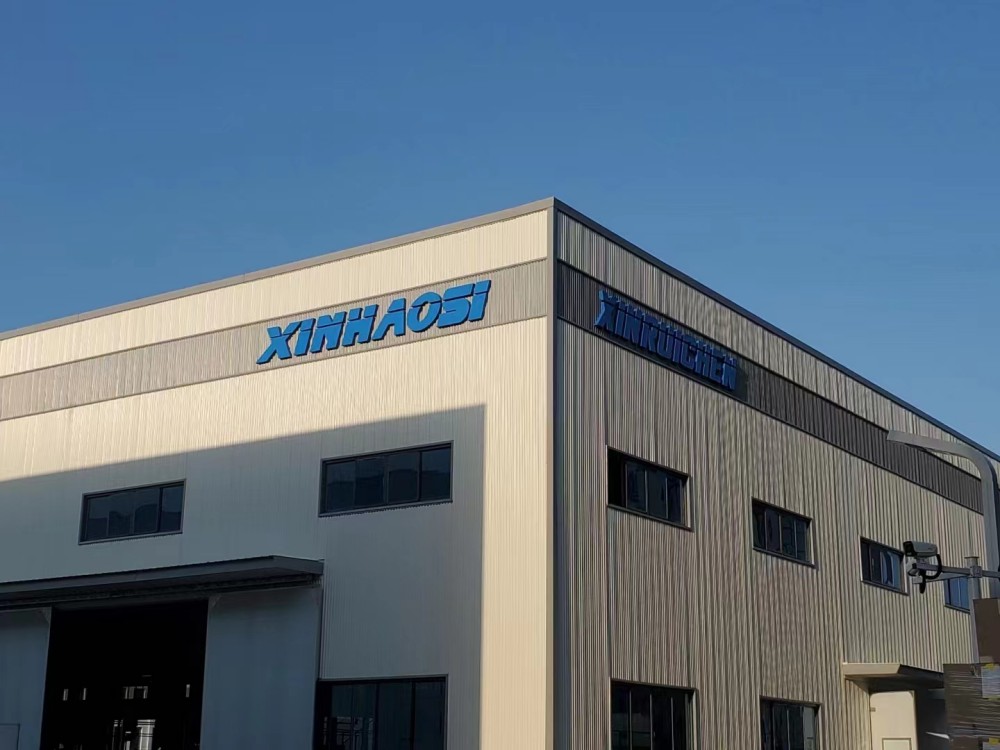
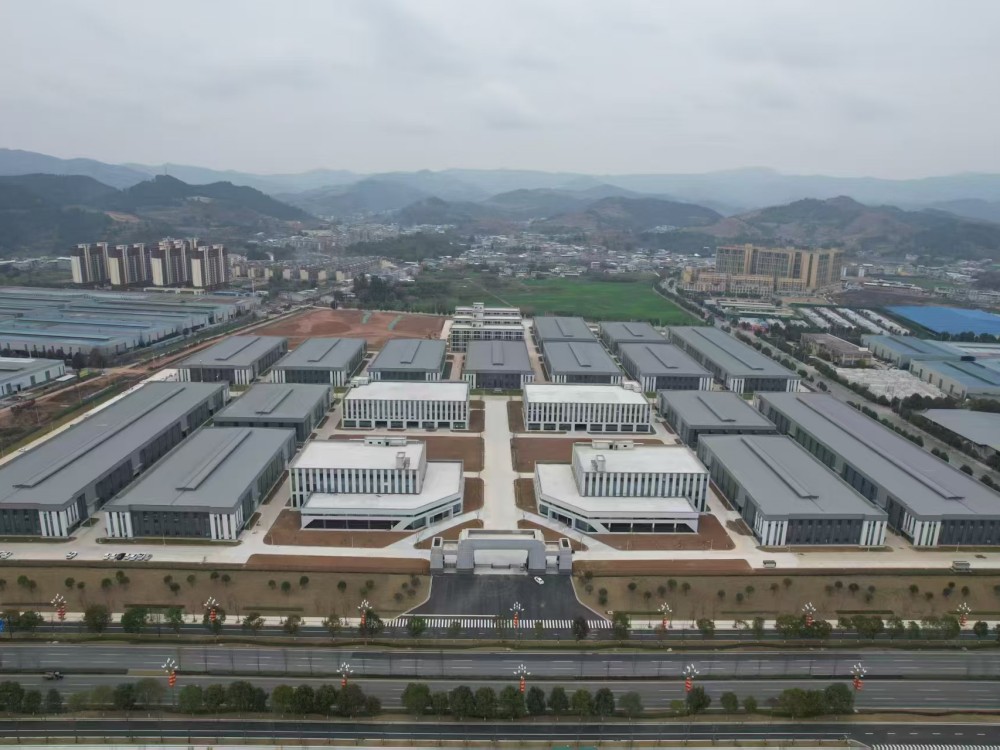
Intelligent Valve & Instrumentation Plant, Deyang
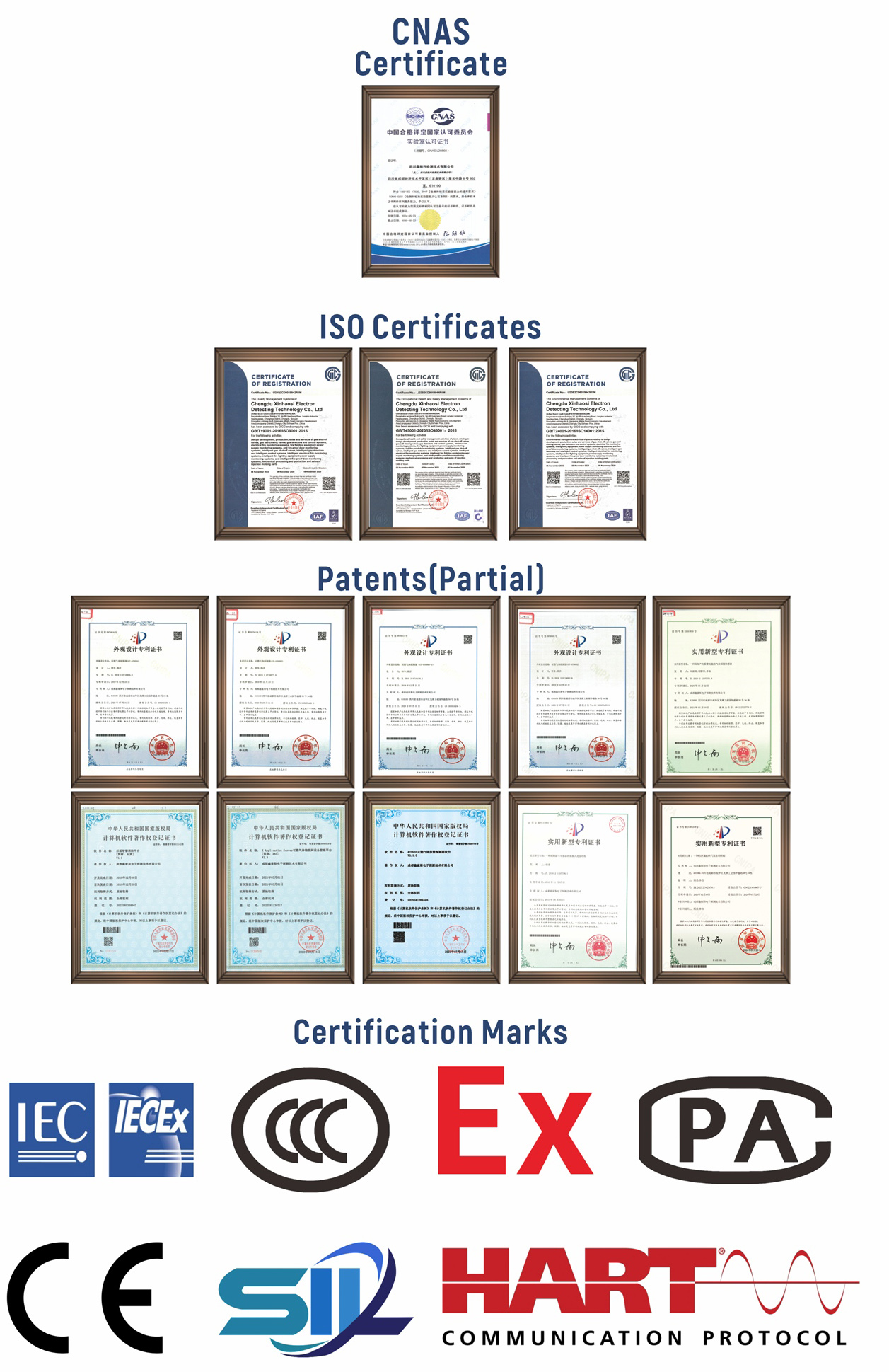
CNAS-Accredited Environmental Calibration Chambers
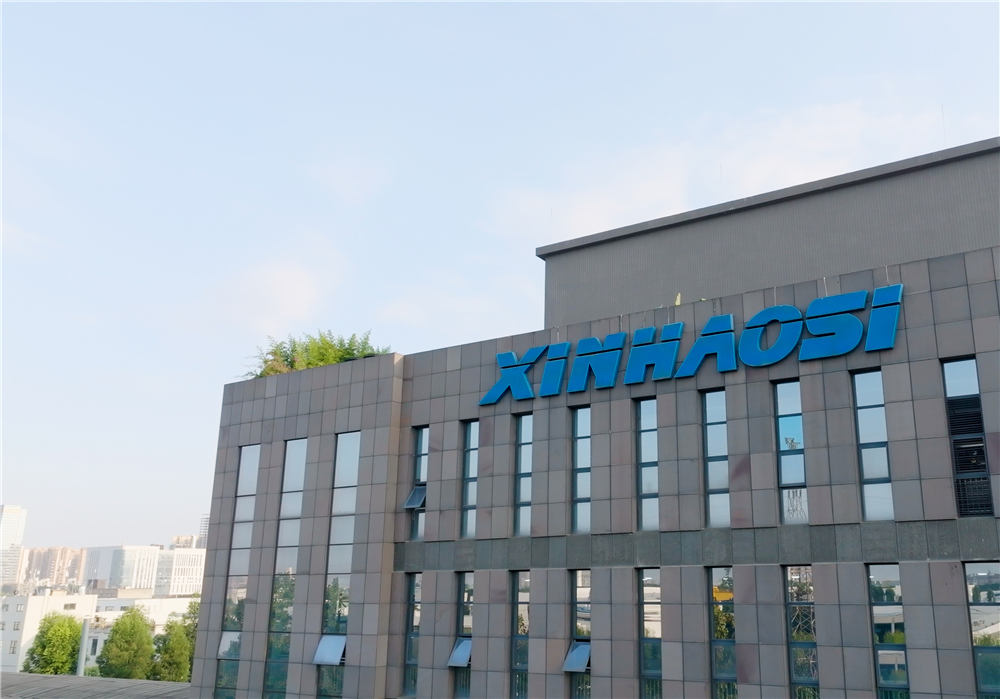
Our Chengdu and Deyang plants represent modern gas instrumentation manufacturing in China. With automated SMT component pick-and-place lines, automatic AOI testing, and computerized gas calibration rigs, our facilities are built to meet high volume and strict quality requirements. We manage all production stages, from raw sensor element sorting to automated calibration against traceable reference gases, ensuring reliability and competitive lead times.
CNAS Calibration Laboratory & ILAC-MRA Traceability: Our in-house calibration facility is accredited by the China National Accreditation Service (CNAS) under ISO/IEC 17025. This ensures that every gas sensor calibrated at our plant is traceable to international metrology standards under the ILAC-MRA multilateral framework. This accreditation simplifies regulatory approvals for our customers, as testing data and calibration certificates are accepted worldwide.
Supply Chain Security and Component Redundancy: To address global semiconductor and sensor material shortages, we source critical elements domestically and maintain strategic inventories of raw materials. This dual-source approach protects our OEM clients from supply chain disruptions.
Providing certified, high-reliability products that comply with ATEX, SIL, CE, and ISO directives.
Our industrial range features robust explosion-proof certifications (Ex d IIC T6 Gb) to operate safely in volatile Zone 1 and Zone 2 hazardous areas without risking ignition.
Designed using systematic hardware safety design patterns to meet Safety Integrity Level (SIL 2/3) requirements. Our systems feature high Safe Failure Fraction (SFF) ratings.
Complies with strict metrological type approvals (CPA), ensuring our sensors maintain high accuracy, linearity, and repeatability over long service lifetimes.
Our development cycle for OEM customers follows a structured process designed to achieve predictable project timelines. We support our partners from prototype and firmware optimization to functional testing, environmental simulation, and certification support. This structured approach helps reduce time-to-market for safety instrumented systems.
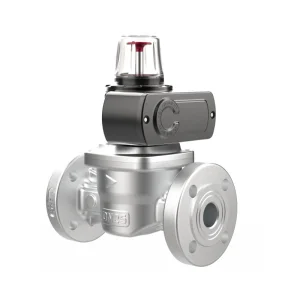
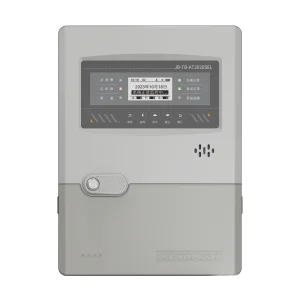
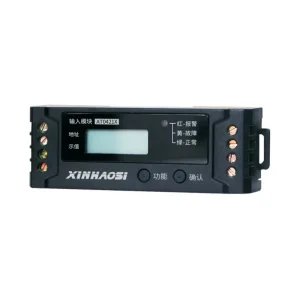
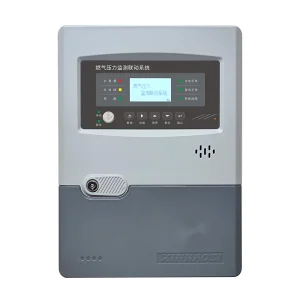
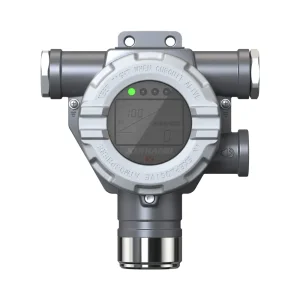
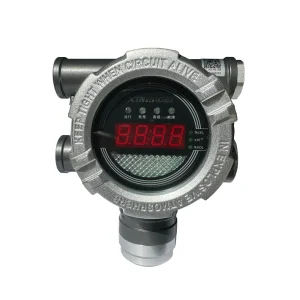
High-reliability gas alarm panels, explosion-proof transmitters, and automatic shut-off valves for industrial safety systems.
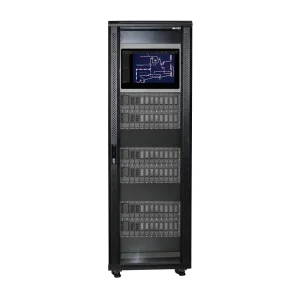
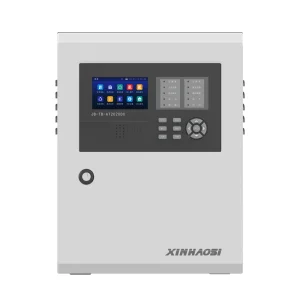
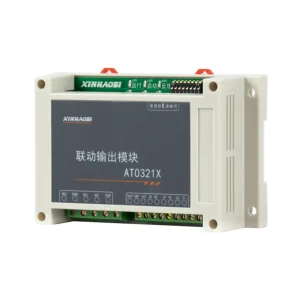
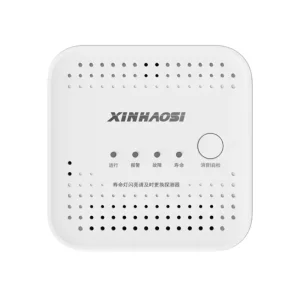
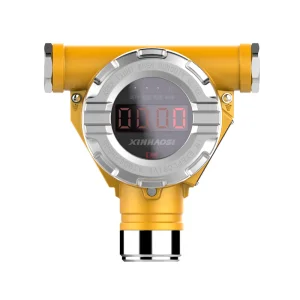
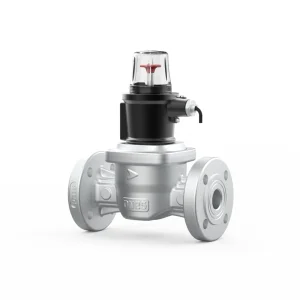
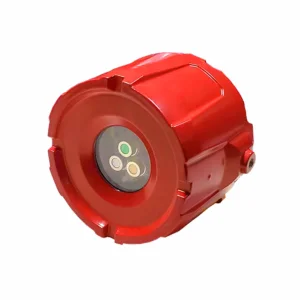
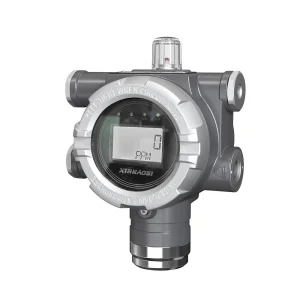
Expert insights on methane gas sensor design, industrial installation, system calibration, and maintenance practices.
Non-Dispersive Infrared (NDIR) methane sensors typically offer an operational life of 8 to 10 years, as they are not subject to poisoning by chemical compounds. In contrast, catalytic pellistor sensors generally have a lifespan of 3 to 5 years and can degrade rapidly when exposed to silicones, sulfur compounds ($H_2S$), or halogenated hydrocarbons. For applications with high risk of poisoning, NDIR is the recommended choice.
ISO/IEC 17025 accreditation demonstrates that a laboratory has the technical competence to produce precise and accurate calibration data. In safety-critical industries like oil and gas, calibration certificates issued under the ILAC-MRA framework are internationally recognized, simplifying local regulatory approvals and ensuring traceability to national metrology standards.
Gas sensors detect the partial pressure of target gases. Shifts in atmospheric or process pressure can alter the sensor's readings. Xinhaosi gas detectors address this issue by integrating real-time pressure transmitters (such as our PMC-X602C series) and using software-based compensation algorithms to maintain measurement accuracy.
Methane ($CH_4$) has a vapor density of approximately 0.55 relative to air, making it significantly lighter than air. Consequently, methane detectors should be positioned high on walls or columns, typically within 0.3 to 0.6 meters of the ceiling, where leaking gas naturally pools. This contrasts with heavier gases like LPG, which require detectors positioned close to the ground.
A normally closed (NC) solenoid valve remains shut when de-energized, stopping all gas flow. The valve opens only when an electrical current is applied. In emergency safety networks, this configuration serves as a fail-safe mechanism: if the facility loses power or a gas detector triggers an alarm, power is cut to the valve, causing it to shut off gas flow immediately.
Yes. Our OEM/ODM capabilities cover custom PCB layouts, specialized enclosures (such as 316 Stainless Steel for marine applications), custom communications protocols (such as Modbus RTU, HART, Foundation Fieldbus, or wireless LoRaWAN), and custom housing colors or brand labels. We also assist with regulatory compliance testing.