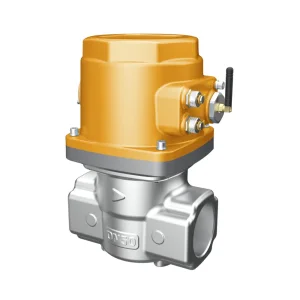
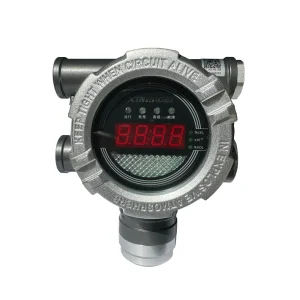
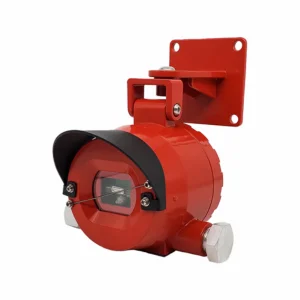
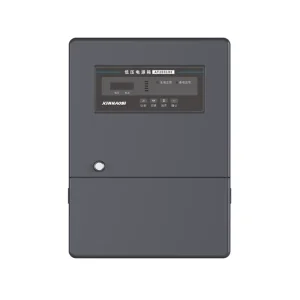
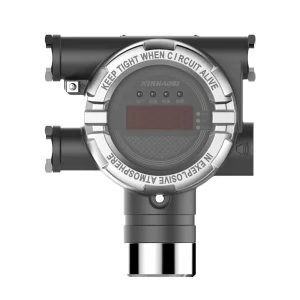
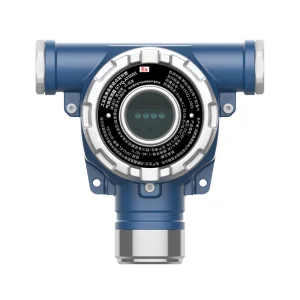
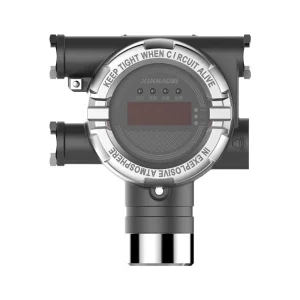
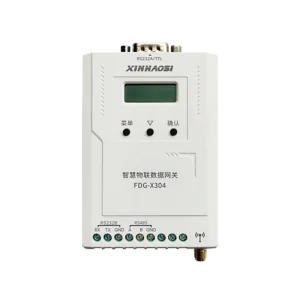
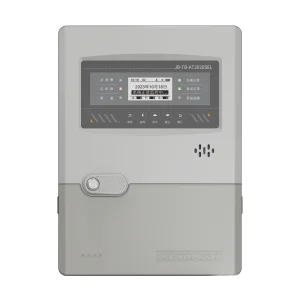
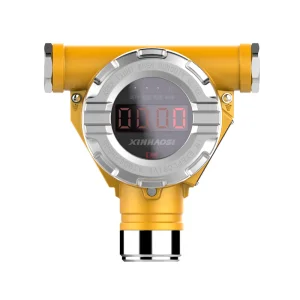
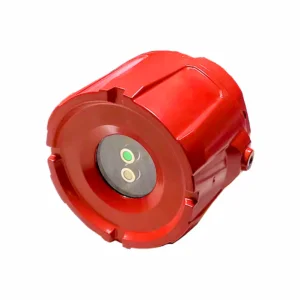
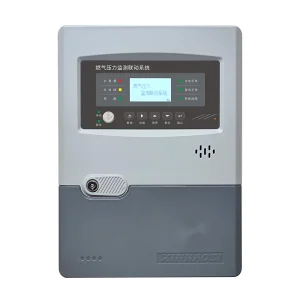
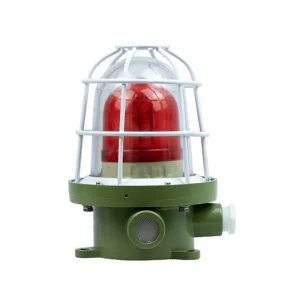
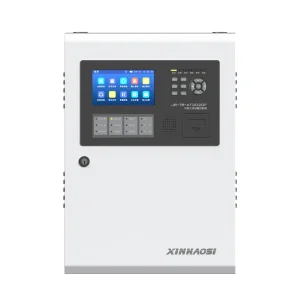
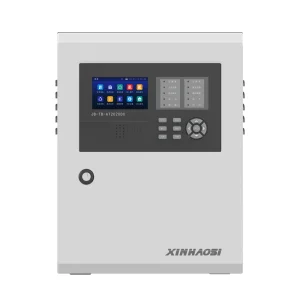
Explore our flagship catalog of gas detection controllers, explosion-proof transmitters, and smart solenoid shutoff installations.
In modern hydrocarbon processing, petrochemical distribution, and metropolitan gas networks, LPG (Liquefied Petroleum Gas) safety valves represent the critical baseline of defense against catastrophic failure. The manufacturing paradigms at OEM LP Gas Safety Valve Factories have dramatically evolved from simple spring-loaded mechanical shutoffs to sophisticated electro-magnetic, pneumatic, and IoT-enabled smart solenoid control stations. These safety valves act as immediate interlocks, mitigating emergency pipeline fractures or overpressure events under fractions of a second.
As global urbanization deepens and secondary industrial processes accelerate, safety regulations demand more than basic open-close functionality. Today's regulatory environment prioritizes predictive maintenance, zero-leak integrity, and high-frequency sensor communication protocols. OEM factories must design safety components that survive corrosive ambient exposures, extreme thermal cycles, and high pressure fluctuations. These challenges are solved by deploying robust material formulations, such as premium-grade forged brass, carbon steel housings, and Viton/NBR elastomers, ensuring airtight sealing across millions of cycles.
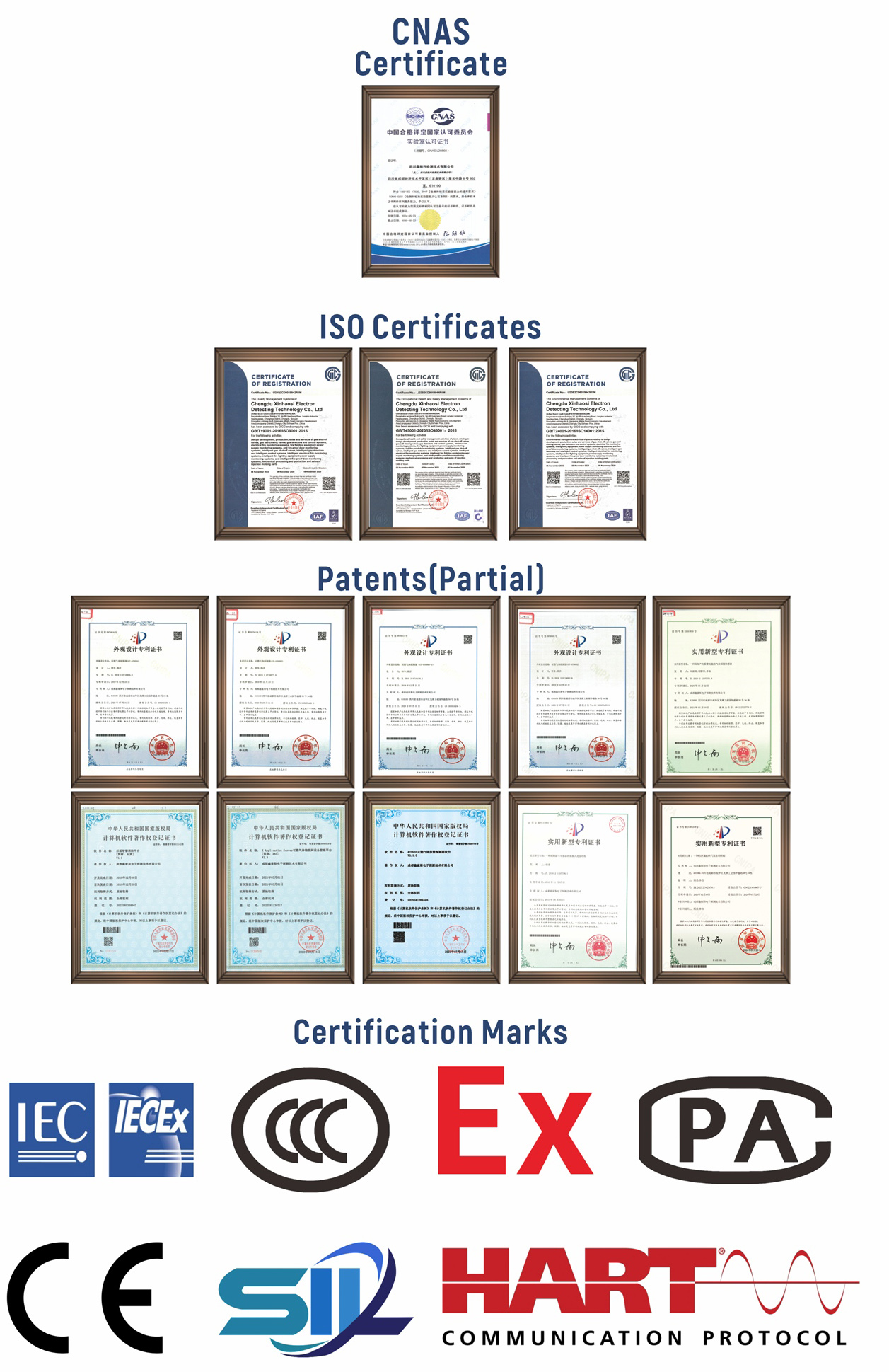
Under the rigorous guidelines of the ISO9001 quality management system, Xinhaosi has systematically built an industry-leading quality control paradigm. Our key technologies have secured complete verification under international and regional standards, including Chinese Compulsory Certification (3C), domestic explosion-proof safety certification, fire service approvals, and CPA measurement instrument type approval. For global operations, we supply safety modules carrying complete CE and Safety Integrity Level (SIL 2/3) endorsements.
Xinhaosi is proud to serve as a principal contributor to the national drafting committee for solenoid valve safety standards in China. Our internal testing and validation facilities are certified under the China National Accreditation Service for Conformity Assessment (CNAS), aligning with ISO/IEC 17025 specifications. This ensures that every test report we generate is fully recognized under the ILAC-MRA framework, giving global procurement officers verified assurance of compliance and reliability.
Custom-engineered safety configurations designed to meet complex infrastructural, localized, and extreme industrial environment demands.
High-integrity pressure protection systems (HIPPS) coupled with fast-acting explosion-proof solenoid valves to prevent pipeline ruptures in upstream extraction and downstream refinery complexes.
Solenoid valves featuring automated emergency shut-offs configured for district regulators, gas gate stations, and residential distribution systems under seismic or unexpected pressure drops.
Synchronized dual-shutoff systems that integrate fast-venting configurations, establishing reliable safe zones and satisfying modern NFPA 85 and EN 746 industrial thermal process codes.
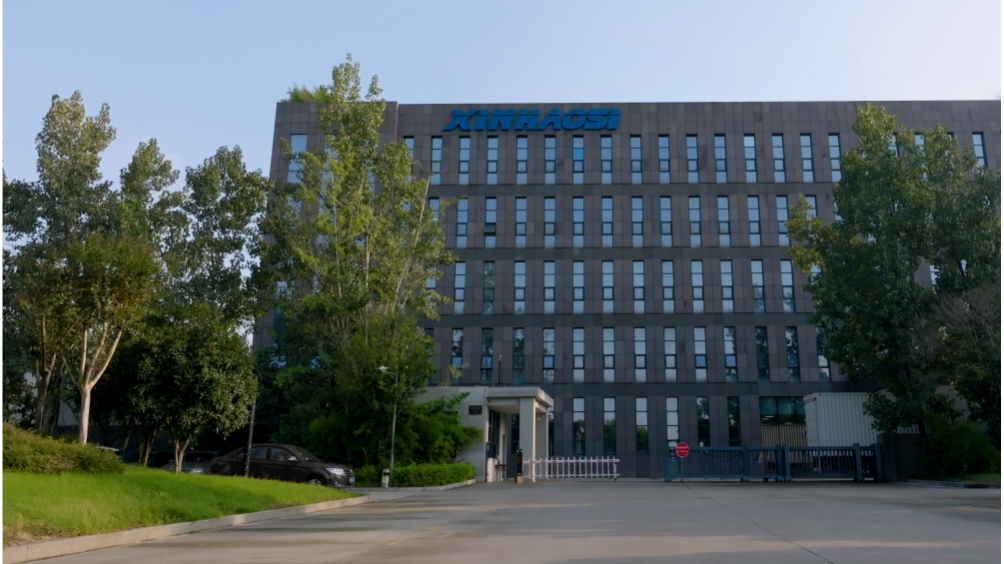
Chengdu Research & Operations Headquarters

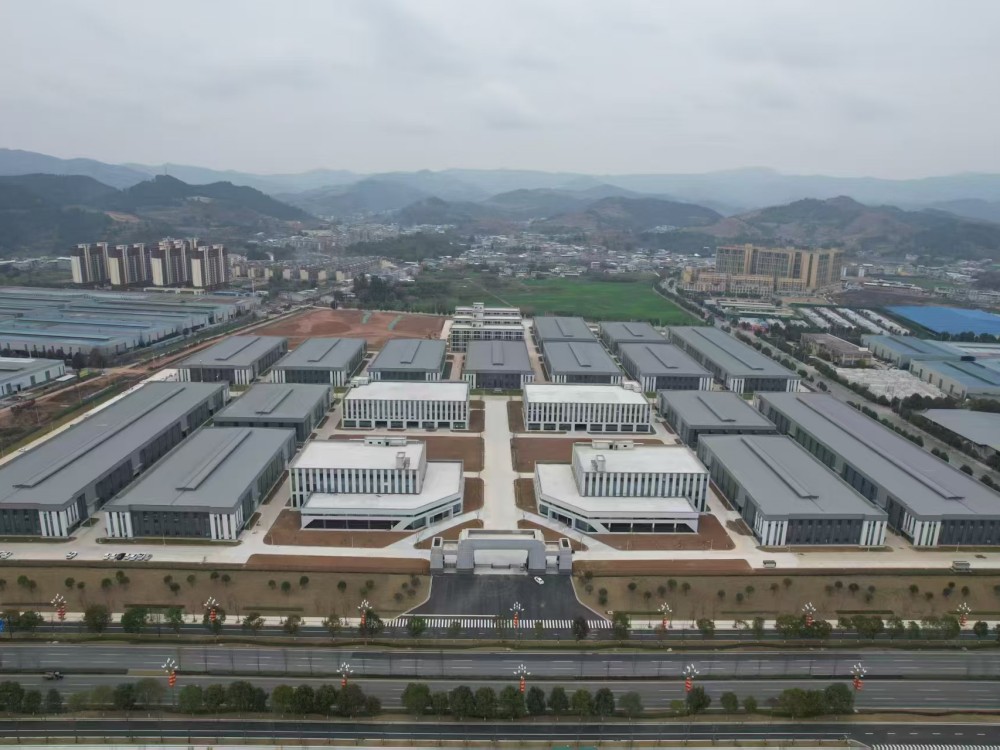
Deyang Intelligent Production Base
Founded in 2003, Xinhaosi stands as one of the most trusted and influential brands in the global gas safety sector. Over two decades of technical specialization, we have built a robust production, engineering, and service infrastructure. This network blends advanced research and development, fully automated smart factory assemblies, international digital distribution pipelines, and reliable maintenance and training teams.
Our technology portfolio includes domestic and industrial gas detection devices, heavy-duty gas solenoid valves, and real-time municipal pipeline health monitoring setups. We produce millions of units annually, supporting critical processes in oil and gas, metallurgy, automotive manufacturing, pharmaceutical plants, chemical complexes, and high-capacity food processing.
Guided by our core mission, "Making Gas Safety Accessible Everywhere," we ensure every product undergoes comprehensive testing before shipment. We provide our global OEM partners with long-term reliability and tailored modifications that protect equipment, environments, and lives.
A timeline of continuous innovation, scaling from regional valve fabrication to becoming an industry-defining safety brand.
● Xinhaosi established on April 17, 2003, focusing on mechanical engineering.
● Launched first-generation gas leakage detectors and industrial fire mitigation equipment.
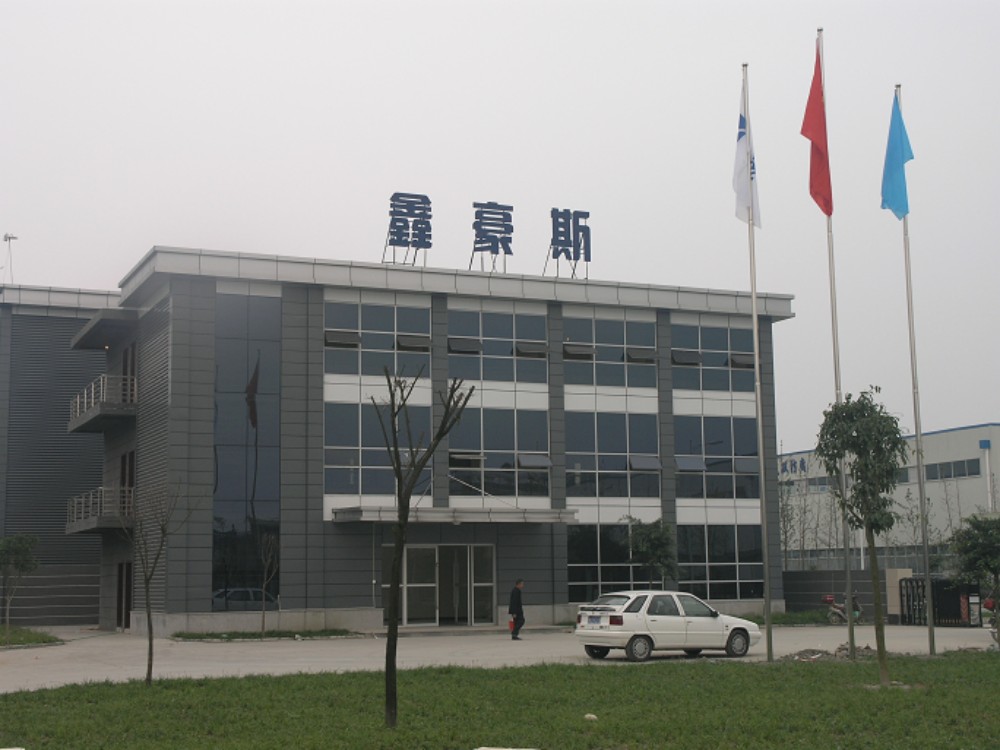
● Launched dedicated LP Gas Safety Valve production operations.
● Expanded high-capacity OEM design partnerships for international buyers.
● Completed and occupied our modern administrative facility in Longtan Industrial Park.

● Passed the milestone of 10 million active gas safety devices sold worldwide.
● Relocated core production lines into the high-capacity Chengdu Factory campus.
● Established regional support centers to provide rapid domestic and international service.
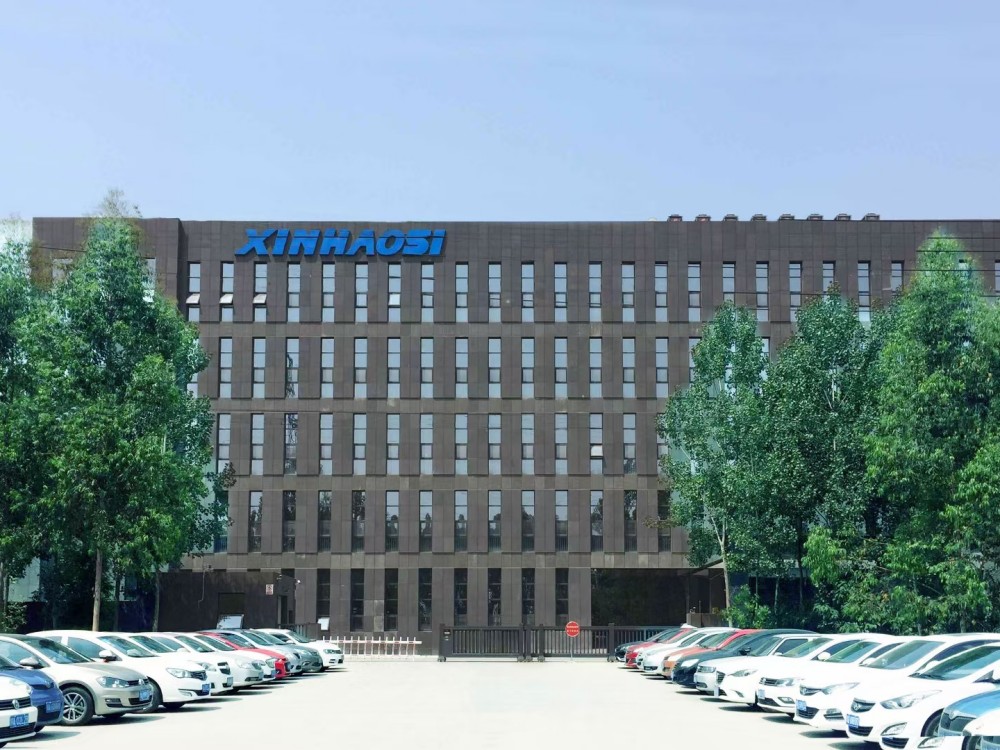
● Launched our proprietary, cloud-linked IoT cloud service for real-time safety monitoring.
● Introduced emergency fire warning, low-voltage control boxes, and integrated evacuations.
● Accredited as a National High-Tech Enterprise, supplying top-tier energy conglomerates.
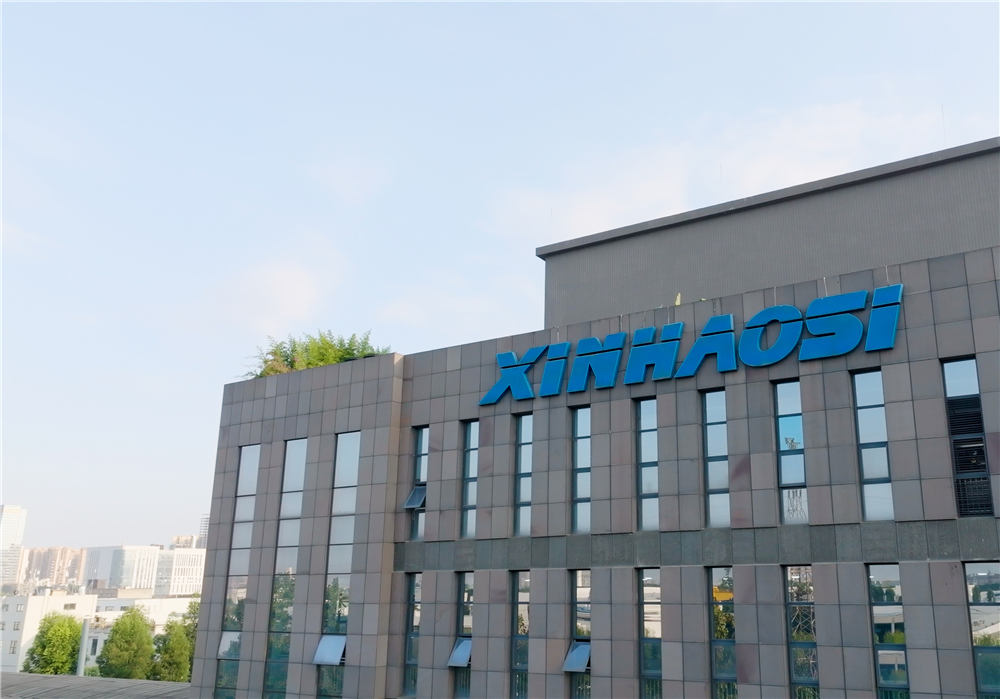
● Broke ground on the new Deyang Intelligent Production Base, scaling assembly capabilities.
● Formed dedicated teams for petrochemical automation and international business.
● Recognized as the Sichuan Provincial Enterprise Technology Center.
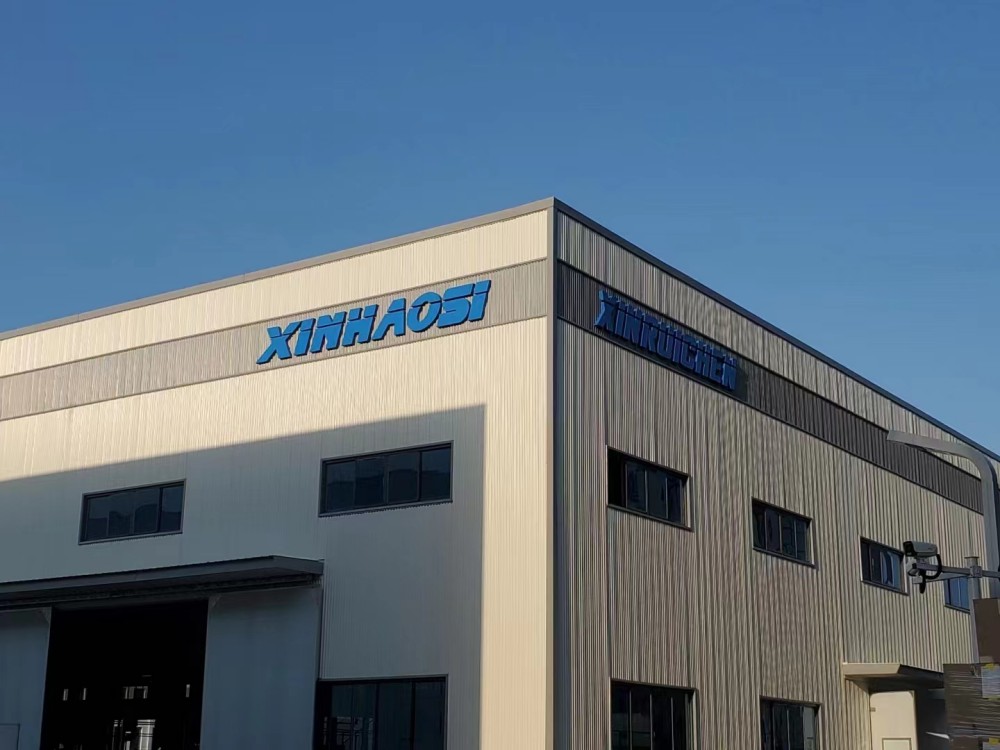
● Initiated full-scale operations at our advanced Deyang Intelligent Plant.
● Rolled out intelligent municipal pipelines, wireless LoRaWAN detectors, and AI-enabled solenoid safety devices.
● Pioneering zero-emission hydrogen gas safety technologies for clean energy systems.
The operating environment of an LPG safety valve demands long-term mechanical resilience. When raw LPG moves through distribution lines, trace impurities and chemical additives can degrade low-grade sealing materials over time. To solve this, Xinhaosi utilizes high-performance elastomers, including fluorocarbon rubbers (FKM/Viton) and hydrogenated nitrile (HNBR). These materials provide outstanding chemical resistance, ensuring the valve maintains tight seals even when exposed to high-pressure liquid LPG fractions.
Our safety valve designs employ a double-eccentric structural geometry. This configuration reduces friction at the sealing interface, lowering the electrical power required to actuate the solenoid while extending the service life of internal components. Our valve bodies are formed from premium forged brass or impact-resistant cast steel, protecting internal mechanisms against structural deformation from sudden pipeline pressure spikes.
Moving beyond traditional manual safety valves, our latest product line features advanced electrical diagnostic capabilities. Our smart solenoid valves integrate with bus-type communication networks, allowing centralized facility control systems to monitor coil temperature, response time, and current draw. If a coil begins to show signs of wear or a valve experiences a delayed closing cycle, the system triggers a warning to operators. This enables preventive maintenance before a failure occurs, keeping operations safe and minimizing unplanned downtime.
Expert engineering insights regarding installation, material selection, certification compliance, and system configuration.
Integrate our certified gas detection controllers, flame sensors, and alarms to build a comprehensive safety network for your facility.