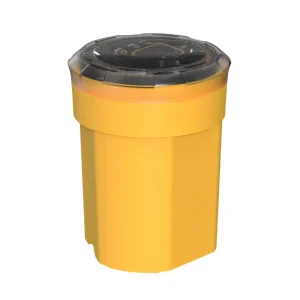
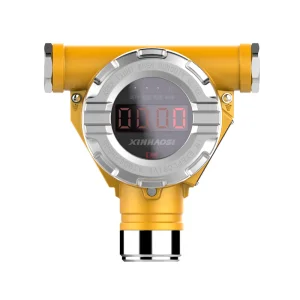
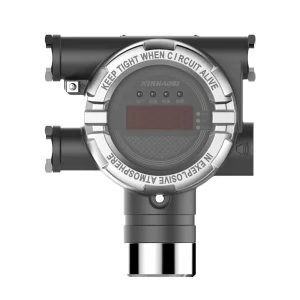
Ammonia ($NH_3$) is a vital compound widely used in refrigeration systems, chemical plants, fertilizer production, agricultural storage, and the emerging hydrogen energy sector. However, due to its toxicity, corrosiveness, and potential flammability at high concentrations, real-time ammonia monitoring is an absolute priority for safety managers globally. Standardized gas detectors often fail to meet the diverse operational criteria required by local environmental legislation and specialized engineering systems. This has generated a massive surge in demand for high-performance OEM Gas Detector Ammonia solutions that can be seamlessly tailored to meet dynamic industrial needs.
As a leading safety provider, Xinhaosi understands the technical challenges associated with detecting $NH_3$. From sensor degradation caused by harsh chemical environments to integration requirements within building management networks, our OEM/ODM custom solutions offer maximum reliability, strict compliance with local safety regulations, and robust industrial grade performance.
Founded in 2003, Xinhaosi is one of the most influential and trusted brands in the global gas safety industry. Over the past two decades, we have steadily built a robust and comprehensive production and service system. Our integrated capability spans from cutting-edge R&D, intelligent manufacturing with advanced automation equipment, and digital marketing across global channels, to professional after-sales support with an experienced technician team, flexible OEM/ODM services, and CNAS-Accredited laboratory calibration services that meet stringent international standards.
Our diversified product portfolio covers industrial & residential gas detection & alarm systems, industrial & household gas solenoid valves, and urban gas pipeline network monitoring systems—all engineered to adapt to complex working environments and strict safety requirements. Guided by our core mission of "Making Gas Safety Accessible Everywhere," we consistently deliver high-performance, reliable products and customized solutions tailored to each client's unique needs.
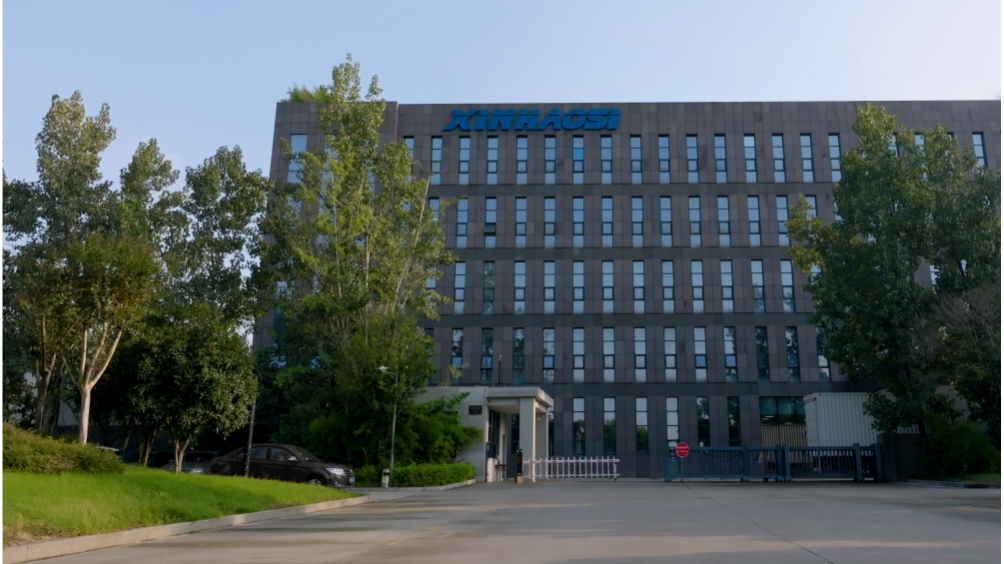

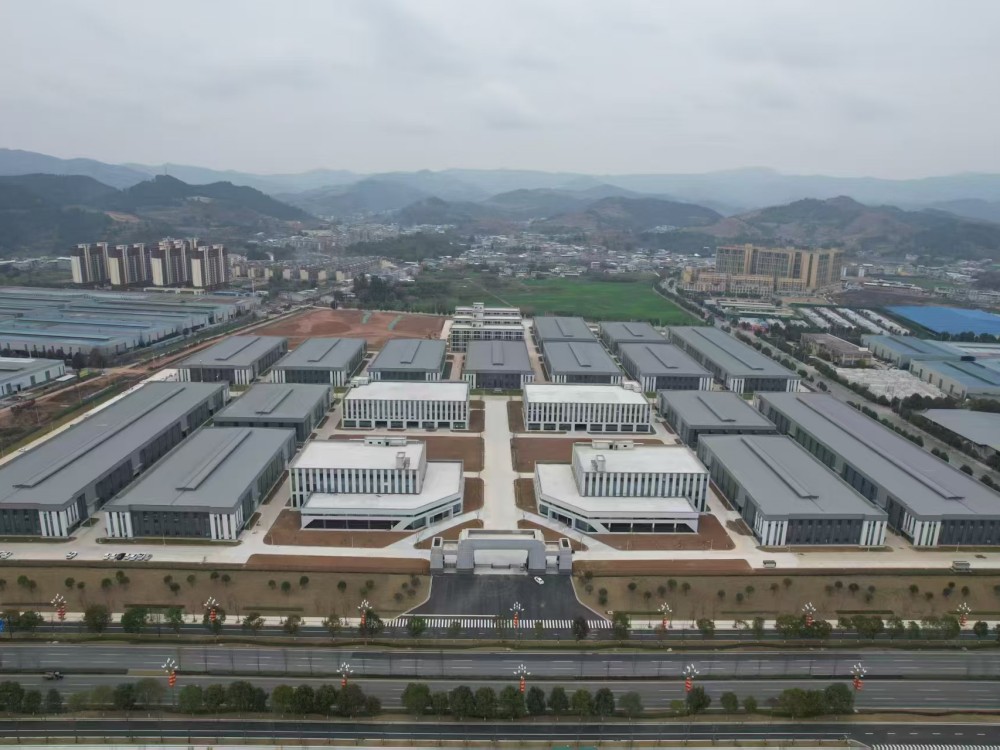
Operating state-of-the-art facilities in both Chengdu and Deyang, Xinhaosi leverages the complete supply chain ecosystem of Western China to deliver high-quality, cost-competitive products. Our manufacturing plants utilize SMT placement lines, high-temperature calibration chambers, and automated functional testing bays to produce tens of millions of safety units annually.
Our OEM/ODM pipeline is designed for scalability and speed, providing global distributors with rapid prototypes and customized sensor assemblies that meet specific industrial specifications without sacrificing quality.
Adhering strictly to ISO9001 quality management system standards, Xinhaosi's core safety products have obtained a full range of authoritative certifications. These include national compulsory Products Certification (3C), explosion-proof certification, fire product certification, CPA measurement instrument type approval certificates, and international approvals such as CE and SIL (Safety Integrity Level) certification. Additionally, Xinhaosi holds prestigious honors such as "National Quality Integrity Benchmark Enterprise" and "National Quality Leading Enterprise in the Gas Alarm Industry." We are active members of the China Fire Protection Association and have served as the main drafting organization for the national standard of solenoid valves, demonstrating our deep regulatory influence.
Our in-house calibration laboratory is accredited by the China National Accreditation Service (CNAS) under the ILAC-MRA framework, providing globally traceable testing for gas sensors and emergency shut-off devices.
Features like our historical data predictive maintenance (reducing equipment failure rates by over 30%) and integrated flow-monitoring solenoid systems set us apart as technology leaders.
We pioneered China's first networked bus-type gas leakage monitoring framework and the only maximum-point gas leakage monitoring system certified by the Ministry of Public Security.
Ammonia ($NH_3$) presents unique challenges in gas safety. Unlike combustible hydrocarbons, it is highly toxic in small quantities (ppm level) yet flammable at higher volumes (15% to 28% LEL). Furthermore, ammonia is extremely light, easily rising to accumulate near ceilings, and reacts aggressively with moisture to form corrosive ammonium hydroxide. Because of this dual toxicity-flammability nature, specialized detection architectures are necessary:
In industrial ammonia refrigeration facilities, sub-zero temperatures and high humidity degrade standard gas detectors. Our OEM gas detectors feature integrated temperature compensation algorithms and moisture-barrier membranes to prevent condensation damage.
High background interference from other combustible gases can trigger frequent false alarms. We deploy dual electrochemical and catalytic combustion sensor paths to isolate $NH_3$ measurements from background interference.
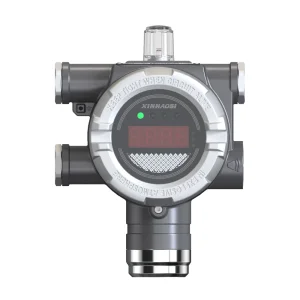
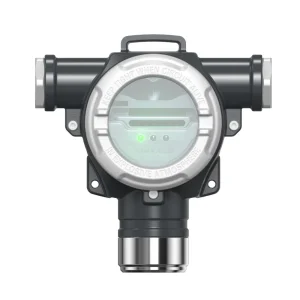
As a carrier for green hydrogen, liquid ammonia monitoring requires strict explosion-proof compliance (Class I, Div 1 / Zone 1). Our products feature ATEX and IECEx-equivalent ratings with flameproof aluminum or stainless steel housings.
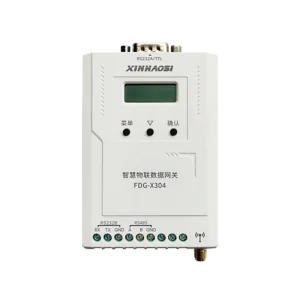
The safety industry is undergoing a digital transformation. Traditional analog loop signals (4-20mA) are being upgraded to digital bus systems (RS485 Modbus) and wireless networks. Xinhaosi is at the forefront of this evolution by offering IoT-ready ammonia gas detectors integrated with smart gateways (such as our FDG-X304 Intelligent Data Gateway) and cloud management systems.
Our proprietary platform supports predictive maintenance, enabling facility managers to analyze historical sensor drift data and schedule calibration cycles *before* a unit fails. This reduces unexpected downtime by up to 30%, which is particularly valuable in cold storage facilities where access to ceiling-mounted detectors is difficult.
Established on April 17th, 2003. We launched our first generation of gas leak alarms and fire fighting products, laying the foundation for our technological standards.
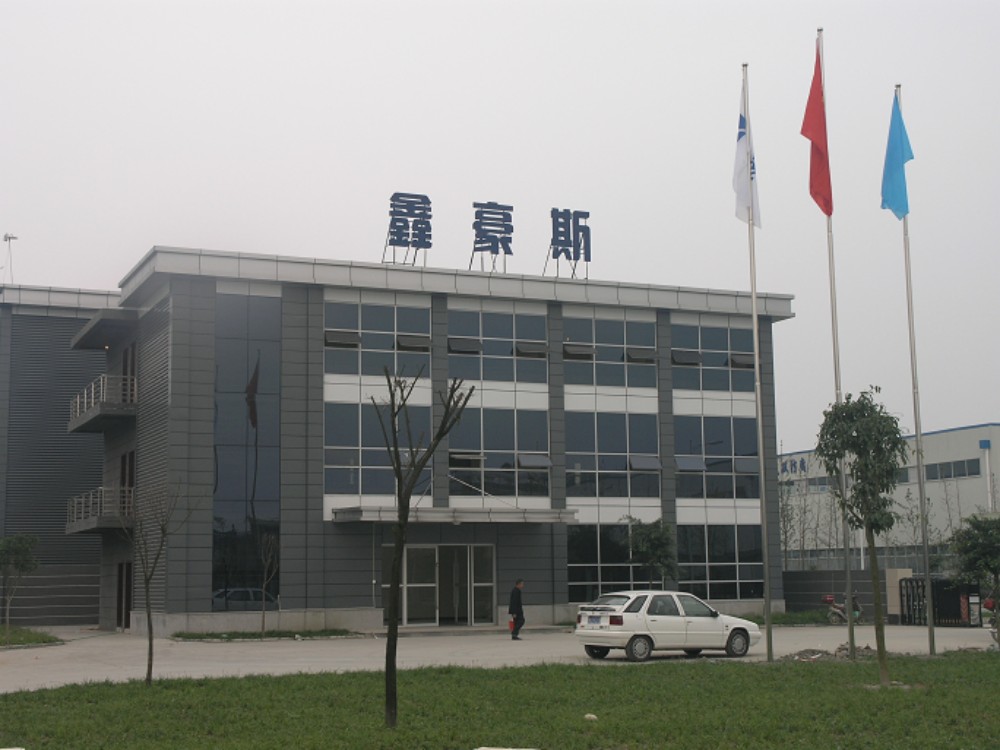
Started gas safety valve production and rapidly expanded our industrial OEM business. Relocated our corporate office to the Longtan Industrial Park.

Achieved a milestone of 10 million cumulative gas detector units sold. Relocated to our Chengdu factory building and established a national sales and service network.
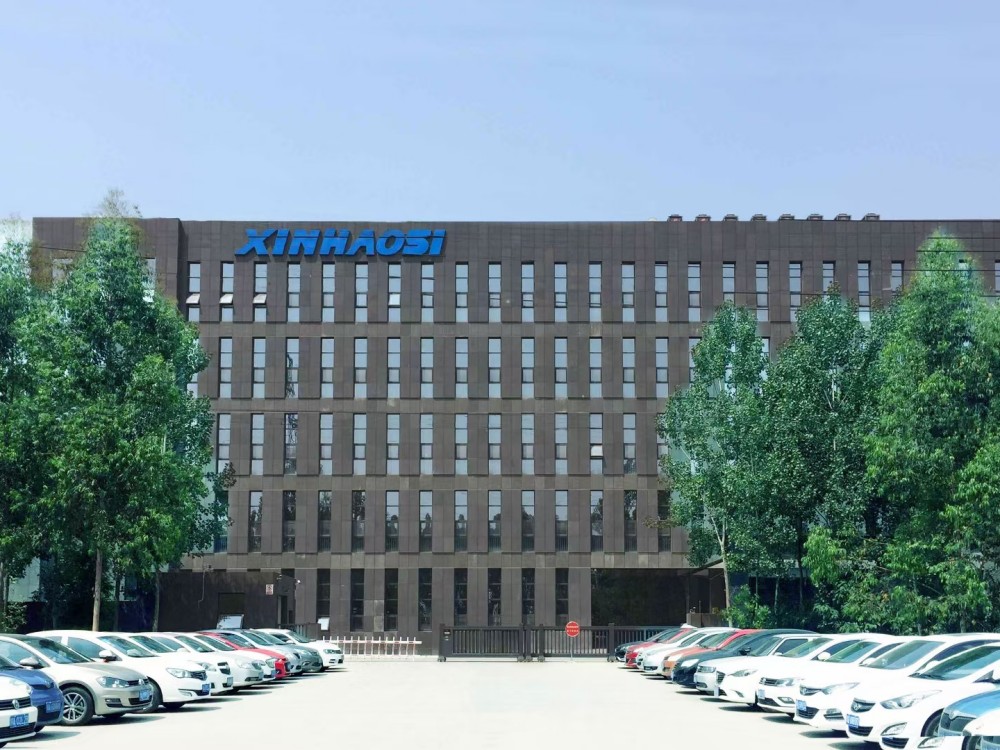
Launched our self-developed IoT platform alongside advanced fire automatic alarms and emergency evacuation networks. Qualified as an official supplier to China's top five gas companies.
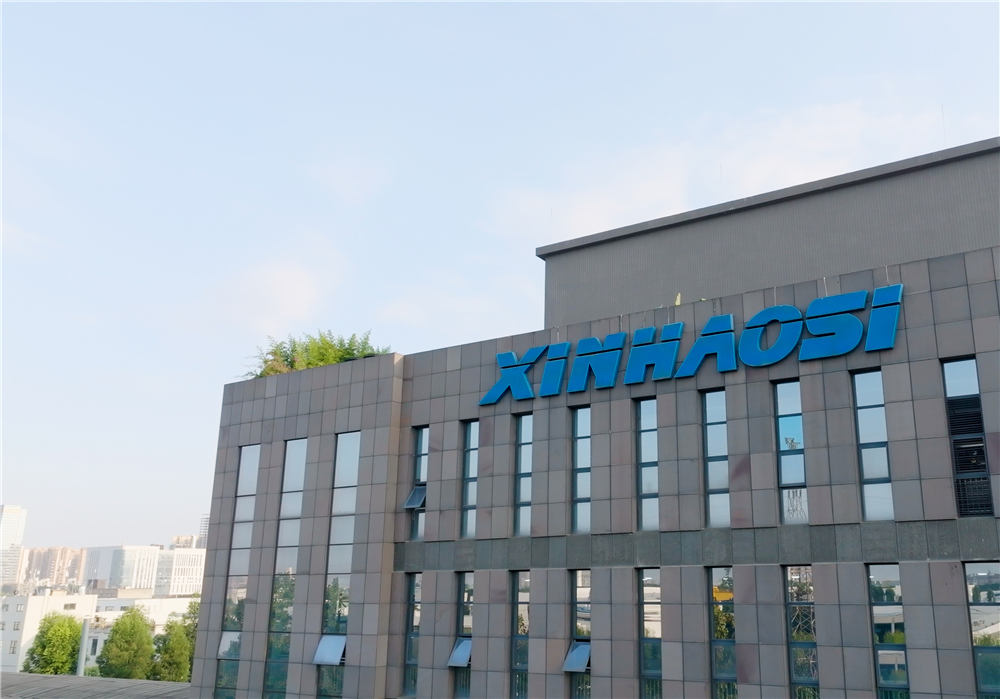
Commenced construction of our Deyang factory and formed the specialized Petrochemical and International Business Division. Honored with the title of Sichuan Provincial Technology Center.
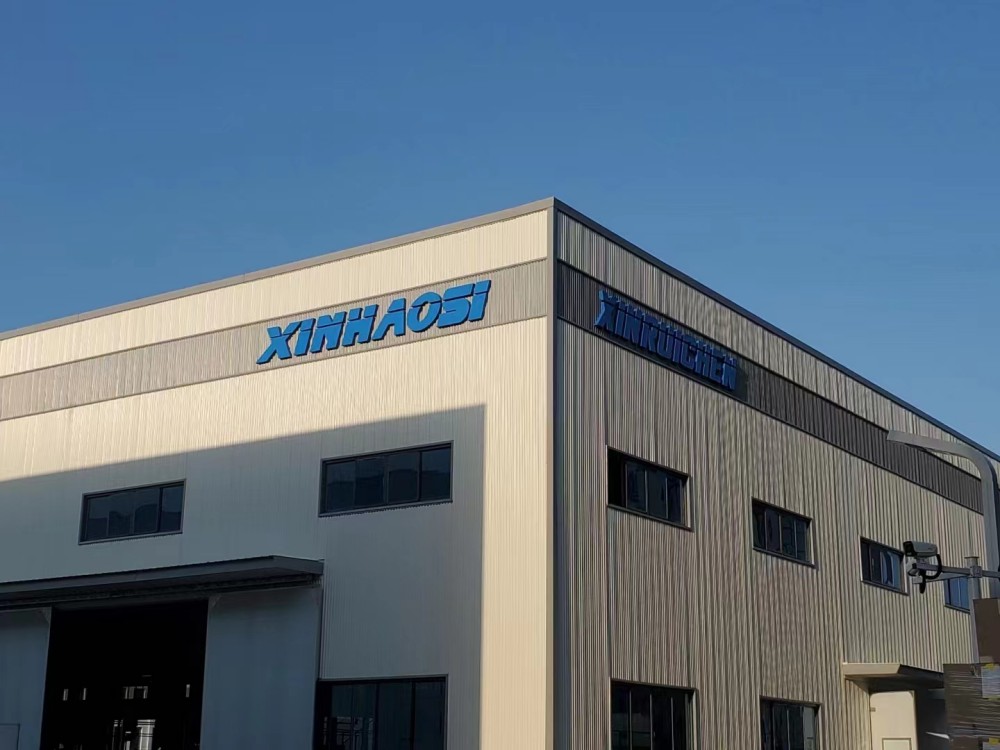
Operational launch of the Deyang factory, expanding production capacity. Released our latest wireless gas monitoring, intelligent AI safety valves, and specialized pipeline leak sensors.