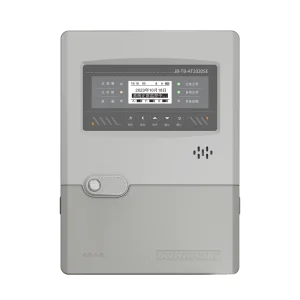
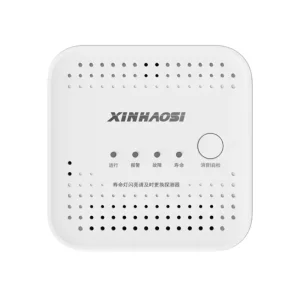
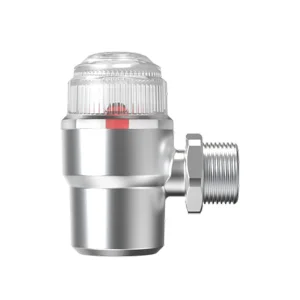
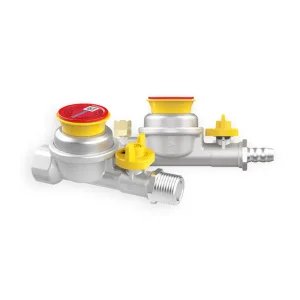
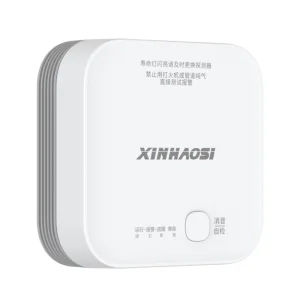
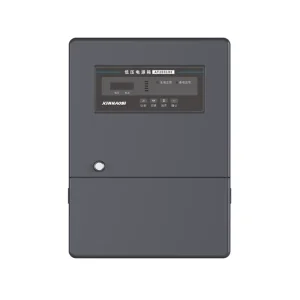
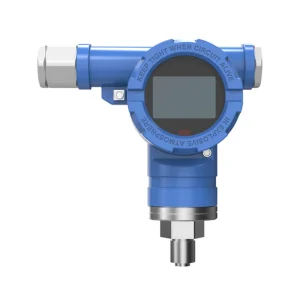
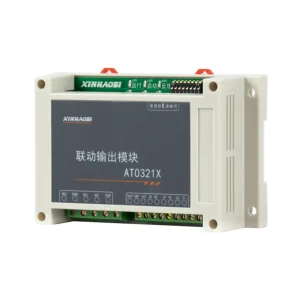
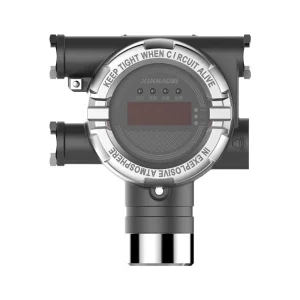
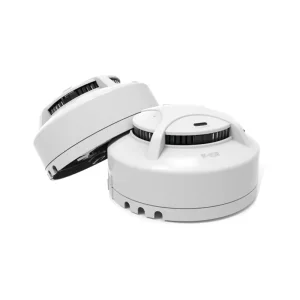
Explore our high-performance components and monitoring units engineered for harsh industrial environments.
Analyzing modern risk mitigation, regulatory compliance, and gas monitoring systems within hazardous working environments.
Confined spaces—ranging from underground storage vaults, petrochemical vessels, and municipal sewer systems to complex marine cargo holds—pose some of the most dangerous risks in modern industry. Due to poor natural ventilation, these areas are highly susceptible to the accumulation of toxic gases, flammable vapors, or the depletion of oxygen. Statistically, atmospheric hazards account for more than 60% of all confined space fatalities globally. In response, modern industries are shifting from reactive safety protocols to proactive, real-time atmospheric monitoring powered by Internet of Things (IoT) technologies and high-stability gas sensors.
As a leading brand and dedicated developer of atmospheric safety systems, Xinhaosi provides end-to-end OEM and ODM services for confined space air monitors. We partner with industrial designers, municipal contractors, and environmental managers worldwide to deliver custom safety instruments. Engineered to withstand temperature fluctuations, extreme humidity, and high pressure, our monitors provide the accurate, stable readings necessary to keep operations compliant and workers safe.
We build systems to align with stringent international frameworks, including OSHA 1910.146, ATEX directive 2014/34/EU, IECEx, and China's GB Standards, ensuring seamless validation in cross-border projects.
From custom outer shell styling and private-label firmware to modular sensor configurations (LEL, O2, H2S, CO, CO2, VOCs), we match our hardware to your brand specifications.
Supporting advanced protocols like 4G, LoRaWAN, NB-IoT, and Zigbee to feed real-time atmospheric data directly into remote supervisory dashboards.
Founded in 2003, Xinhaosi has become one of the most influential and trusted names in the global gas safety sector. Over the past two decades, we have built a comprehensive production and service system that integrates advanced R&D, smart manufacturing with high-precision automation equipment, digital global marketing, and professional post-sale technical support.
Our catalog includes industrial and residential gas detection systems, emergency shut-off valves, and smart urban gas monitoring setups designed for complex working environments. Annually producing tens of millions of units, we serve critical industries including petrochemicals, metallurgy, pharmaceuticals, wastewater treatment, mining, and new energy.
Under our core mission of "Making Gas Safety Accessible Everywhere," we engineer high-performance systems tailored to each client's specific requirements. Every component we produce undergoes strict quality control validation in our certified facilities.
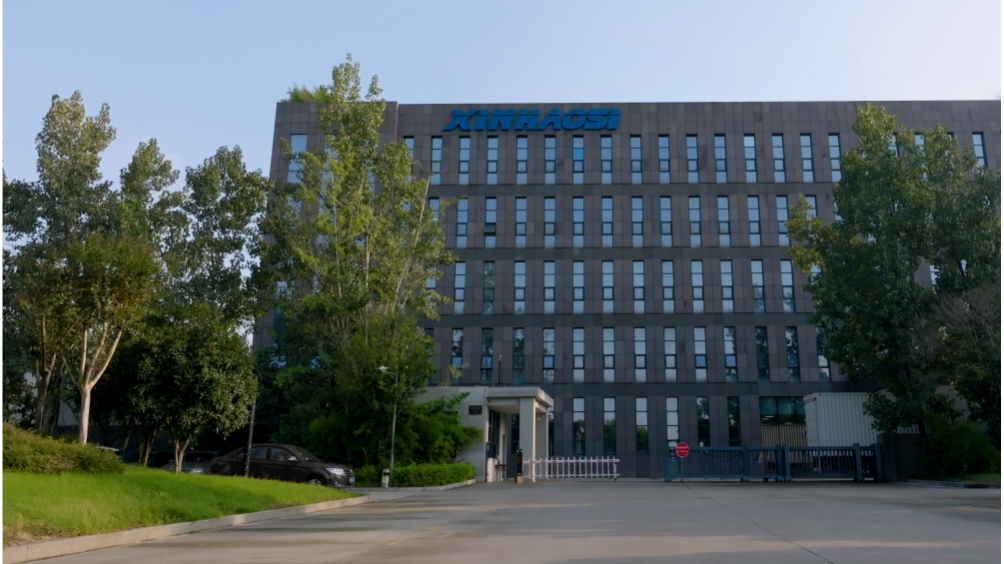
Chengdu Factory & Office
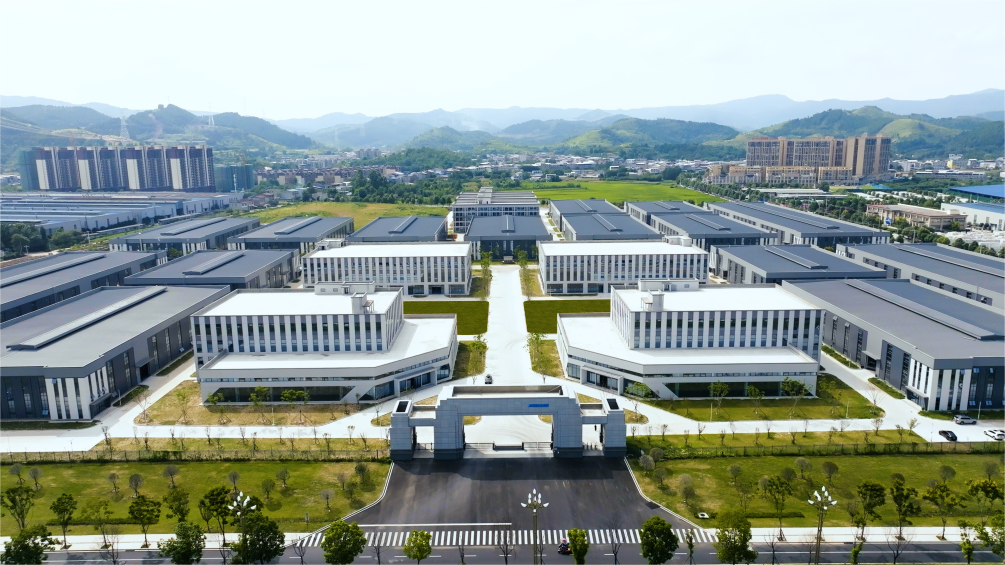
Deyang Factory
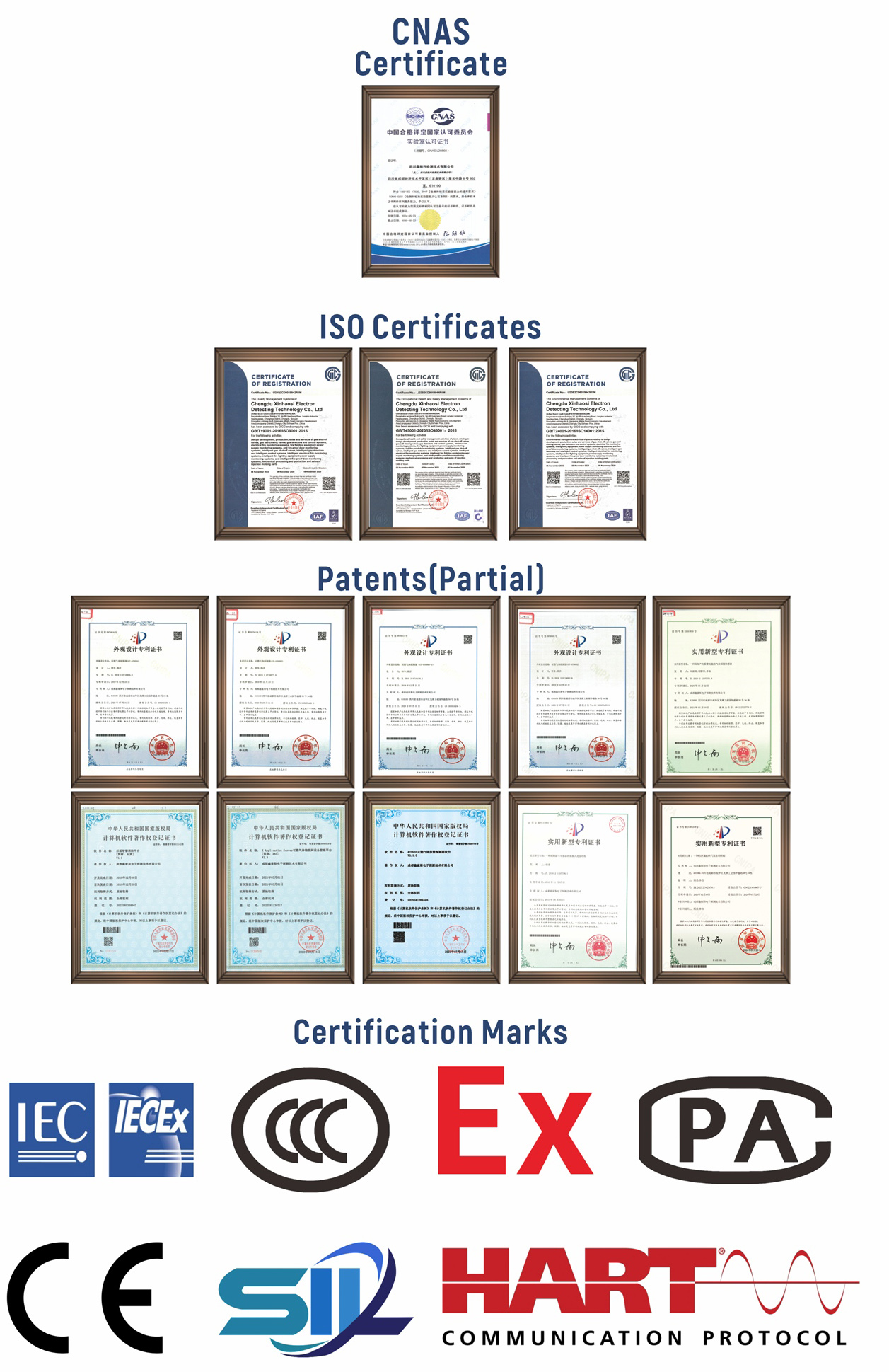
Following strict ISO9001 quality management principles, Xinhaosi’s safety devices hold key national and international approvals, including China’s Compulsory Certification (CCC), Explosion-Proof (Ex) certifications, CE, and Safety Integrity Level (SIL) ratings.
Our R&D team holds over 50 patents and software copyrights. This intellectual property covers key advancements such as:
Our in-house calibration lab is CNAS-accredited and operates under the ISO/IEC 17025 standard. Through the ILAC-MRA framework, our test reports are recognized globally, ensuring that OEM partners receive fully compliant, certified equipment ready for export.
Confined spaces differ across sectors; our monitors are customized to meet the distinct challenges of different industries.
Tanks and process columns often contain trace volatile organic compounds (VOCs), hydrogen sulfide (H2S), and explosive hydrocarbons. Our monitors feature ATEX/IECEx explosion-proof housings and catalytic bead or photoionization detectors (PID) to perform reliable pre-entry checks and continuous monitoring.
Sewage infrastructure typically generates high concentrations of hydrogen sulfide (H2S), methane (CH4), and carbon dioxide (CO2). We build portable multi-gas monitors featuring IP67 or IP68 water resistance, keeping internal electronics protected against damp, corrosive underground conditions.
Sealed marine spaces are prone to rust-induced oxygen depletion and toxic gas accumulation. Our instruments utilize long-life, drift-resistant electrochemical sensors to help crews meet maritime safety regulations before entry.
High-temperature environments present an elevated risk of carbon monoxide (CO) exposure. We design rugged monitors equipped with high-temperature-tolerant gas sensors and bright alarms to provide reliable safety alerts in high-risk zones.
How our smart Deyang and Chengdu factories deliver high-volume, reliable gas safety hardware at competitive rates.
Using advanced surface-mount technology (SMT) lines, we maintain precise assembly standards, low solder-defect rates, and high throughput across large production runs.
Every sensor is calibrated inside custom test chambers connected directly to our CNAS lab workflow, logging performance metrics for total traceability.
By keeping core sensor design, injection molding, and software programming under one roof, we significantly shorten development cycles for customized orders.
When selecting an OEM partner for confined space monitoring equipment, global procurement managers evaluate three main metrics: compliance certification, sensor longevity, and system reliability.
At Xinhaosi, we address these priorities through our integrated supply chain. By sourcing components in volume, we keep unit costs competitive without compromising on build quality. This allows us to provide international buyers with reliable, industrial-grade equipment at a highly competitive total cost of ownership (TCO).
Key technological shifts that will define the next generation of industrial safety monitors.
Modern detectors use on-device algorithms to track sensor degradation and temperature fluctuations. This enables predictive maintenance scheduling before a critical failure occurs, saving significant time and expense in industrial operations.
Next-generation devices form dynamic mesh networks within confined structures. If a technician loses cellular connection inside a tank, nearby nodes relay their safety status and atmospheric data back to the external control deck.
Research into low-power photoionization (PID) and infrared (IR) detectors is paving the way for compact, battery-powered monitors that can run continuously for months on a single charge.
A look at Xinhaosi's development from a regional manufacturer in 2003 to an internationally recognized gas safety brand.
Established on April 17, 2003, Xinhaosi launched its first generation of gas leak alarms and fire protection equipment, securing a foothold in China's emerging safety sector.
Initiated production of specialized safety valves and expanded our OEM services. Relocated our corporate office to Longtan Industrial Park to accommodate our growing design and engineering divisions.
Achieved sales of over 10 million gas detector units. Relocated to our main Chengdu factory and built out a comprehensive, nationwide sales and service network.
Launched our in-house IoT cloud safety platform alongside automated fire-alarm and emergency evacuation systems. Qualified as an official supplier to China’s top gas distributors.
Began construction of our new Deyang manufacturing facility. Established our Petrochemical & International Business Division, and recognized as a Sichuan Provincial Technology Center.
Completed and opened our state-of-the-art Deyang factory. Rolled out our newest wireless detectors, AI-enabled safety valves, and urban pipeline monitoring networks.
Frequently asked questions regarding gas monitoring specifications, calibration standards, and OEM options.
According to international standards like OSHA 1910.146, a confined space monitor must typically track four primary atmospheric hazards: oxygen levels (O2), flammable gases (% LEL / Lower Explosive Limit), carbon monoxide (CO), and hydrogen sulfide (H2S). Depending on the site, additional sensors can be integrated to monitor volatile organic compounds (VOCs), carbon dioxide (CO2), or ammonia (NH3).
We recommend performing a simplified bump test before each daily use to verify sensor response and alarm functionality. A full calibration with certified reference gas should be completed every six months in a laboratory setting, such as our CNAS-accredited facility, to correct for natural sensor drift over time.
Sensor life depends on chemistry: standard oxygen and toxic electrochemical sensors generally perform reliably for 2 to 3 years. Catalytic bead sensors for combustible gases typically last 3 to 5 years, while high-performance infrared (IR) and photoionization (PID) sensors can provide stable readings for over 5 years with regular calibration.
We offer comprehensive white-labeling services. This includes custom plastic mold design, branding on the outer shell, localized user interface and menu options, custom firmware configurations, wireless protocol integration, and specialized sensor combinations tailored to your target application.
Our manufacturing facilities operate under strict ISO9001 standards. Every product is calibrated and tested on our automated lines, with performance metrics logged in our CNAS-certified system to guarantee traceable quality from the assembly line to final deployment.
Our gas detection transmitters and controller boards are highly modular. They can be equipped with 4G LTE, NB-IoT, LoRaWAN, Zigbee, or standard RS485 Modbus connections, making it simple to link your hardware into existing industrial networks and SCADA systems.
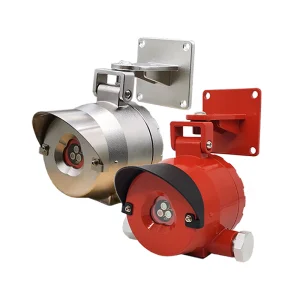
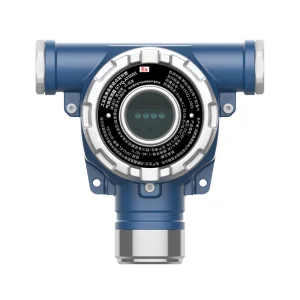
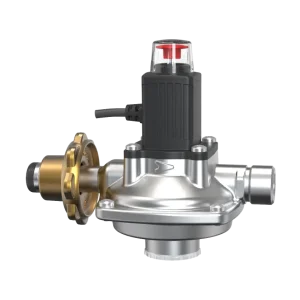
Browse our advanced flame detectors, explosion-proof monitors, and specialized pressure regulators.