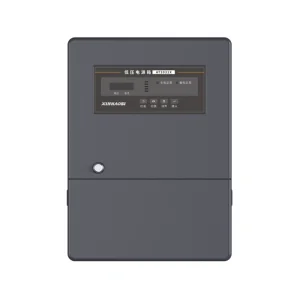
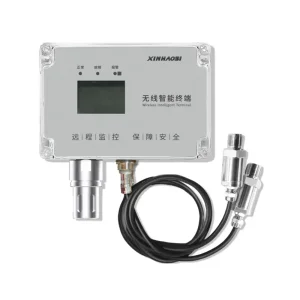
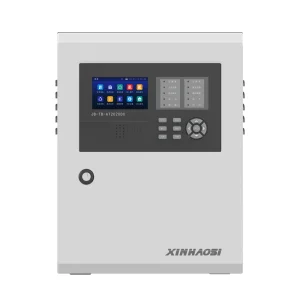
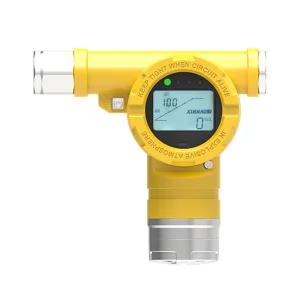
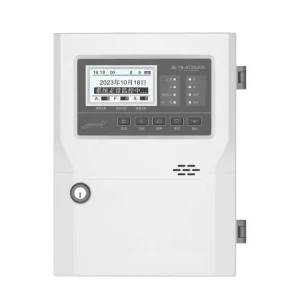
Deploying robust gas safety infrastructure with top-tier regulatory compliance and fail-safe automated valves engineered for complex environments.
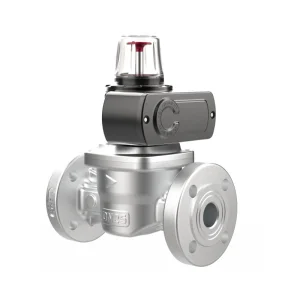
Solenoid valves serve as the critical line of defense in modern combustion systems and industrial gas transmission networks. As international regulations mandate tighter safety margins, the demand for OEM Commercial Gas Solenoid Valves has surged. These devices rely on electromagnetic force to actuate valve gates, instantly halting or regulating flow. Key global markets require specialized certifications such as ATEX, IECEx, UL, and CE to verify safety when dealing with flammable gases (methane, propane, butane, hydrogen blends).
Historically, the reliance was on manual shut-off systems. Today's commercial infrastructure, including shopping centers, central boiler stations, and industrial processing plants, demands automated integration. The modern regulatory landscape emphasizes safety and demands valves that can communicate with fire alarms and central building automation networks. If combustible levels spike, the valve must respond instantly to contain the risk.
At Xinhaosi, our manufacturing capacity spans across two major hubs in Sichuan, China: the Chengdu Factory & Office and the recently commissioned Deyang Factory. This dual-facility system offers key supply chain advantages, allowing us to maintain raw material reserves, process copper coils, machine valve bodies, and perform dynamic high-pressure testing at scale.

Our center for R&D, international marketing, and customer service. Chengdu coordinates with safety engineers globally to customize OEM valve designs and integrate gas detection controls.

The core of our heavy manufacturing capabilities, utilizing automated CNC tooling, copper-winding cells, and cleanrooms to deliver high-capacity outputs.
China’s manufacturing ecosystem allows us to optimize supply logistics, source certified brass and cast aluminum, and maintain production flexibility. Our automated assembly lines reduce cycle times while keeping strict standards. By combining raw material efficiency with structural quality checks, we supply global markets with durable safety valves at competitive price points.
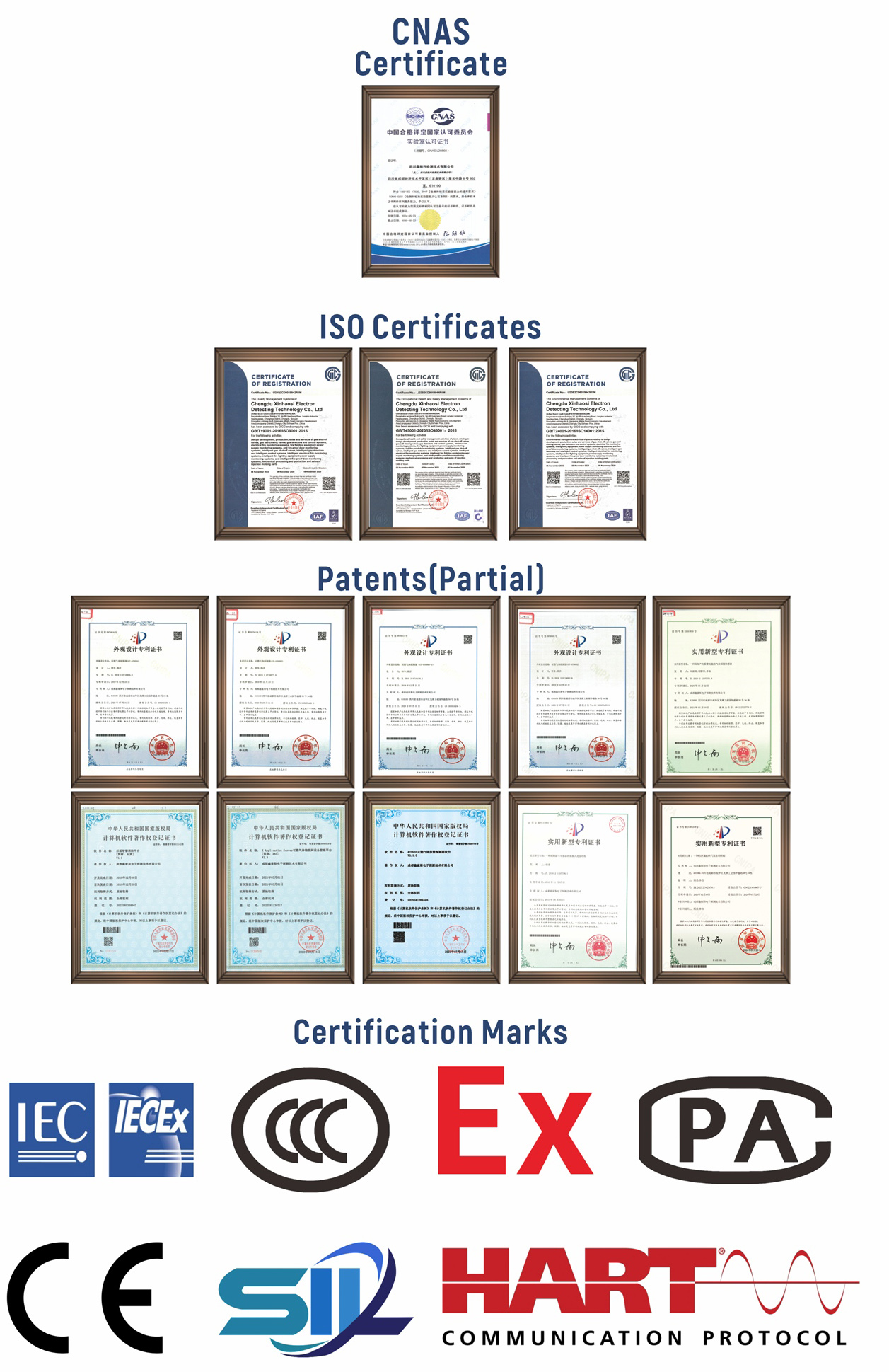
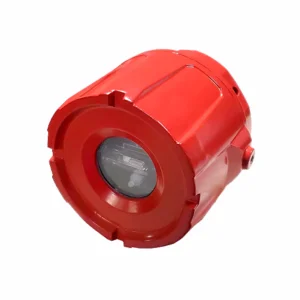
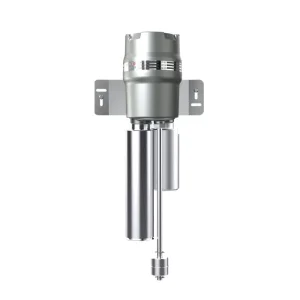
Every gas solenoid valve, monitoring terminal, and detector is built to ISO9001 standards. Our production facilities maintain a robust QA regime verified by national and international bodies, including CE, SIL (Safety Integrity Level) ratings, and explosion-proof certifications.
Our state-of-the-art testing facility is accredited by the China National Accreditation Service (CNAS). This guarantees that test reports generated in-house are internationally recognized under the ILAC-MRA framework. The facility tests for thermal load limits, electromagnetic compatibility (EMC), high-frequency vibration resistance, and long-term cyclic fatigue to ensure our valves perform under field stress.
Additionally, we hold over 50 patents and copyrights. Notably, our graphical monitoring software facilitates real-time data visual tracking, helping operators reduce equipment downtime by up to 30%. By integrating safety controls with predictive analytics, we help safeguard industrial workflows and commercial premises.
Different regions and industries demand unique solutions. Our valves are designed to adapt to a wide range of operational requirements, from high-temperature commercial kitchens to deep underground mining shafts.
Ensuring immediate shut-off during gas leaks or fire alarms, preventing combustion hazards in high-occupancy hotels and restaurant facilities.
Providing heavy-duty, fast-acting solenoid valves for high-pressure natural gas lines supplying regional urban heating systems.
Applying explosion-proof configurations to protect systems operating in environments with combustible vapors and gases.
Helping monitor municipal networks by integrating localized remote shut-off points to isolate leaks and reduce fuel loss.
Selecting the correct valve design depends on pressure ranges, response times, and hazardous area classifications. The table below details common structural options for commercial installations.
| Valve Type | Actuation Mechanism | Common Materials | Applications | Primary Safety Benefits |
|---|---|---|---|---|
| Direct-Acting Valve | Plunger directly opens/closes the orifice using magnetic force. | Forged Brass, Stainless Steel, Viton | Low pressure, small pipe systems, gas burner pilot lines. | Zero minimum operating pressure required; fast shut-off response <50ms. |
| Pilot-Operated Valve | Uses inlet line pressure to assist the diaphragm; pilot solenoid controls pressure relief. | Cast Aluminum, Ductile Iron, NBR | High flow rate main supply lines, boilers. | High efficiency in high pressure systems; lower power consumption coils. |
| Manual Reset Safety Valve | Electromagnet triggers shut-off; manual intervention required to reopen the line. | Anodized Aluminum Alloy | Main commercial building gas intake zones. | Ensures system inspection before gas flow is restored after emergency shutdowns. |
| Ex-Proof Certified Valve | Encapsulated coil housing containing sparks. | Heavy-Duty Stainless Steel/Ex-rated housing | Chemical manufacturing, refinery floors. | Explosion protection, ATEX/IECEx approved for Zone 1 & 2 hazards. |
The industrial gas sector is shifting from basic mechanical hardware to intelligent systems. We track and incorporate several design innovations to keep our products at the forefront of the industry:
Modern valves monitor diagnostic metrics like coil temperature and solenoid impedance. This enables plant managers to perform predictive maintenance before a hardware failure occurs.
With natural gas grids blending hydrogen, we utilize specialized alloys and seals to prevent hydrogen embrittlement and micro-leakage.
Modern coils consume up to 70% less energy once actuated, reducing operating costs in facilities that run continuously.
Over two decades, we have evolved from a localized supplier into an international manufacturer of gas detection controllers and solenoid valves.
Milestones:
Milestones:
Milestones:
Milestones:
Milestones:
Milestones:
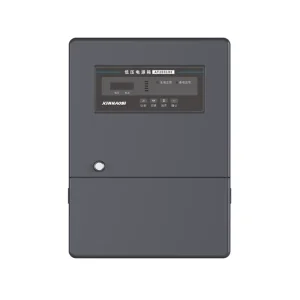
Integrating control systems, detectors, and smart interfaces to build a reliable commercial gas safety network.