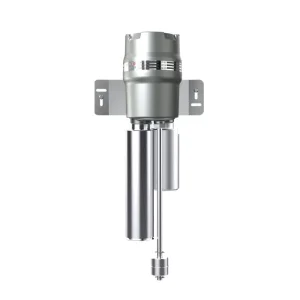
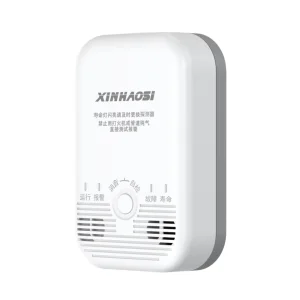
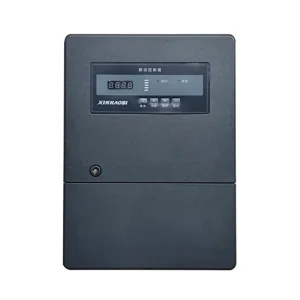
Understanding the critical demands of Carbon Monoxide (CO) monitoring systems. An analysis of global regulatory shifts, technological sensor iterations, and high-reliability OEM/ODM supply chain integration.
Carbon Monoxide (CO) is a highly toxic, colorless, odorless, and tasteless gas, often referred to as the "silent killer." Derived from the incomplete combustion of hydrocarbon fuels, its presence in industrial and residential settings poses severe life safety risks. Unlike combustible gases, which pose explosion threats at higher concentration levels (percentage LEL), Carbon Monoxide threatens human life at extremely low parts-per-million (ppm) levels. As a result, detection systems must exhibit continuous stability, rapid response times (T90 < 30 seconds), and high selectivity to avoid cross-sensitivity from surrounding gases such as hydrogen or volatile organic compounds.
The global market for Carbon Monoxide detection systems has shifted from simple, reactive alarm units to highly integrated, networked smart safety systems. Tightened environmental and occupational health safety codes—including NFPA 720 (Standard for the Installation of Carbon Monoxide Detection and Warning Equipment), EN 50291 in Europe, and UL 2034/2075 standards—have mandated the deployment of certified CO detectors in all commercial facilities, underground structures, and modern smart homes. For global distributors, system integrators, and developers, collaborating with an OEM/ODM manufacturer that offers certified testing infrastructure and advanced sensor manufacturing capabilities is essential to ensure regulatory compliance and market viability.

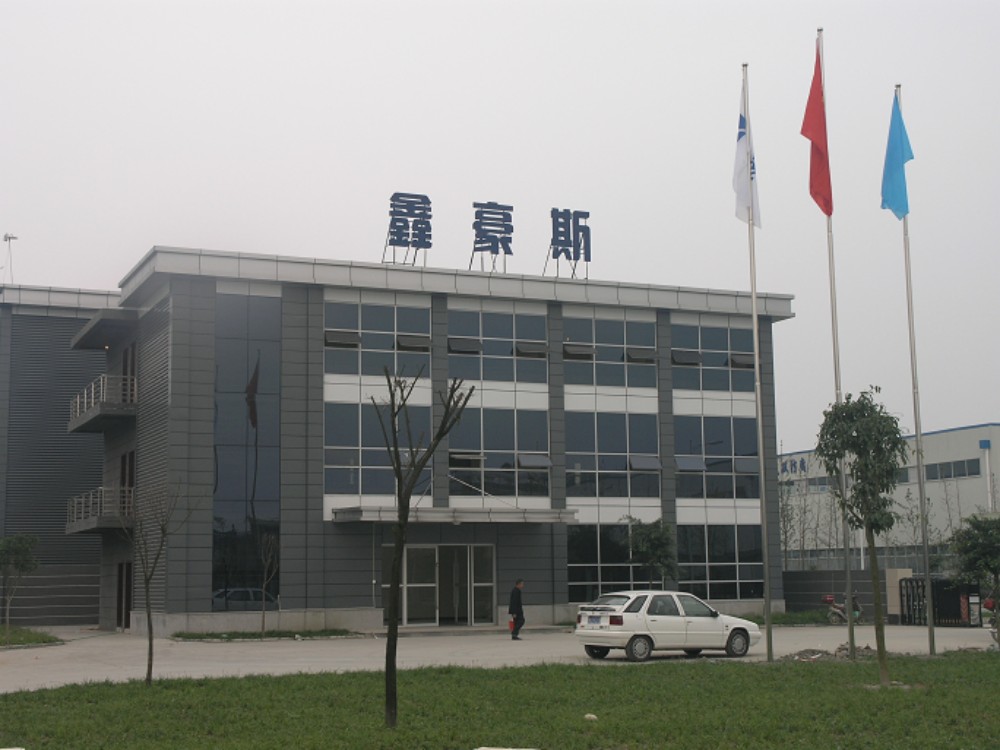
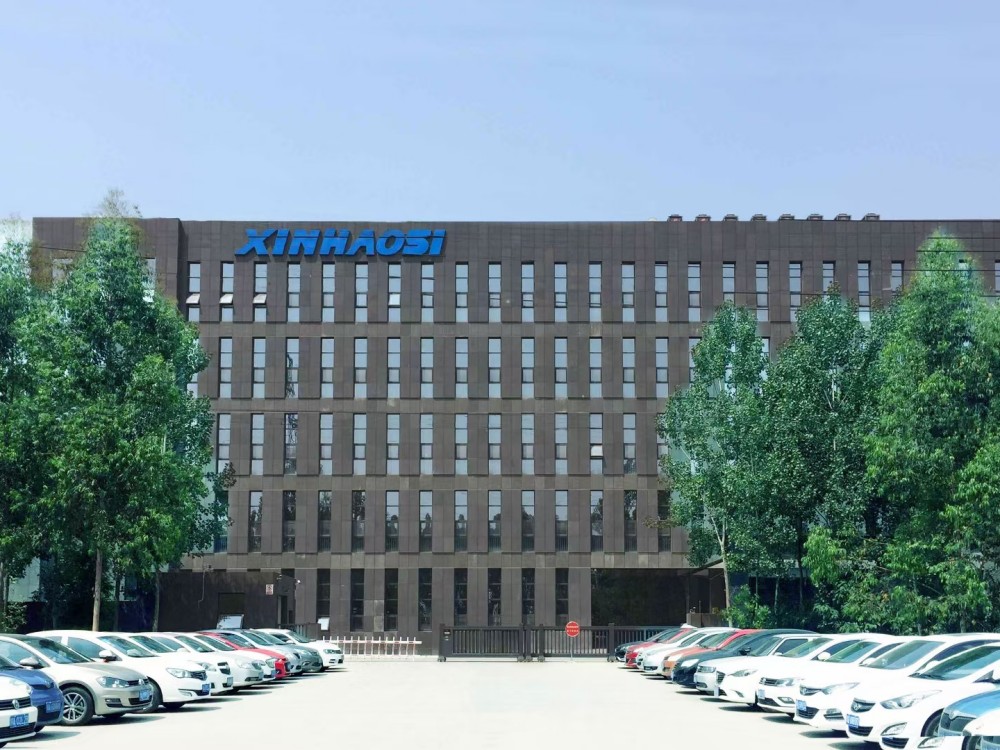
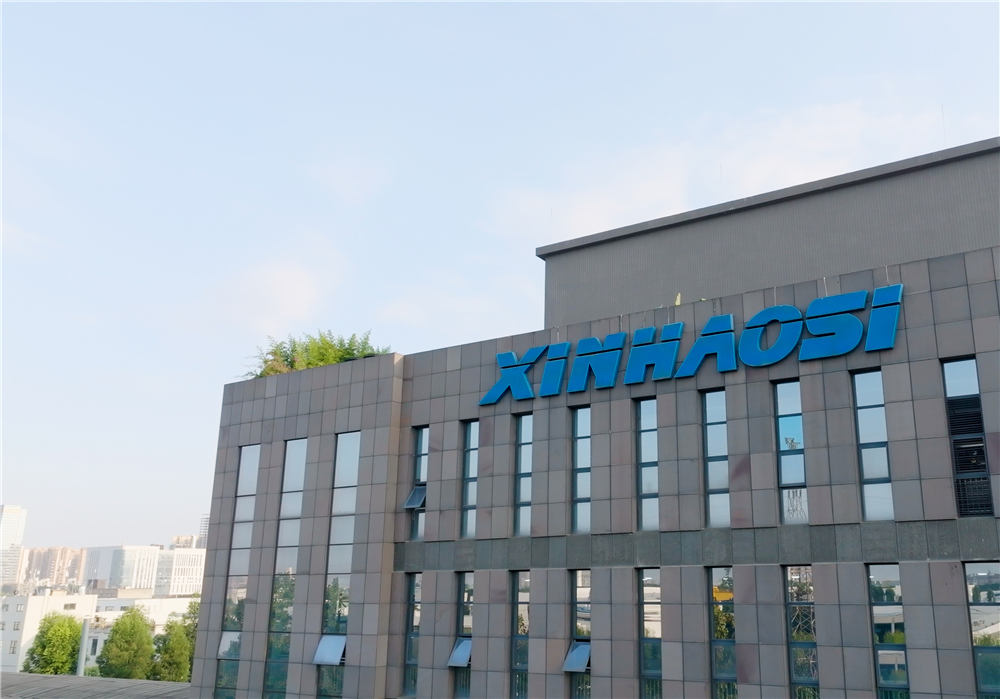
Chengdu HQ Office & Lab

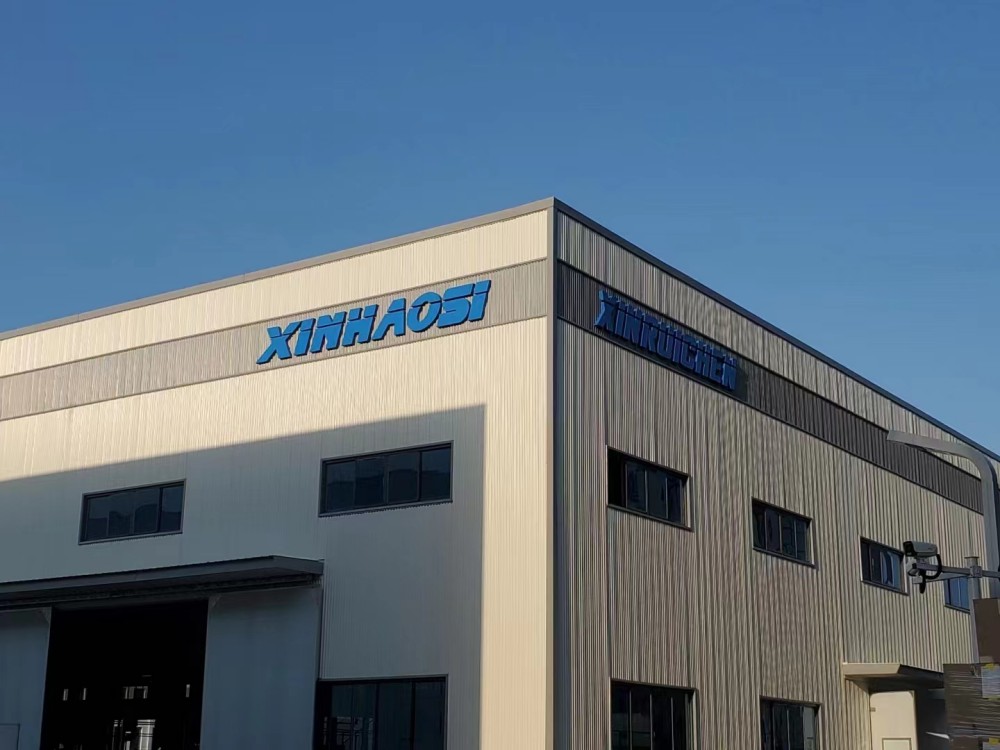
Deyang Smart Factory
Founded in 2003, Xinhaosi is one of the most influential and trusted brands in the global gas safety industry. Over the past two decades, we have steadily built a robust and comprehensive production and service system, which integrates cutting-edge R&D, intelligent manufacturing with advanced automation equipment, digital marketing across global channels, professional after-sales support with an experienced technician team, flexible OEM/ODM services, as well as CNAS-Accredited laboratory calibration services that meet international standards.
Our diversified product portfolio covers industrial & residential gas detection & alarm systems, industrial & household gas solenoid valves, and urban gas pipeline network monitoring systems—all engineered to adapt to complex working environments and strict safety requirements. We produce and sell tens of millions of units annually, catering to a wide range of industries that demand reliable gas detection solutions, including oil & gas exploration and production, petrochemicals, urban gas distribution, automotive manufacturing, pharmaceuticals, new energy, steel production, and beverage processing.
Guided by the core mission of "Making Gas Safety Accessible Everywhere," we consistently deliver high-performance, reliable products and customized solutions tailored to each client's unique needs. Every item we manufacture undergoes rigorous quality control tests, and every service we provide is backed by our professional technical team, fully embodying our unwavering commitment to safeguarding gas safety across both industrial workplaces and residential environments, and striving to build a safer world with sustainable gas safety technologies.
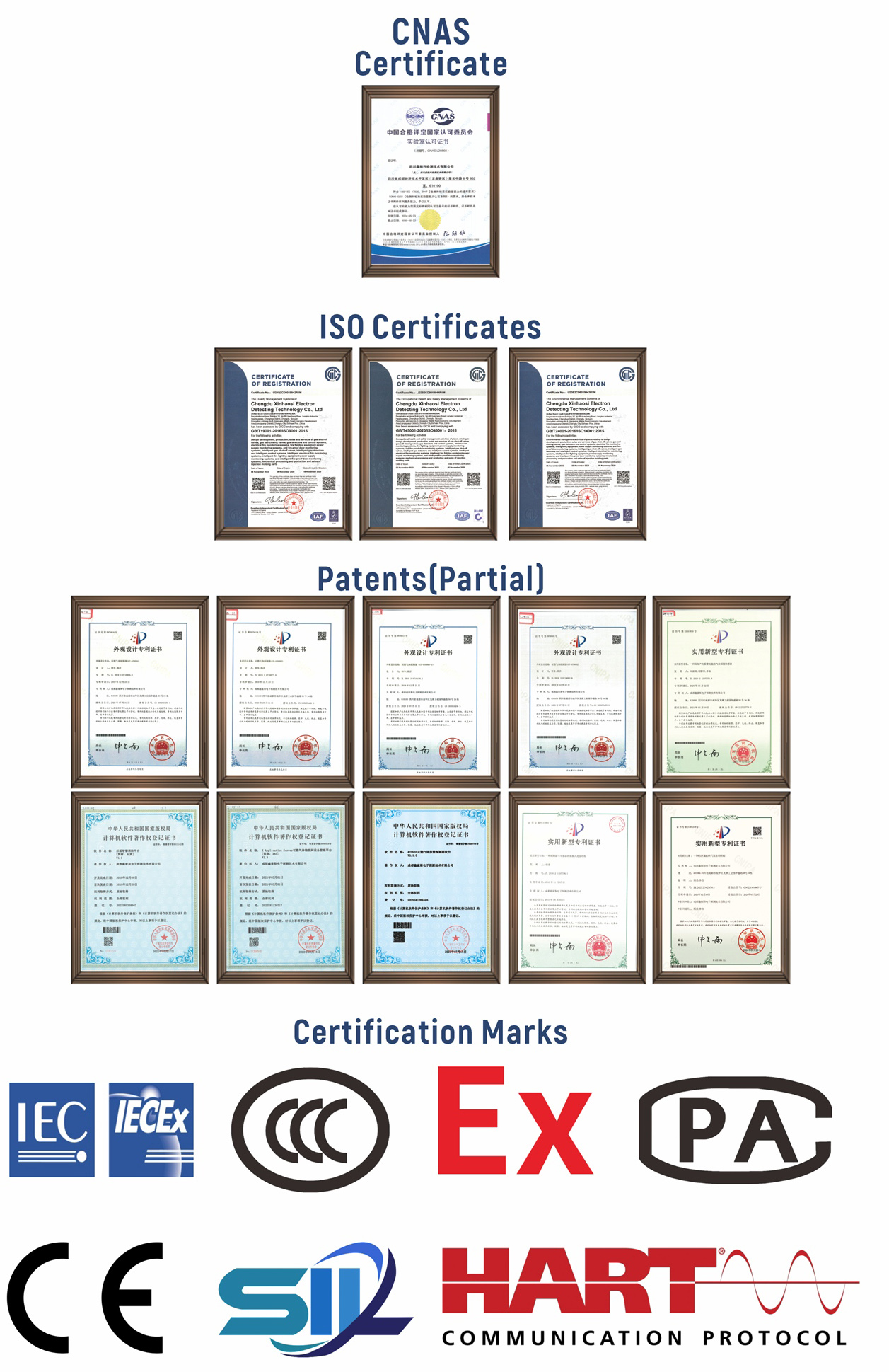
Adhering to ISO9001 quality management system standards, Xinhaosi's core products have obtained a full range of authoritative certifications, including national compulsory Products Certification, explosion-proof certification, fire product certification, CPA measurement instrument type approval certificate, and international approvals as CE, SIL. Additionally, Xinhaosi holds honors such as "National Quality Integrity Benchmark Enterprise", "National Quality Leading Enterprise in the Gas Alarm Industry," member of the China Fire Protection Association, and the main drafting organization for the national standard of solenoid valves, further confirming its industry influence and reputation.
In the field of intellectual property, Xinhaosi has built a robust innovation system with over 50 patents and software copyrights. These patents cover core technological areas, including a graphical monitoring system for gas detection and alarm, which enables predictive maintenance based on historical data to reduce equipment failure rates by over 30%, and a solenoid valve with flow monitoring functionality that integrates flow detection and alarm capabilities. The company also pioneered China's first networked bus-type gas leakage monitoring system and the only maximum-point gas leakage monitoring system certified by the Ministry of Public Security, demonstrating its leading position in cutting-edge technological research.
Our in-house laboratory is accredited by the China National Accreditation Service for Conformity Assessment (CNAS), recognized both domestically and internationally under the ILAC-MRA framework. It operates in accordance with ISO/IEC 17025, the international standard for testing and calibration laboratories. It provides reliable and traceable testing services for gas detection and alarm products, solenoid valves, and related safety equipment. Test reports issued by the CNAS-accredited laboratory are widely accepted by regulatory authorities, certification bodies, and customers in China and overseas, helping to ensure product quality, safety compliance, and market access.
Design support meeting CE, SIL2, UL 2034, and UL 2075 standards. Our engineering team ensures your localized regulations are addressed from the prototype phase.
Every product batch is calibrated using certified standard reference gases, ensuring traceable sensitivity metrics and reducing false alarms to a statistical minimum.
Networked bus architectures including Modbus, CAN, and wireless IoT protocols (LoRaWAN, NB-IoT) for integration into smart-building management structures.


How we customize technology pathways to serve heavy industries, commercial infrastructure, and high-density residential properties worldwide.
We implement three primary sensor technologies based on localized application needs:
• Electrochemical Sensors: The gold standard for Carbon Monoxide detection. They measure concentration through the oxidation of CO at a sensing electrode, providing high accuracy, linear output, and extremely low power draw (ideal for battery-powered residential/commercial detectors).
• Metal Oxide Semiconductor (MOS): Highly durable and resistant to silicon poisoning, suitable for harsh industrial conditions with temperature swings.
• NDIR (Non-Dispersive Infrared): Utilized for high-range, multi-gas systems where maintenance access is highly restricted.
In modern commercial design, underground parking lots represent the highest risk zone for carbon monoxide accumulation due to idling vehicles. Integrating OEM Carbon Monoxide detectors directly into building ventilation systems (HVAC) via Modbus RTU or BACnet protocols provides automatic control of exhaust fans. Instead of running heavy extraction fans continuously, ventilation is dynamically activated when CO levels exceed 35 ppm, reducing commercial energy expenditure by up to 40% while maintaining absolute compliance with local occupational safety regulations.
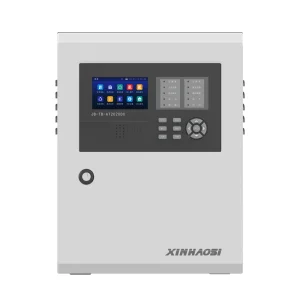
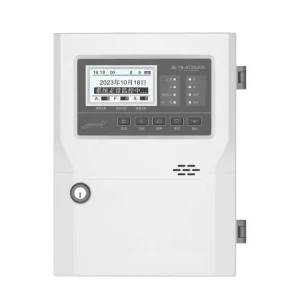
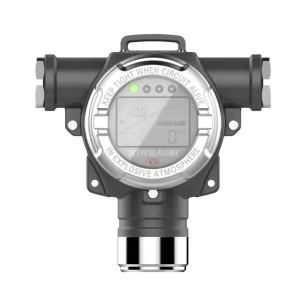
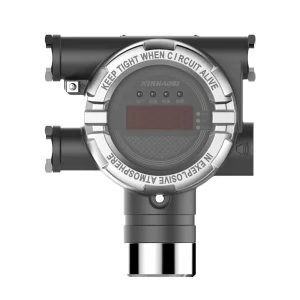
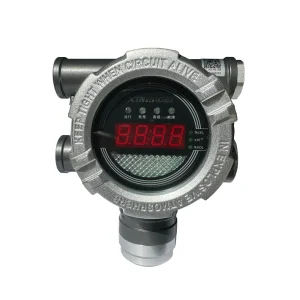
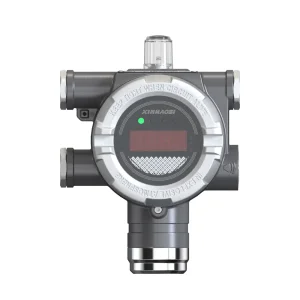
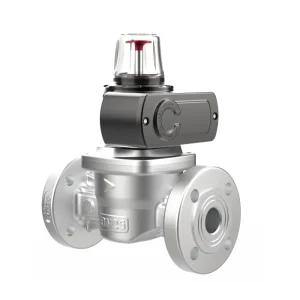
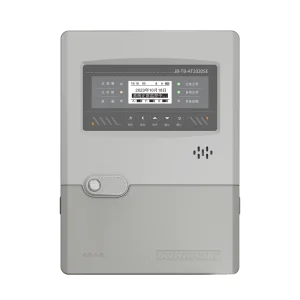
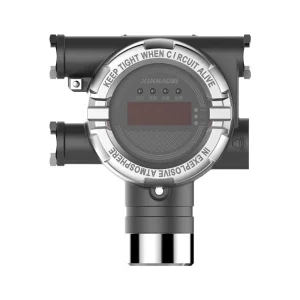
For blast furnace gas systems in steel plants, coking plants, and petrochemical complexes, CO concentrations can rise instantly to hazardous levels. Xinhaosi provides intrinsically safe, explosion-proof transmitters (such as the GTYQ-XP4000 series) designed to operate under hazardous Class I, Div 1 environments. Paired with our rapid shut-off solenoid valves (KT-XF5 series) and intelligent controller terminals, the system isolates fuel supplies within milliseconds of gas detection, preventing catastrophic leaks.
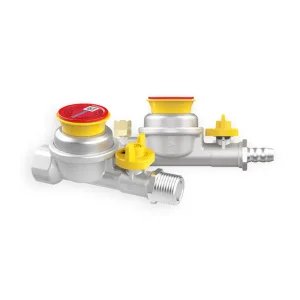
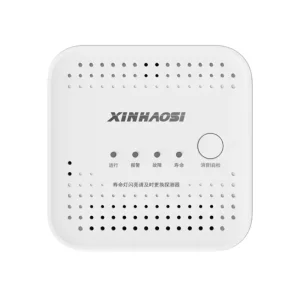
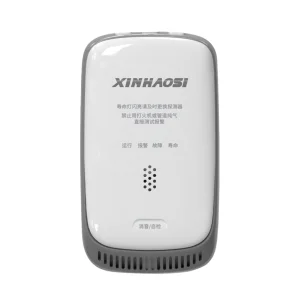
Modern residential specifications demand smart CO detection interconnected with domestic utilities. Our household gas detectors feature integrated relays that link directly to mechanical gas shut-off valves. If a residential furnace or water heater malfunctions and leaks carbon monoxide, the detector triggers an audible alarm, transmits an alert via a smart home IoT system (Zigbee, Wi-Fi, or LoRa), and simultaneously shuts down the primary household gas valve, preventing further accumulation and potential tragedies.