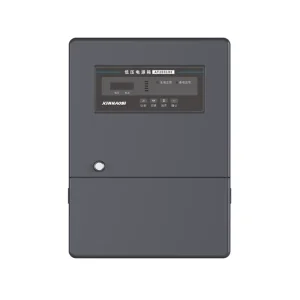
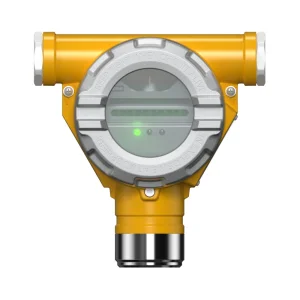
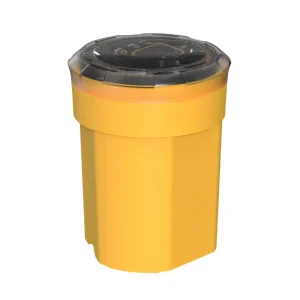
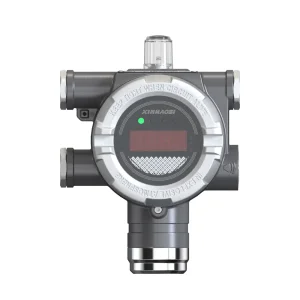
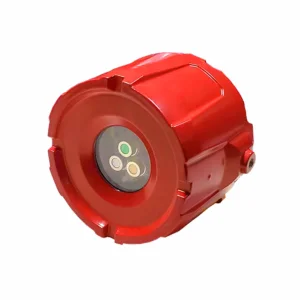
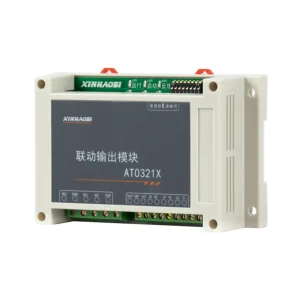
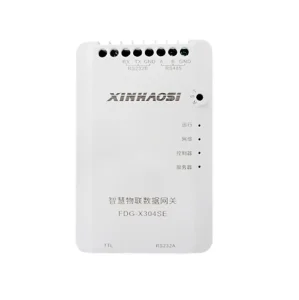
Discover our core line of enterprise-grade control systems, explosion-proof combustible gas detectors, and IoT-enabled gateway infrastructures.
Established
Patents & Copyrights
Accredited Lab
Annual Production
As the global energy transition accelerates, natural gas (primarily methane, CH4) has emerged as a critical bridging fuel. However, methane is also a potent greenhouse gas with a global warming potential significantly higher than carbon dioxide. Uncontrolled fugitive emissions, line leaks, and localized gas accumulation pose catastrophic fire and explosion risks in industrial, municipal, and residential sectors. Historically, gas detection networks depended on complex wired electrical grids (often requiring heavy conduit, explosion-proof junction boxes, and extensive cabling). The infrastructure costs of deploying wired gas detection systems across expansive facilities, remote pipelines, and municipal drainage shafts are often prohibitively high.
This economic and engineering limitation has catalyzed the development of battery-powered natural gas detectors. Operating independently of grid power, these devices offer unmatched deployment flexibility. However, eliminating physical power lines demands specialized technology. Device manufacturers must resolve the paradox of maintaining constant, active gas monitoring while extending battery life across multi-year cycles. This white paper analyzes how advanced engineering, low-power electrochemical or catalytic sensing, and industrial IoT (IIoT) protocols enable modern battery-operated gas safety devices to meet the most stringent safety standards.
Deploying wireless, battery-operated units bypasses the need for costly explosion-proof trenching, conduit layout, and electrical safety wiring, reducing deployment costs by up to 70%.
Optimized low-power sensing circuits combined with high-capacity lithium-thionyl chloride (Li-SOCl2) batteries allow uninterrupted operations for 3 to 5 years without maintenance.
Designed to comply with ATEX and IECEx standards, limiting thermal and electrical energy in the circuit to levels that cannot ignite combustible gas mixtures under any fault condition.
Founded in 2003, Xinhaosi is one of the most influential and trusted brands in the global gas safety industry. Over the past two decades, we have steadily built a robust and comprehensive production and service system, which integrates cutting-edge R&D, intelligent manufacturing with advanced automation equipment, digital marketing across global channels, professional after-sales support with an experienced technician team, flexible OEM/ODM services, as well as CNAS-Accredited laboratory calibration services that meet international standards.
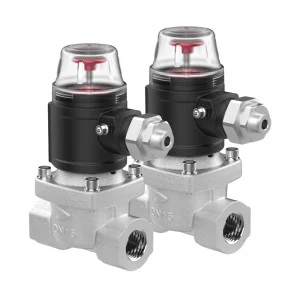
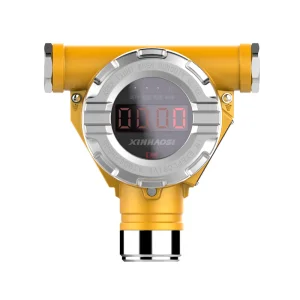
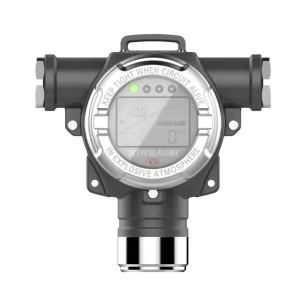
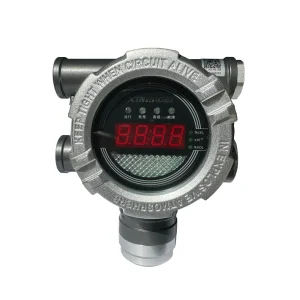
Our diversified product portfolio covers industrial & residential gas detection & alarm systems, industrial & household gas solenoid valves, and urban gas pipeline network monitoring systems—all engineered to adapt to complex working environments and strict safety requirements. We produce and sell tens of millions of units annually, catering to a wide range of industries that demand reliable gas detection solutions, including oil & gas exploration and production, petrochemicals, urban gas distribution, automotive manufacturing, pharmaceuticals, new energy, steel production, and beverage processing.
Guided by the core mission of “Making Gas Safety Accessible Everywhere,” we consistently deliver high-performance, reliable products and customized solutions tailored to each client’s unique needs. Every item we manufacture undergoes rigorous quality control tests, and every service we provide is backed by our professional technical team, fully embodying our unwavering commitment to safeguarding gas safety across both industrial workplaces and residential environments.

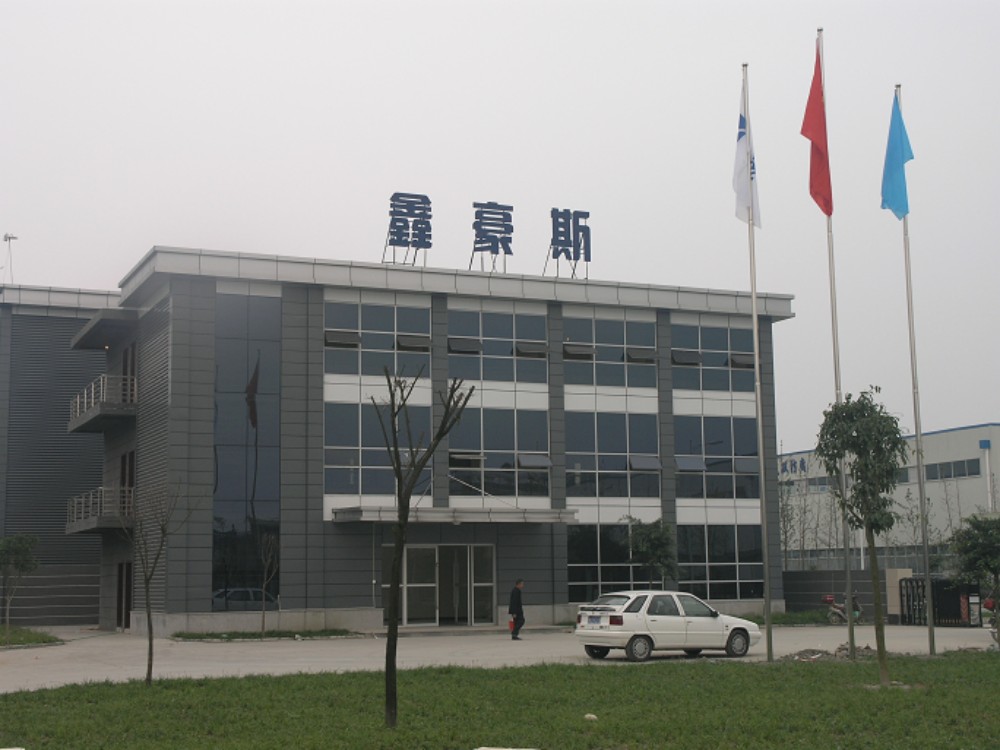
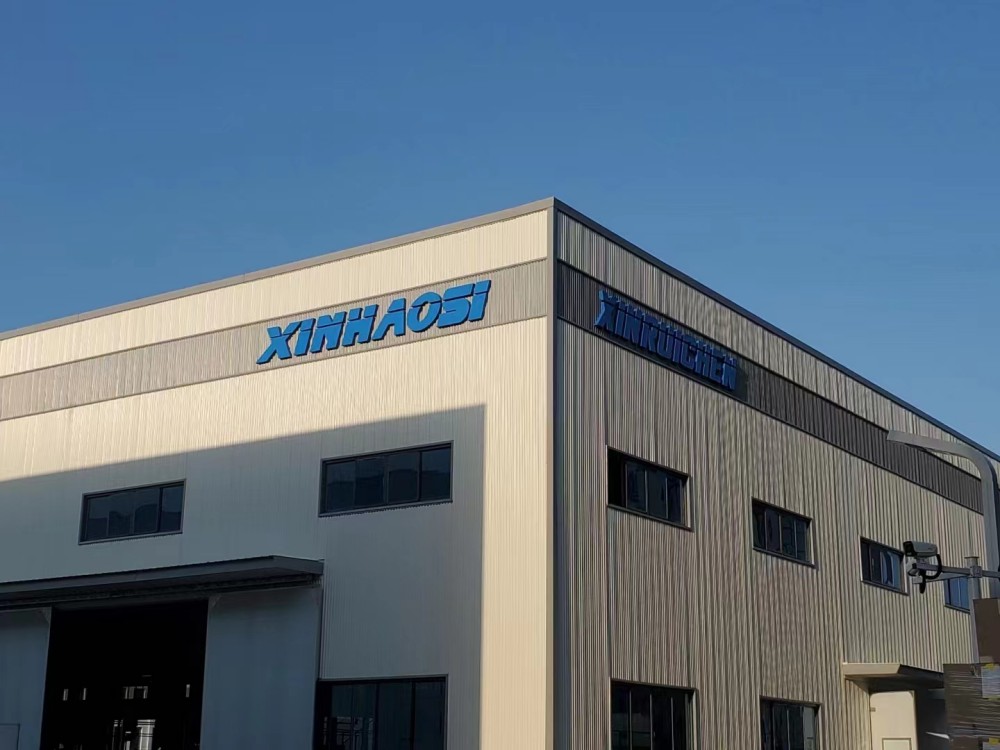
Chengdu Factory & Office Campus
State-of-the-art CNAS Testing Facilities
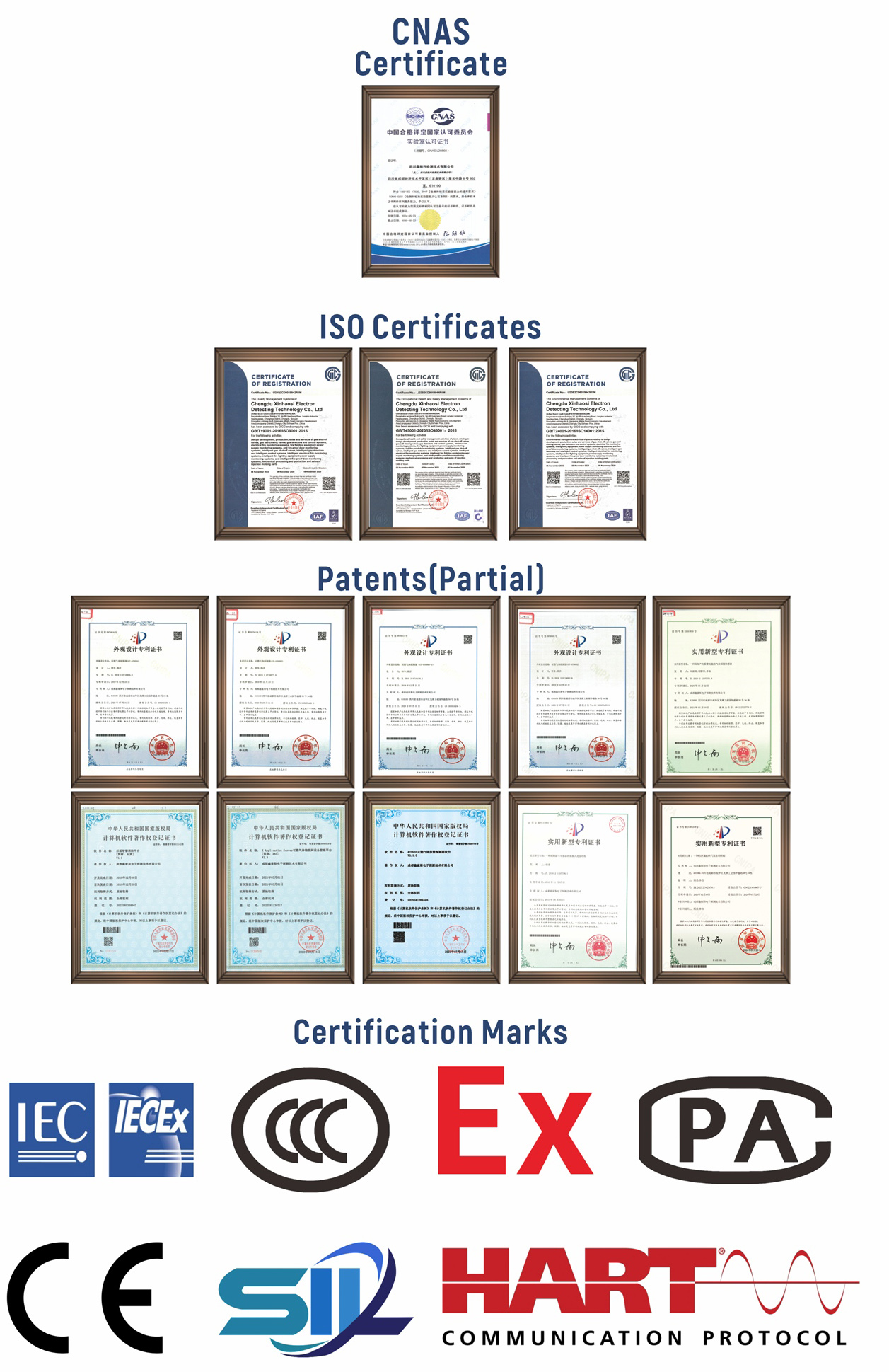
Adhering to ISO9001 quality management system standards, Xinhaosi's core products have obtained a full range of authoritative certifications, including national compulsory Products Certification, explosion-proof certification, fire product certification, CPA measurement instrument type approval certificate, and international approvals such as CE and SIL. Additionally, Xinhaosi holds honors such as "National Quality Integrity Benchmark Enterprise", "National Quality Leading Enterprise in the Gas Alarm Industry," membership in the China Fire Protection Association, and serves as the main drafting organization for the national standard of solenoid valves, further confirming its industry influence and reputation.
In the field of intellectual property, Xinhaosi has built a robust innovation system with over 50 patents and software copyrights. These patents cover core technological areas, including a graphical monitoring system for gas detection and alarm, which enables predictive maintenance based on historical data to reduce equipment failure rates by over 30%, and a solenoid valve with flow monitoring functionality that integrates flow detection and alarm capabilities. The company also pioneered China's first networked bus-type gas leakage monitoring system and the only maximum-point gas leakage monitoring system certified by the Ministry of Public Security, demonstrating its leading position in cutting-edge technological research.
Our in-house laboratory is accredited by the China National Accreditation Service for Conformity Assessment (CNAS), recognized both domestically and internationally under the ILAC-MRA framework. It operates in accordance with ISO/IEC 17025, the international standard for testing and calibration laboratories. It provides reliable and traceable testing services for gas detection and alarm products, solenoid valves, and related safety equipment. Test reports issued by the CNAS-accredited laboratory are widely accepted by regulatory authorities, certification bodies, and customers in China and overseas, helping to ensure product quality, safety compliance, and market access.
Designing battery-powered natural gas detectors requires a balanced trade-off between battery lifetime, sensor response time (T90), and environmental sensitivity. Here is an overview of the core technologies utilized in our OEM configurations.
| Specification Metric | Low-Power Catalytic Bead (Pellistor) | Laser Absorption (TDLAS) | Infrared (NDIR) |
|---|---|---|---|
| Typical Power Consumption | Medium (10mW to 50mW during cycle) | High Peak, Ultra-low Duty Cycle (<5mW avg) | Low to Medium (15mW to 30mW) |
| Target Methane (CH4) Range | 0 - 100% LEL (Lower Explosive Limit) | 0 - 100% Volume or LEL-m | 0 - 100% LEL or 0-100% Vol |
| Response Time (T90) | < 15 seconds | < 2 seconds | < 10 seconds |
| Lifespan Expectancy | 3 - 5 Years | 10+ Years | 5 - 8 Years |
| Environmental Resistance | Susceptible to catalyst poisoning (silicones/H2S) | Highly immune to all poisons and drift | Immune to poisons, moderate temperature drift |
| Application Recommendation | Standard commercial & household detectors | Critical industrial and long-range open path | Pipeline tunnels, industrial vaults |
To optimize these systems for years of operation on standard industrial batteries, Xinhaosi utilizes a **pulsed duty-cycle technique**. Instead of heating the catalytic sensor elements continuously, the internal processor boots the sensor at scheduled intervals (e.g., every 30 seconds) for a fraction of a second, takes a baseline-compensated measurement, and returns to a low-power deep sleep. In the event of a sudden concentration rise exceeding a predefined pre-alarm threshold (e.g., 5% LEL), the device dynamically transitions to continuous monitoring mode, sounding local alarms and initiating high-priority communication packets via LPWAN networks.
Industrial natural gas safety requirements vary across global regions, requiring flexible configurations to ensure compliance. Our OEM business division customizes equipment designs to meet regional certification requirements, ensuring seamless deployment in international markets.
OEM systems are tailored to meet Class I, Division 1 & 2, Groups C & D environments. Wireless transmissions support 915 MHz FHSS and licensed cellular bands, ensuring compliance with local standards.
Designed for Zone 0 and Zone 1 environments with intrinsically safe enclosures (Ex ia IIC T4 Ga). We supply EN 50194 and EN 50291 certified hardware for commercial and residential deployments.
Fully compliant with GB15322 and CPA standards, featuring dual-band communication modules (4G/LoRa) designed to operate reliably in highly congested urban environments.
From a localized R&D startup to an international industrial safety manufacturer with multiple factory campuses.
Xinhaosi was established on April 17, 2003. We launched our first generation of gas leak alarms and fire fighting products, laying the foundation for our safety-oriented engineering.
We initiated gas safety valve production and expanded our OEM/ODM division. The company relocated its headquarters to the Longtan Industrial Park to support expanding operations.

Achieved sales of 10 million gas detector units. Opened our main Chengdu manufacturing facility, expanded our distribution network across China, and launched fire power monitoring systems.

Launched our self-developed IoT safety monitoring platform. Developed automatic fire alarms and emergency lighting systems, and became a qualified supplier for China's top gas companies.
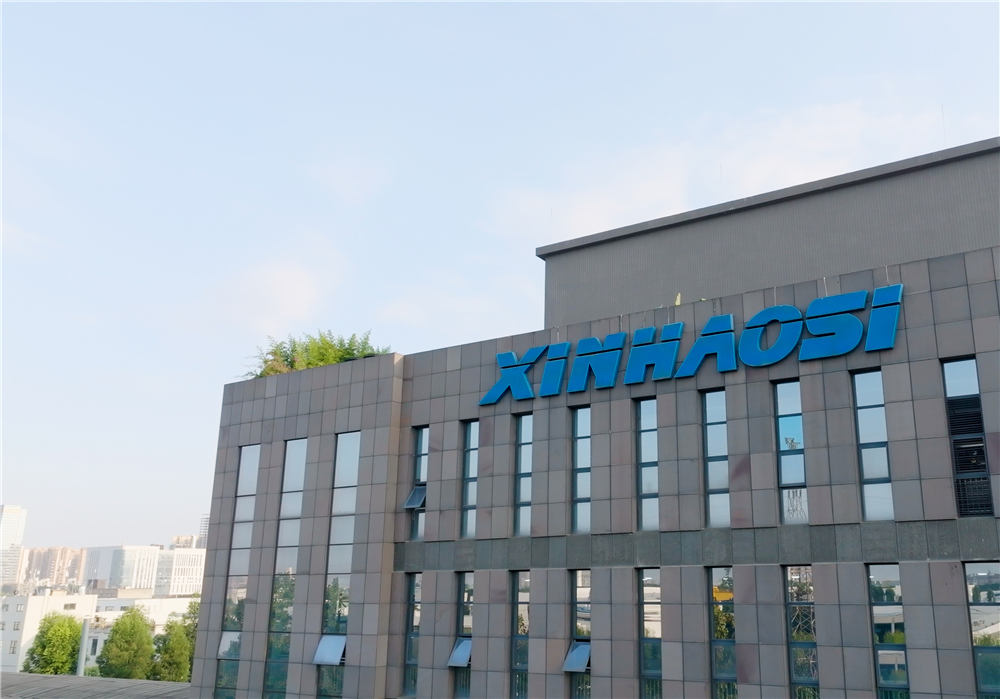
Commenced construction of our Deyang industrial facility. Established our Petrochemical & International Business Divisions to support overseas growth, and received the Sichuan Provincial Technology Center designation.
Deyang factory operations commenced. Launched a new range of urban pipeline monitoring products, wireless low-power detectors, and AI-enabled safety valve systems.

The next generation of battery-powered natural gas detectors will integrate several key technological advances:
Get answers to common technical queries about battery life, compliance, and industrial integration.
The lifespan depends on the sensor type and reporting frequency. By using pulsed duty-cycling, low-power catalytic bead sensors can operate for 3 to 5 years on industrial-grade lithium-thionyl chloride (Li-SOCl2) batteries. Next-generation NDIR or TDLAS optical sensors can achieve up to 10 years of operation due to their low power requirements.
Battery-powered systems do not require explosion-proof conduits, trenching, or field power cables, which can reduce total installation and labor costs by 50% to 70%. They also allow safety managers to easily relocate detection points when plant configurations change.
Our detectors support multiple low-power wide-area network (LPWAN) protocols, including LoRaWAN, NB-IoT, Sigfox, and 4G LTE-M. In industrial settings, they can connect directly to safety systems and DCS networks using WirelessHART or ISA100.11a standards.
Yes. Xinhaosi gas detectors are housed in IP66/IP67 rated, corrosion-resistant enclosures. They are designed and calibrated to operate reliably across temperatures ranging from -40°C to +70°C, making them suitable for use in extreme climates.
Our products are tested in our CNAS-accredited laboratory, which operates in accordance with the ISO/IEC 17025 standard. The equipment carries certifications from regulatory bodies including ATEX, IECEx, CE, and SIL, ensuring compliance with global safety requirements.
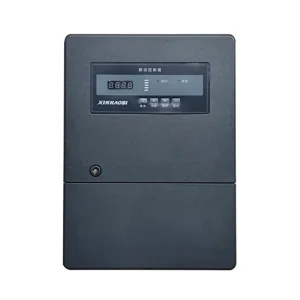
Complete your gas safety infrastructure with our low-voltage power boxes, underground shaft monitors, and data gateways.