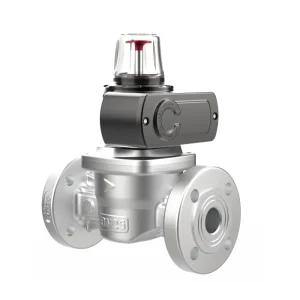
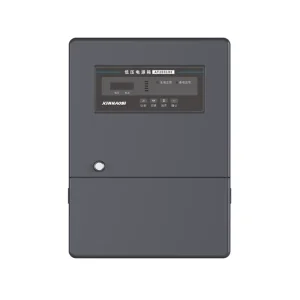
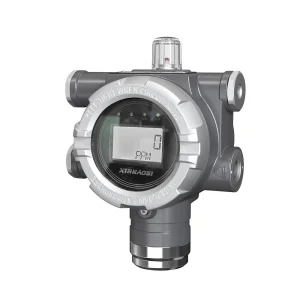
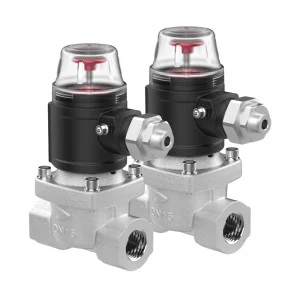
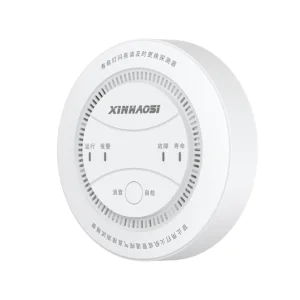
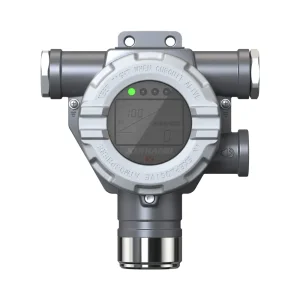
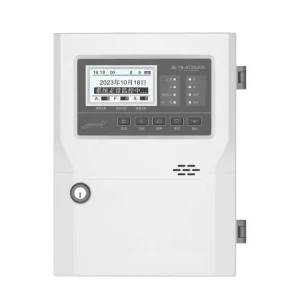
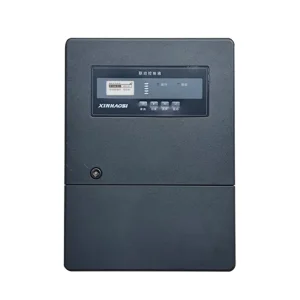
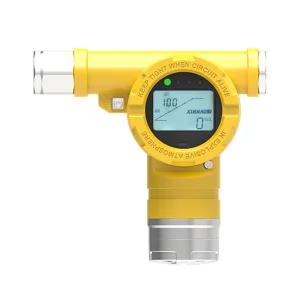
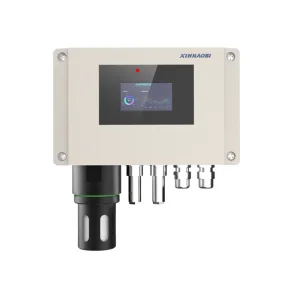
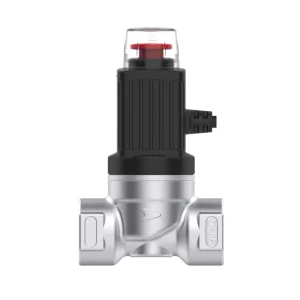
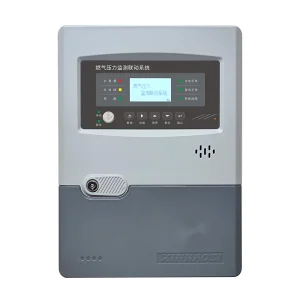
Explore our core selection of high-performance controllers, transmitters, detection units, and valve equipment designed to operate flawlessly in heavy industrial applications.
An in-depth analysis of how 3-inch gas valves and intelligent shut-off frameworks address high-volume industrial challenges and environmental compliance.
For operations processing substantial thermal loads—such as municipal boiler houses, glass processing kilns, or metallurgical smelting operations—smaller valves constrain gas throughput. The 3-inch dimensioning represents the critical threshold where gas flow rates (measured in Cv or Kv value capacity) support large-scale processes without introducing significant localized pressure drops. Proper flow management at this scale keeps gas velocities within safe parameters, suppressing turbulence and extending pipeline longevity.
In hazardous industrial operations, reaction speed equates to asset protection. A high-quality 3-inch solenoid gas valve serves as the primary physical barrier that cuts off the fuel supply upon detecting pipeline anomalies. Engineered to respond in less than one second, these valves rely on a robust spring-return mechanical design and optimized electrical coils, preventing minor distribution system leaks from escalating into catastrophic events.
Modern distribution infrastructure must adapt to shifting energy resources. As pipeline operators introduce hydrogen mixtures into natural gas supplies to reduce greenhouse gas emissions, the sealing compounds and metallic bodies of 3-inch valves must resist hydrogen embrittlement. Standard materials can lose integrity over time; therefore, advanced OEM manufacturing requires specialized stainless-steel grades or treated ductile iron, coupled with high-density fluoroelastomers, to prevent micro-leakage of low-molecular-weight gases.
Founded in 2003, Xinhaosi is one of the most influential and trusted brands in the global gas safety industry. Over the past two decades, we have steadily built a robust and comprehensive production and service system, which integrates cutting-edge R&D, intelligent manufacturing with advanced automation equipment, digital marketing across global channels, professional after-sales support with an experienced technician team, flexible OEM/ODM services, as well as CNAS-Accredited laboratory calibration services that meet international standards.
Our diversified product portfolio covers industrial & residential gas detection & alarm systems, industrial & household gas solenoid valves, and urban gas pipeline network monitoring systems—all engineered to adapt to complex working environments and strict safety requirements. We produce and sell tens of millions of units annually, catering to a wide range of industries that demand reliable gas detection solutions, including oil & gas exploration and production, petrochemicals, urban gas distribution, automotive manufacturing, pharmaceuticals, new energy, steel production, and beverage processing.
Guided by the core mission of "Making Gas Safety Accessible Everywhere," we consistently deliver high-performance, reliable products and customized solutions tailored to each client's unique needs. Every item we manufacture undergoes rigorous quality control tests, and every service we provide is backed by our professional technical team, fully embodying our unwavering commitment to safeguarding gas safety across both industrial workplaces and residential environments, and striving to build a safer world with sustainable gas safety technologies.

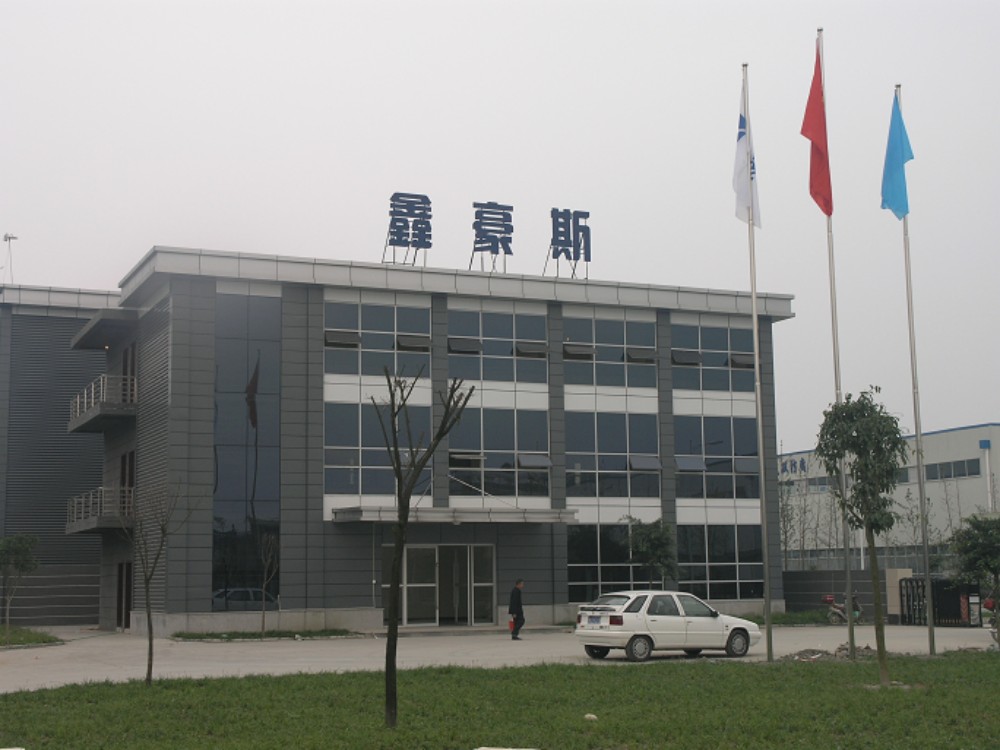
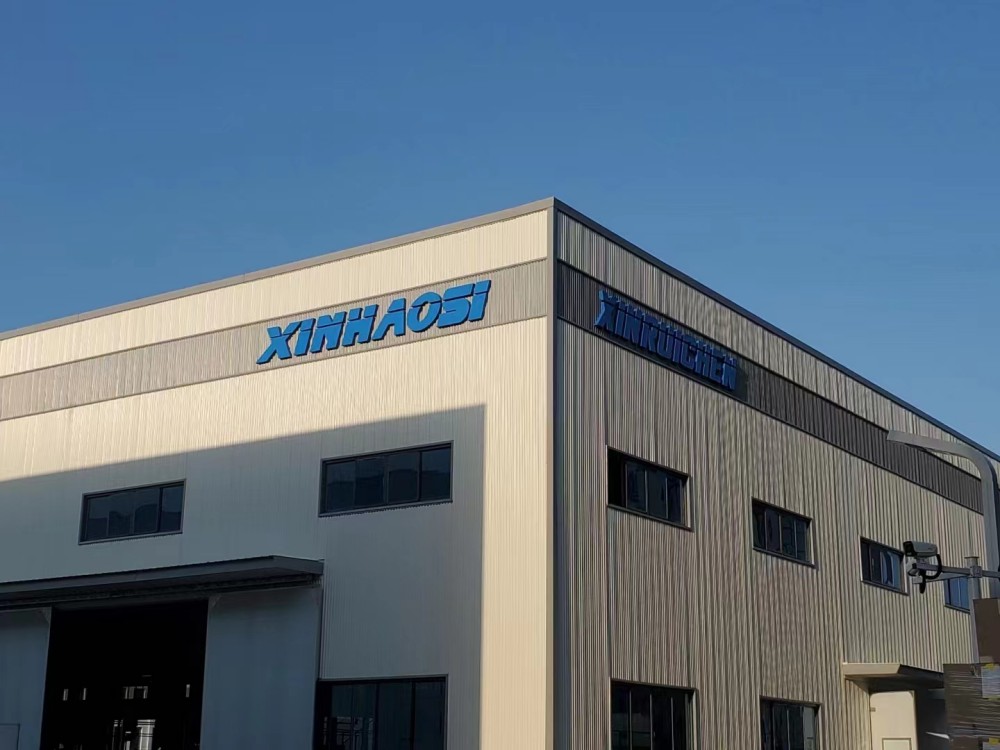
Chengdu Factory & Office

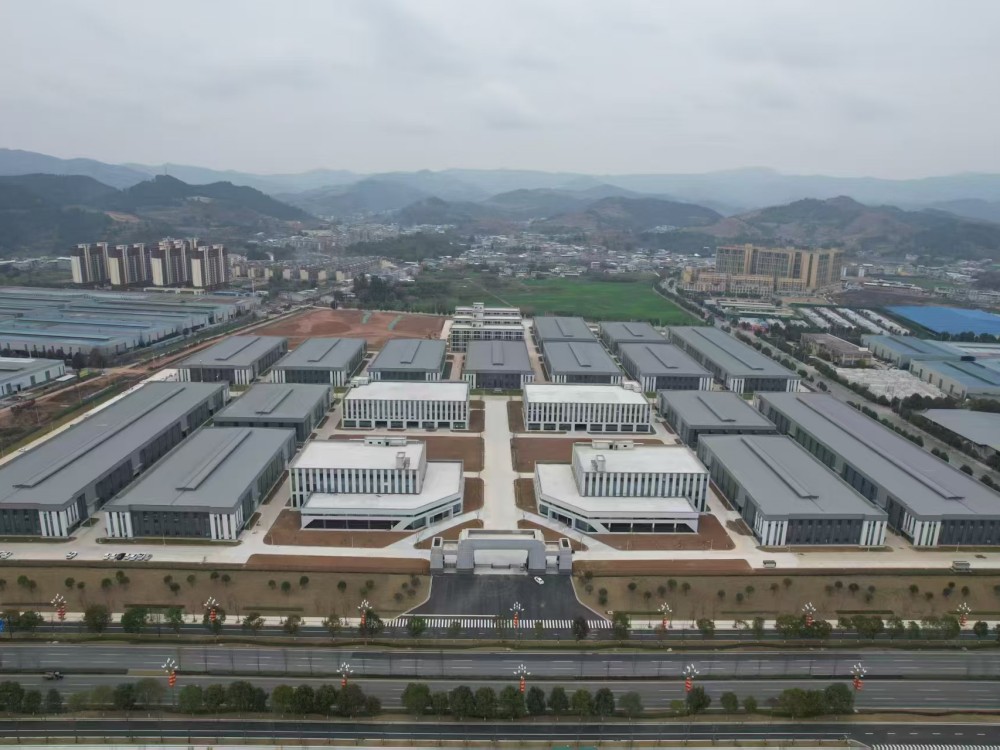
Deyang Factory
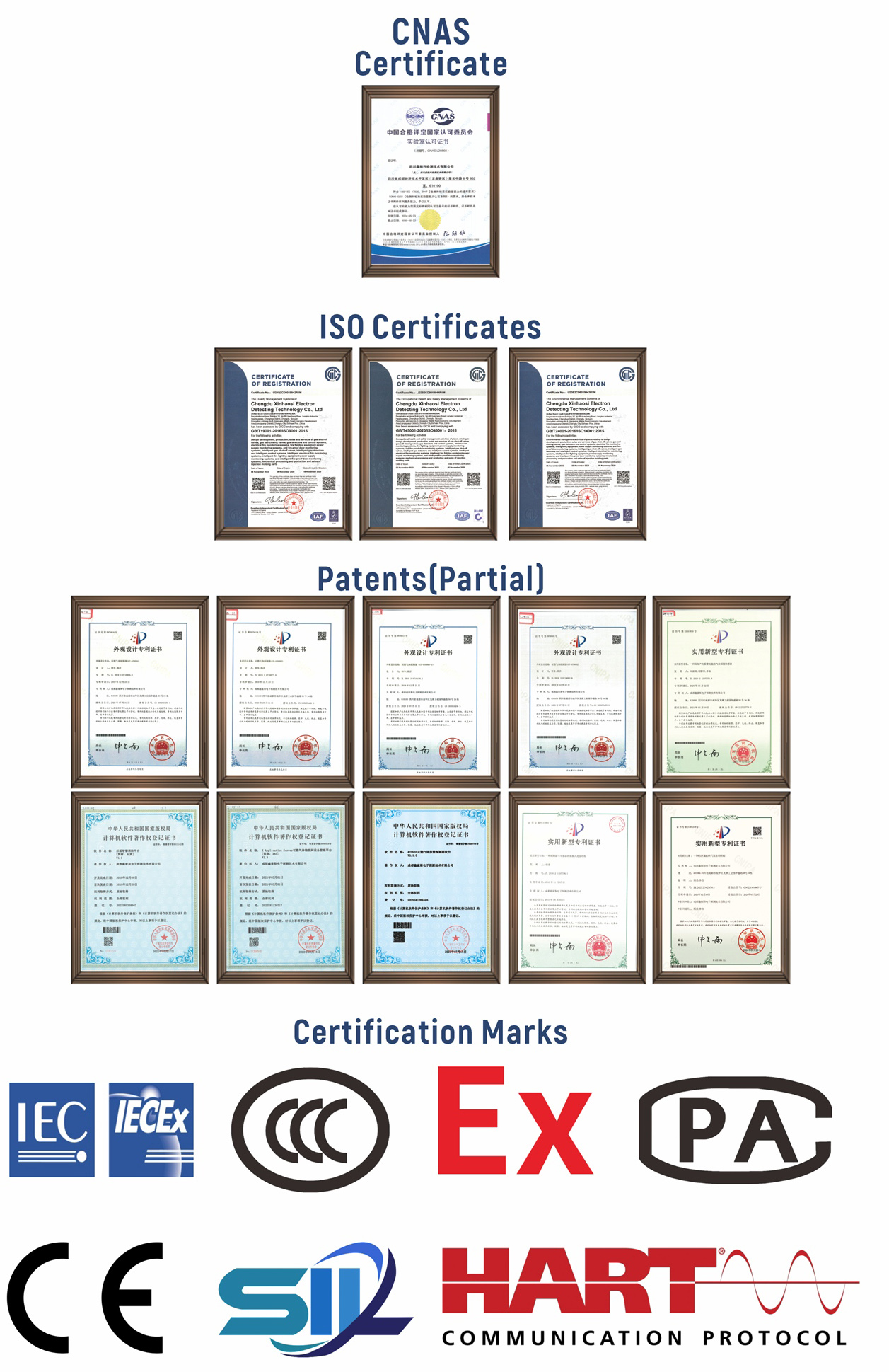
Adhering to ISO9001 quality management system standards, Xinhaosi's core products have obtained a full range of authoritative certifications, including national compulsory Products Certification, explosion-proof certification, fire product certification, CPA measurement instrument type approval certificate, and international approvals as CE, SIL. Additionally, Xinhaosi holds honors such as "National Quality Integrity Benchmark Enterprise" , "National Quality Leading Enterprise in the Gas Alarm Industry," member of the China Fire Protection Association, and the main drafting organization for the national standard of solenoid valves, further confirming its industry influence and reputation.
In the field of intellectual property, Xinhaosi has built a robust innovation system with over 50 patents and software copyrights . These patents cover core technological areas, including a graphical monitoring system for gas detection and alarm, which enables predictive maintenance based on historical data to reduce equipment failure rates by over 30%, and a solenoid valve with flow monitoring functionality that integrates flow detection and alarm capabilities . The company also pioneered China's first networked bus-type gas leakage monitoring system and the only maximum-point gas leakage monitoring system certified by the Ministry of Public Security, demonstrating its leading position in cutting-edge technological research.
Our in-house laboratory is accredited by the China National Accreditation Service for Conformity Assessment (CNAS), recognized both domestically and internationally under the ILAC-MRA framework. It operates in accordance with ISO/IEC 17025, the international standard for testing and calibration laboratories. It provides reliable and traceable testing services for gas detection and alarm products, solenoid valves, and related safety equipment. Test reports issued by the CNAS-accredited laboratory are widely accepted by regulatory authorities, certification bodies, and customers in China and overseas, helping to ensure product quality, safety compliance, and market access.
A breakdown of materials, electromagnetic configurations, and design variations for demanding engineering applications.
Different pipeline applications demand specific metal alloys. In dry natural gas distribution networks, ductile iron or carbon steel bodies offer cost-effective structural integrity. For sour gas systems containing hydrogen sulfide (H₂S) or corrosive offshore chemical facilities, valves must be forged from stainless steel grades (such as SS316L or duplex steel). These materials prevent stress-corrosion cracking and maintain pressure boundaries over decades of service.
Since gas valves operate in environments where explosive mixtures may occur, their actuator solenoids require Ex-d (flameproof) or Ex-i (intrinsically safe) certifications. Additionally, continuous duty cycles lead to heat buildup in electromagnetic coils. Specifying Class H coil insulation (rated to withstand 180°C temperatures) prevents coil breakdown, assuring the valve remains operational during extended safety interlock periods.
OEM valve design must balance operating pressure limits against flow rates. Solenoid valves configured for low-pressure gas pipelines (e.g., downstream distribution at 0.5 to 5 bar) rely on pilot-assisted diaphragms to minimize power consumption. Conversely, high-pressure transmission networks require direct-acting piston valves that actuate against pressures of up to 40 bar, maintaining high structural stability without risking seat leakage.
Aligning global technical capabilities with regional regulatory requirements and localized support structures.
Required across European and North American safety instrumented systems (SIS) to guarantee low probability of failure on demand.
Ensures that automatic shut-off valves used in gas burners and gas appliances comply with strict European safety standards.
Certifies that the electrical solenoids and monitoring accessories are safe for use in zone 1 and zone 2 hazardous areas globally.
Ensures traceably calibrated flow limits and response metrics directly verified in accredited laboratory setups.
In addition to strict standard compliance, local safety applications demand rapid response. Through global R&D bases and localized distribution partner networks, OEM buyers receive fast validation on design adaptations, on-site commissioning services, and rapid-response technical troubleshooting. This reduces engineering project times and guarantees that municipal or industrial safety approvals are achieved without delays.
Detailed system configuration setups demonstrating how large gas control valves secure critical operations.
In municipal boiler installations, gas lines supply fuel to massive burners. A 3-inch solenoid valve functions as the primary safety cutoff. Linked directly to ambient gas leak detectors and fire warning networks, it automatically closes if gas concentrations reach lower explosive limits (LEL), isolating fuel outside the boiler room within milliseconds.
Petrochemical refining and storage facilities process large volumes of flammable gases. Flow control systems use 3-inch solenoid valves to manage pressure variations and direct flow. The valves work alongside gas detection monitors to secure process vessels, minimizing safety risks during pressure surges or pipeline failure.
Metallurgical manufacturing involves extreme temperatures and heavy dust loads. Reheating furnaces use large-diameter gas feeds for fuel. The robust body of a 3-inch valve resists debris accumulation and operates reliably at high temperatures, protecting the furnace line during power failure or unexpected ventilation losses.
Over two decades of dedication, technical development, and safety innovations.
● Established in Apr. 17th, 2003.
● Launched the 1st generation of gas leak alarm & fire fighting products.
● Started gas safety valve production.
● Expanding on OEM business.
● Moved to the office building in Longtan industrial park.

● 10 millions pcs gas detector sales achieved.
● Moved into Chengdu factory building.
● Completed sales & service network across China.
● Launched the fire power monitoring system products.

● Self-developed IoT platform launched.
● Launched fire automatic alarm, emergency lighting, and evacuation systems.
● Obtained high-tech enterprise certificate.
● Qualified official supplier of China’s top 5 gas suppliers.

● Started Deyang factory construction.
● Established the Petrochemical & International business Division.
● Awarded the title of Sichuan Provincial Technology Center.
● Deyang factory construction completed and operation started.
● Launched urban gas pipeline network monitoring products.
● Launched wireless detection products.
● Launched AI safety valve products.
How IoT integration, predictive maintenance, and materials science drive the evolution of next-generation gas control.
Valves are transitioning from purely mechanical components to smart IoT field nodes. Future gas control systems will utilize built-in pressure sensors, temperature probes, and coil diagnostic metrics. These integrated instruments transmit performance data back to centralized dashboards, allowing operators to run predictive maintenance and fix issues before failures happen.
To support off-grid utility infrastructure and reduce power usage, next-generation 3-inch solenoid valves will incorporate low-power latching coils. These valves only require a brief pulse of energy to switch states (open/close), using negligible hold current. This facilitates reliable operation via small solar backup batteries in remote locations.
Building on Xinhaosi’s graphical safety monitoring system, machine learning algorithms will soon evaluate pressure shifts and vibration patterns during valve actuation. This analytical framework detects minor internal seal wear or spring fatigue, helping operators avoid process downtime.
Answers to common technical questions about 3-inch gas solenoid valves, safety compliance, and installation best practices.
Complete safety installations require integration between detection arrays, control boxes, and emergency shut-off valves. Explore our auxiliary devices below.