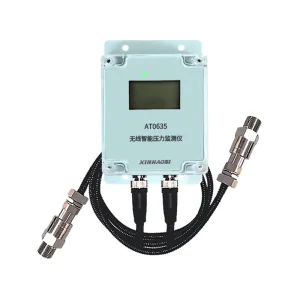
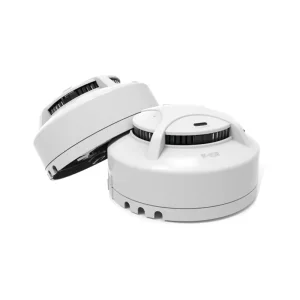
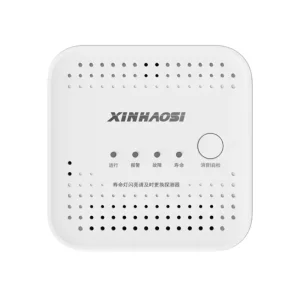
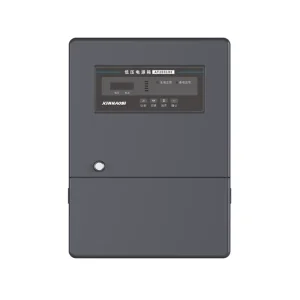
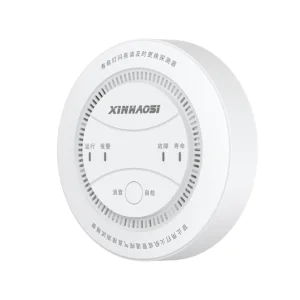
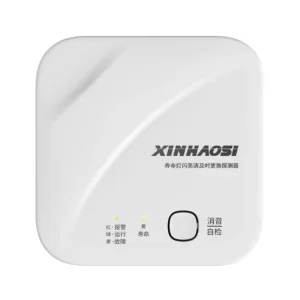
Explore our cutting-edge hardware suite, certified under rigorous international standards for deployment in hazardous, residential, and commercial architectures.
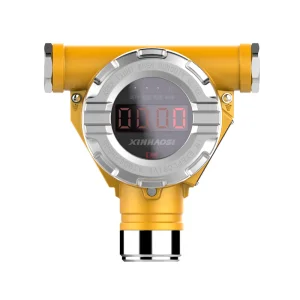
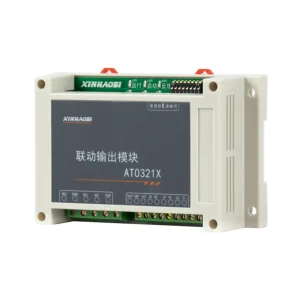
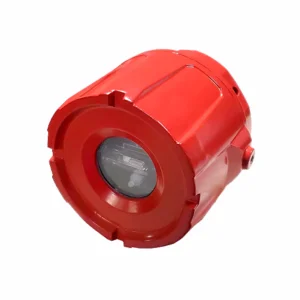
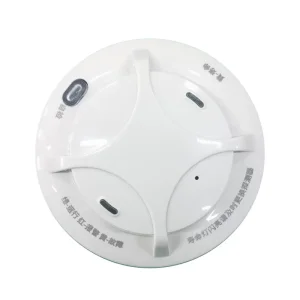
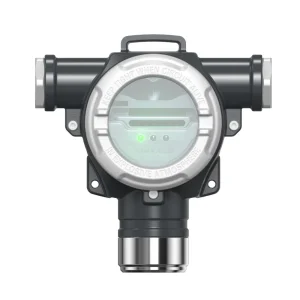
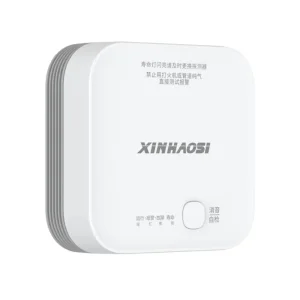
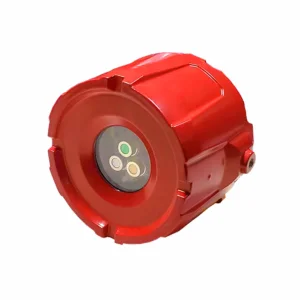
Evolving regulatory frameworks, industrial IoT paradigms, and workforce protection standards are accelerating the demand for precision oxygen sensing solutions.
Oxygen deficiency remains one of the leading causes of preventable fatalities in industrial settings, including sewers, storage tanks, and manufacturing vaults. O2 detectors act as critical life-safety links, initiating automatic ventilation protocols when oxygen levels drop below 19.5% ABV.
Oxygen enrichment (levels exceeding 23.5% ABV) dramatically increases the flammability of organic materials, turning minor sparks into catastrophic events. High-quality detectors provide precision monitoring in welding environments, medical oxygen storage facilities, and cryogenic storage terminals.
Modern commercial buildings and smart car parks require integrated gas sensing platforms that actively communicate with Building Management Systems (BMS). Our controllers monitor oxygen, carbon monoxide, and explosive gases dynamically to optimize air intake and reduce carbon footprints.
Understanding the physics behind modern oxygen sensors is essential for specifying the correct device for harsh, corrosive, or extreme environments.
Utilizing a chemical reaction to produce an electrical current proportional to the concentration of oxygen, these sensors offer excellent cost-efficiency, low power consumption, and superb baseline stability for standard toxic and life-safety applications. Ideal for portable and localized instruments.
Oxygen molecules have a high paramagnetic susceptibility, which makes them highly responsive to strong magnetic fields. Paramagnetic sensors measure this physical reaction directly, offering extremely long lifespans, minimal calibration drift, and immunity to poisoning elements.
Operating at high temperatures, zirconia ceramic cells allow oxygen ions to pass through, generating a voltage difference based on partial pressure differentials. Known for durability and fast response times in combustion analysis and industrial boiler control systems.
Founded in 2003, Xinhaosi is one of the most influential and trusted brands in the global gas safety industry.
Over the past two decades, we have steadily built a robust and comprehensive production and service system, which integrates cutting-edge R&D, intelligent manufacturing with advanced automation equipment, digital marketing across global channels, professional after-sales support with an experienced technician team, flexible OEM/ODM services, as well as CNAS-Accredited laboratory calibration services that meet international standards.
Our diversified product portfolio covers industrial & residential gas detection & alarm systems, industrial & household gas solenoid valves, and urban gas pipeline network monitoring systems—all engineered to adapt to complex working environments and strict safety requirements. We produce and sell tens of millions of units annually, catering to a wide range of industries that demand reliable gas detection solutions, including oil & gas exploration and production, petrochemicals, urban gas distribution, automotive manufacturing, pharmaceuticals, new energy, steel production, and beverage processing.
Guided by the core mission of “Making Gas Safety Accessible Everywhere,” we consistently deliver high-performance, reliable products and customized solutions tailored to each client’s unique needs. Every item we manufacture undergoes rigorous quality control tests, and every service we provide is backed by our professional technical team, fully embodying our unwavering commitment to safeguarding gas safety across both industrial workplaces and residential environments, and striving to build a safer world with sustainable gas safety technologies.

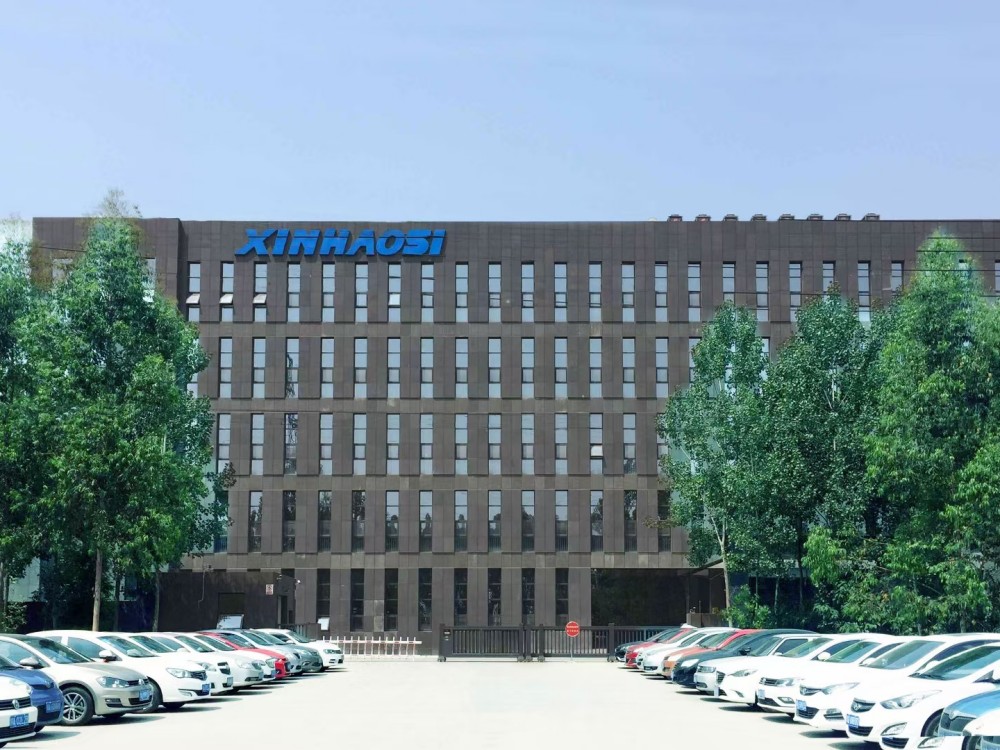
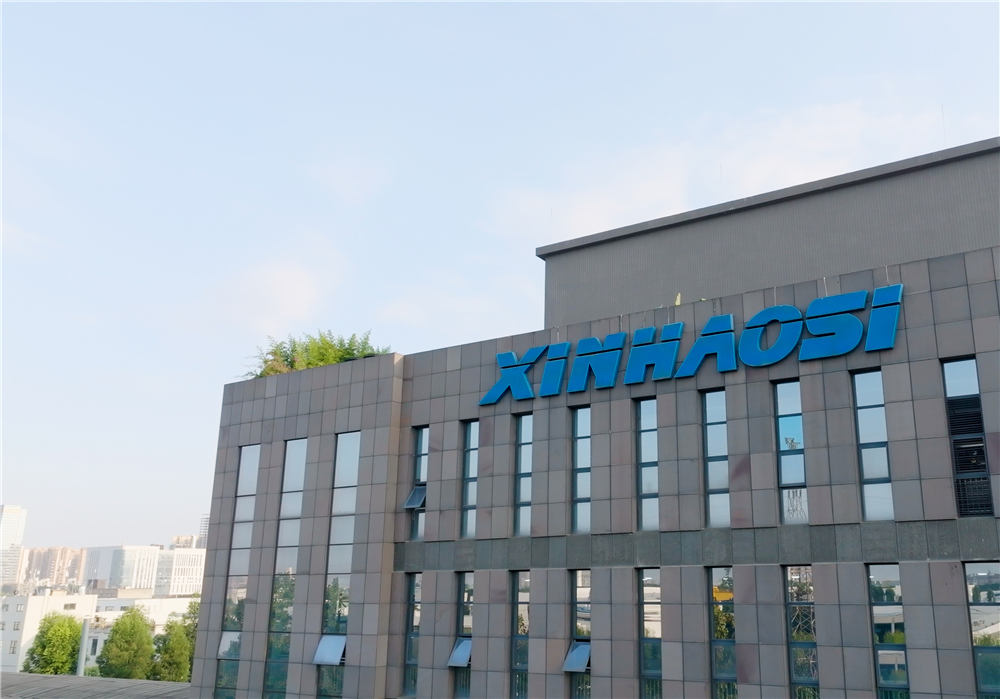
Chengdu Factory & Office

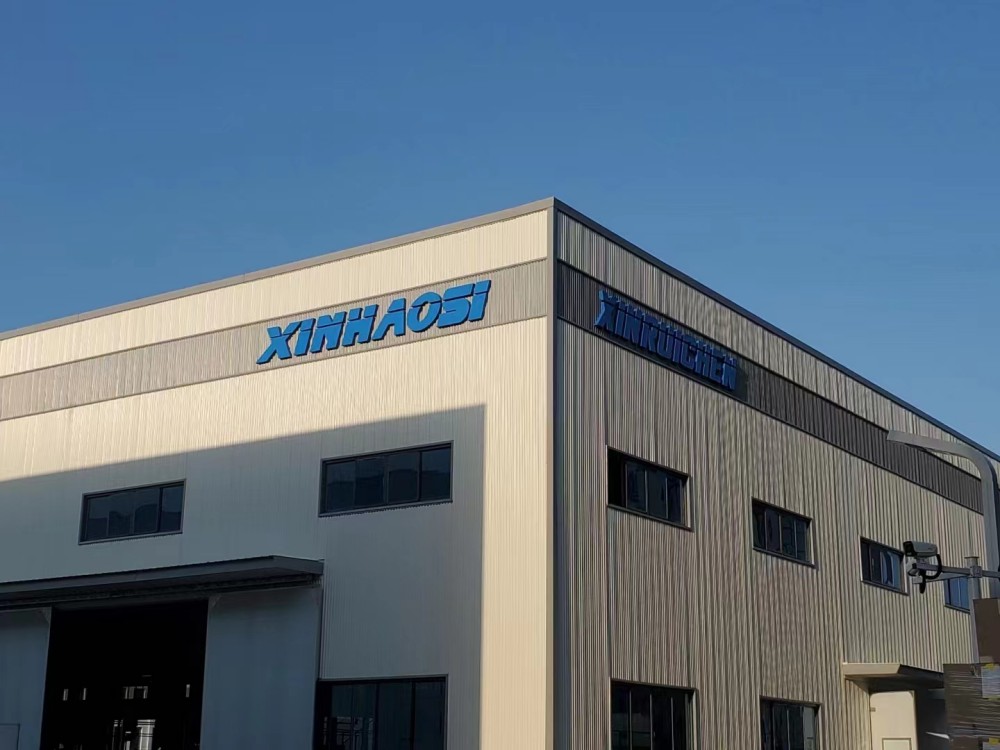
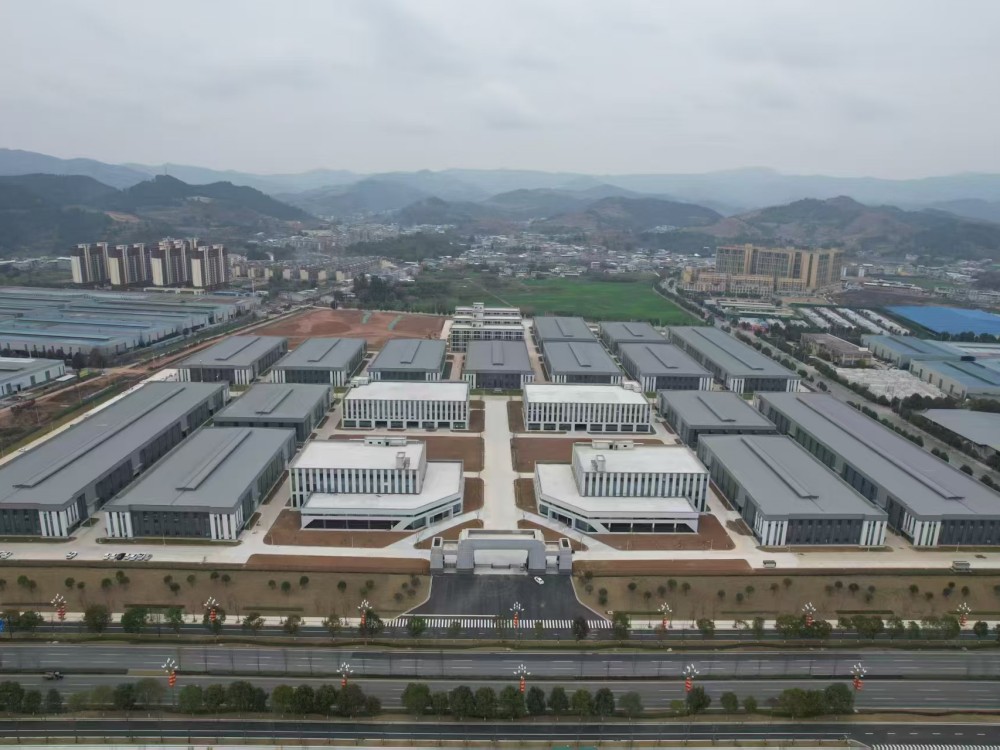
Deyang Factory
Uncompromising quality control and internationally recognized laboratory accreditations form the foundation of our engineering excellence.
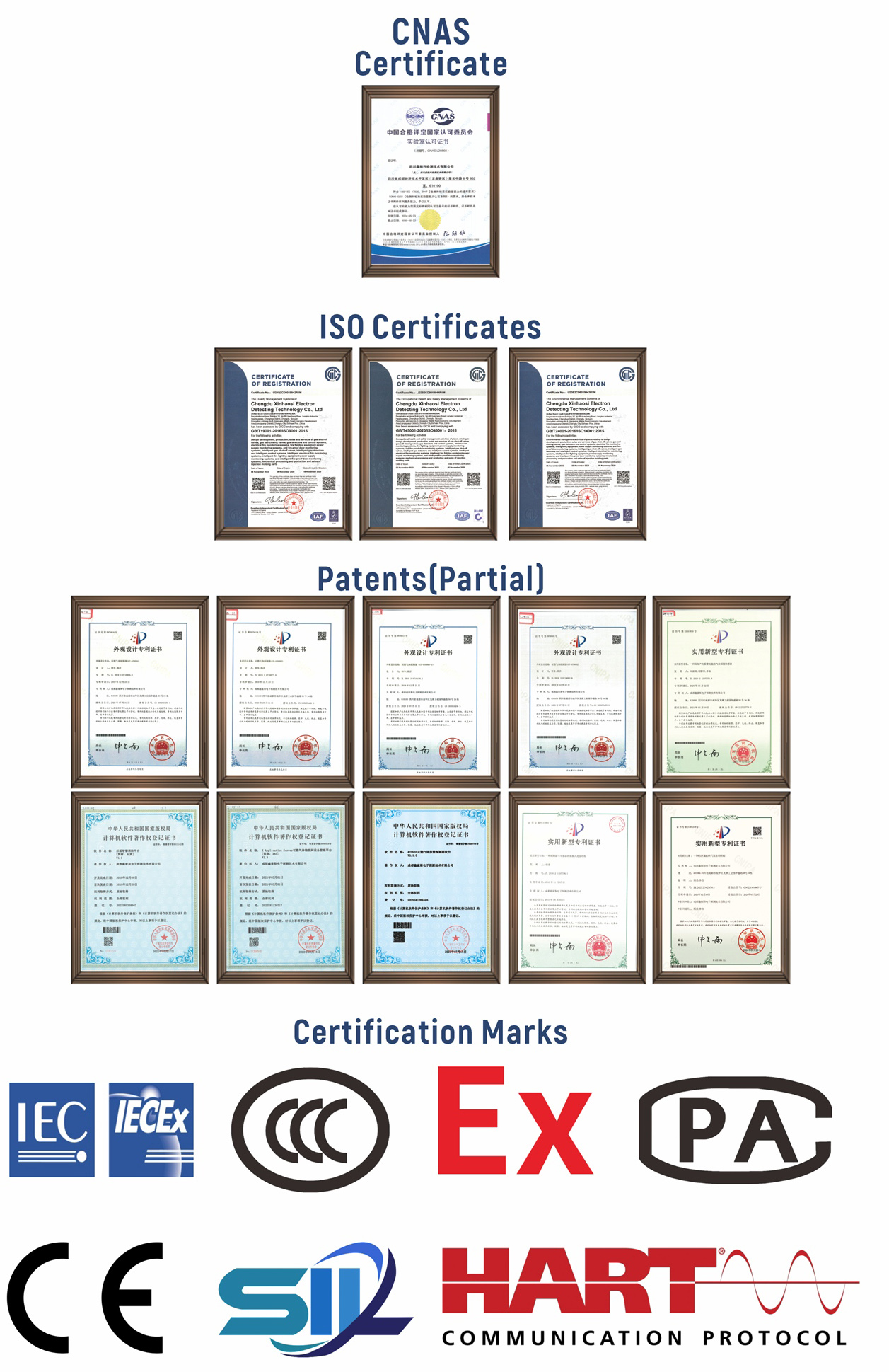
Adhering to ISO9001 quality management system standards, Xinhaosi's core products have obtained a full range of authoritative certifications, including national compulsory Products Certification, explosion-proof certification, fire product certification, CPA measurement instrument type approval certificate, and international approvals as CE, SIL. Additionally, Xinhaosi holds honors such as "National Quality Integrity Benchmark Enterprise" and "National Quality Leading Enterprise in the Gas Alarm Industry," confirming its leading position in cutting-edge technological research.
In the field of intellectual property, Xinhaosi has built a robust innovation system with over 50 patents and software copyrights. These patents cover core technological areas, including a graphical monitoring system for gas detection and alarm, which enables predictive maintenance based on historical data to reduce equipment failure rates by over 30%, and a solenoid valve with flow monitoring functionality that integrates flow detection and alarm capabilities. The company also pioneered China's first networked bus-type gas leakage monitoring system and the only maximum-point gas leakage monitoring system certified by the Ministry of Public Security.
Our in-house laboratory is accredited by the China National Accreditation Service for Conformity Assessment (CNAS), recognized both domestically and internationally under the ILAC-MRA framework. It operates in accordance with ISO/IEC 17025, the international standard for testing and calibration laboratories. It provides reliable and traceable testing services for gas detection and alarm products, solenoid valves, and related safety equipment. Test reports issued by the CNAS-accredited laboratory are widely accepted by regulatory authorities, certification bodies, and customers in China and overseas, helping to ensure product quality, safety compliance, and market access.
Over two decades of sustained technological innovation and manufacturing capacity scaling.
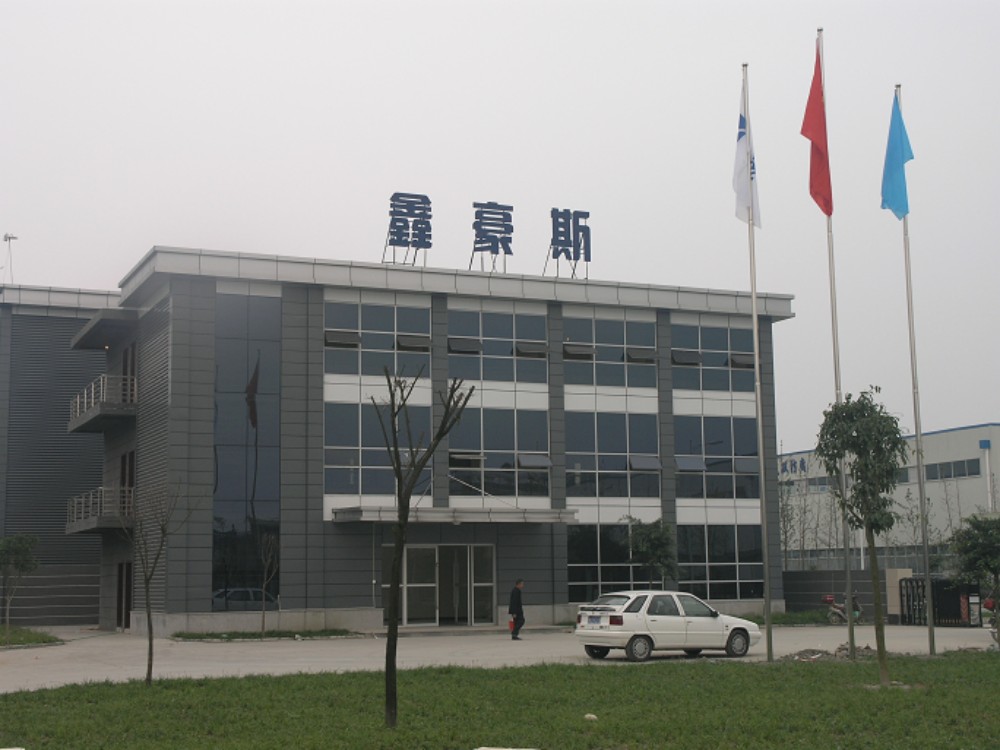

Targeted solutions for global procurement professionals aiming for high reliability, certified compliance, and reduced lifecycle maintenance costs.
Industrial refineries are prone to severe explosion hazards and multi-gas leaks. Our SIL2 and ATEX-certified systems, like the GTYQ-AT0503/d, feature durable flameproof housings designed to operate flawlessly under corrosive marine atmospheres, sub-zero conditions, and high vibration profiles.
Enclosed urban parking garages require dynamic monitoring of carbon monoxide (CO) and oxygen. An integrated bus-type network coordinates gas alarms directly with exhaust fan systems. This reduces baseline electrical consumption by activating fans only when gas concentrations hit warning thresholds.
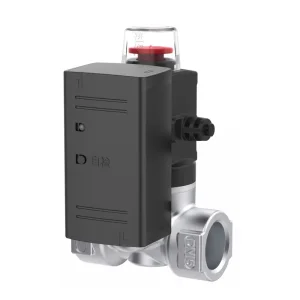
Our residential bus-type gas detectors and household wireless solenoid valves offer modern residential projects smart, cloud-linked leak protection. If a leak occurs, the system automatically shuts off the upstream gas flow, transmits real-time telemetry, and informs emergency services.
In-depth insights regarding industry regulations, calibration processes, sensor life cycles, and safety metrics.
Galvanic cell oxygen sensors operate as self-powered electrochemical cells. The oxygen diffuses into the cell and reacts at the cathode, generating a current proportional to the concentration. They are cost-effective but have a finite lifespan as the lead anode is consumed over time. Capillary-type sensors utilize controlled micro-orifices and specialized membranes to regulate gas diffusion. This improves calibration stability under fluctuating pressure profiles, making them ideal for precise environmental monitoring and industrial stack analysis.
Cross-sensitivity occurs when a non-target gas reacts with the working electrode of a sensor, generating a false positive or negative reading. For instance, high levels of hydrogen (H2) or carbon monoxide (CO) can sometimes interfere with basic electrochemical cells. We counter this by integrating proprietary chemical filters directly into the sensor housings, employing dual-wavelength infrared sensors (for combustible gases), or using paramagnetic cells for oxygen monitoring, which are immune to chemical poisoning.
Mounting heights depend entirely on the density of the target gas relative to air (molecular weight of air is ~29 g/mol). For heavier gases like Propane (C3H8) or butane, the detector should be mounted close to the floor (within 0.3m to 0.6m). For lighter gases like methane (CH4) or natural gas, the detector should be mounted near the ceiling (within 0.3m to 0.6m of the ceiling). Oxygen detectors are typically mounted at breathing zone height (1.5m to 1.8m above finished floor level) to monitor potential oxygen deficiency or enrichment in human-occupied zones.
SIL2 certification is governed by IEC 61508/61511. It indicates that the safety instrumented system (SIS) has a Probability of Failure on Demand (PFD) between 0.01 and 0.001. Many chemical refineries, marine operations, and nuclear power utilities mandate SIL2-compliant devices to minimize risk profiles. Having SIL2 certified systems helps facilities comply with national safety regulations and can lower industrial insurance premiums by demonstrating a verified risk-mitigation strategy.
Industry standards, such as OSHA, ATEX directives, and manufacturer guidelines, typically recommend calibration checks every 3 to 6 months. A bump test (verifying sensor response with a known gas concentration) should be performed regularly before confined space entry. In harsher industrial settings, such as chemical processing plants or wastewater treatment plants, more frequent calibrations may be necessary to compensate for sensor drift caused by environmental contaminants.
Explore our industrial-grade pressure monitors, CO detectors, low-voltage power boxes, and smart home safety platforms.