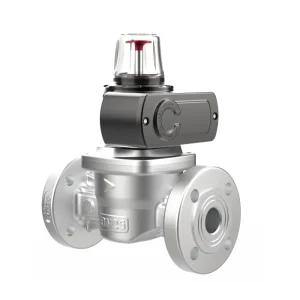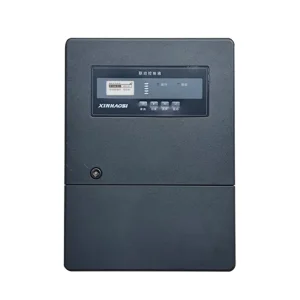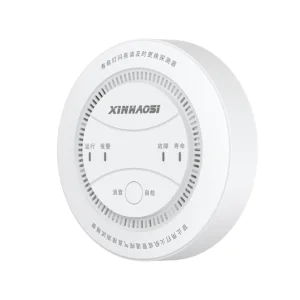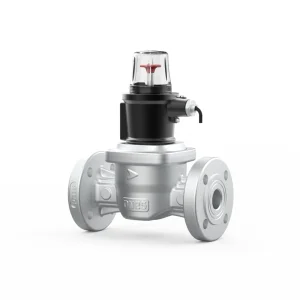
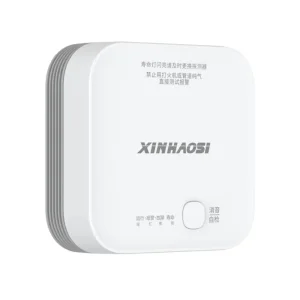
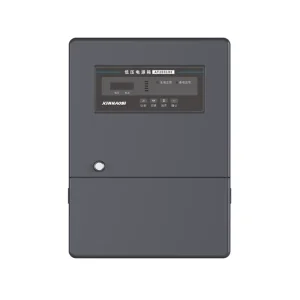
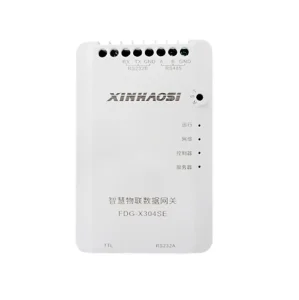
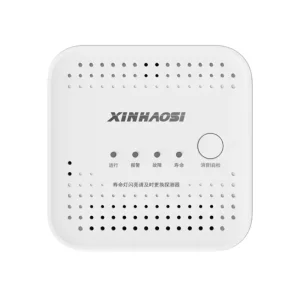
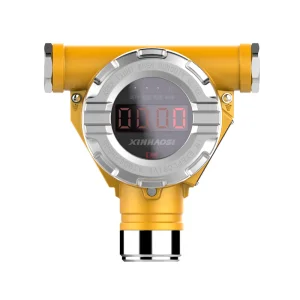
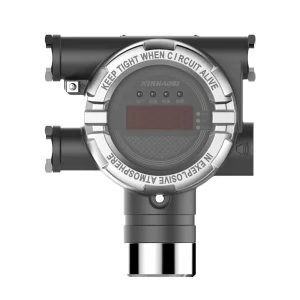
Founded in 2003, Xinhaosi is one of the most influential and trusted brands in the global gas safety industry. Over the past two decades, we have steadily built a robust and comprehensive production and service system, which integrates cutting-edge R&D, intelligent manufacturing with advanced automation equipment, digital marketing across global channels, professional after-sales support with an experienced technician team, flexible OEM/ODM services, as well as CNAS-Accredited laboratory calibration services that meet international standards.
Our diversified product portfolio covers industrial & residential gas detection & alarm systems, industrial & household gas solenoid valves, and urban gas pipeline network monitoring systems—all engineered to adapt to complex working environments and strict safety requirements. We produce and sell tens of millions of units annually, catering to a wide range of industries that demand reliable gas detection solutions, including oil & gas exploration and production, petrochemicals, urban gas distribution, automotive manufacturing, pharmaceuticals, new energy, steel production, and beverage processing.


Guided by the core mission of "Making Gas Safety Accessible Everywhere," we consistently deliver high-performance, reliable products and customized solutions tailored to each client's unique needs. Every item we manufacture undergoes rigorous quality control tests, and every service we provide is backed by our professional technical team, fully embodying our unwavering commitment to safeguarding gas safety across both industrial workplaces and residential environments, and striving to build a safer world with sustainable gas safety technologies.
Adhering to ISO9001 quality management system standards, Xinhaosi's core products have obtained a full range of authoritative certifications, including national compulsory Products Certification, explosion-proof certification, fire product certification, CPA measurement instrument type approval certificate, and international approvals as CE, SIL. Additionally, Xinhaosi holds honors such as "National Quality Integrity Benchmark Enterprise", "National Quality Leading Enterprise in the Gas Alarm Industry," member of the China Fire Protection Association, and the main drafting organization for the national standard of solenoid valves, further confirming its industry influence and reputation.
In the field of intellectual property, Xinhaosi has built a robust innovation system with over 50 patents and software copyrights. These patents cover core technological areas, including a graphical monitoring system for gas detection and alarm, which enables predictive maintenance based on historical data to reduce equipment failure rates by over 30%, and a solenoid valve with flow monitoring functionality that integrates flow detection and alarm capabilities. The company also pioneered China's first networked bus-type gas leakage monitoring system and the only maximum-point gas leakage monitoring system certified by the Ministry of Public Security, demonstrating its leading position in cutting-edge technological research.
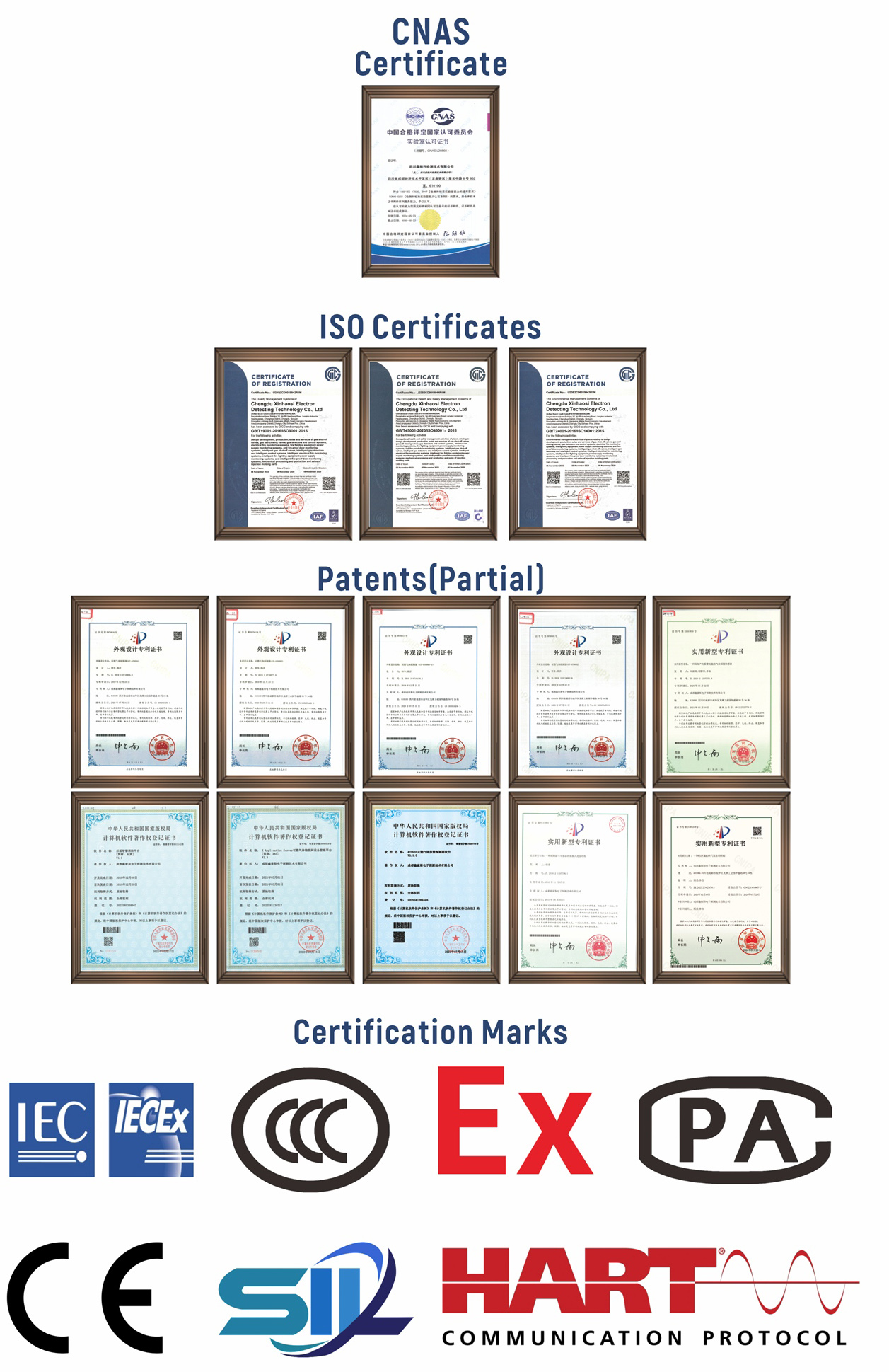
Our in-house laboratory is accredited by the China National Accreditation Service for Conformity Assessment (CNAS), recognized both domestically and internationally under the ILAC-MRA framework. It operates in accordance with ISO/IEC 17025, the international standard for testing and calibration laboratories. It provides reliable and traceable testing services for gas detection and alarm products, solenoid valves, and related safety equipment. Test reports issued by the CNAS-accredited laboratory are widely accepted by regulatory authorities, certification bodies, and customers in China and overseas, helping to ensure product quality, safety compliance, and market access.
As the industry shifts toward digitalized safety management, LP gas leak detectors are evolving beyond local sounding devices. The roadmap of Xinhaosi is defined by the integration of hardware with Edge Computing, IoT protocols, and Machine Learning algorithms.
Traditional catalytic combustion sensors are prone to poisoning and drift. Our roadmap features the adoption of Micro-Electro-Mechanical Systems (MEMS) and Tunable Diode Laser Absorption Spectroscopy (TDLAS). These sensors offer high selectivity to propane (C3H8) and butane (C4H10), removing common domestic interference gases like ethanol or cooking vapors.
Modern commercial infrastructure requires massive node grids. Through integrations with wireless standards like LoRaWAN, NB-IoT, and smart Zigbee protocols, our detectors establish a self-healing communication mesh. This guarantees instant telemetry transmission back to central command centers even in deep underground or high-shielding environments.
By monitoring live gas pressure fluctuations, flow velocities, and ambient sensor arrays, our system utilizes edge machine learning models to detect minor anomalies. The gas valve automatically activates shutoff procedures *before* the gas density reaches LEL (Lower Explosive Limit) thresholds, executing predictive safety operations.
As a global partner, we do not just sell standalone hardware. We provide comprehensive, customized system solutions developed specifically to handle the structural vulnerabilities of varying industries.
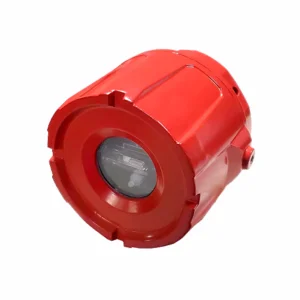
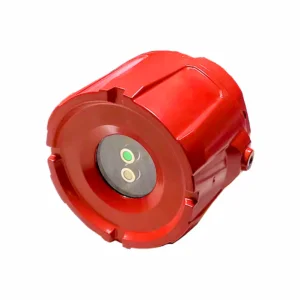
In refining plants, ambient chemical particles often lead to standard sensor degradation. Our ATEX/IECEx explosion-proof detectors (GTYQ-AT0505/d and GTQ-XP4000) are engineered with heavy-duty cast aluminum enclosures and high-performance electrochemical/infrared sensors. They easily withstand corrosive H2S, high humidity, and extreme temperatures.
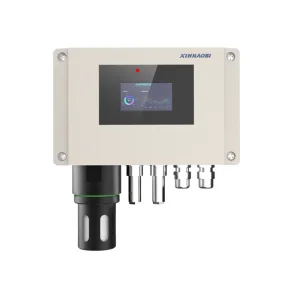
Monitoring wide-area utility gas lines presents complex maintenance challenges. Our municipal solutions employ wireless pressure sensors (GT-AT0637) alongside underground monitoring systems. These devices allow city operators to pinpoint leaks down to the exact section, enabling immediate valve shutoff from central SCADA interfaces.
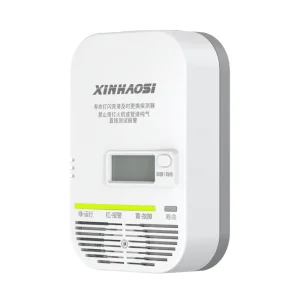
For housing projects, safety solutions must be affordable, highly aesthetic, and simple to set up. Our JT-AT2018 and JT-AT3068 household gas detectors integrate directly with domestic solenoid valves (KT-XF5/XF3 Series). They sound local voice alarms, cut off domestic gas lines, and send real-time push alerts to tenants via home automation apps.
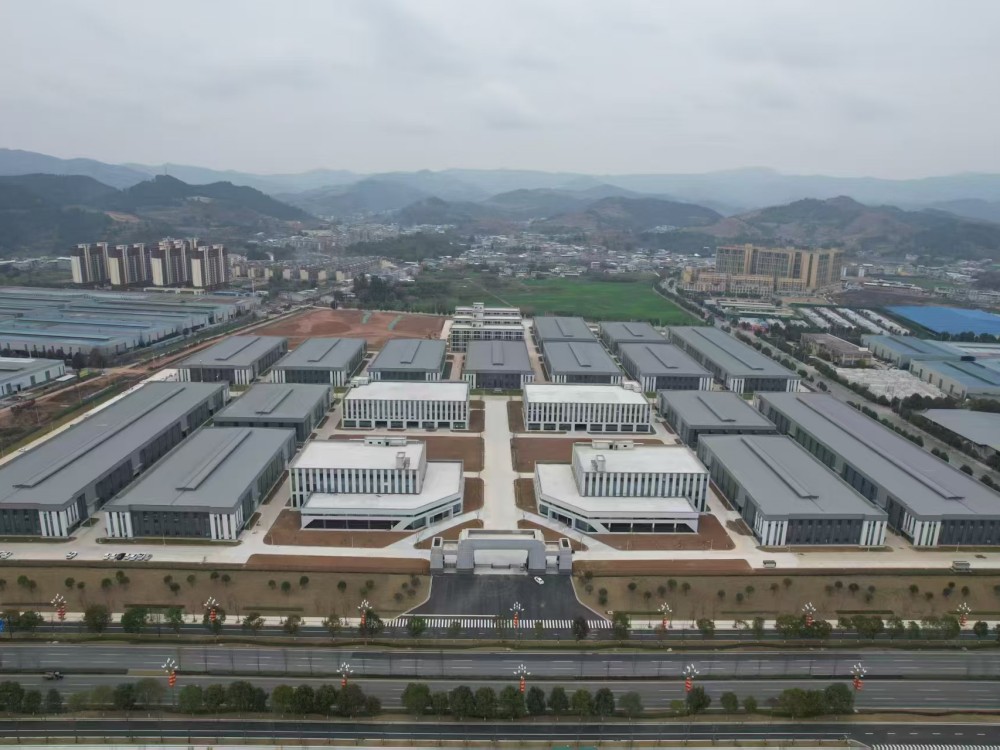
Operating out of our advanced Chengdu and Deyang facilities, Xinhaosi utilizes the "Industry 4.0" framework to provide unparalleled supply chain resilience and cost-competitiveness to global B2B buyers.
From injection molding, SMT PCB assembly, and sensor element calibration, to solenoid valve metal machining—we manage nearly all aspects of production in-house. This minimizes reliance on third-party suppliers, shielding buyers from sudden component bottlenecks.
Gas sensor sensitivity relies heavily on the environment during calibration. Our facilities feature temperature and humidity-controlled automated chambers. Every detector is tested and calibrated against standard reference gases, ensuring absolute reliability upon delivery.
Located near central logistics corridors, our factories have direct access to intercontinental rail lines (Chengdu-Europe Express) and major shipping hubs. This ensures rapid transit times and flexible logistics alternatives for European, North American, and Asia-Pacific regions.
Sourcing LP gas leak detectors requires meeting strict regulatory compliance laws within each target country. Xinhaosi ensures global distribution is seamless by providing comprehensive compliance support and engineering backing.
We supply detectors engineered to align with regional standards. This includes CE compliance for European markets, UL1484 / UL2075 structures for North America, and EN 50291 standardizations for residential carbon monoxide/combustible gas compliance.
We provide comprehensive white-labeling services. This covers customizable casing designs, localized language user interfaces, warning label prints, and tailored software parameters matching national alert guidelines.
We provide our international distributors with full documentation packs, including CNAS calibration certificates, SIL2 declaration documents, explosion-proof test reports, CAD drafts, and wiring diagrams.
B2B procurement professionals must consider several factors beyond unit pricing when sourcing LP gas leak detectors. Below is a strategic checklist developed by our engineering team to ensure system longevity and minimize liability:
What is the sensor's drift rate? Ensure the manufacturer offers clear instructions on calibration schedules and guarantees sensor lifespans (typically 5 years for semiconductor/catalytic sensors, and up to 10 years for NDIR sensors).
Check the IP rating (ingress protection) of the enclosures. For outdoor, industrial, or shaft installations, ensure you specify a minimum of IP66 to prevent dust, oil, and moisture from compromising the sensor.
Solenoid valves should feature normally-opened, manual-reset mechanisms (like the KT-XF5/XF3 models). This prevents automated gas restoration after a power outage, keeping lines closed until engineers verify safety.
Over two decades of dedicated R&D has shaped us into an industry authority. Below is a historical overview of Xinhaosi's milestone achievements:
● Established on April 17th, 2003.
● Launched the 1st generation of gas leak alarm & firefighting products.
● Initiated in-house gas safety valve manufacturing.
● Expanded OEM business internationally.
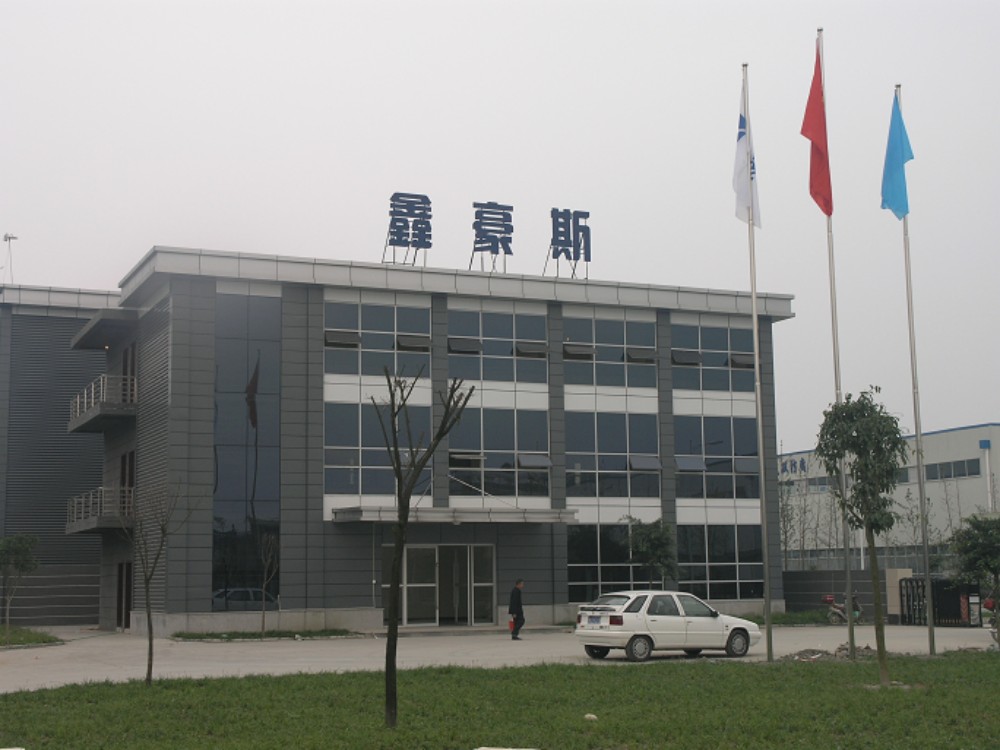
● Moved to our custom office facility in Longtan Industrial Park.

● Achieved milestone of 10 million cumulative gas detector units sold.
● Relocated into our dedicated Chengdu factory.
● Finalized nationwide distribution network.
● Launched fire power monitoring systems.
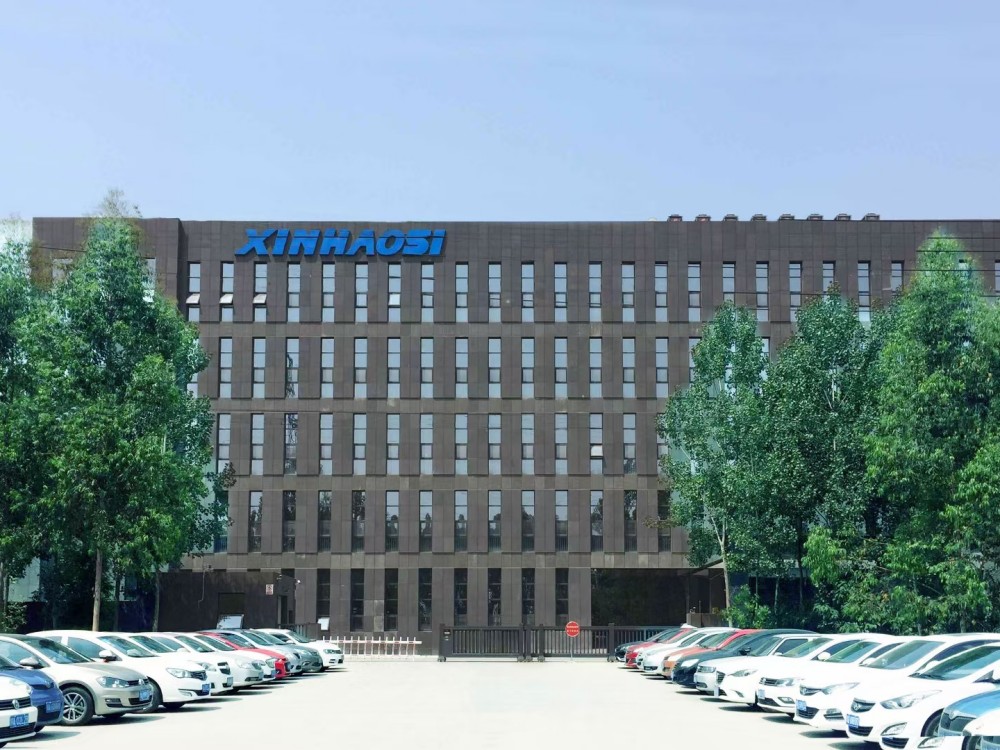
● Launched our proprietary, cloud-linked IoT safety platform.
● Introduced automatic fire alarm, emergency lighting, and evacuation systems.
● Achieved high-tech enterprise national certification.
● Qualified as an official supplier to China's top 5 gas groups.
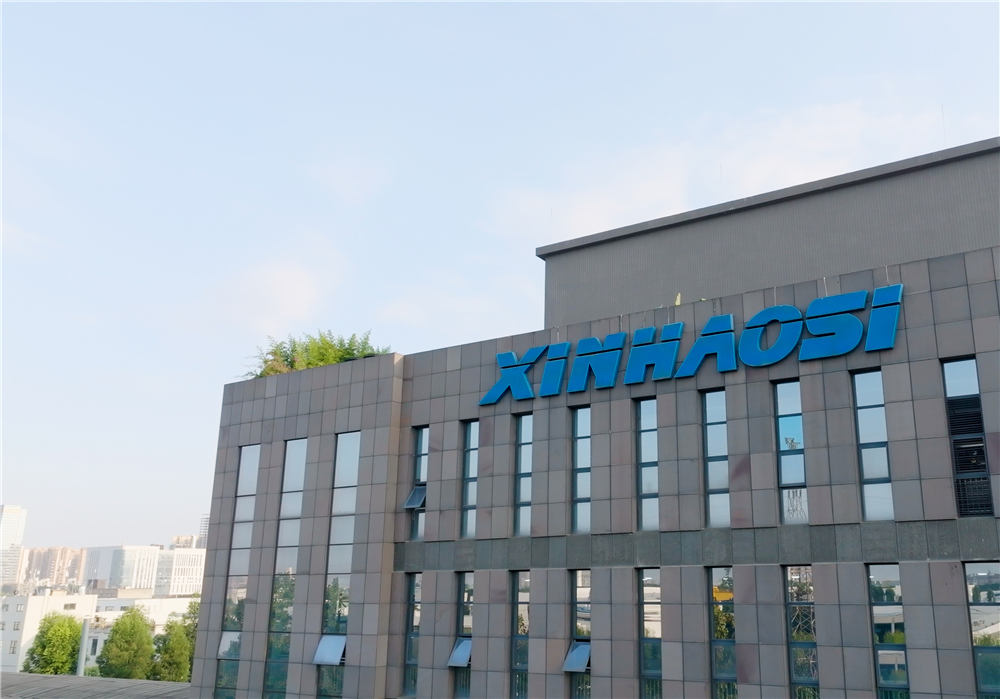
● Commenced construction of the advanced Deyang manufacturing facility.
● Formed the Petrochemical & International Business Division.
● Awarded the title of Sichuan Provincial Technology Center.
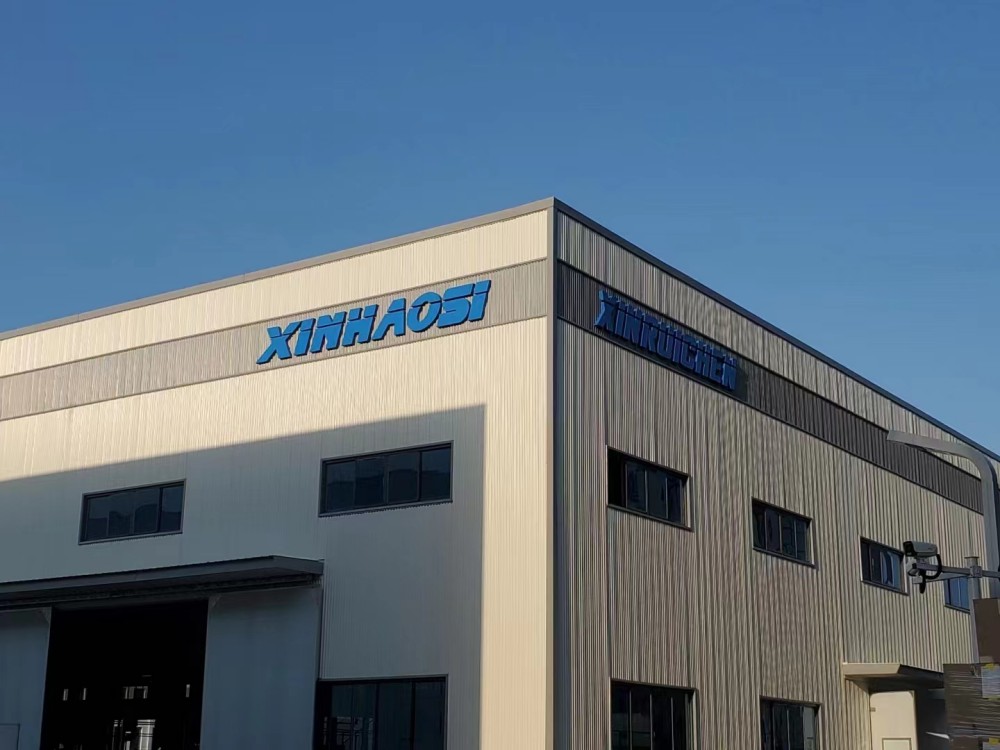
● Completed Deyang facility and started full operations.
● Launched municipal gas pipeline network monitoring systems.
● Rolled out next-gen wireless and AI safety valve products.
To help sourcing managers and safety engineers make informed decisions, we have answered the most common questions regarding safety regulations and industrial gas detection technologies: