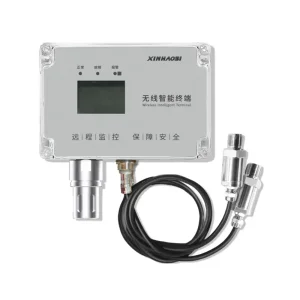
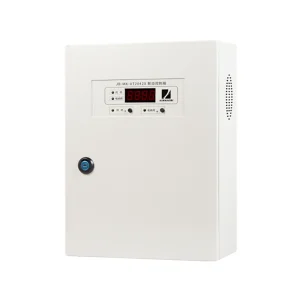
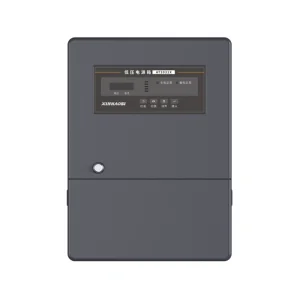
Explore our certified range of high-precision combustible gas detectors, flame sensors, and automation valves engineered for continuous duty.
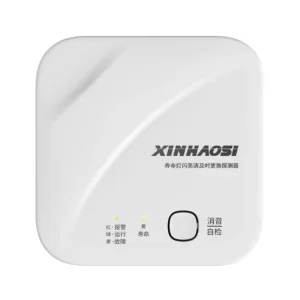

A deep technical look at modern combustible gas sensing technology, sensor types, and compliance standards.
Flammable gas detection systems serve as the critical line of defense in modern industrial complexes, energy transition infrastructures, and smart residential areas. With explosive environments posing extreme risks to life and high-value capital assets, standard "commodity-grade" detectors no longer suffice. Achieving dependable safety requires robust, high-integrity flammable gas sensors built in state-of-the-art factories under strict quality control regimes. In this whitepaper, we dissect the inner workings of modern gas sensing mechanisms, industrial compliance landscapes, and manufacturing strategies designed to eliminate false alarms and maximize detection uptime.
| Technology Type | Sensing Principle | Target Gases | Key Advantages | Typical Environment |
|---|---|---|---|---|
| Catalytic Bead (Pellistor) | Catalytic oxidation of gas on an active bead, causing temperature/resistance change. | Methane, Butane, Propane, Hydrogen, Carbon Monoxide. | Low initial cost, highly linear response to LEL levels of combustible gases. | Refineries, Boiler Rooms, Industrial manufacturing lines. |
| Non-Dispersive Infrared (NDIR) | Absorption of specific infrared wavelengths by hydrocarbon molecular bonds. | Hydrocarbons (Methane, Propane, Butane, Ethane). | Fail-safe design, immune to sensor poisons like silicones or sulfur, oxygen-free environments. | Offshore rigs, inert gas spaces, pipelines, biogas plants. |
| Semiconductor (MOS) | Gas absorption alters electrical conductivity of a metal-oxide thin film. | Methane, LPG, combustible compounds at low concentrations. | Ultra-long lifespan, high sensitivity to minor gas leaks. | Residential utility monitoring, smart home gas alarms. |
For industrial system designers, choosing between Catalytic Bead and NDIR sensors is a critical decision. While catalytic sensors detect all combustible gases (including hydrogen), they are susceptible to poisoning by compounds like silicones, chlorine, and sulfur. Conversely, NDIR sensors are immune to such chemical poisons and function perfectly in low-oxygen or nitrogen-blanketed environments, but they cannot detect hydrogen (since H2 does not absorb infrared light). Xinhaosi’s engineering team addresses these variations by offering hybrid configurations, ensuring complete, redundant protection across complex working conditions.

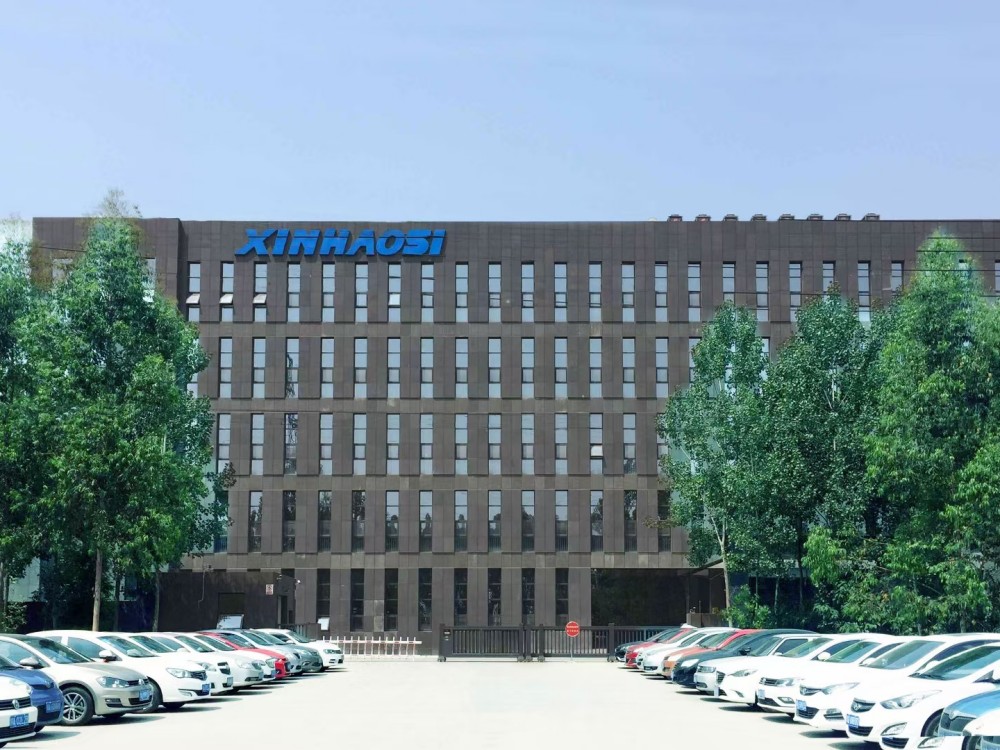
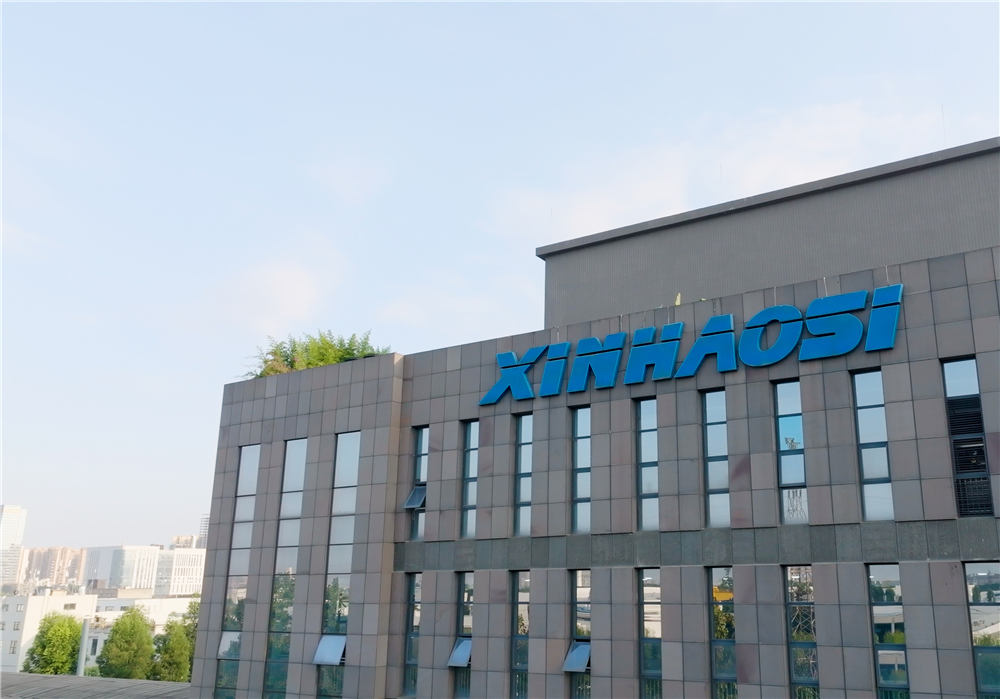
Chengdu Factory & Office

Deyang Factory
Founded in 2003, Xinhaosi is one of the most influential and trusted brands in the global gas safety industry. Over the past two decades, we have steadily built a robust and comprehensive production and service system, which integrates cutting-edge R&D, intelligent manufacturing with advanced automation equipment, digital marketing across global channels, professional after-sales support with an experienced technician team, flexible OEM/ODM services, as well as CNAS-Accredited laboratory calibration services that meet international standards.
Our diversified product portfolio covers industrial & residential gas detection & alarm systems, industrial & household gas solenoid valves, and urban gas pipeline network monitoring systems—all engineered to adapt to complex working environments and strict safety requirements. We produce and sell tens of millions of units annually, catering to a wide range of industries that demand reliable gas detection solutions, including oil & gas exploration and production, petrochemicals, urban gas distribution, automotive manufacturing, pharmaceuticals, new energy, steel production, and beverage processing.
Guided by the core mission of “Making Gas Safety Accessible Everywhere,” we consistently deliver high-performance, reliable products and customized solutions tailored to each client’s unique needs. Every item we manufacture undergoes rigorous quality control tests, and every service we provide is backed by our professional technical team, fully embodying our unwavering commitment to safeguarding gas safety across both industrial workplaces and residential environments, and striving to build a safer world with sustainable gas safety technologies.
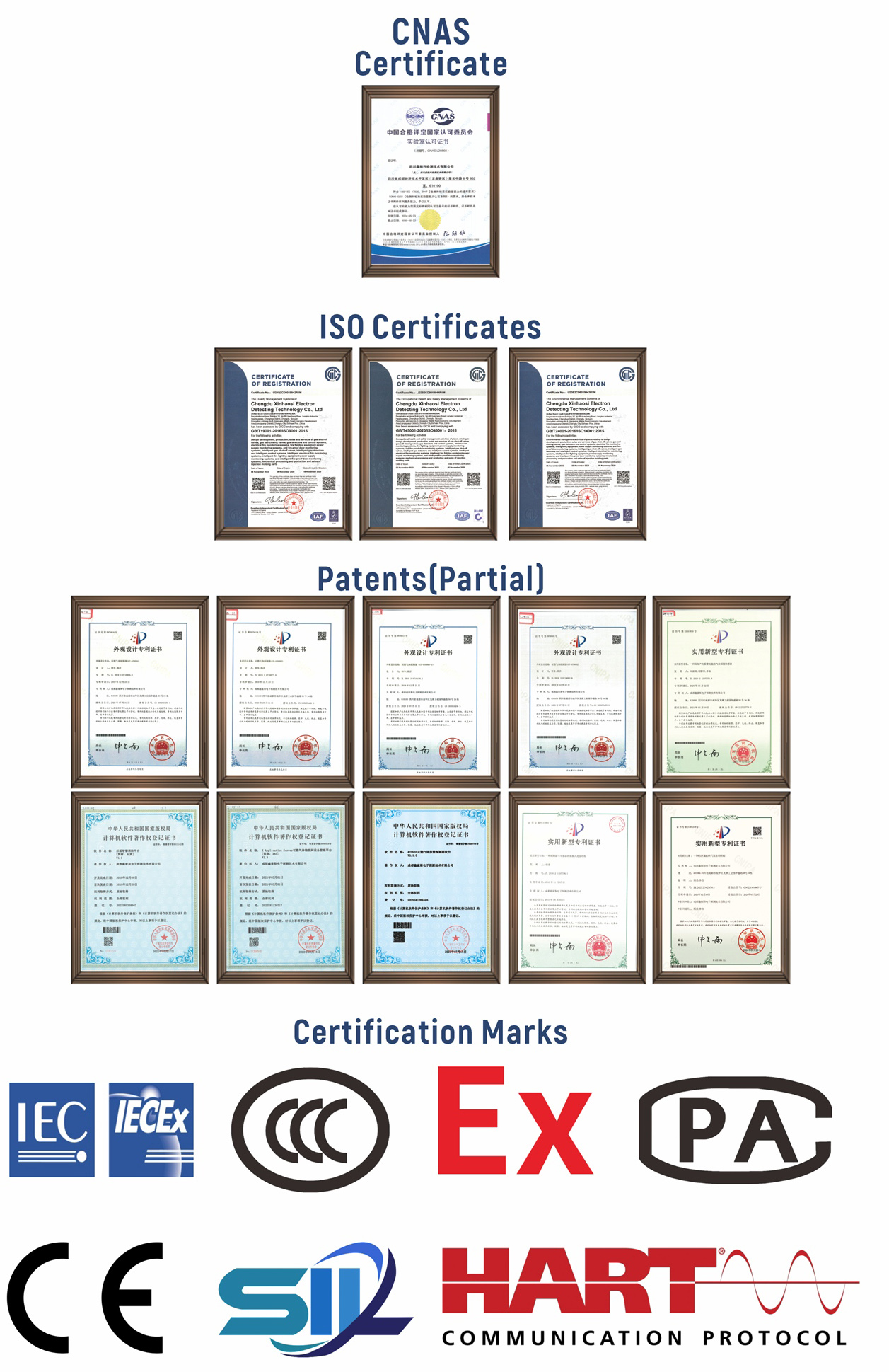
Adhering to ISO9001 quality management system standards, Xinhaosi's core products have obtained a full range of authoritative certifications, including national compulsory Products Certification, explosion-proof certification, fire product certification, CPA measurement instrument type approval certificate, and international approvals as CE, SIL. Additionally, Xinhaosi holds honors such as "National Quality Integrity Benchmark Enterprise" , "National Quality Leading Enterprise in the Gas Alarm Industry," member of the China Fire Protection Association, and the main drafting organization for the national standard of solenoid valves, further confirming its industry influence and reputation.
In the field of intellectual property, Xinhaosi has built a robust innovation system with over 50 patents and software copyrights. These patents cover core technological areas, including a graphical monitoring system for gas detection and alarm, which enables predictive maintenance based on historical data to reduce equipment failure rates by over 30%, and a solenoid valve with flow monitoring functionality that integrates flow detection and alarm capabilities. The company also pioneered China's first networked bus-type gas leakage monitoring system and the only maximum-point gas leakage monitoring system certified by the Ministry of Public Security, demonstrating its leading position in cutting-edge technological research.
Our in-house laboratory is accredited by the China National Accreditation Service for Conformity Assessment (CNAS), recognized both domestically and internationally under the ILAC-MRA framework. It operates in accordance with ISO/IEC 17025, the international standard for testing and calibration laboratories. It provides reliable and traceable testing services for gas detection and alarm products, solenoid valves, and related safety equipment. Test reports issued by the CNAS-accredited laboratory are widely accepted by regulatory authorities, certification bodies, and customers in China and overseas, helping to ensure product quality, safety compliance, and market access.
Tailored gas detection frameworks designed to solve real-world safety challenges across industrial, commercial, and utility environments.
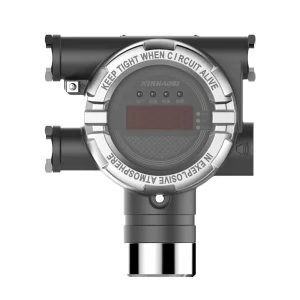
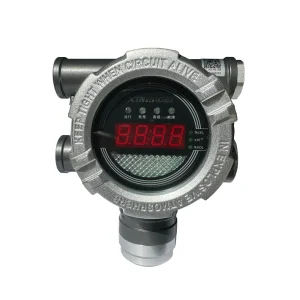
Petrochemical sites feature constant exposure to hydrocarbons, VOCs, and hydrogen. Our heavy-duty, explosion-proof transmitters (such as the GTQ-XP4000) offer SIL2-compliant monitoring, operating reliably under extreme ambient temperatures, high humidity, and corrosive environments to prevent catastrophic failures.
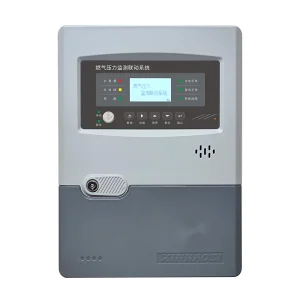
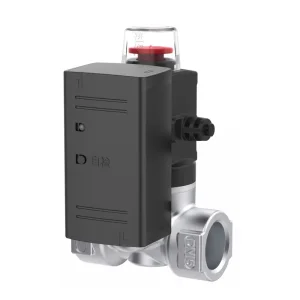
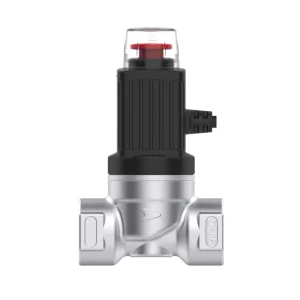
We deploy high-integrity city-wide pressure transmitter networks (PMC-X602C) and wireless telemetry systems to monitor main distribution lines. Automated gas safety solenoid valves (XF2 Series) ensure instantaneous, fail-safe shutdown upon detecting minor pressure irregularities or concentration spikes.
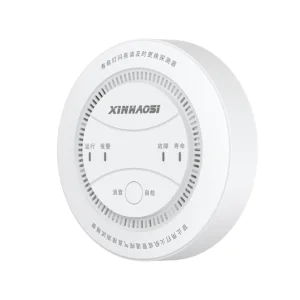
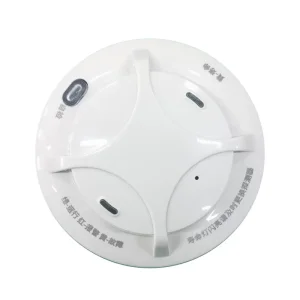
Our residential gas leak detectors (JT-AT2009 & JT-AT2018 series) are built with advanced microcontroller units (MCUs) to filter out common interference from kitchen aerosols, cooking fumes, and alcohol-based cleaners, reducing nuisance alarms for domestic end users.
Unlocking supply chain integration, rigorous testing standards, and advanced manufacturing at scale.
Xinhaosi controls the entire manufacturing journey under one roof. From localized die-casting of explosion-proof metallic enclosures to PCB assembly via high-speed SMT lines, automated sensor calibration, and performance testing, our complete integration reduces manufacturing cycle times and ensures consistent build quality.
Environmental testing lies at the heart of reliable gas detection. Our factories run proprietary, multi-chamber gas calibration systems that subject every gas sensor to varying humidity and temperature combinations. This rigorous process guarantees stable baselines and prevents drift across diverse international markets.
How we support international gas utility companies, industrial safety distributors, and HVAC OEMs.
For international buyers, industrial safety distributors, and OEM engineering companies, sourcing a safety-critical device demands verified reliability. Over the past two decades, Xinhaosi has refined its engineering services to support complex, high-volume international projects. We offer deep customization options, including flexible communication protocol integration (Modbus RTU, 4-20mA analog loop, LoRaWAN, NB-IoT, and 4G wireless terminals), custom enclosure designs, private-label branding, and international compliance documentation.
Our OEM/ODM partnership framework follows a disciplined 5-stage quality process:
A history of innovation, expansion, and technological breakthroughs since 2003.
Established in Apr. 17th, 2003. We launched our first generation of gas leak alarms and fire fighting products, establishing a strong foundation in China's emerging fire safety market.
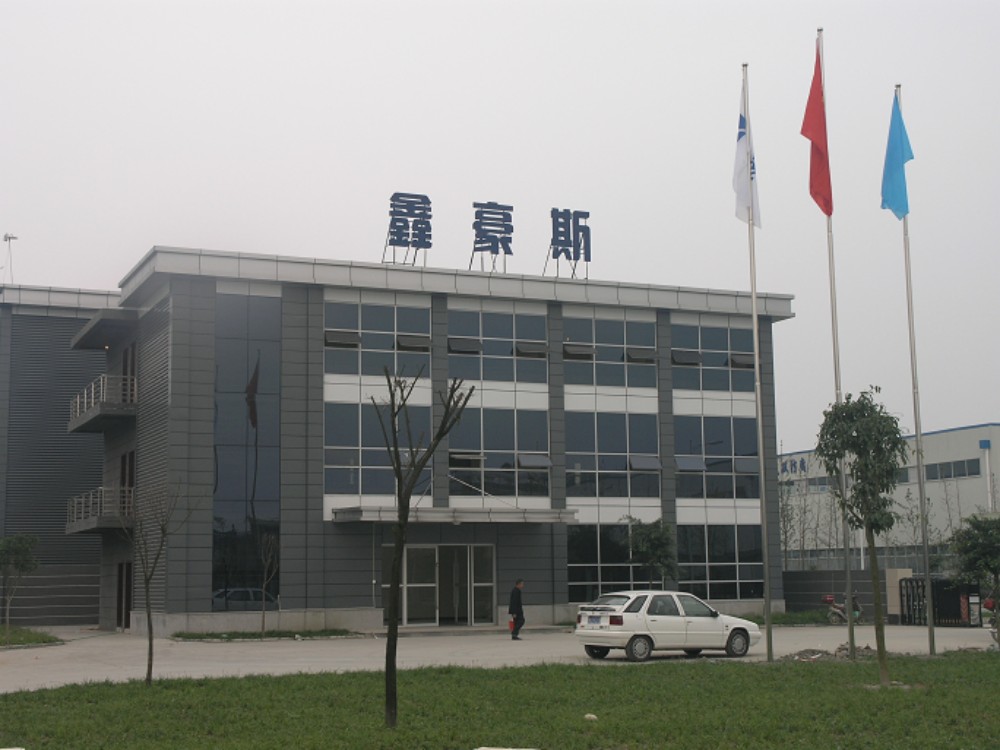
Began gas safety valve production and expanded our OEM/ODM services. We relocated to our central office building in Chengdu's Longtan Industrial Park to scale up operations.

Achieved 10 million units in gas detector sales. We relocated to the Chengdu factory building and completed our national sales and service network across China. This period also marked the launch of our fire power monitoring system products.
Launched our self-developed IoT safety platform alongside fire automatic alarm, emergency lighting, and evacuation systems. We obtained the National High-Tech Enterprise Certificate and became an official supplier to China’s top 5 gas groups.
Began construction of the Deyang manufacturing base, established our specialized Petrochemical & International Business Division, and was officially awarded the title of Sichuan Provincial Technology Center.
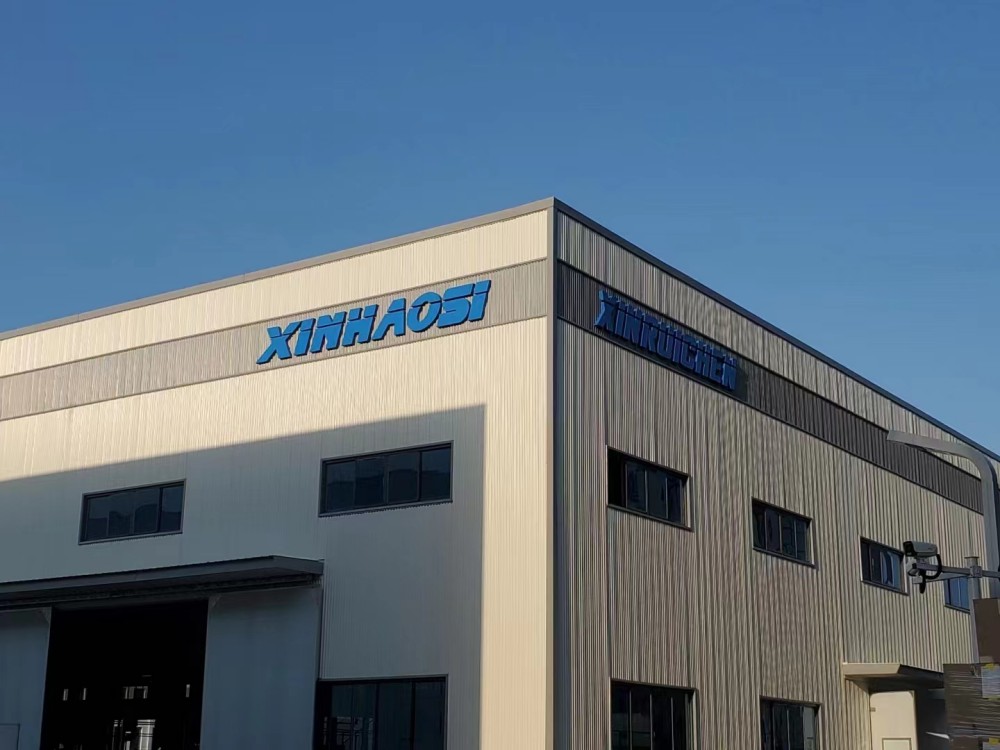
Completed and launched operations at the new Deyang factory. We introduced our advanced urban gas pipeline network monitoring products, next-generation wireless detection products, and AI-enabled safety valve systems.

Explore our heavy-duty industrial gas controllers, wireless terminals, interlock systems, and explosion-proof detection equipment.
Our safety engineers address frequently asked technical questions regarding selection, deployment, and international compliance.