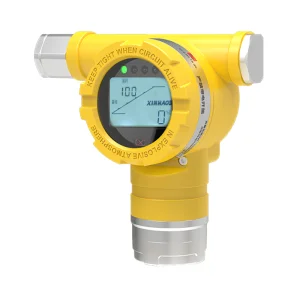
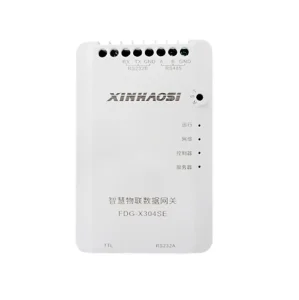
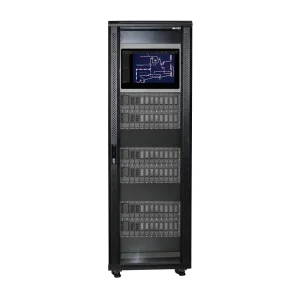
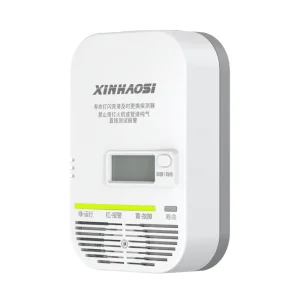
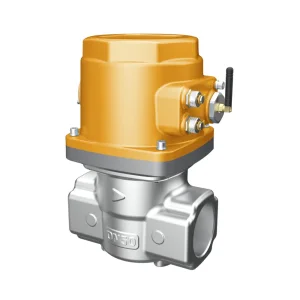
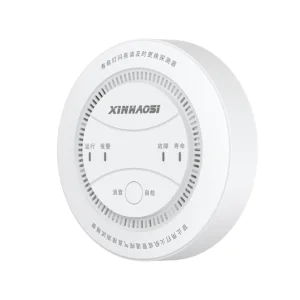
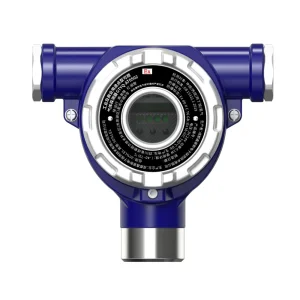
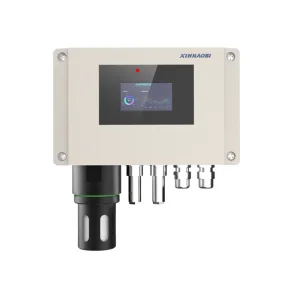
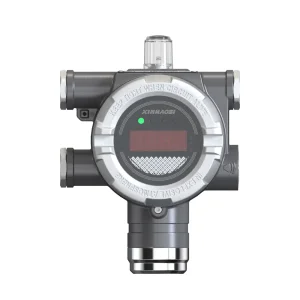
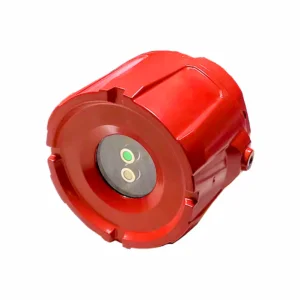
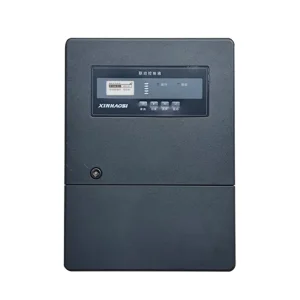
Featured products from our certified intelligent manufacturing facilities
A comprehensive technical analysis of architecture, performance parameters, and safety margins for international pipeline systems.
Engineered for hazardous environments. Meets ATEX, IECEx, and Ex d IIC T6 requirements to ensure no electrical sparks trigger combustible gases.
Direct-acting and pilot-assisted configurations deliver bubble-tight closing speeds of under 50 to 100 milliseconds upon signal loss.
Constructed using forged brass, anodized aluminum, or 316 stainless steel with FKM or HNBR seals for natural gas, LPG, hydrogen, and biogas.
A 1/4" gas solenoid valve serves as a critical actuator in gas combustion, automation, and safety containment loops. The 1/4-inch dimension (typically referring to NPT or G thread connections) makes it the standard scale for analytical instrumentation, pilot burners, commercial gas appliances, and emergency localized isolation systems. Because combustible gases pose severe explosion hazards, the solenoid valve must not only regulate flow but also operate as a fail-safe device.
In standard safety architectures, these valves are classified as Normally Closed (NC), meaning they remain shut by mechanical spring force until electric current energizes the solenoid coil, generating a magnetic field that lifts the plunger. In the event of power outages, gas leaks, or fire alarms, power cuts off instantly, allowing the internal spring to snap the seal shut, terminating the gas supply within milliseconds.
When selecting a 1/4" solenoid valve for flammable gases, designers must specify the Safety Integrity Level (SIL 2 or SIL 3) and verify that the coil's duty cycle is rated for 100% continuous duty (Class H insulation, 180°C thermal limit) to prevent winding degradation under constant excitation.
Adapting precision valve technology to meet the strict legal and technical frameworks of international markets.
Exporting gas safety systems requires strict adherence to localized safety certifications. We ensure that our 1/4" gas solenoid valves comply with major international protocols: CE certifications for the European Economic Area under the Gas Appliances Regulation (EU) 2016/426, UL/FM approvals for North America, and EAC certificates for the Eurasian Customs Union.
Our engineering design cycle integrates standard electrical options, including NEMA enclosures, ATEX zone-rated junction boxes, and standard ISO 4400 DIN connectors. This ensures that field installation aligns seamlessly with local electrical codes and wiring standards.
Furthermore, our in-house laboratory is fully accredited by the China National Accreditation Service for Conformity Assessment (CNAS) and operates under the international ILAC-MRA framework, adhering strictly to ISO/IEC 17025 testing regulations. This streamlines localization processes and guarantees that all performance data is verified and internationally recognized.

Chengdu Factory & Office
| Specification Parameter | Standard Configuration | Hazardous Environment Options |
|---|---|---|
| Port Connection Size | 1/4" NPT / G (BSP) / Rp Threading | Custom Flanged / Tube Fitting Compression |
| Enclosure Protection | IP65, IP67 | NEMA 4, 4X / Ex d IIC T6 Gb / Ex tb IIIC T80°C Db |
| Body Materials | Forged Brass (HPb59-1), Anodized Aluminum | 304/316L Stainless Steel |
| Working Pressure Range | 0 - 0.4 MPa (Standard Low Pressure) | Up to 1.6 MPa (High Pressure Gas Systems) |
| Seal Compounds | NBR (Nitrile Rubber) | Viton (FKM) / HNBR / PTFE for Corrosive Media |
| Coil Voltages Available | 220V AC, 24V DC | 110V AC, 12V DC, Intrinsically Safe Options |
Leveraging high-capacity industrial clusters, automated production lines, and economies of scale for global B2B procurement.
Our dual manufacturing footprints in Chengdu and Deyang combine automated, high-precision machining with robust logistics networks. Chengdu operates as our central administrative, R&D, and CNAS calibration center, while our newly expanded Deyang factory focuses on high-volume production, raw material logistics, and automated valve assembly lines.
With an annual capacity of tens of millions of units, we offer significant advantages in direct component sourcing, localized copper alloy forging, and automated CNC tooling. This allows us to offer OEM/ODM products at highly competitive costs without compromising on quality.
Furthermore, our integrated supply chain partners provide heat treatment, surface passivation, and automated testing services locally. This reduces turnaround times, even for customized projects, and ensures rapid delivery to major international ports.

Deyang Factory
A trusted brand in gas safety, dedicated to advanced safety valve technologies and gas monitoring systems.
Founded in 2003, Xinhaosi is one of the most influential and trusted brands in the global gas safety industry. Over the past two decades, we have steadily built a robust and comprehensive production and service system, which integrates cutting-edge R&D, intelligent manufacturing with advanced automation equipment, digital marketing across global channels, professional after-sales support with an experienced technician team, flexible OEM/ODM services, as well as CNAS-Accredited laboratory calibration services that meet international standards.
Our diversified product portfolio covers industrial & residential gas detection & alarm systems, industrial & household gas solenoid valves, and urban gas pipeline network monitoring systems—all engineered to adapt to complex working environments and strict safety requirements. We produce and sell tens of millions of units annually, catering to a wide range of industries that demand reliable gas detection solutions, including oil & gas exploration and production, petrochemicals, urban gas distribution, automotive manufacturing, pharmaceuticals, new energy, steel production, and beverage processing.
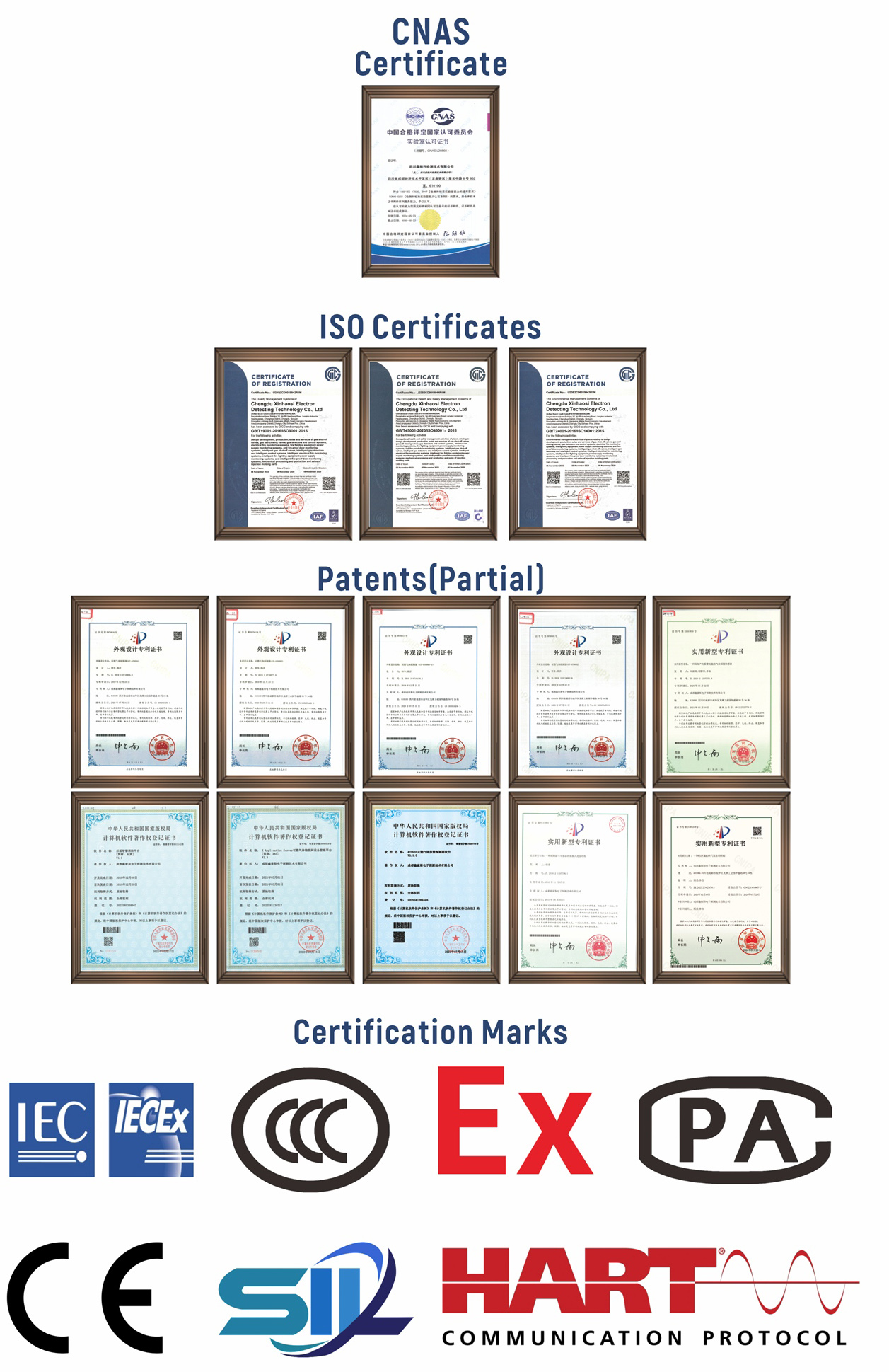
Adhering to ISO9001 quality management system standards, Xinhaosi's core products have obtained a full range of authoritative certifications, including national compulsory Products Certification, explosion-proof certification, fire product certification, CPA measurement instrument type approval certificate, and international approvals such as CE and SIL. Additionally, Xinhaosi holds honors such as "National Quality Integrity Benchmark Enterprise", "National Quality Leading Enterprise in the Gas Alarm Industry," member of the China Fire Protection Association, and the main drafting organization for the national standard of solenoid valves, further confirming its industry influence and reputation.
In the field of intellectual property, Xinhaosi has built a robust innovation system with over 50 patents and software copyrights. These patents cover core technological areas, including a graphical monitoring system for gas detection and alarm, which enables predictive maintenance based on historical data to reduce equipment failure rates by over 30%, and a solenoid valve with flow monitoring functionality that integrates flow detection and alarm capabilities. The company also pioneered China's first networked bus-type gas leakage monitoring system and the only maximum-point gas leakage monitoring system certified by the Ministry of Public Security, demonstrating its leading position in cutting-edge technological research.
Building a legacy of reliability and innovation since 2003.
How global system integrators specify, apply, and integrate 1/4" gas safety valves in modern industrial architectures.
Analytical systems require high reliability and minimal gas volumes. Our 1/4" valves offer low dead-volume paths and precise response times, making them ideal for carrier gas control in chromatography and lab distribution manifolds.
Industrial furnaces and boilers rely on safe pilot flame ignition. The 1/4" NPT valve regulates the pilot fuel gas line, linking directly with flame safeguard controllers to isolate gas lines instantly if flame failure is detected.
Modern commercial safety codes mandate gas isolation if fire alarm systems trigger. Installed directly in gas manifolds, our 1/4" brass valves shut off the gas flow when interlocked with gas alarms or fire suppression panels.
When selecting a supplier, engineering and purchasing teams should review several key criteria to ensure safety and system reliability:
How the integration of AI, low-power IoT protocols, and clean hydrogen energy is shaping the future of gas control technology.
Next-generation valves integrate sensors that monitor coil current, temperature, and cycle counts. This data feeds into predictive maintenance systems to forecast component failures before they occur.
For remote valves along urban pipeline networks, battery-powered latching designs combined with NB-IoT or LoRaWAN allow for remote monitoring and operation without hardwired power lines.
Hydrogen's low molecular density and risk of metal embrittlement require optimized seals and body materials. We are developing hydrogen-compatible valves with low leak rates and specialized coatings.
Detailed technical answers to common questions about 1/4" gas solenoid valves, safety standards, and applications.
Direct-acting solenoid valves use the electrical force of the coil to lift the valve plunger directly, opening the seal without relying on line pressure. These valves can operate from 0 bar up to their maximum pressure rating, making them ideal for low-pressure systems, gravity feeds, and precise laboratory control. However, they require larger, higher-wattage coils for high-flow applications.
In contrast, pilot-operated solenoid valves utilize the system's line pressure to open and close the main orifice. This allows them to handle larger flow rates with smaller coils, but they require a minimum differential pressure (typically 0.3 to 0.5 bar) to function correctly. If line pressure drops below this threshold, the valve may fail to open or close completely.
Sub-zero ambient temperatures can significantly affect both the mechanical and electrical components of a gas solenoid valve. Extremely cold conditions can cause standard elastomer seals, such as NBR, to stiffen and lose elasticity, which can lead to leaks. For cold climates, we recommend low-temperature compounds like Viton (FKM), silicone, or specially formulated HNBR that remain flexible down to -40°C.
From an electrical perspective, low temperatures reduce coil resistance, which increases the inrush current when energized. While this can provide slightly more initial pulling force, it also places higher thermal stress on the coil windings during continuous operation. In these applications, using Class H insulation coils rated for a wide temperature range is essential for long-term safety and performance.
Solenoid valves rely on electrical current to operate, which can generate sparks or surface heat if a fault occurs. In environments with flammable gases like methane or propane, any spark can ignite the surrounding atmosphere and cause an explosion. Explosion-proof designs isolate these potential ignition sources from the environment.
Flameproof (Ex d) enclosures are designed to contain any internal explosion, preventing flames or hot gases from escaping into the surrounding area. Encapsulated (Ex m) coils use a cast resin coating to isolate electrical components from the gas, preventing contact. This ensures the valve can safely operate in Zone 1 or Zone 2 hazardous areas.
Forged brass is a cost-effective, durable option for clean, non-corrosive gases like natural gas, LPG, and compressed air. However, standard brass can be susceptible to corrosion when exposed to sour gas (containing hydrogen sulfide) or wet biogas containing moisture and carbon dioxide.
For corrosive media, 304 or 316L stainless steel provides superior resistance to chemical attack, pitting, and stress corrosion cracking. Stainless steel is also better suited for high-pressure systems and applications with extreme temperature variations. When selecting a valve body material, always check the chemical compatibility of the gas composition and any trace contaminants.
Select components for commercial and industrial installation projects