
When it comes to home safety, few devices are as crucial as a Co Gas Detector. Dr. Emily Hawthorne, a leading expert in home safety technology, emphasizes, “A reliable detector can save lives when carbon monoxide is present.” Carbon monoxide, an invisible and odorless gas, poses significant risks, especially during winter months when heating systems are used more frequently.
Selecting the right Co Gas Detector can be daunting given the myriad of options available on the market. Many people overlook the importance of this device, assuming their homes are safe. Yet, research shows that improper installation and maintenance of gas appliances can lead to dangerous levels of CO buildup. Having the appropriate detector not only alerts you to danger but also offers peace of mind.
Homeowners often take their safety for granted until an incident occurs. A well-chosen Co Gas Detector is an investment in protection and well-being. We must prioritize our family's safety and acknowledge the role of technology in preventing tragedies. Finding the best detectors on the market can make all the difference in ensuring a safe living environment.
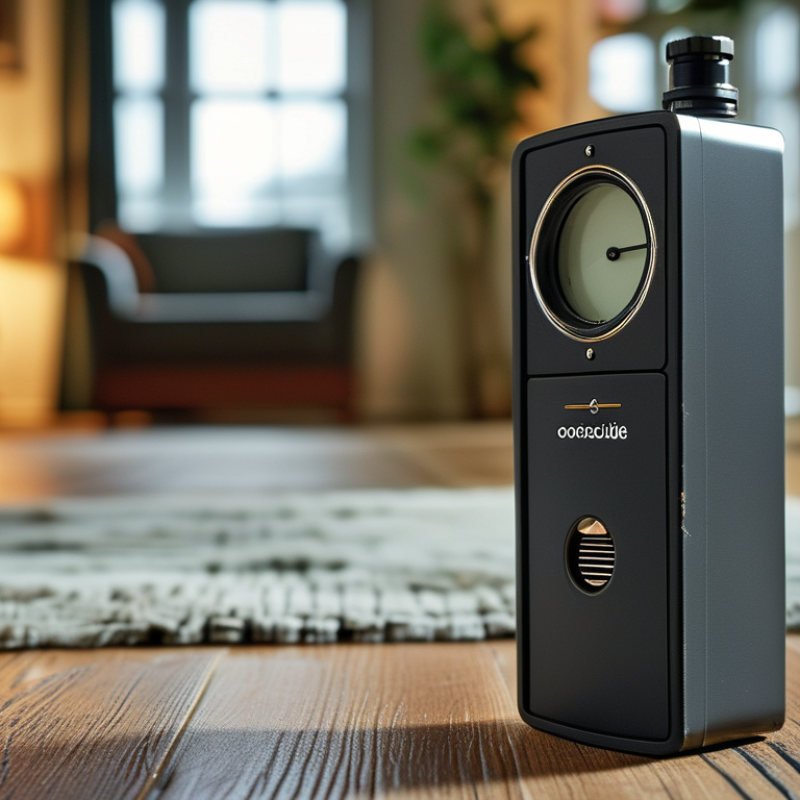
When selecting a carbon monoxide (CO) gas detector for your home, certain features are crucial for effective monitoring. The National Fire Protection Association (NFPA) reports that CO incidents lead to over 400 deaths annually in the U.S. alone. This alarming statistic highlights the importance of reliable CO detectors.
Look for a model with a digital display. This feature shows real-time CO levels. According to the Consumer Product Safety Commission, units that provide numeric readouts can alert users to elevated levels quickly. A detector with both an audible alarm and visual indicators is also vital. It ensures that all household members, even those with hearing impairments, are alerted to danger.
Battery backup is another essential aspect. In case of power outages, detectors with a battery backup continue to function. Research shows that many fatal CO incidents occur during power failures. It’s also wise to choose a detector with a long warranty, often indicating better quality. Opt for models that undergo rigorous testing for reliability and accuracy. Remember, while detectors work effectively, human error can still occur. Regular testing and maintenance are needed for optimal performance.
| Model | Detection Method | Power Source | Audible Alarm | Digital Display | Warranty |
|---|---|---|---|---|---|
| Model A | Electrochemical | Battery | Yes | Yes | 5 years |
| Model B | Semi-conductor | AC Power | Yes | No | 3 years |
| Model C | Electrochemical | Battery | Yes | Yes | 7 years |
| Model D | Infrared | AC Power | Yes | Yes | 5 years |
| Model E | Electrochemical | Battery | Yes | No | 6 years |
| Model F | Semi-conductor | Battery | Yes | Yes | 3 years |
| Model G | Electrochemical | AC Power | No | Yes | 8 years |
| Model H | Infrared | Battery | Yes | No | 5 years |
| Model I | Semi-conductor | AC Power | Yes | Yes | 4 years |
| Model J | Electrochemical | Battery | No | Yes | 6 years |
: CO detectors alert you to dangerous carbon monoxide levels, enhancing household safety.
Install it near sleeping areas, ideally 5 to 6 feet above the ground.
Test the detector monthly by pressing the button to ensure proper function.
Replace batteries at least once a year for optimal performance.
Open windows, evacuate the area, and seek medical help if symptoms occur.
Most CO detectors last around 5 to 7 years before needing replacement.
Symptoms include headaches, dizziness, and confusion; act quickly if they occur.
Choose detectors designed to reduce false alerts while maintaining sensitivity to threats.
Keep it clean, test it often, and monitor for any unusual noises or performance changes.
Proper maintenance ensures the detector functions correctly and enhances your family's safety.
In today's homes, a reliable CO gas detector is essential for ensuring safety against carbon monoxide exposure. When selecting a CO gas detector, key features to consider include sensitivity, response time, and battery life. Leading brands have developed cutting-edge technology that enhances the effectiveness of these detectors, providing peace of mind to homeowners.
This article also presents a comparative review of the top 10 CO gas detectors on the market, offering insights into their functionality and performance. Additionally, it includes valuable installation and maintenance tips to ensure optimal operation of your CO gas detector. Understanding the alarm signals and implementing safety measures for CO exposure are crucial steps in safeguarding your household. Investing in a quality CO gas detector is a proactive measure for maintaining a safe living environment.
