
Top 10 Gas Detectors for Confined Space Entry

Time:2026-09-18 Author:Madeline
0%

Entering a confined space can change within minutes. Oxygen may fall, toxic gases may rise, and vapors can collect near the floor. A reliable Gas Detector For Confined Space is not an optional accessory. It is a primary control for recognizing invisible hazards before they become emergencies.

Dr. Ron Bowles, a respected confined-space safety instructor, offers a practical warning: “Test the atmosphere before entry, and keep testing while the work continues.” That principle shapes this Top 10 Gas Detectors for Confined Space Entry guide. Each detector should support pre-entry testing, continuous monitoring, clear alarms, and dependable calibration practices. A worker standing beside a tank may need to check oxygen, combustible gases, hydrogen sulfide, and carbon monoxide within seconds. The instrument must respond clearly, even through gloves, noise, dust, or low visibility.

No detector is perfect.

Sensor range, battery life, ingress protection, alarm strength, sampling pumps, and data logging all affect field performance. A lightweight model may improve mobility but reduce operating time. A highly featured unit may slow training or complicate maintenance. These trade-offs deserve honest review. Personal experience also matters; a device that performs well in a workshop may behave differently around moisture, temperature changes, or process chemicals.

This guide compares leading options through a safety-focused lens. It considers detection capability, usability, certifications, calibration needs, durability, and total ownership cost. Readers should still follow their site-specific entry procedures and competent-person assessments. The best Gas Detector For Confined Space is the one workers can understand, maintain, and trust before every entry.
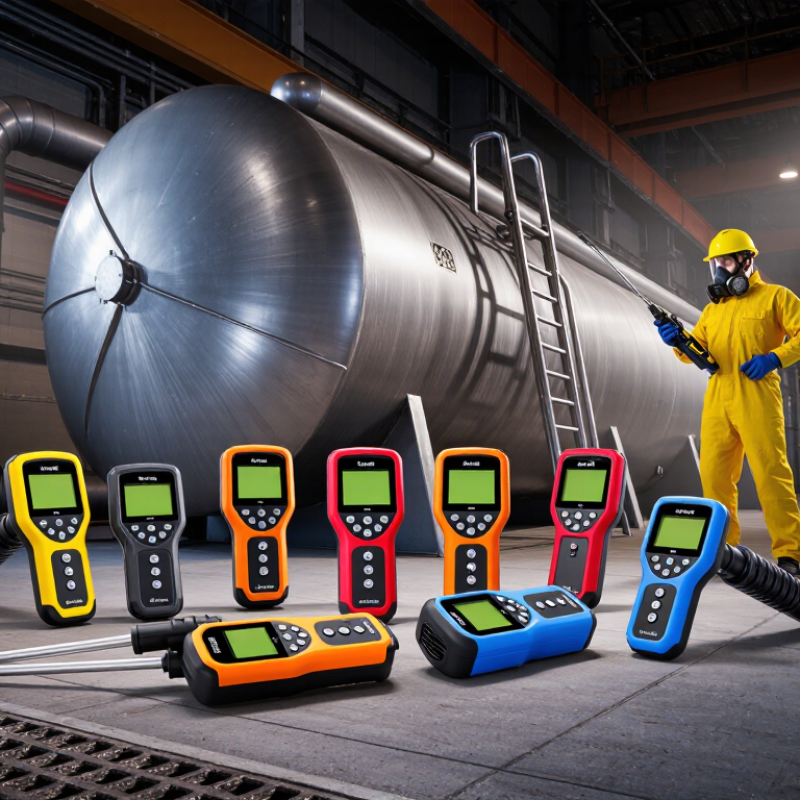
Top 10 Gas Detectors for Confined Space Entry

Confined Space Gas Hazards and Detector Requirements

Top 10 Gas Detectors for Confined Space Entry

Confined spaces can hide oxygen deficiency, toxic gases, and explosive atmospheres. OSHA estimates that 1.6 million workers enter permit-required confined spaces annually, with about 5,000 injuries and 92 fatalities each year. These figures make detector selection a safety decision, not a purchasing detail.

A suitable detector should measure oxygen, combustible gases, hydrogen sulfide, and carbon monoxide.

OSHA defines oxygen below 19.5% as deficient and above 23.5% as oxygen-enriched.

NIOSH identifies 100 ppm hydrogen sulfide and 1,200 ppm carbon monoxide as immediately dangerous concentrations. Gas levels can change quickly. Workers should test from outside, then sample the top, middle, and bottom because gases may layer.

A detector cannot replace ventilation, permits, communication, or a rescue plan. That assumption is dangerous.

Tips: Bump-test the instrument before every shift and calibrate it according to the manufacturer’s schedule. Check alarms in a noisy space, where vibration and lights may be noticed better than sound. Keep sensors away from solvents and moisture. Review alarm settings with a competent safety professional; default settings may not match the actual hazard. Field experience also shows a practical weakness: workers sometimes trust a recent reading too much. Conditions change after welding, cleaning, pumping, or opening a valve. Re-test continuously.

Key Features for Comparing Gas Detectors

Top 10 Gas Detectors for Confined Space Entry: Key Features for Comparing Gas Detectors

Gas detector selection should begin with the atmosphere, not the product label. OSHA requires testing for oxygen, flammable gases, and expected toxic contaminants before entry. Compare sensor ranges, response times, alarm settings, and cross-sensitivity data. Oxygen readings should identify levels below 19.5% or above 23.5%. Flammable readings should support the applicable lower explosive limit assessment. Small differences matter.

NIOSH recorded 1,030 occupational confined-space fatalities in the United States from 2011 to 2018. Its investigations also show that rescuers frequently become victims. A detector needs clear audible, visual, and vibration alarms, especially in noisy tanks or poor lighting. Check alarm volume, event logging, remote display options, and battery endurance. A warning must be noticed quickly.

Calibration and maintenance deserve equal attention. OSHA recommends regular calibration and function checks according to the manufacturer’s instructions and site conditions. Look for simple bump testing, clear calibration records, durable housings, and suitable ingress protection. A detector may pass a checklist and still fail in a cold, wet vessel. I would not rely on battery percentage alone. Temperature, sensor age, blocked filters, and sampling-line length can change performance. That uncomfortable detail is easy to overlook. Compare the full operating routine, not only the purchase specifications.

Top 10 Gas Detectors for Confined Space Entry - Key Features for Comparing Gas Detectors
Rank Detector Type Typical Gas Channels Sensor Technologies Typical Measuring Ranges Typical Battery Runtime Typical Weight Ingress Protection Alarm Functions Best-Fit Confined Space Application
1 Advanced Five-Gas Entry Monitor O₂ LEL H₂S CO VOC Electrochemical oxygen and toxic-gas sensors; catalytic or infrared LEL sensor; photoionization detector for VOCs O₂: 0–30% vol.; LEL: 0–100% LEL; H₂S: commonly 0–100 ppm; CO: commonly 0–500 ppm; VOC: commonly 0–2,000 ppm Approximately 12–18 hours, depending on sensor load, alarms, and wireless use Approximately 0.45–0.75 kg Typically IP65 to IP68 Audible, visual, and vibration alarms; high/low limits; STEL; TWA; over-range; low battery; sensor fault Entry into sewers, tanks, process vessels, utility vaults, and industrial spaces where VOC exposure is possible
2 Standard Four-Gas Personal Monitor O₂ LEL H₂S CO Electrochemical O₂, H₂S, and CO sensors with a catalytic-bead or infrared combustible-gas sensor O₂: 0–30% vol.; LEL: 0–100% LEL; H₂S: commonly 0–100 ppm; CO: commonly 0–500 ppm Approximately 14–20 hours under normal monitoring conditions Approximately 0.20–0.40 kg Typically IP65 or higher Audible, visual, and vibration alarms; STEL/TWA; peak readings; bump-test and calibration reminders Routine confined-space entry where oxygen deficiency, combustible gas, hydrogen sulfide, and carbon monoxide are the primary hazards
3 Pump-Equipped Remote Sampling Monitor O₂ LEL Toxic gases Optional VOC Diffusion or pumped electrochemical sensors, plus catalytic, infrared, or PID technology according to configuration Commonly O₂: 0–30% vol.; LEL: 0–100% LEL; toxic-gas and VOC ranges vary by installed sensor Approximately 8–16 hours with the pump operating continuously Approximately 0.45–0.85 kg, excluding long sampling tubing Typically IP65 to IP68 when the sampling inlet is protected Gas alarms, low-flow alarm, blocked-line alarm, pump fault, sensor fault, STEL/TWA, and data logging Pre-entry testing from outside a space, deep tanks, manholes, pipelines, and areas where direct entry is unsafe
4 Infrared Combustible-Gas Monitor LEL O₂ CO₂ Optional toxic gas Non-dispersive infrared sensing for combustible gases or carbon dioxide; electrochemical sensors for oxygen and toxic gases LEL: commonly 0–100% LEL; CO₂: commonly 0–5% or 0–10% vol.; additional channels depend on configuration Approximately 12–18 hours Approximately 0.30–0.60 kg Typically IP65 to IP68 Audible, visual, and vibration alarms; STEL/TWA where supported; sensor and battery warnings Spaces containing heavy hydrocarbons, carbon dioxide accumulation, or conditions that may poison catalytic combustible-gas sensors
5 Photoionization VOC Monitor VOCs O₂ LEL Optional toxic gas Photoionization detector for volatile organic compounds, combined with electrochemical and combustible-gas sensors VOC: commonly 0–2,000 ppm; O₂: 0–30% vol.; LEL: 0–100% LEL; other ranges depend on sensor selection Approximately 10–18 hours, with shorter runtime possible when a pump is used Approximately 0.35–0.70 kg Typically IP65 or higher Instantaneous, STEL, and TWA alarms; audible, visual, and vibration alerts; lamp and sensor diagnostics Solvent tanks, coating areas, petrochemical spaces, contaminated soil, and confined spaces with potential VOC exposure
6 Compact Three-Gas Monitor O₂ LEL H₂S or CO Electrochemical oxygen and toxic-gas sensors with a catalytic or infrared combustible-gas sensor O₂: commonly 0–30% vol.; LEL: 0–100% LEL; toxic-gas range is commonly 0–100 ppm for H₂S or 0–500 ppm for CO Approximately 14–24 hours Approximately 0.15–0.30 kg Typically IP65 to IP67 Audible, visual, and vibration alarms; peak display; low battery; sensor fault; optional STEL/TWA Short-duration entries and work environments with a clearly defined three-gas hazard profile
7 Single-Gas Personal Alarm H₂S CO O₂ SO₂ Dedicated electrochemical sensor selected for one known atmospheric hazard H₂S: commonly 0–100 ppm; CO: commonly 0–500 ppm; O₂: commonly 0–30% vol.; other ranges vary by sensor Approximately 1–3 years for replaceable-battery versions or several months to two years for rechargeable designs Approximately 0.07–0.20 kg Typically IP65 to IP67 Audible, visual, and vibration alarms; low battery; sensor fault; peak reading; optional STEL/TWA Personal protection against one well-defined toxic-gas hazard; not a substitute for a complete pre-entry atmospheric assessment
8 Wireless Connected Multi-Gas Monitor O₂ LEL H₂S CO Optional VOC Electrochemical, catalytic, infrared, and optional PID sensors with Bluetooth, radio, or cellular connectivity Commonly O₂: 0–30% vol.; LEL: 0–100% LEL; toxic and VOC ranges depend on the installed sensor set Approximately 10–18 hours, depending on communication frequency and network conditions Approximately 0.30–0.65 kg Typically IP65 to IP68 Local alarms plus remote alerts, man-down, no-motion, location sharing, STEL/TWA, and incident data logging Large teams, high-risk permits, lone-worker protection, and operations requiring remote visibility of atmospheric conditions
9 Intrinsically Safe Personal Monitor O₂ LEL H₂S CO Low-energy electrochemical and combustible-gas sensing designed for hazardous locations O₂: commonly 0–30% vol.; LEL: 0–100% LEL; H₂S: commonly 0–100 ppm; CO: commonly 0–500 ppm Approximately 12–24 hours Approximately 0.18–0.40 kg Typically IP65 to IP68 Audible, visual, and vibration alarms; low battery; sensor fault; STEL/TWA; hazardous-area approval marking Petroleum, chemical, wastewater, and other potentially explosive atmospheres where certified intrinsic safety is required
10 Area Monitor with Optional Pump O₂ LEL H₂S CO CO₂ Interchangeable electrochemical, catalytic, infrared, or PID sensors; diffusion or pumped sampling Commonly O₂: 0–30% vol.; LEL: 0–100% LEL; toxic, CO₂, and VOC ranges depend on configuration Approximately 10–24 hours; longer operation may be possible with external power options Approximately 0.60–1.50 kg Typically IP65 to IP67 High-intensity lights, loud audible alarms, vibration, remote alerts, gas trend display, STEL/TWA, and event logging Monitoring the entrance, staging area, or surrounding work zone while personnel are inside a confined space

Note: The specifications shown are representative ranges for commonly available detector configurations. Actual performance, sensor range, battery life, ingress rating, hazardous-area certification, calibration interval, and alarm limits must be verified against the instrument’s current technical documentation and the applicable workplace requirements.

Top 10 Gas Detectors for Confined Space Entry

Top 10 Gas Detectors for Confined Space Entry

The best gas detector is not always the most expensive model. It must match the space, hazards, and entry plan. OSHA recorded 1,030 occupational confined-space deaths from 2011 through 2018. That figure makes atmospheric testing a serious control, not a paperwork exercise. OSHA 29 CFR 1910.146 requires testing for oxygen, flammable gases, and toxic contaminants before entry.

The top ten detector choices cover different field needs. Four-gas diffusion meters suit routine oxygen, combustible gas, carbon monoxide, and hydrogen sulfide checks. Pumped four-gas meters sample deep tanks before a worker enters. Photoionization detectors identify many volatile organic compounds. Oxygen-only monitors serve spaces with suspected oxygen displacement. Toxic-gas monitors target chemicals such as ammonia or chlorine. Infrared sensors can measure combustible gases with reduced oxygen dependence. Personal monitors protect one worker at breathing height. Area monitors warn teams around an opening. Wireless units support remote alarms and exposure records. Intrinsically safe models suit hazardous locations when properly certified.

I have learned that sensor count alone proves little. A pump needs a clear sample path. A display must remain readable under dust and glare. NIOSH FACE investigations repeatedly show that changing atmospheres can defeat an earlier “safe” reading. Bump testing, calibration, fresh filters, and pre-entry sampling matter. They are easy to skip. That is the uncomfortable part. A detector can be technically excellent, yet operationally useless when nobody checks its response, battery, or alarm settings. Calibration records should identify the instrument, gas, date, and technician.

Sensor Types, Alarms, and Detection Performance

Top 10 Gas Detectors for Confined Space Entry

Sensor choice determines how quickly a hazard becomes visible. Electrochemical sensors measure oxygen, carbon monoxide, and hydrogen sulfide. Catalytic-bead sensors detect combustible gases, but they need oxygen to work correctly. Infrared sensors can measure methane or carbon dioxide without consuming oxygen. Photoionization sensors are useful for many volatile organic compounds, although humidity and compound selection can affect readings. OSHA defines oxygen deficiency as below 19.5% and oxygen enrichment as above 23.5%. These limits should guide alarm settings, not replace a site-specific assessment.

Tips: Use a four-gas detector for routine screening. Add PID or infrared sensing when the permit identifies VOCs or oxygen-displacing gases. Perform a bump test before each shift, then calibrate according to the manufacturer’s instructions and site risk review. Check response time with the actual test gas. Small details matter.

Alarm performance is more than loudness. Workers need visible, audible, and vibrating alerts, especially near pumps or heavy machinery. NIOSH’s Pocket Guide lists hydrogen sulfide as immediately dangerous to life or health at 100 ppm, while carbon monoxide is listed at 1,200 ppm. These values are not normal alarm targets. Lower warning levels usually provide more escape time. Cross-sensitivity, sensor poisoning, temperature, and delayed diffusion can still produce misleading results. I have seen teams trust a stable display too quickly. A detector can look calm while conditions change above the entry point. Continuous monitoring, remote sampling, and a trained attendant reduce that blind spot, but they do not remove it.

Calibration, Testing, and Safe Detector Use

Top 10 Gas Detectors for Confined Space Entry

Calibration, Testing, and Safe Detector Use

A reliable gas detector is only as trustworthy as its testing routine. OSHA reports that over 1.6 million workers enter permit-required confined spaces annually. It also states that about 60% of confined-space fatalities involve would-be rescuers. These figures make calibration and pre-entry checks essential, not optional.

Before entry, inspect the housing, sensors, filters, battery, alarm indicators, and sample tubing. Perform a documented bump test using certified test gas. The test should confirm sensor response, audible alarms, visual signals, vibration, and pump operation. A bump test does not replace full calibration. Calibration adjusts sensor accuracy after drift, contamination, or failed testing. Follow the detector’s instructions and the gas supplier’s expiration date. Test the atmosphere from outside first, sampling high, middle, and low levels. Oxygen deficiency, flammable gases, and toxic gases can layer differently.

Tips: Keep records.

Record the date, gas concentration, results, and technician. Store detectors in a clean, dry location. Never rely on a recent calibration certificate alone; harsh heat, moisture, and chemical exposure can change performance. NIOSH fatality investigations repeatedly identify atmospheric hazards and rescue decisions as major contributors. A perfect procedure is unlikely. Review missed alarms, delayed sampling, and confusing displays after every entry. The safest detector is the one workers understand, test correctly, and are willing to remove from service when results look wrong.

Top 10 Gas Detectors for Confined Space Entry

Reference alarm and exposure points for detector selection, calibration, testing, and safe atmospheric monitoring. Values are based on commonly used OSHA and NIOSH limits; always verify site-specific requirements and instrument settings before entry.

The logarithmic scale accommodates different measurement units and ranges. Oxygen and flammable-gas values are shown as % by volume or %LEL; toxic-gas values are shown in ppm. Test instruments before use, perform a bump test according to the manufacturer’s instructions, calibrate at the required interval, and continuously monitor where conditions may change.

References: OSHA 29 CFR 1910.146, Permit-Required Confined Spaces; NIOSH Pocket Guide to Chemical Hazards.

FAQS

What gases should a confined-space detector measure?

A routine detector should measure oxygen, combustible gases, hydrogen sulfide, and carbon monoxide. Oxygen below 19.5% indicates deficiency. Above 23.5% indicates enrichment.

Where should workers test the atmosphere?

Test from outside before entry. Sample the top, middle, and bottom. Gases can collect in different layers. Re-test after welding, cleaning, pumping, or opening a valve.

Is a four-gas detector always enough?

Not always. Add VOC or infrared sensing when the work permit identifies unusual vapors or oxygen-displacing gases. Choosing sensors without reviewing the hazard can create a false sense of safety.

What should happen before every work shift?

Inspect the case, sensors, filter, battery, tubing, and alarm indicators. Perform a documented bump test with certified test gas. Small checks prevent large surprises.

Does a bump test replace calibration?

No. A bump test confirms that alarms and sensors respond. Calibration corrects sensor drift or contamination. Follow the instrument schedule and test-gas expiration date.

Which alarm types are important?

Use audible, visual, and vibrating alarms. Loud pumps may hide sound alerts. Flashing lights and vibration can still attract attention. But every worker must understand the signals.

Can a stable detector reading prove the space is safe?

No. Conditions may change above an entry point or after nearby work begins. Continuous monitoring, remote sampling, and an attentive attendant reduce this blind spot. They do not eliminate it.

How should detectors be stored and reviewed?

Store them in a clean, dry location away from solvents and moisture. Record test dates, gas concentrations, results, and technicians. Review missed alarms and confusing displays after each entry. Perfect procedures are unlikely.

Conclusion

Choosing the right Gas Detector For Confined Space entry is essential for identifying invisible hazards before workers enter or remain in an enclosed area. This guide explains common atmospheric risks, including oxygen deficiency or enrichment, toxic gases, and combustible vapors, while outlining the detector requirements needed for reliable protection. It also presents ten practical detector options based on measurement capability, portability, durability, alarm clarity, battery life, and ease of use.

The comparison focuses on sensor types, detection ranges, response performance, audible, visual, and vibration alarms, and suitability for different work environments. It also highlights the importance of regular calibration, bump testing, inspection, and proper storage to maintain accuracy. By understanding these features and following safe operating procedures, users can select and use a detector more confidently, support effective entry planning, and improve atmospheric monitoring throughout confined space work.

Madeline

Madeline

Madeline is a dedicated marketing professional with a wealth of expertise in our company's core offerings. With a keen understanding of the industry, she brings a unique perspective to her role, consistently delivering high-quality content that highlights the superior aspects of our products. As......