
An Lp Gas Leak Detector is a compact safety device designed to sense propane and other liquefied petroleum gases before a leak becomes a serious hazard. LP gas is heavier than air, so it can collect near floors, appliance bases, pits, and poorly ventilated corners. The detector draws nearby air across a sensing element, such as a semiconductor or catalytic sensor. When gas concentration approaches a programmed alarm threshold, it activates a loud alarm, warning light, or connected safety system.
The need is practical, not theoretical. The U.S. Energy Information Administration identifies propane as a widely used fuel for residential heating, cooking, and rural applications. NFPA 58, Liquefied Petroleum Gas Code, provides detailed guidance for safe storage, handling, installation, and ventilation. UL 1484 also establishes safety requirements for residential gas detectors. These standards support careful product selection, but they do not replace professional installation or regular testing.
No detector is perfect. Placement matters. A unit hidden behind a cabinet may respond too slowly, while dust, moisture, or aging sensors can reduce reliability. The U.S. Fire Administration repeatedly emphasizes routine inspection, ventilation, and safe appliance practices in its fuel-gas safety guidance. A trustworthy Lp Gas Leak Detector should therefore be viewed as one layer of protection, not the only safeguard. Understanding how it senses gas, where it should be mounted, and how its alarm behaves can make a quiet basement or enclosed utility room significantly safer. Some details still require local code review.
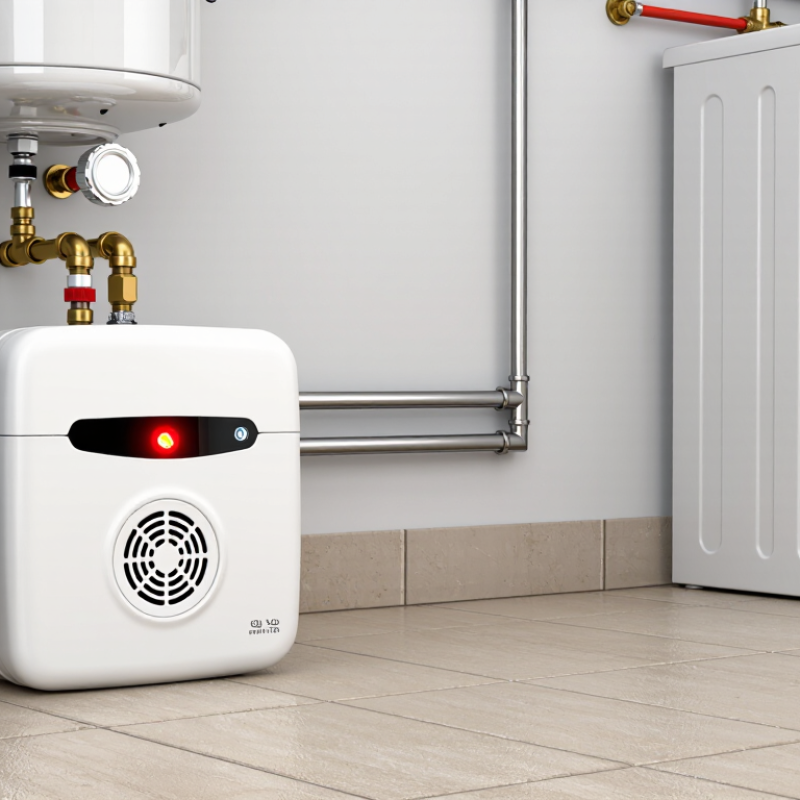
An LP gas leak detector is a safety device that senses propane or butane in indoor air. LP gas means liquefied petroleum gas, commonly used for cooking, heating, and outdoor appliances. Because LP gas is heavier than air, it can collect near floors, drains, or other low spaces. A detector provides an early warning before the concentration becomes dangerous.
Most detectors use a sensing element that reacts to combustible gas molecules. When the measured level reaches a programmed threshold, the unit activates a loud alarm, often with a flashing indicator. The purpose is simple: alert people quickly so they can leave the area, avoid flames or switches, and contact qualified help. It does not remove the gas.
Placement matters. A sensor should be installed near likely leak sources and at a suitable low height, following the manufacturer’s instructions. It should not be hidden behind furniture or placed where water and heavy airflow could affect readings. Regular testing is essential. A silent detector may still have a dead battery, blocked sensor, or expired service life.
A detector is not a perfect guardian. It may not identify every leak immediately, especially after poor placement or neglected maintenance. The smell added to LP gas can provide another warning, but relying only on smell is unsafe. People can become less sensitive to odors, and ventilation may dilute the scent. A practical inspection should include connections, hoses, batteries, and alarm performance. Each detail matters.
An LP gas leak detector monitors the concentration of liquefied petroleum gas in the air. For propane, the lower explosive limit (LEL) is approximately 2.1% by volume. The chart shows common concentration milestones expressed as a percentage of the propane LEL.
Sensors typically detect combustible gas concentrations and activate an audible or visual warning when a configured threshold is reached. A reading near 100% LEL means the gas concentration has reached the level at which ignition can produce an explosive mixture. Alarm settings vary by detector design, application, and safety standard.
An LP gas leak detector monitors the air for propane or butane vapors. These gases are heavier than air, so leaked vapor can collect near floors, pits, or low cabinets. The detector does not identify a leak’s exact source. It warns occupants when gas concentration reaches a dangerous level.
Its main components include a sensing element, sampling chamber, control circuit, alarm, power supply, and test button. Some models also include a relay for ventilation or emergency shutdown systems. A catalytic bead sensor oxidizes gas on a heated surface and measures the resulting temperature change. Semiconductor sensors detect changes in electrical resistance when gas contacts a sensitive material. Infrared sensors measure how gas absorbs specific light wavelengths. They usually provide stable readings, but they cost more. No sensor is perfect.
The alarm circuit compares sensor readings with programmed thresholds. If the concentration rises, a siren and visual indicator activate. Battery backup helps during power interruptions. A sealed housing can protect internal parts from dust and moisture, though protection has limits. During inspection, check the alarm, power source, vents, and sensor age. Test spray should follow the manufacturer’s instructions, not household chemicals. Poor placement can delay detection. Low-level installation is often useful, but local guidance and the appliance layout still matter. A detector can become less reliable through contamination, corrosion, or careless cleaning. This detail is easy to overlook.
An LP gas leak detector monitors the air for propane or butane vapor. NIOSH lists propane’s lower explosive limit at about 2.1% by volume. That level is dangerous, even before visible flames appear.
Most detectors use a semiconductor or catalytic-bead sensor. Gas molecules reach the sensing element and change its electrical resistance. The circuit measures that change and triggers an alarm after reaching a preset concentration. Some models also use temperature compensation to reduce false alarms.
LP gas vapor is about 1.5 times heavier than air, according to safety data referenced by NIOSH. It can collect near floors, drains, or appliance bases. Install the detector low, but follow the product’s required height and spacing. NFPA 58 and UL 1484 provide important guidance for LP gas storage and residential gas detectors.
Tips: Place a detector near, but not directly above, an LP appliance. Keep it away from windows, vents, and strong airflow. Test the alarm monthly using its test button. Replace batteries on schedule. A test button checks the electronics, not the sensor’s gas response. That detail is easy to miss.
Never search for a leak with a flame. If you smell the odorant, hear hissing, or see an alarm, leave immediately and contact qualified emergency personnel. Do not operate switches indoors. No sensor is perfect; damaged wiring, blocked airflow, or expired sensing elements can weaken protection.
An LP gas leak detector monitors the air for propane or butane vapors. These gases are heavier than air, so they often collect near floors, pits, and enclosed corners. A sensor may use a catalytic, semiconductor, or infrared principle to identify rising gas concentration.
The alarm signal usually includes a loud buzzer and flashing light. Some units also send a relay signal to ventilation or shutoff equipment. Sound alone is not enough in a noisy room. In practical inspections, placement matters as much as sensor quality. A detector mounted too high may respond late. Keep it near likely leak points, but follow the installation instructions.
Response time depends on gas concentration, airflow, temperature, and sensor condition. A small leak in still air may take longer to reach the sensing chamber. A strong leak can trigger an alarm within seconds. Many detectors alarm at a percentage of the lower explosive limit, often around 10–20%, but settings differ. Check the technical label.
Detection limits are not absolute. Dust, humidity, aging, blocked vents, or poor calibration can weaken the reading. A quiet detector does not prove that the air is safe. Never ignore a gas smell or physical symptoms. Leave the area, avoid sparks and switches, and contact qualified emergency services. Test the alarm regularly. Batteries fail. Sensors drift. Even reliable equipment needs a second look.
An LP gas leak detector monitors the air for propane or other liquefied petroleum gases. LP gas is heavier than air, so a leak may collect near the floor. Install the detector in a low, unobstructed location recommended by its instructions. Keep it away from windows, fans, vents, cooking appliances, and damp areas. These locations can dilute gas or trigger false alarms. Use approved wiring and follow local safety requirements. If you are unsure about electrical work, contact a qualified technician.
Testing should be practical, not occasional guesswork. Press the test button according to the manual and confirm the alarm sounds clearly. Never release gas to test a detector. Check the power indicator, battery compartment, and sensor warning light. A weak battery can create false confidence. It is easy to forget this during a busy month.
During maintenance, keep the openings free from dust and paint. Wipe the housing with a dry or slightly damp cloth, never with solvents. Replace batteries on the recommended schedule, even when the detector appears normal. Sensors also have a limited service life, so record the installation date. I once treated a quiet detector as a reliable one, but its expired sensor had changed the situation. If the alarm activates, avoid switches, flames, and phones inside the area. Leave immediately, then contact emergency services or a qualified gas professional from a safe location.
It senses propane or butane in indoor air.
LP gas is heavier than air.
Install it near likely leak sources, in a low, open location.
Press the test button according to the instructions.
Test it regularly, not only after months of silence.
Avoid flames, electrical switches, and phones inside the area.
No. Odor may be diluted by ventilation, or people may notice it less.
It may have a dead battery, blocked sensor, or expired service life.
An Lp Gas Leak Detector is a safety device designed to identify the presence of liquefied petroleum gas in homes, workplaces, vehicles, and other enclosed areas. Its main purpose is to provide early warning before leaked gas reaches a dangerous concentration. Depending on the design, the detector may use a semiconductor, catalytic, or infrared sensing element to recognize gas in the surrounding air. When gas enters the sensing chamber, the sensor detects changes in its properties and sends a signal to the control circuit.
After detection, the device activates an audible and visual alarm, often within seconds, depending on the gas concentration, airflow, and detector sensitivity. Detection limits vary by model, so proper placement is important, especially near potential leak sources and in areas where gas may collect. Users should follow the installation instructions, keep the sensor unobstructed, test the alarm regularly, and replace batteries or sensing components as required. If an alarm sounds, avoid flames, switches, and electrical equipment, leave the area, and contact qualified emergency assistance.
