
H2S Sensor Tips for Choosing the Best Options for Your Needs?

Time:2026-08-09 Author:Ethan
0%

The importance of choosing the right H2S sensor cannot be overstated. As safety in various industries depends on accurate detection of hydrogen sulfide gas, expert insights prove invaluable. Dr. Emily Carter, a recognized authority in gas detection technology, once stated, "Selecting the proper H2S sensor is crucial for ensuring workplace safety." This highlights the critical nature of informed choices in sensor selection.

When faced with numerous options, making the right decision can be challenging. Factors such as sensitivity, response time, and environmental compatibility play significant roles. Each application demands different specifications. It’s not just about obtaining a sensor; it’s about ensuring it meets specific needs. A poorly chosen H2S sensor could lead to inadequate detection and potential safety hazards.

This landscape is rife with options, making it essential to reflect on one's requirements. Not every sensor suits every environment. Potential users must ponder their individual circumstances. Understanding the nuances of sensor technology is key. It may be beneficial to consult experts to guide this decision-making process. Prioritizing safety necessitates investing time and resources into selecting the best H2S sensor.
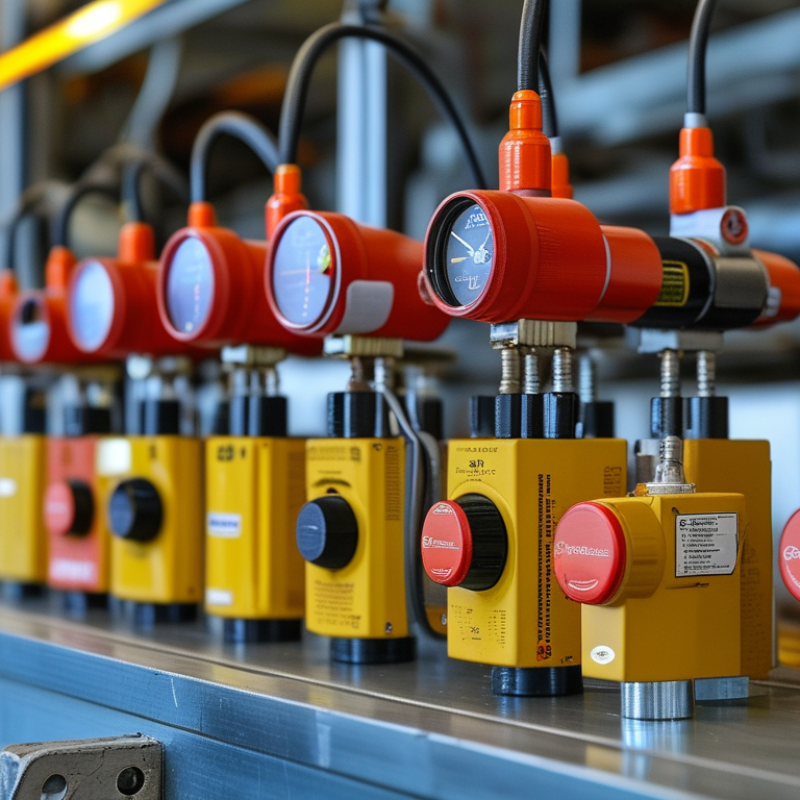
H2S Sensor Tips for Choosing the Best Options for Your Needs?

Understanding Hydrogen Sulfide (H2S) and Its Risks

Hydrogen sulfide (H2S) is a colorless gas with a distinctive rotten egg smell. It is highly toxic and poses significant health risks. Even low concentrations can cause irritation to the eyes, nose, and throat. Prolonged exposure may lead to more severe symptoms, including respiratory distress. Understanding these dangers is crucial for anyone working in environments where H2S may be present.

H2S risks are not limited to industrial settings. They can also affect sewage workers, petroleum refiners, and agricultural employees. Detection of H2S is vital for safety. Reliable sensors can provide early warnings, reducing the risk of serious health issues. Choosing the right sensor involves evaluating the concentration levels typical for your environment. The importance of regular maintenance can’t be overlooked. A neglected sensor may fail when needed most.

Awareness of H2S and its effects should lead to careful planning. Training and safety protocols are essential to mitigate risks. Workers must understand the limitations of their equipment. Even with technology, human oversight is always necessary. Regular drills and education about H2S hazards can empower individuals to act swiftly in an emergency.

Types of H2S Sensors: Comparing Technologies

When selecting H2S sensors, understanding the types and technologies available is crucial. H2S sensors vary significantly in design and functionality. Electrochemical sensors are widely used due to their sensitivity and quick response times. They can detect low concentrations of hydrogen sulfide, making them ideal for many industrial applications. According to industry reports, these sensors offer detection levels as low as 1 ppm.

Another popular technology is the metal oxide semiconductor (MOS) sensor. MOS sensors work by measuring changes in electrical resistance when exposed to H2S. These types of sensors are often more durable and have a longer lifespan than their electrochemical counterparts. However, they may require regular calibration to maintain accuracy. A recent study highlights that MOS sensors can experience a drift in sensitivity over time, which is a critical consideration during deployment.

Fiber optic sensors present a more advanced option. They provide real-time monitoring and are less affected by environmental factors. However, their complexity and higher costs might not fit all budgets. Understanding these technologies allows users to make well-informed choices for specific needs, balancing cost against reliability and accuracy. It is essential to evaluate your particular environment and application to select the best H2S sensor.

Key Features to Consider When Selecting H2S Sensors

Choosing the right H2S sensor can be a daunting task. There are many factors to consider to ensure it meets your specific needs. One crucial feature is sensitivity. A sensor needs to detect low levels of hydrogen sulfide effectively, ensuring safety. This is especially important in industrial environments. Too high or too low sensitivity can lead to missed detections or false alarms.

Another key aspect is response time. Sensors should react quickly to changing gas concentrations. A delay in detection could have serious consequences. Additionally, consider the power source. Some sensors use batteries, while others are hardwired. Battery-operated systems offer portability, but require regular maintenance.

Durability is also essential. H2S sensors face harsh conditions in many applications. Look for models with robust designs that can withstand weather extremes and impacts. Calibration features are another critical point. Regular calibration ensures accuracy. Be wary of sensors that require extensive technical expertise for routine checks. A user-friendly design can save time and reduce errors in maintenance.

H2S Sensor Tips for Choosing the Best Options for Your Needs

Feature Description Importance Level
Sensitivity Ability to detect low levels of H2S gas. High
Response Time Time taken to respond to the presence of H2S. Medium
Calibration Ease of calibration for accuracy. High
Durability Resistance to harsh environmental conditions. Medium
Power Source Type and longevity of power source (e.g., battery, rechargeable). High
Portability Weight and ease of transport. Medium
Alarm System Sound or visual alarms for alerts. High

Selecting the Right H2S Sensor for Your Environment

Selecting the right H2S sensor is crucial for safety and efficiency in various work environments. Hydrogen sulfide (H2S) is a highly toxic gas, and its sensor plays a vital role in detecting concentrations that could pose risks. According to the National Institute for Occupational Safety and Health (NIOSH), levels as low as 10 parts per million (ppm) can cause significant health issues. Understanding your environment’s specific needs is essential, as different sensors suit various applications.

Consider factors like sensitivity and response time. High-sensitivity sensors can detect lower concentrations of H2S. A report from the Occupational Safety and Health Administration (OSHA) notes that quick response times can be critical in preventing exposure. Sensor placement also matters. Areas with poor ventilation or potential gas leaks demand strategic sensor locations for effective monitoring.

Moreover, the choice of calibration and maintenance is essential. Regular calibration ensures accuracy. However, some sensors require frequent recalibrations, which can be a flaw in their design. Investing in sensors with user-friendly calibration features is a step towards better reliability. Understanding these details helps in selecting the right tool to mitigate risks effectively.

Maintenance and Calibration Tips for H2S Sensors

Maintaining and calibrating H2S sensors is crucial for accurate readings. Regular maintenance ensures the sensor operates effectively. Check the manufacturer's guidelines for scheduling requirements. Many sensors need recalibration every few months, especially in industrial settings. Environmental factors can affect the accuracy of readings, so it's essential to adapt the schedule based on usage.

Calibration involves adjusting the sensor to a known standard. Use a calibration gas that closely matches the expected H2S concentration. This step can be tricky. Follow safety protocols to avoid exposure to harmful gases. Make sure the sensor is properly cleaned beforehand. Dirty sensors may provide unreliable data.

Regularly monitor the sensor's performance. Watch for sudden changes in readings, which can indicate malfunction. Inconsistent results can represent a larger issue. Consider keeping records of all maintenance activities. Documenting this can identify patterns over time. It can also help in case any discrepancies arise. Learning from these records can help improve overall sensor management.

FAQS

: What key feature should I consider when choosing an H2S sensor?

: Sensitivity is crucial. It must detect low levels of hydrogen sulfide accurately to ensure safety.

Why is response time important in H2S sensors?

Quick response times can prevent dangerous exposure to changing gas concentrations. Delays can have serious consequences.

What type of power source should I choose for H2S sensors?

Consider battery-operated for portability. However, hardwired systems may require less maintenance over time.

How durable should an H2S sensor be?

Look for robust designs that can endure harsh conditions, like extreme weather and impacts.

What are calibration features, and why do they matter?

Regular calibration ensures accuracy. Sensors needing frequent recalibration can be inconvenient and lead to errors.

How does sensor placement impact effectiveness?

Strategic placement is vital. Areas with poor ventilation or gas leaks need careful sensor positioning for effective monitoring.

Can I install H2S sensors myself?

Some sensors are user-friendly, but others may require technical expertise for calibration and maintenance. Consider your skill level.

What is the risk of choosing an overly sensitive H2S sensor?

Too high sensitivity can lead to false alarms, causing unnecessary disruptions. Balance is key.

What should I look for in terms of maintenance needs?

Select sensors that are easy to maintain and don’t require extensive technical knowledge for routine checks.

Is there a downside to battery-operated H2S sensors?

Yes, they require regular maintenance and battery replacements for continued reliability.

Conclusion

When selecting an H2S sensor, it is crucial to understand the properties and risks associated with hydrogen sulfide. This toxic gas poses significant threats in various environments, making effective monitoring essential. There are different types of H2S sensors available, each utilizing distinct technologies, which necessitate a careful comparison based on their sensitivity, response time, and reliability.

Key features to consider when choosing an H2S sensor include the sensor's durability, accuracy, and ease of maintenance. Additionally, selecting the right sensor must align with the specific environmental conditions in which it will be deployed, as factors such as temperature and humidity can impact performance. Regular maintenance and calibration are also vital to ensure that H2S sensors operate efficiently and provide accurate readings, safeguarding personnel and property from potential hazards.

Ethan

Ethan

Ethan is a seasoned marketing professional with a deep expertise in our company's innovative product line. With a passion for sharing knowledge and insights, he takes the lead in regularly updating our corporate blog, where he explores industry trends, product features, and effective marketing......