
When selecting an H2s gas sensor, important considerations arise. Understanding these factors ensures safety and efficiency. A reliable H2s gas sensor can detect harmful levels of hydrogen sulfide. This gas is often associated with industrial processes and can pose serious health risks. Choosing the right sensor involves more than just picking a brand.
You should reflect on the environment in which the sensor will be used. Different sensors offer varying levels of sensitivity and range. Some may excel in high concentrations, while others are better for low-level detection. Make sure to also consider ease of use. A user-friendly interface enhances overall efficiency and reduces errors.
Furthermore, the sensor’s maintenance needs should not be overlooked. Regular calibration is essential for accurate readings. Over time, even the best sensors can drift from their settings. This could lead to dangerous situations if not managed properly. Take your time in selecting an H2s gas sensor tailored to your specific requirements. The right choice is crucial for safety and productivity in your operations.
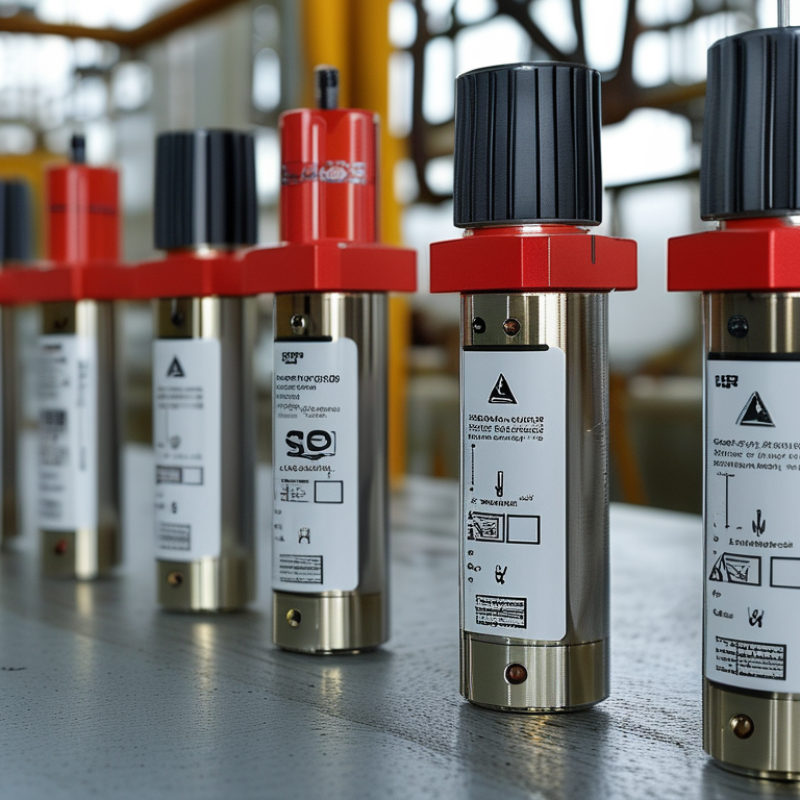
H2S gas sensors play a vital role in ensuring safety in various environments. These sensors detect hydrogen sulfide gas, a highly toxic substance. Understanding how they work is essential for making informed decisions.
H2S gas sensors can be categorized into two main types: electrochemical and metal oxide semiconductors. Electrochemical sensors offer high sensitivity and quick response times. However, they require regular calibration. This means you need to invest time in maintenance. Metal oxide sensors are generally more robust but can be less accurate in lower concentration levels. They may not be the best choice if accuracy is your main concern.
When selecting an H2S gas sensor, it is crucial to consider the environment. Factors like temperature, humidity, and potential exposure to other gases can influence sensor performance. Some sensors may struggle in extreme conditions. Researching specifications and user reviews can provide insight. However, remember that no sensor is perfect. Be prepared to recalibrate and maintain your device regularly for optimal performance.
When selecting an H2s gas sensor, it’s crucial to identify specific application requirements. Consider the environment where the sensor will operate. Will it be in a confined space or an outdoor area? The sensor must adapt to different conditions. Be aware of the temperature range and humidity levels. These factors impact sensor performance significantly.
Tips: Always evaluate the monitoring range needed for your application. A sensor with a broader detection range can cover more ground. However, a narrower range may offer enhanced accuracy. Analyze how often you need real-time monitoring. Continuous monitoring is crucial in high-risk environments.
Next, think about integration with existing systems. Can the sensor easily connect to your current safety protocols? Ensure it communicates effectively with alarms and control systems. Evaluate ease of installation and maintenance. A complex setup can lead to errors and reduced reliability. It's wise to seek advice from professionals. Sometimes, expert input reveals potential gaps in your approach that you might miss.
When selecting an H2S gas sensor, understanding sensor types and technologies is crucial. There are primarily three types of sensors to consider: electrochemical, semiconductor, and catalytic. Electrochemical sensors are popular for their sensitivity and selective measurement of hydrogen sulfide. These sensors provide real-time data, crucial for safety in industries like oil and gas. According to the International Occupational Safety and Health Information Centre, about 1.6 million workers are exposed to hazardous gases annually.
Semiconductor sensors use tin dioxide and offer a cost-effective alternative. However, they may be less reliable in high humidity. Catalytic sensors detect combustible gases through oxidation and are highly effective for explosive environments. Each type has specific advantages and potential drawbacks. Consider your operational environment and the sensor’s performance specifications before choosing.
Tip: Always review sensor calibration and maintenance requirements. Regular checks ensure accurate readings and prolonged sensor lifespan.
Another important factor is response time. Electrochemical sensors typically react within seconds, while others may require longer. Analyzing your requirements will help you select the right technology for effective monitoring.
Tip: Test several sensors in your environment to assess their performance before making a final decision. Understanding these technologies gives you the tools for a more informed choice.
This chart compares different types of H2S gas sensors based on their detection ranges in parts per million (ppm). The detection range is crucial in selecting the right sensor for specific applications.
When selecting an H2s gas sensor, it’s important to evaluate key features that matter most. Look for sensitivity levels that fit your environment. A sensor that detects lower concentrations might be necessary for sensitive applications. Consider the response time as well; quicker response times can save lives in critical situations.
Battery life is another crucial aspect. You want a sensor that lasts long enough for your needs, without frequent changes. Many models come with built-in alerts for low battery. This feature can indicate when it's time to replace the unit.
Portability is also worth pondering. Some sensors are compact and lightweight, making them ideal for fieldwork. Others may be bulkier but offer enhanced performance. Think about the balance between size and functionality. Reflecting on your specific usage can guide you to the best choice.
In the end, selecting the right H2s gas sensor is not just about picking features. It’s about understanding your situation and adapting to it. Be ready to reassess your needs regularly to ensure reliability.
When selecting an H2S gas sensor, budget and maintenance are crucial factors. Pricing can vary widely. Entry-level sensors may cost as little as $100, while advanced models can exceed $1,000. A 2022 report from the Combustion Safety Association notes that companies should expect to spend about 5-10% of the sensor's cost on maintenance annually. This highlights the importance of considering long-term expenses alongside initial purchase prices.
Maintenance also plays a significant role in sensor reliability. Regular calibration is essential for accuracy. Some experts suggest calibrating every month, while others recommend quarterly intervals. This process can add up, so businesses must factor in costs for equipment and labor. According to the American Industrial Hygiene Association, improper maintenance can lead to a 20% increase in false readings. This directly affects workplace safety, emphasizing that choosing a sensor is not just about price but also about ensuring it performs effectively over time.
: Look for sensitivity levels, response time, and battery life tailored to your environment.
A quicker response time can be life-saving in critical situations.
Opt for a sensor that lasts long enough, ideally with low battery alerts for convenience.
Yes, balance portability with performance. Think about where and how you will use it.
Prices range from around $100 to over $1,000 based on features and specifications.
Plan to spend about 5-10% of the sensor's cost on maintenance every year.
It ensures accuracy. Improper maintenance can increase false readings and compromise safety.
Calibration frequency varies; experts suggest monthly or quarterly, depending on usage.
Neglect can lead to a significant rise in false readings, impacting safety.
No, it requires understanding your specific needs and regularly reassessing them.
When selecting the best H2s gas sensor for specific needs, understanding the fundamentals of how these sensors operate is crucial. It is essential to identify the unique application requirements—such as the environment, sensitivity, and response time—before making a decision. A comparison of the various types and technologies available can help narrow down options, ensuring that the selected sensor aligns with operational demands.
In addition to technical specifications, evaluating key features such as durability, accuracy, and ease of use is important. Finally, considerations regarding budget and maintenance can significantly influence the overall choice, as ongoing maintenance is necessary to ensure reliability and performance. By carefully assessing these factors, users can select the most suitable H2s gas sensor for their specific circumstances.
