
2026 How to Choose the Best H2s Gas Monitor for Safety

Time:2026-08-05 Author:Madeline
0%

Choosing the right H2s Gas Monitor is critical for safety in various industries. According to Dr. John Smith, a leading expert in gas detection technology, “Your choice of a gas monitor could be the difference between life and death.” This underscores the importance of informing oneself thoroughly about the options available.

H2s Gas Monitors vary in features, sensitivity, and reliability. Some models may seem appealing at first glance but fail under real-world conditions. Consider factors such as calibration frequency and battery life. Many users overlook these details. A monitor that cannot withstand the working environment is a waste of resources.

Moreover, understanding the specific needs of your worksite is crucial. Each setting poses different risks, from oil fields to confined spaces. Familiarizing yourself with various models can be daunting. However, investing time in research enhances safety. Ensuring you select an H2s Gas Monitor tailored to your needs will significantly impact your team's security in hazardous environments.
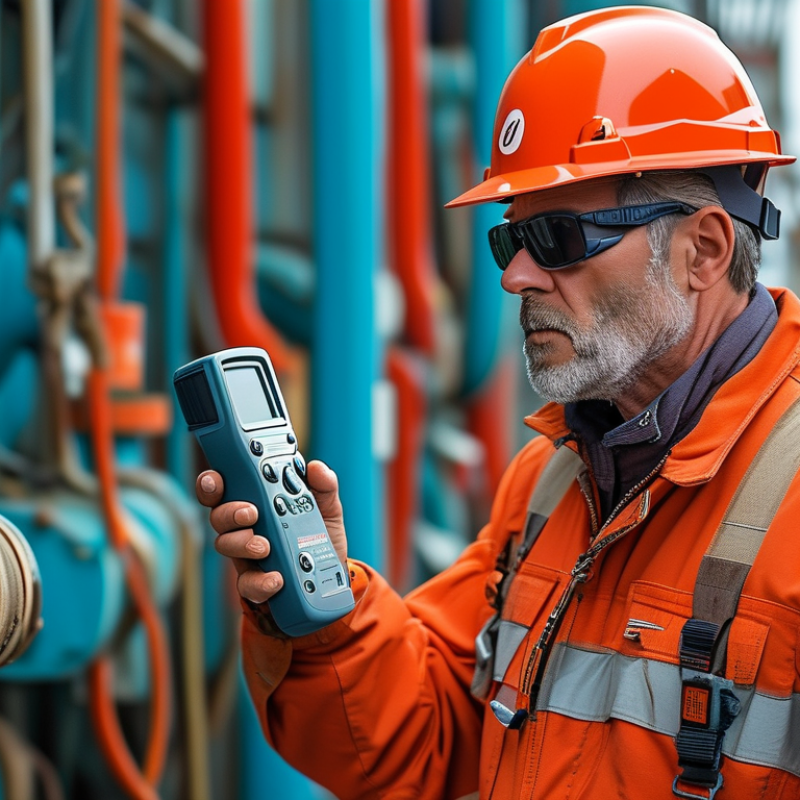
2026 How to Choose the Best H2s Gas Monitor for Safety

Understanding H2s Gas Monitors and Their Importance for Safety

Hydrogen sulfide (H2S) is a colorless gas with a notorious reputation. It can be deadly, making H2S gas monitors critical for workplace safety. In industries such as oil and gas, exposure to H2S is common. The Occupational Safety and Health Administration (OSHA) reports that about 200 workers are exposed to H2S each year in the United States alone.

Understanding how H2S monitors work helps organizations select the right device. These monitors measure gas concentrations and provide real-time alerts. According to a report by the National Institute for Occupational Safety and Health (NIOSH), portable monitors can detect H2S at low levels, which is vital. By alerting workers to dangerous conditions, these devices prevent exposure and potential fatalities.

Tips for choosing the right monitor include checking the calibration frequency. Regular checks ensure accuracy. Look for monitors equipped with audible alarms and visual alerts. These features enhance response times. Stay informed about the monitor's battery life. A dead battery can lead to disastrous outcomes. Choosing the right H2S gas monitor is essential for safety but requires continuous evaluation and adjustments based on workplace conditions.

Key Features to Look for in H2s Gas Monitors for Effective Detection

When selecting the best H2S gas monitor, several key features matter for safety. Look for high sensitivity and fast response times. Monitors should detect low concentrations of H2S quickly. This feature is vital in hazardous environments where exposure risks are high.

Durability is another essential characteristic. A sturdy design helps withstand harsh conditions. Water resistance and impact resistance can significantly improve the lifespan of the device. Avoid instruments that might corrode easily or break under stress.

Tips: Ensure the monitor has an audible alarm. A loud alarm is crucial in alerting workers to danger. Check if it offers visual alerts, too, as these can provide extra reassurance. Calibration capabilities matter. Regular calibration ensures accurate readings. Always refer to the manufacturer's guidelines for calibration frequency.

Moreover, battery life significantly affects functionality. A long-lasting battery reduces the need for frequent replacements. Inspect reviews for battery performance before making a decision. Ultimately, prioritize devices that align with your specific needs and work environment.

2026 How to Choose the Best H2s Gas Monitor for Safety - Key Features to Look for in H2s Gas Monitors for Effective Detection

Feature Importance Description Recommended Specs
Sensitivity High Ability to detect low levels of H2S quickly. 0-10 ppm
Response Time High Speed at which the monitor alerts to H2S presence. < 15 seconds
Battery Life Moderate Duration the monitor can operate before recharge. At least 24 hours
Warranty High Assurance of product reliability over time. 2 years or more
Alarm Type High Effectiveness of alerts for hazards detected. Audible and visual alarms
Portability Moderate Ease of carrying and using in various locations. Lightweight design
Calibration Frequency Moderate How often the equipment requires calibration for accuracy. Monthly or quarterly

Types of H2s Gas Monitors: Portable vs. Fixed Units Comparison

When selecting an H2S gas monitor, it’s essential to understand the differences between portable and fixed units. Portable monitors offer flexibility and are easy to carry. These devices are often battery-operated, making them ideal for worker safety in various environments. According to recent industry reports, portable gas monitors can significantly reduce H2S exposure risks by 45% when used correctly.

Fixed units, on the other hand, provide continuous monitoring at specific locations. They are typically hardwired and integrate with alarm systems. These monitors can alert personnel immediately if hazardous levels of H2S are detected. Industry data shows that fixed systems can decrease potential H2S incidents by 60% in high-risk areas.

When choosing between these types, consider your operational needs. Portable devices may be better for jobs that require movement across multiple sites. Fixed units are advantageous for locations with consistent H2S exposure.

Tip: Always check calibration settings. Regular maintenance ensures accuracy.

Tip: Understand the battery life of portable units. A dead battery could lead to dangerous situations.

What fits best may vary. Analyze specific scenarios carefully before making decisions. Balancing convenience and safety is crucial.

Calibration and Maintenance Requirements for H2s Gas Monitors

Calibration and maintenance are critical for H2S gas monitors. Regular calibration ensures accurate measurements of hydrogen sulfide levels. Technicians should follow manufacturer guidelines for calibration frequency. In many cases, monthly calibration checks are recommended. Relying solely on past data can lead to mistakes.

Proper maintenance is equally important. Regularly inspect sensors for signs of damage. Check battery life to avoid sudden failures. Replace worn-out components promptly. Visual inspections should be routine. Yet, many users overlook these steps, risking unreliable performance.

Documentation is essential. Keep a maintenance log for each gas monitor. This helps track calibration dates and any repairs made. An organized record can clarify issues over time. Rushing through these tasks could compromise safety. It's crucial to cultivate a culture of thoroughness and vigilance.

Safety Standards and Regulations to Consider When Choosing a Monitor

When selecting an H2S gas monitor, understanding safety standards is crucial. OSHA guidelines emphasize the need for continuous monitoring in high-risk environments. This mandates devices to detect H2S levels well below the permissible exposure limit (PEL) of 20 parts per million (ppm). The user should cross-reference monitors against these standards to ensure reliable detection.

Calibration and maintenance are also essential. According to the National Institute for Occupational Safety and Health (NIOSH), regular calibration every 30 days is recommended for accuracy. Many organizations overlook this aspect, leading to potential equipment failure. A monitor may provide false readings if not properly maintained, increasing the risk of harm.

When evaluating features, consider alarm types and response times. Quick response can mean life or death in hazardous situations. Research shows that 40% of gas-related incidents resulted from delayed alarms. Monitors should have both audible and visual alarms, ensuring quick awareness. Selecting a monitor that meets these criteria enhances workplace safety significantly.

FAQS

: What should I look for in an H2S gas monitor?

: Look for high sensitivity and fast response times. Quick detection is vital in hazardous environments.

How important is durability in a gas monitor?

Durability is essential. A sturdy design resists harsh conditions and improves the device's lifespan.

Why is an audible alarm important?

A loud alarm alerts workers to danger. It’s crucial for safety in emergency situations.

How often should H2S gas monitors be calibrated?

Monthly calibration checks are often recommended for accurate measurements of hydrogen sulfide levels.

What maintenance tasks are important for gas monitors?

Regularly inspect sensors and battery life. Replace worn-out components promptly to ensure reliable performance.

How can I track the maintenance of my gas monitor?

Keep a maintenance log for each monitor. Document calibration dates and repairs for clarity over time.

What can happen if maintenance is rushed?

Rushing maintenance can compromise safety. It’s crucial to maintain thoroughness and vigilance.

Why should I check reviews before buying a gas monitor?

Reviews provide insights into battery performance and overall functionality. This can guide your decision effectively.

Conclusion

The article "2026 How to Choose the Best H2s Gas Monitor for Safety" emphasizes the critical role H2s gas monitors play in ensuring safety in environments where hydrogen sulfide poses a risk. It outlines the essential features that should be considered when selecting these devices, such as sensitivity and response time, which are vital for effective detection. Additionally, the comparison between portable and fixed units helps readers understand the best options based on their specific needs.

Moreover, the article discusses the importance of regular calibration and maintenance to guarantee the reliable performance of H2s gas monitors. It also highlights relevant safety standards and regulations to consider during the selection process, ensuring that the chosen monitor complies with safety requirements. By understanding these aspects, users can make informed decisions that enhance safety in potentially hazardous environments.

Madeline

Madeline

Madeline is a dedicated marketing professional with a wealth of expertise in our company's core offerings. With a keen understanding of the industry, she brings a unique perspective to her role, consistently delivering high-quality content that highlights the superior aspects of our products. As......