
Best H2S Gas Detector for Global Buyers in 2026?

Time:2026-08-05 Author:Isabella
0%

As industries grow, the need for reliable safety measures becomes crucial. The H2S gas detector plays a vital role in protecting workers from hazardous hydrogen sulfide exposure. In 2026, buyers worldwide will seek cutting-edge technology in this area. Companies must understand the features that enhance safety and efficiency in these devices.

With various options flooding the market, making an informed choice is essential. Factors like response time and sensitivity stand out. Users might feel overwhelmed by choices, but focusing on trusted brands can simplify this process. The right H2S gas detector not only ensures compliance but also saves lives.

Reflecting on past incidents highlights the importance of reliable detection. Inadequate equipment can lead to dire consequences. It’s a stark reminder that investing in quality is not just about technology, but about safeguarding human lives. Buyers need to prioritize durability and accuracy when choosing an H2S gas detector.
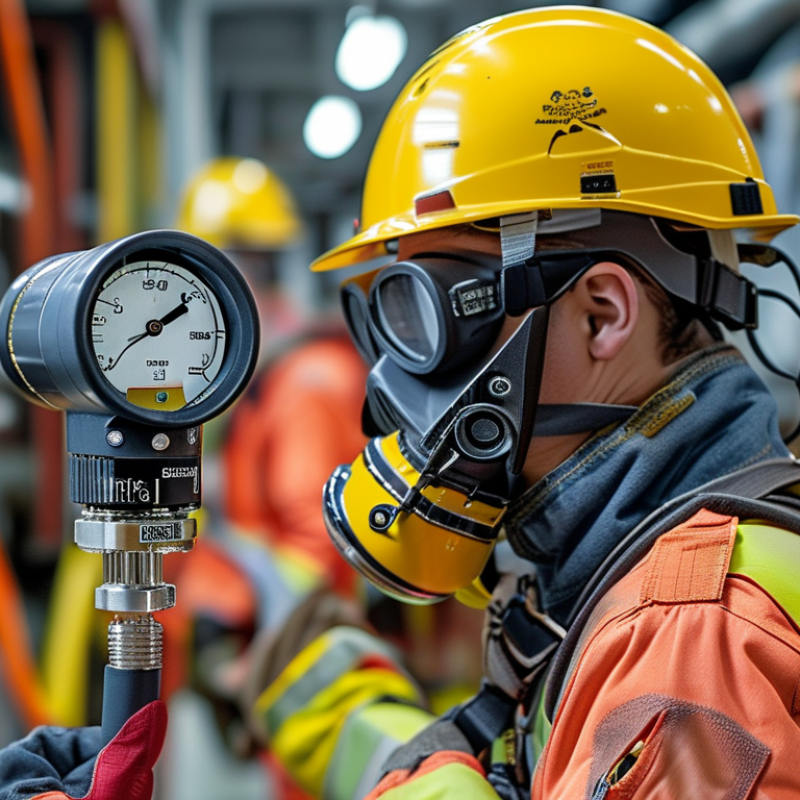
Best H2S Gas Detector for Global Buyers in 2026?

Overview of H2S Gas Detectors and Their Importance in Safety

H2S gas detectors play a crucial role in industrial safety. These devices are essential for identifying the presence of hydrogen sulfide gas in various environments. H2S is colorless and has a distinct odor of rotten eggs. Even at low concentrations, it can pose serious health risks. The ability to detect this gas early can prevent fatalities and serious injuries.

Understanding the features of H2S detectors is critical. They must have reliable sensors and provide real-time monitoring. Some models are designed for extreme conditions, ensuring effectiveness in harsh environments. Regular calibration and maintenance are necessary. Failure to do so may lead to inaccurate readings. Safety protocols should be strictly followed.

Despite advances in technology, issues remain. Some users may overlook battery life or detector placement. Proper training on how to use these devices is often inadequate. Employees need clear instructions. Like any tool, H2S detectors must be part of a broader safety strategy. Investing in quality equipment is vital. It ensures a safer workplace for everyone involved.

Key Features to Look for in an H2S Gas Detector

When selecting an H2S gas detector, several key features are essential for ensuring safety in various environments. Firstly, sensitivity is critical. The best detectors can detect low concentrations of H2S gas, ideally down to 1 ppm. This capability provides early warnings, significantly reducing the risk of exposure to this toxic gas.

Another vital feature is the response time. Leading industry standards suggest a response time under 15 seconds for effective safety management. Users should ensure that the detectors meet these benchmarks. A reliable battery life is equally important. Many top models boast continuous operation for at least 24 hours, ensuring they remain functional in prolonged exposure scenarios.

Durability also cannot be overlooked. H2S detectors should withstand harsh conditions often found in industrial environments. IP ratings of at least 66 are recommended. These help ensure that the device remains operational around dust and moisture. A recent industry report indicated that over 50% of gas detection failures are due to environmental factors. Finally, user-friendliness is crucial. The best devices offer intuitive interfaces and clear alerts, facilitating quick decision-making in emergencies.

Top Brands and Models of H2S Gas Detectors in 2026

When selecting H2S gas detectors in 2026, buyers should consider several critical factors. Quality detectors are crucial for workplace safety. They help identify hydrogen sulfide levels in environments prone to this dangerous gas. Many top models offer advanced features, such as real-time monitoring and alerts. This added functionality can ensure quick action in emergency situations.

Tips for choosing the right detector include assessing sensitivity ranges and response times. A reliable model should detect H2S concentrations even at low levels. Also, ease of use is essential; look for user-friendly interfaces. Regular calibration is necessary for accuracy, but many users overlook this step. Remember, a device is only as effective as its maintenance.

Be mindful of the environment where the detector will be used. Certain models perform better in specific conditions, like high humidity or extreme temperatures. Take the time to research different brands. Reviews and user experiences can provide vital insights. Every workplace has unique needs, and finding a suitable detector can be complex but rewarding.

Comparative Analysis of H2S Gas Detectors for Global Markets

In recent years, the need for effective H2S gas detectors has surged globally. Hydrogen sulfide (H2S) is a toxic gas that poses serious health risks. Many industries, from oil and gas to wastewater management, require reliable detection methods. Buyers face various options, each with unique features and specifications.

When analyzing H2S gas detectors, several factors come into play. Sensitivity is critical; detectors must reliably pick up low concentrations of H2S. Response time is another essential criterion. It directly affects how quickly workers can react to potential hazards. Battery life and durability also impact the long-term usability of these devices. Some detectors may excel in one area but fall short in another.

User experiences reveal inconsistencies in performance among different models. Some detectors are prone to false alarms, which can lead to complacency. Others might struggle under extreme weather conditions. Buyers should consider real-world applications and reviews before making a purchase. Not all detectors are created equal, and understanding their strengths and weaknesses is vital in ensuring safety in hazardous environments.

Future Trends and Innovations in H2S Gas Detection Technology

In 2026, the landscape of H2S gas detection technology continues to evolve. New innovations are focusing on enhanced sensitivity and faster response times. Wearable devices are on the rise, allowing workers to monitor gas levels in real-time. These smart detectors provide alerts instantly, improving safety in hazardous environments.

Moreover, integration with IoT systems is becoming common. Companies are investing in data analytics to predict leaks before they occur. This predictive capability can save lives and protect property. However, challenges remain in ensuring these systems are user-friendly. Many detectors still struggle with false alarms, causing frustration among users. Feedback from field operators is crucial for improvements.

Battery life is also a pressing issue. Some devices cannot sustain prolonged use, making them less reliable during critical operations. The quest for more efficient energy sources is ongoing. As manufacturers push for advanced features, user education on device limitations is essential. Embracing user input can refine designs and increase overall effectiveness in gas detection technology.

FAQS

: What is the main purpose of H2S gas detectors?

: H2S gas detectors identify hydrogen sulfide gas in various environments, ensuring safety and preventing health risks.

Why is real-time monitoring important in H2S detectors?

Real-time monitoring allows for early detection of gas presence, reducing the risk of serious injuries or fatalities.

What should be considered when choosing an H2S gas detector?

Key features include sensitivity, response time, battery life, durability, and user-friendliness.

How sensitive should an H2S detector be?

The best detectors can detect concentrations as low as 1 ppm, providing critical early warnings.

What is the recommended response time for effective safety management?

A response time under 15 seconds is suggested for safety in detecting H2S gas.

How often should H2S detectors be calibrated and maintained?

Regular calibration and maintenance are necessary to ensure accurate readings and reliable performance.

What are the challenges with current H2S gas detection technology?

Issues include battery life, false alarms, and the need for better user education and training.

What future innovations are expected in H2S gas detection?

Innovations include wearable devices and IoT integration for real-time monitoring and predictive capabilities.

Why is user input important in improving H2S detectors?

Feedback from users helps manufacturers enhance designs and address common frustrations, like false alarms.

How can H2S gas detectors contribute to workplace safety?

Properly functioning detectors are vital in a broader safety strategy, ensuring a safer work environment for everyone.

Conclusion

In 2026, the importance of H2S gas detectors remains paramount for ensuring safety in various industries, including oil and gas, mining, and waste management. These devices play a critical role in detecting hydrogen sulfide gas, which poses significant health risks. When selecting an H2S gas detector, buyers should prioritize features such as sensitivity, response time, battery life, and ease of use.

A comparative analysis of H2S gas detectors reveals a diversity of models tailored to meet the needs of global markets, highlighting advancements in technology and design. Future trends indicate a shift towards smart detection systems equipped with enhanced connectivity and real-time monitoring capabilities, promising to improve safety protocols and response strategies in hazardous environments. Overall, the evolution of H2S gas detection technology is vital for protecting workers and ensuring compliance with safety standards.

Isabella

Isabella

Isabella is a dedicated marketing professional with a sharp focus on driving brand growth and engagement through strategic content creation. With an extensive background in digital marketing, she combines her passion for storytelling with her keen understanding of industry trends to deliver......