
What Is the Best Gas Methane Detector in 2026?

Time:2026-10-03 Author:Sienna
0%

Choosing the best Gas Methane Detector in 2026 requires more than comparing prices or alarm ranges. Methane can collect near ceilings, inside utility spaces, or around poorly ventilated equipment. A reliable detector must identify danger quickly, clearly, and consistently. Small details matter.

Experienced safety teams usually examine sensor technology, detection limits, response time, battery performance, and alarm volume. They also check whether the device supports regular calibration and functional testing. A bright display helps in dark plant rooms. A strong vibration alert matters near loud compressors. Data logging can help investigators understand when readings changed. For professional environments, certification and suitability for hazardous locations should match the intended application and local requirements.

No detector is perfect.

This guide compares practical features that influence real-world performance. It considers portable monitors, fixed systems, and compact instruments for maintenance work. It also explains the difference between methane detection and broader combustible-gas monitoring. That distinction is easy to overlook. Some devices may react to several gases, while others are designed for more specific measurement conditions.

The best choice depends on the workplace, not advertising language. A detector used beside a gas meter may need different protection from one used in an industrial processing area. Temperature, humidity, airflow, dust, and calibration habits can change results. Even an advanced instrument can fail when ignored. That uncomfortable point deserves attention. We will assess credible specifications, user-focused design, maintenance demands, and safety evidence before naming the strongest options for 2026.
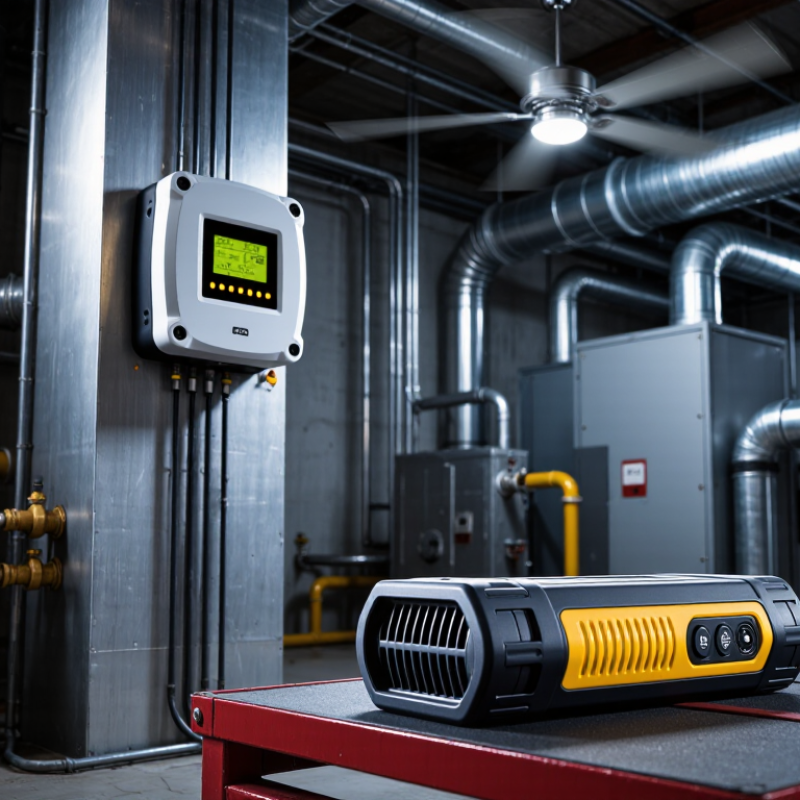
What Is the Best Gas Methane Detector in 2026?

What Is a Gas Methane Detector and Why Does It Matter?

A gas methane detector is a device that senses methane in air and warns people when concentration rises.

Methane is colorless and odorless, so human senses cannot reliably detect it. A small leak near a boiler, pipe joint, or storage area may remain unnoticed. The danger increases in enclosed spaces, where gas can collect near ceilings.

The best gas methane detector in 2026 depends on the environment, not just its advertised sensitivity. A household model may suit routine checks, while industrial sites need continuous monitoring, rugged housing, and clear alarm records.

Reliable detectors usually provide audible and visual alerts. Some also show concentration levels, battery status, and sensor faults.

During an inspection, placement matters. Keep the sensor near likely leak points, but follow the manufacturer’s instructions and applicable safety standards.

Calibration deserves attention.

It is easy to trust a device after one successful test. That confidence can be wrong. Sensors may drift because of age, dust, humidity, or chemical exposure. Regular bump tests and documented calibration improve reliability.

I would also check response time, alarm volume, operating temperature, and maintenance costs before choosing a detector. No detector is perfect. A neglected sensor can offer false comfort, especially when workers silence alarms without investigating the source.

How to Compare Methane Detector Technologies and Detection Methods

What Is the Best Gas Methane Detector in 2026?

Choosing a methane detector starts with the measurement task, not the product label. In field inspections, I compare detection range, response time, calibration stability, and alarm reliability. A detector for confined spaces may need accurate readings near the lower explosive limit. A pipeline survey may require detection of tiny leaks from several meters away. These are different jobs.

Catalytic sensors can measure combustible gas levels effectively, but oxygen shortage may affect their response. Infrared sensors usually provide better selectivity and resist poisoning from some contaminants. Laser-based systems can detect very small methane concentrations over long paths. They are powerful. They may also cost more and require careful alignment. Semiconductor sensors can be compact and sensitive, yet humidity and other gases may influence readings.

The detection method matters as much as the sensor technology. Point detectors sample one location, while open-path systems monitor a wider area. Fixed systems support continuous warnings, whereas portable instruments help technicians investigate suspected leaks. During testing, I would use certified calibration gas, record ambient temperature, and repeat measurements after ventilation. One reading is not enough. Battery life, data logging, audible alarms, and maintenance access also deserve attention. I have seen clean laboratory results become less convincing in wind, dust, or crowded equipment areas. No comparison is perfect. A practical choice should match the leak scenario, operator training, and verification routine.

Which Features Define the Best Methane Detector in 2026?

The best methane detector in 2026 is defined by dependable performance, not a crowded feature list. The International Energy Agency’s Global Methane Tracker 2025 estimates that energy-related methane emissions reached about 120 million tonnes in 2024. That scale makes fast, accurate detection a practical safety requirement.

A strong detector should identify methane specifically, respond quickly, and remain stable across temperature and humidity changes. Infrared sensing can offer useful selectivity and longer service life, while catalytic sensors may need closer attention to calibration. Speed matters. IEC 60079-29-1 provides performance guidance for flammable gas detectors, including response behavior and alarm functions.

Look for adjustable low and high alarms, a loud audible signal, bright visual indicators, and vibration alerts. A data log is valuable because it records exposure patterns, calibration dates, and maintenance gaps. Hazardous-area certification is also essential where flammable gas may accumulate.

Real sites are messier than laboratories. Dust can cover an inlet, a pump can weaken, and a sensor can drift. Bump testing before use and scheduled calibration remain necessary. No detector is perfect. I have seen equipment pass a display check while its sampling line was blocked. That detail is easy to miss. The UNEP Global Methane Assessment found that human-caused methane emissions could fall by 45% this decade with existing measures. A detector supports that effort only when workers can operate it easily, verify its condition, and trust its alarms. Lightweight design, replaceable filters, strong battery life, and simple menus may matter more than advanced analytics.

How to Choose a Methane Detector for Different Environments

Choosing the best methane detector in 2026 depends on the environment, not the highest specification. Methane is highly flammable between roughly 5% and 15% in air, according to the NIOSH Pocket Guide. In a boiler room or kitchen, choose a fixed detector with audible and visual alarms. It should also continue operating during brief power interruptions. Small spaces need fast response and simple testing.

For landfills, wastewater plants, and oil and gas sites, portable detectors must withstand moisture, dust, impacts, and changing oxygen levels. Infrared sensors usually perform well in oxygen-deficient areas because they do not rely on combustion. Catalytic sensors can be useful, but they need sufficient oxygen and regular bump testing. IEC 60079-29-1 provides performance guidance for flammable-gas detectors. Calibration records matter more than a glossy specification sheet.

Do not overlook data logging and worker visibility. The International Energy Agency’s Global Methane Tracker 2024 estimates that fossil-fuel operations could reduce methane emissions by about 75% using existing measures. Reliable detection supports faster repairs. Still, one detector cannot cover every leak path. Sensor placement, airflow, mounting height, and maintenance can change results. I would test the alarm near realistic leak points, not only in a quiet workshop. That weakness is easy to miss. Choose certified equipment for the hazardous area, follow the site risk assessment, and verify alarm settings against applicable standards.

What Is the Best Gas Methane Detector in 2026? How to Choose a Methane Detector for Different Environments

Environment Primary Detection Objective Recommended Detector Type Typical Measurement Range Suitable Sensor Technology Important Safety Features Key Selection Criteria
Natural Gas Pipelines and Distribution Networks Locate leaks quickly along pipelines, joints, valves, and service connections. Parts-per-million detection for leak finding; percentage by volume for high-concentration areas Infrared or semiconductor sensor; infrared technology is preferred where selectivity and long-term stability are important Audible and visual alarms, adjustable alarm thresholds, data logging, rechargeable battery, and intrinsically safe construction where required Low detection limit, fast response, flexible probe, adequate battery life, and certification for the intended hazardous area
Indoor Boiler Rooms and Utility Spaces Provide early warning of accumulated methane before the concentration reaches a dangerous level. Commonly configured around 0–100% of the lower explosive limit Catalytic bead or infrared sensor designed for combustible-gas monitoring Continuous monitoring, audible and visual alarm, relay output, backup power, fault indication, and automatic ventilation control Correct mounting location, reliable power supply, regular bump testing, sensor calibration, and compatibility with building controls
Landfills and Biogas Facilities Monitor methane in collection systems, work areas, digesters, and gas-treatment equipment. From low-level leak detection to 100% methane by volume, depending on the task Infrared methane sensor for high concentrations; electrochemical sensors may be added for oxygen and toxic gases Measurement of oxygen deficiency, high-range methane capability, sampling pump, alarms, rugged enclosure, and intrinsically safe approval Required gas channels, pump performance, water and dust resistance, measurement range, and suitability for confined-space work
Wastewater Treatment Plants Detect methane near digesters, sludge-processing equipment, tanks, and enclosed maintenance areas. Low-level alarm monitoring up to high methane concentrations near process equipment Infrared or catalytic sensor for methane; additional electrochemical channels for oxygen and hydrogen sulfide may be necessary Confined-space alarm, oxygen monitoring, pump blockage warning, corrosion-resistant housing, and event recording Resistance to humidity and corrosive atmospheres, sampling-line length, sensor cross-sensitivity, and maintenance requirements
Oil and Gas Processing Areas Continuously identify combustible-gas releases around process units, storage, compressors, and loading points. Usually expressed as 0–100% of the lower explosive limit for alarm and shutdown functions Infrared point detector, open-path infrared detector, or catalytic sensor selected according to the area and gas composition High and low alarms, fault monitoring, voting logic, control-system integration, weather protection, and hazardous-area certification Coverage design, response time, environmental rating, gas cloud geometry, maintenance access, and required shutdown philosophy
Underground Mines and Tunnels Monitor methane accumulation in areas with restricted ventilation and limited escape routes. Low-level warning range with high-range capability for rapidly increasing concentrations Infrared or catalytic methane sensor certified for the specific mining application High-intensity alarm, vibration alert, intrinsically safe battery, durable enclosure, automatic data recording, and ventilation-system integration Mining approval, impact resistance, operating time, alarm audibility, calibration stability, and performance under dust and humidity
Agricultural Anaerobic Digesters Check methane around digesters, gas storage, piping, engine rooms, and maintenance zones. Low-level leak detection through high methane concentrations near gas storage and process equipment Infrared sensor is generally suitable for methane-rich biogas; multi-gas capability may be needed Audible, visual, and vibration alarms; oxygen channel for confined spaces; pump sampling; water and dust protection Biogas composition, humidity tolerance, sensor selectivity, battery duration, cleaning requirements, and hazardous-area approval
Construction and Maintenance Work Verify that work areas, utility lines, excavations, and confined spaces are safe before and during work. Parts-per-million leak detection combined with %LEL combustible-gas measurement Infrared, catalytic, or semiconductor technology depending on required sensitivity and certification Personal alarm, bump-test reminder, rugged housing, glove-friendly controls, belt or harness mounting, and intrinsically safe design Ease of use, alarm clarity, response time, operating temperature, impact resistance, and compatibility with the site permit system
Residential and Commercial Buildings Warn occupants of methane accumulation from appliances, piping, meters, or service connections. Alarm threshold normally selected below the lower explosive limit; the exact setting depends on applicable regulations Combustible-gas sensor with automatic self-check and end-of-life indication Local audible alarm, visual status indicator, low-battery warning, test button, and optional gas-valve or building-system connection Local code compliance, correct installation height, power reliability, alarm audibility, calibration interval, and replacement availability

Selection note: Methane is lighter than air and is flammable in air at approximately 5% to 15% by volume under standard conditions. Detector placement, alarm thresholds, hazardous-area certification, calibration, and maintenance should always follow applicable local regulations and the site-specific safety assessment.

How to Use, Test, and Maintain a Methane Detector Safely

What Is the Best Gas Methane Detector in 2026?

A reliable methane detector should provide clear alarms, stable readings, and practical sensor checks. Choose a device designed for methane, with a readable display and an alarm you can hear in noisy areas. Before use, inspect the casing, inlet, battery, and sensor opening. Damage can create false confidence. Do not use a detector with blocked openings or a weak battery.

Test the detector in clean air before entering a monitored area. Zero the instrument only where methane is absent. Then perform a bump test with approved test gas, following the instruction manual. The alarm should activate quickly at the expected concentration. If it fails, remove the detector from service. Never “test” it near a suspected leak with an open flame. That shortcut is dangerous.

Keep the sensor close to the breathing zone when checking rooms, pits, or equipment spaces. Move slowly because methane may collect near ceilings or enclosed pockets. If the alarm sounds, leave the area and follow the site emergency procedure. Do not investigate alone. Calibrate the detector at the required interval, and record every test, fault, and repair. Store it dry, away from heat and chemicals. Sensors can age quietly. I have seen users trust a recent battery check while ignoring an overdue calibration. That mistake deserves more attention.

FAQS

What features define a reliable methane detector?

It should identify methane specifically and respond quickly. Clear alarms matter. Choose audible, visual, and vibration alerts for noisy workplaces. Stable readings across heat and humidity are also important. A simple menu may outperform advanced analytics.

Should I choose a fixed or portable methane detector?

Fixed detectors suit boiler rooms, kitchens, and permanent equipment areas. Portable models suit landfills, treatment plants, and changing work locations. Choose based on airflow, access, moisture, dust, and impact risks. The highest specification is not always the best choice.

Which sensor type works well in oxygen-poor spaces?

Infrared sensors can perform well when oxygen levels are low. They do not depend on combustion. Catalytic sensors require sufficient oxygen and regular testing. Sensor choice still depends on site conditions and maintenance ability.

What alarm functions should a methane detector include?

Choose adjustable low and high alarm levels. The alarm should be loud enough for nearby workers. Bright lights and vibration improve warning visibility. Test alarms near realistic leak points, not only in quiet rooms.

How should I test a methane detector before use?

Inspect the casing, battery, inlet, and sensor opening. Check it in clean air first. Then perform a bump test with approved test gas. The alarm should activate quickly. If it fails, remove the detector from service.

Where should a methane detector be positioned?

Place the sensor near the breathing zone during room checks. Inspect ceilings, pits, and enclosed pockets carefully. Airflow, mounting height, and blocked inlets can change readings. One detector cannot cover every leak path.

How often should methane detectors be calibrated?

Follow the required calibration interval for the detector and workplace. Record calibration dates, faults, tests, and repairs. A recent battery check does not replace calibration. That mistake is easy to miss. Sensors can age quietly.

What should workers do when the methane alarm sounds?

Leave the area immediately. Follow the site emergency procedure. Do not investigate alone. Never use an open flame near a suspected leak. Store detectors dry and away from heat or chemicals.

Conclusion

A Gas Methane Detector is an essential safety tool used to identify methane leaks before they create fire, explosion, health, or environmental risks. This article explains how methane detectors work and compares common detection technologies, including catalytic, infrared, semiconductor, and laser-based methods. It highlights the importance of sensitivity, response time, measurement range, calibration stability, alarm clarity, battery life, durability, and safe operation when selecting the best detector in 2026.

The right device depends on the environment, such as homes, industrial facilities, pipelines, mines, laboratories, or outdoor work areas. Readers will learn how to match detector specifications with ventilation conditions, expected methane levels, portability needs, and hazardous-area requirements. The article also covers practical procedures for using, testing, calibrating, cleaning, storing, and maintaining a detector. Regular inspection and correct operation help ensure reliable readings and provide early warning when methane concentrations become unsafe.

Sienna

Sienna

Sienna is a skilled marketing professional with a deep expertise in our company’s core products and services. With a passion for innovation and detail, she plays a pivotal role in crafting insightful blog posts that not only highlight the unique features of our offerings but also provide valuable......